Engage, Enhance, Excel: Voice AI Chatter for Smarter Business Interactions

Neha
Last updated on December 12, 2025

We have all engaged with voice AI chatter such as Siri, Alexa, Google Assistant, and various others. These AI-powered conversational agents are not only changing the way we interact with technology; these voice assistants have become part of our everyday routines.
Let’s understand the inner operations of speech AI chatbots:

Voice AI chatbots, also known as conversational voice agents or virtual assistants, are advanced AI systems that interact with users through speech. Communicating with them is as natural as speaking with a real person. The process includes:
The chatbot uses Automatic Speech Recognition (ASR) technology to convert the user’s spoken input into text.
This process involves filtering out irrelevant sounds and focusing on the user’s speech, including their accent and tone.
Using neural networks, the chatbot distinguishes between the user’s message and background noise, such as other conversations or environmental sounds. This ensures that the relevant information is accurately processed.
The converted text undergoes further processing through Natural Language Processing (NLP) and Natural Language Understanding (NLU).
These techniques help the chatbot understand the context, as well as the user’s intent and sentiment behind the message.
The chatbot uses syntactic and semantic analysis to gain a deeper understanding of the underlying meaning and user intent.
Syntactic analysis examines the grammatical structure of the message, while semantic analysis recognises the hidden context and meaning behind the words.
Based on its analysis of the user’s input, the chatbot generates a range of potential responses and selects the most accurate and appropriate response to the user’s inquiry.
The chatbot converts the final response into an audio response using a Text-to-Speech (TTS) system.
Integrating voice chatbots into your business can improve customer service, simplify tasks, and enhance overall customer interactions. With the YourGPT AI chatbot, you can easily create customised voice assistants tailored to your business with no code interface. These conversational AI chatbots can efficiently handle the customer inquiries, provide personalised recommendations, and connect to your knowledge base data.

What are voice AI chatbots?
How do voice-assisted chatbots work?
What are the benefits of integrating voice chatbots into businesses?
How can businesses integrate voice chatbots into their operations?
Can voice chatbots handle a high volume of inquiries?
Are voice chatbots only available in certain industries?
Voice AI chatbot integration in customer service provides a transforming opportunity for companies in a variety of sectors. Businesses can capitalise on the advantages these advanced technologies provide, such as better customer service, simpler processes, increased accessibility, and round-the-clock availability, by understanding how these advanced solutions operate inside and out.
Voice chatbots are incredibly flexible and may be used for a wide range of purposes, from providing healthcare support to helping customers with travel arrangements. Voice chatbots enhance scalability and efficiency in customer support operations by managing large numbers of requests and offering prompt assistance.
Businesses that use this technology not only improve their brand reputations but also differentiate themselves through unique service offerings and customised interactions. Enhance your customer support by offering an AI-powered voice assistant.
Ready to speak with AI and experience its transformative benefits?

With No Code Builder.
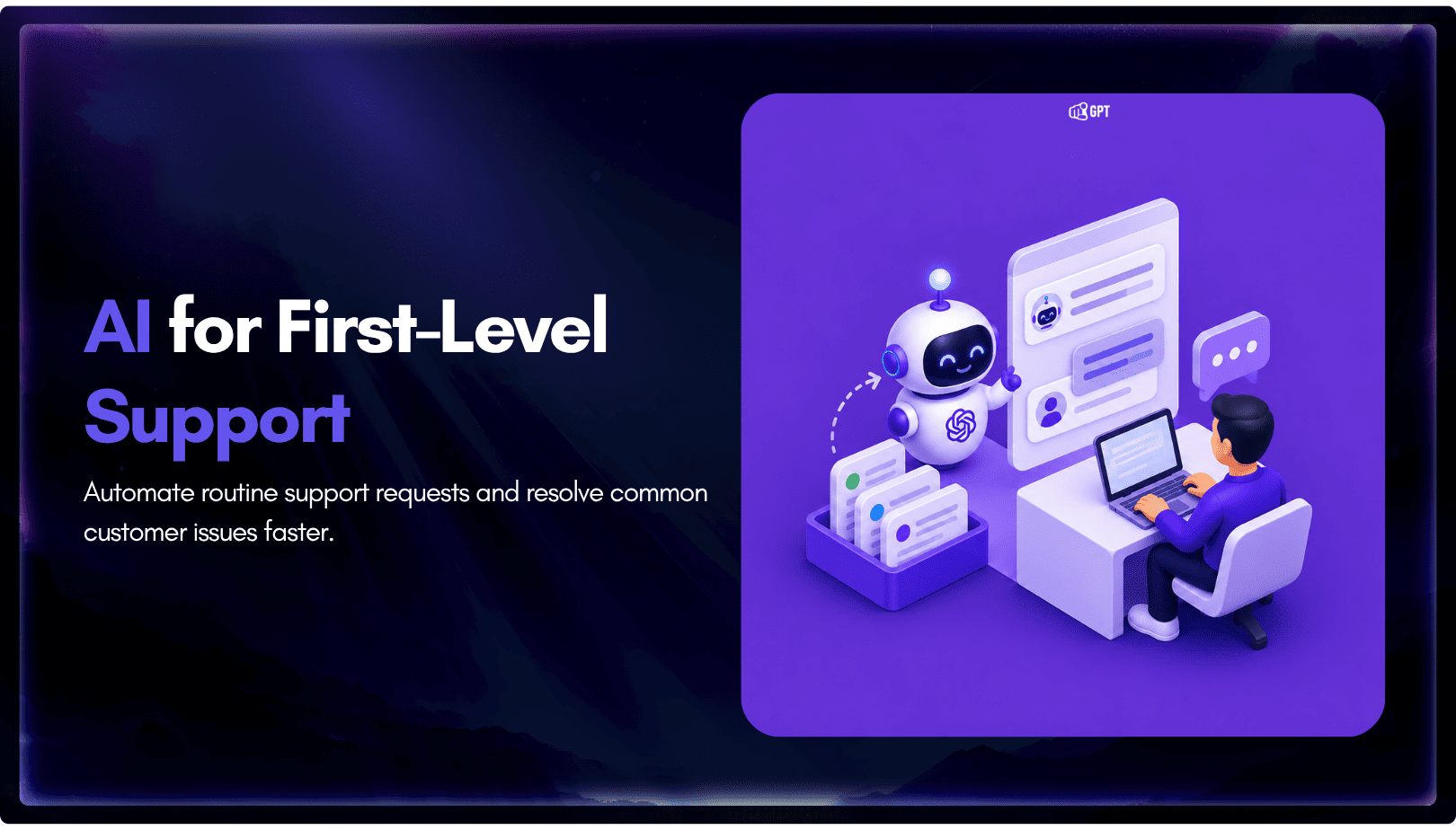
Tier 1 support handles first contact. See how Tiers 0 to 3 differ and what changes when an AI agent becomes your first line.

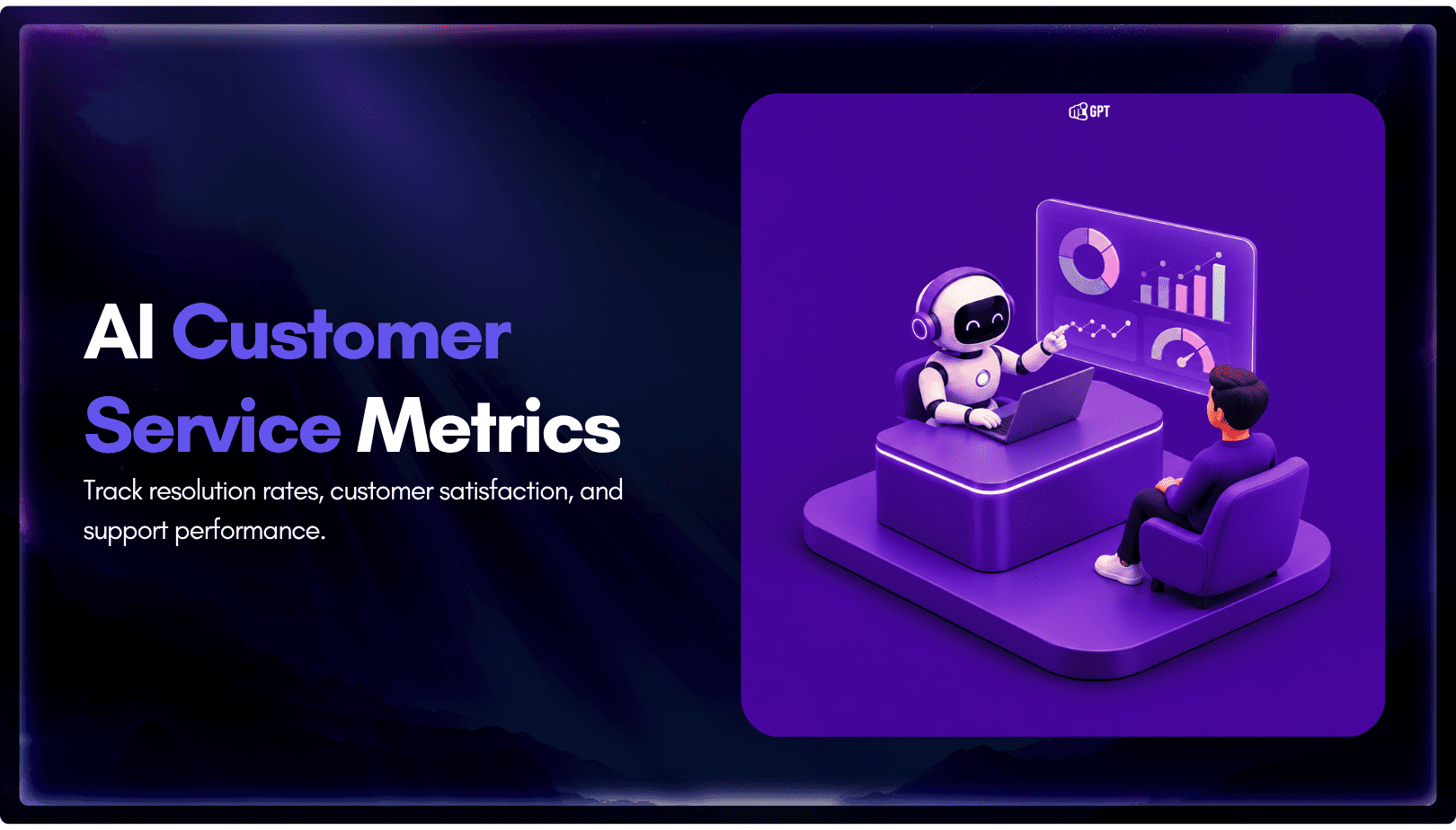
The 12 customer service metrics to track when an AI agent resolves tickets, with a formula for each and a baseline built from your own last month.

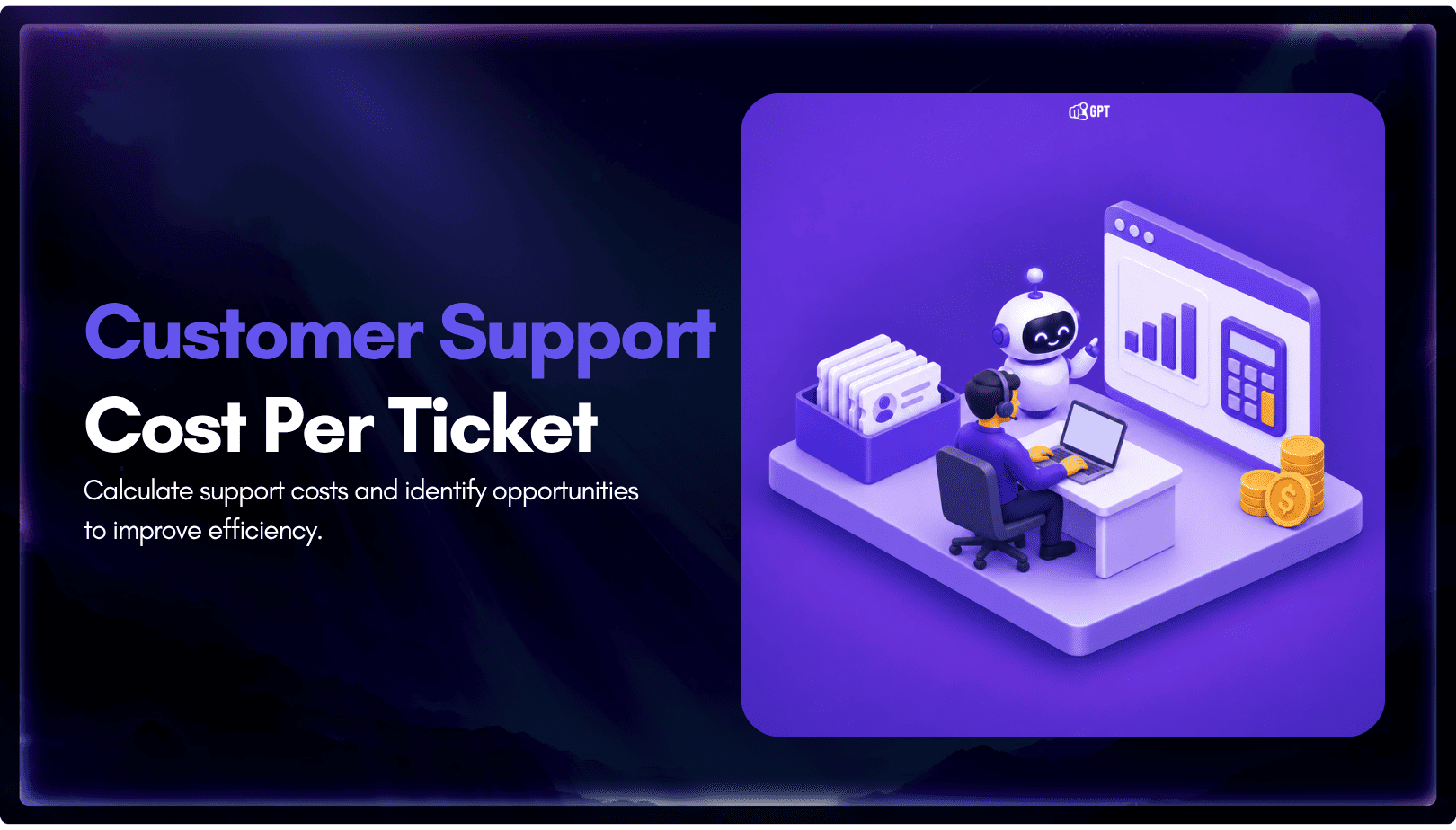
Calculate cost per ticket with one formula and a free calculator, then compare it with the cost of a conversation an AI agent resolves.
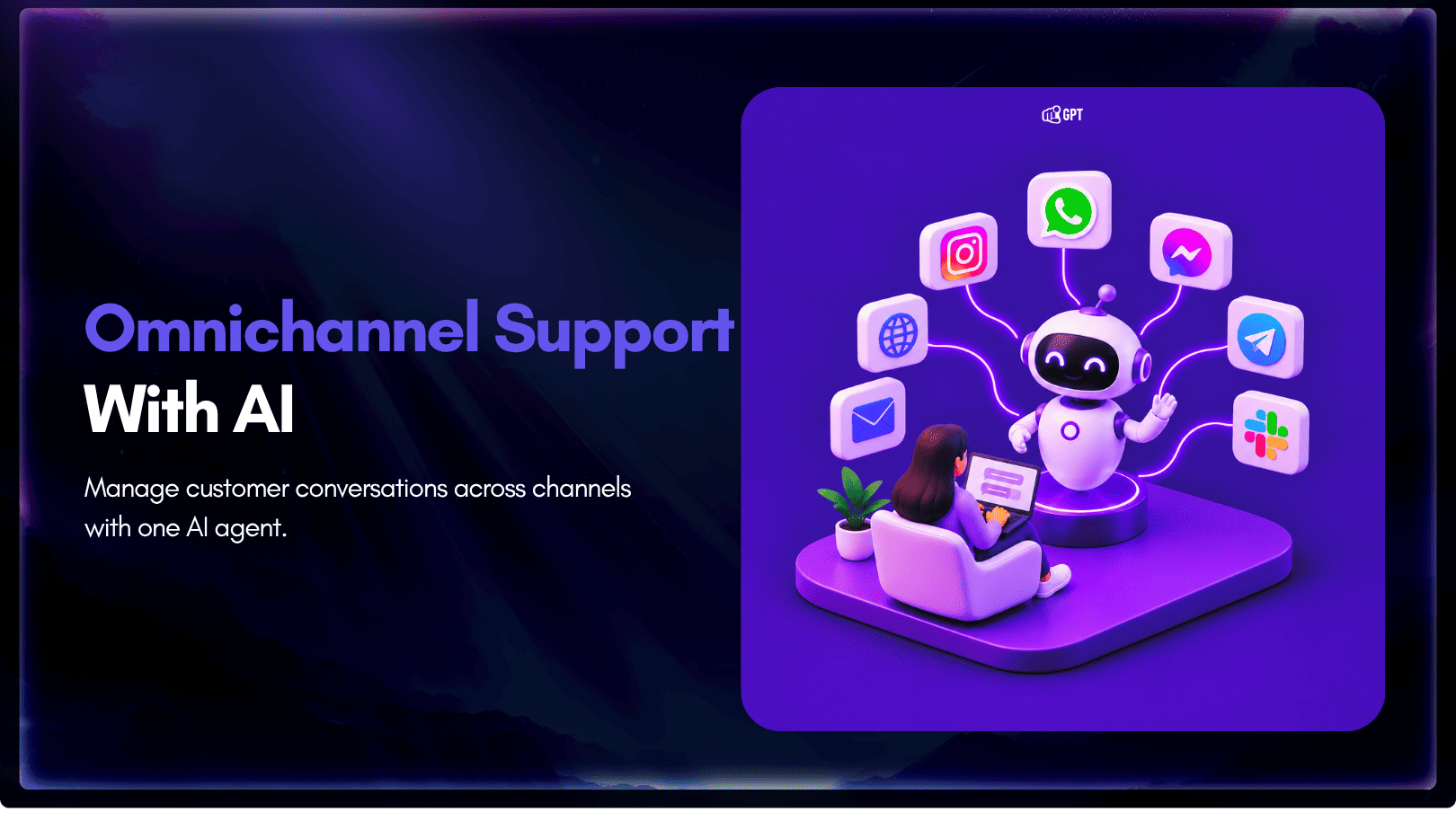
Omnichannel support means every channel answers from the same knowledge. Train one AI agent, pick your first channel, and test that answers match.
Self-learning AI agents log the questions they miss. Learn how human review turns those gaps into trained answers and how to run the weekly loop.
Train an AI agent on your return policy, connect the Shopify template in AI Studio to check real orders, and route exceptions to your team.