Improve Your BigCommerce Store with AI Chatbots ( 5-Minute Setup)

Rajni
Last updated on February 9, 2026

Customer service is a must-have in e-commerce today. With 90% of shoppers expecting quick answers, adding an AI chatbot to your BigCommerce store is a smart move.
Your customers will get fast replies, personalized product suggestions, and a smoother shopping journey, while your team can handle more complex issues. It’s a practical solution to boost efficiency and keep your customers satisfied.
In this blog, We will help you integrate an AI chatbot into your BigCommerce store. Lets first quick understand basics.

A BigCommerce AI chatbot is a virtual assistant for your store. It handles customer inquiries, suggests products, tracks orders, and resolves common issues. Integrating AI chatbot improves response times, customer service, and sales, while being customisable to fit your brand.
People Also like reading: Implement GPT Chatbot to WhatsApp no coding required
Add an AI chatbot to your BigCommerce store to boost engagement and simplify support. Here’s a quick guide to integrate YourGPT Chatbot.


Adding an AI chatbot to your BigCommerce store transforms your customer service. It provides instant replies, personalized product recommendations, and efficient support around the clock.
An AI chatbot helps your team handle complex issues while it manages routine inquiries. This improves customer satisfaction and reduces operational costs. With its ability to scale and support multiple languages, the chatbot adapts as your business grows. To learn more about improving customer satisfaction with AI-powered chatbots, read our post on how to improve customer satisfaction.
By integrating an AI chatbot, you enhance customer interactions and streamline your operations. Follow the steps to add the chatbot to your BigCommerce store and set your business up for improved service and growth.
Join thousands of businesses transforming customer interactions with YourGPT AI
No credit card required • 7 days access • Limited time offer
Use YourGPT to help Black Friday shoppers choose products, check orders and understand returns. Prepare your answers and team before the sale.

Add in-app chat support to your SaaS or mobile app. Place it on the screens where users stall, pass who they are, and hand hard cases to your team.
Group new-account tickets by onboarding stage, train an AI agent on your docs, and place it in the product where new users get stuck.
AI agents can now find and buy products for shoppers. See what agentic commerce changes for a Shopify store and which support jobs stay yours.
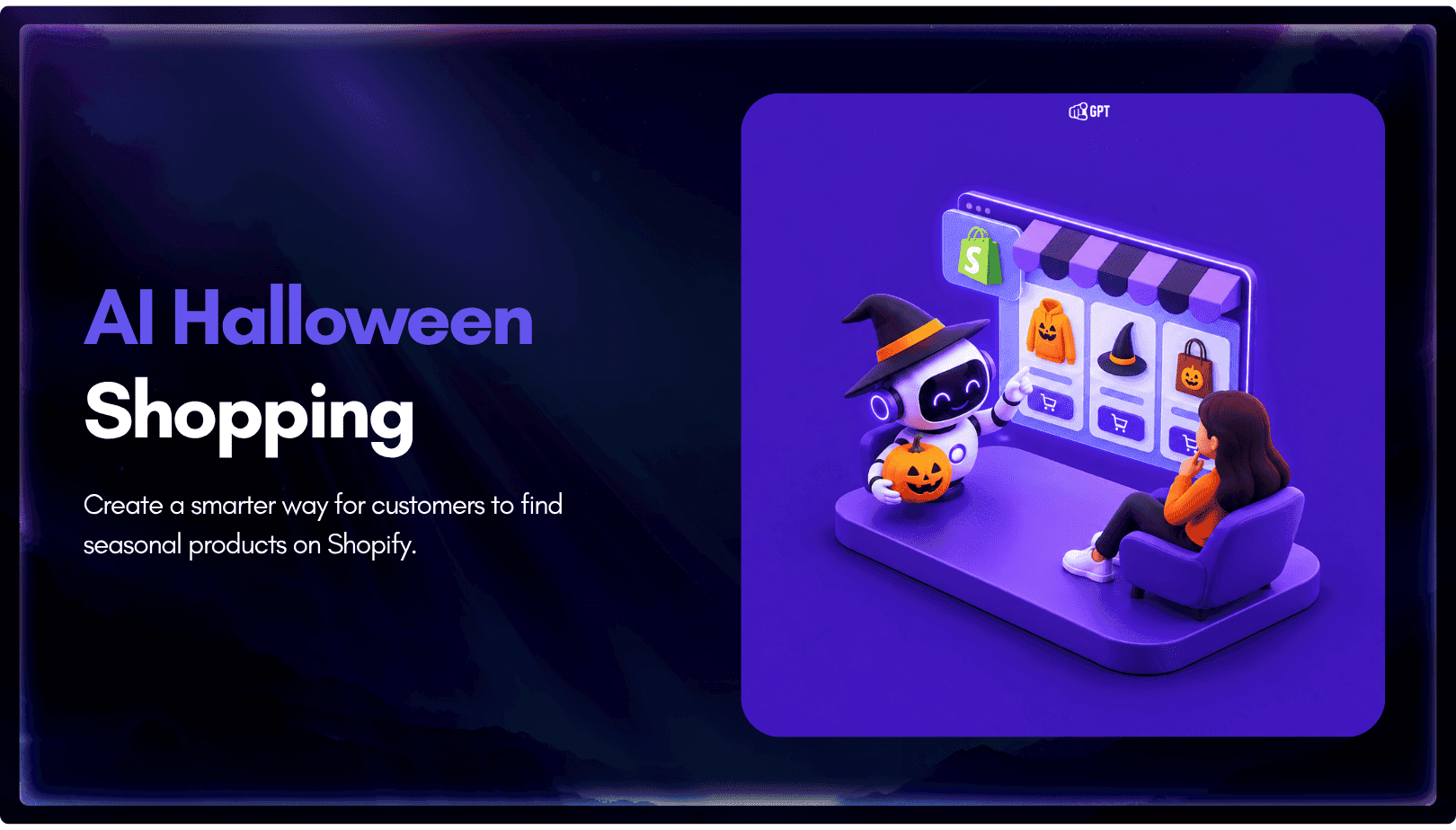
Build a Halloween shopping assistant for Shopify with YourGPT. Set up product recommendations, stock checks, cart actions and human support before launch.

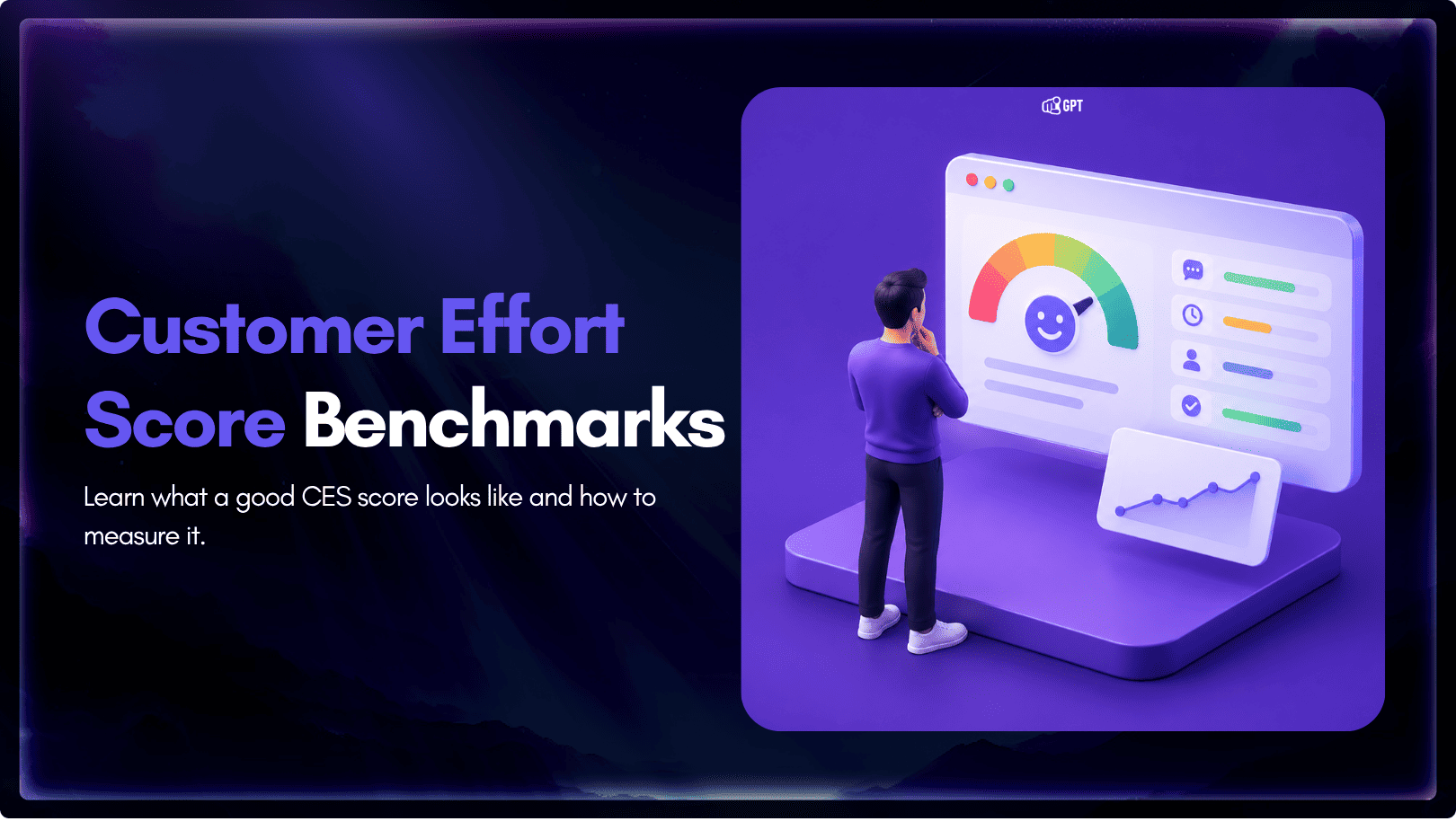
See what a good customer effort score looks like, how to word and calculate CES on each scale, and which support habits raise customer effort.