6 Steps To Boost Your Squarespace Site with an AI Chatbot

Neha
Last updated on February 9, 2026

Creating and managing a website can be challenging, but Squarespace simplifies the process.
With over 3.79 million active websites, Squarespace is a popular choice for businesses and individuals looking to build stunning, functional sites without technical expertise. The platform offers everything you need custom domains, design templates, e-commerce tools, and built-in analytics. It’s a one-stop solution for managing your online presence.
However maintaining effective customer support can become increasingly demanding, especially as you grow.
Integrating an AI chatbot like the GPT chatbot for Squarespace is now essential. AI chatbots can resolve common customer support challenges enhancing your Squarespace site by giving instant responses to customer questions, increasing customer satisfaction, and freeing up your time for other business tasks.
In this blog, we will see how to integrate a GPT chatbot into your Squarespace site to improve customer support with AI.
Squarespace is a popular website builder and hosting platform that lets you easily create and maintain a professional-looking website.
The Squarespace platform provides a wide range of customizable templates and drag-and-drop tools that help design websites without the need for any coding skills.
If you manage a Squarespace site and need to improve customer service without extra effort, adding an AI chatbot could be the solution. Here’s why:
AI chatbot on your Squarespace site can handle common questions and guide visitors helping your support team to automate routine inquries. With 24/7 availability, it makes your site more user-friendly and responsive. AI chatbots enhance customer satisfaction by providing timely assistance.
AI chatbot can manage multiple conversations simultaneously and provides quick answers saving you time. This allows you to concentrate on other important tasks while the chatbot handles routine interactions. Deploying custom AI agents can further improve your operations.
Chatbots can collect valuable information from visitors, helping you build a list of potential leads. By engaging with users and capturing their details, you can follow up and convert these leads into customers.
Integrating an AI chatbot into your Squarespace site is a cost-effective enhancement. Chatbots deliver substantial benefits, including improved site functionality and user experience without requiring a significant investment on human resources. They provide value efficiently and economically compared to other upgrades.
AI chatbot handles routine tasks like appointment scheduling and basic inquiries, streamlining your operations and allowing you to focus on more critical aspects of your business. Create a GPT AI agent to customize and automate these tasks effectively.
Adding a AI chatbot to your Squarespace site improves customer support saves time boosts engagement and makes your site run more smoothly. Now lets see how you can one to your website.
To embed GPT Chatbot to your website follow these steps:


You can customize the chatbot appearance to match your Squarespace website.

Adding an AI chatbot to your Squarespace site offers several advantages:
To add a GPT chatbot to your Squarespace site:
Yes, you can modify the chatbot to fit your site’s design. You can customize the bot’s appearance and persona to align with your website’s look and feel.
When a visitor engages with a chatbot, it collects information such as names and contact details. This helps you build a list of potential leads for future follow-up.
Yes, the chatbot can handle routine tasks such as scheduling appointments and answering common questions. This streamlines operations and frees up time for more critical tasks.
A chatbot boosts customer satisfaction by:
Squarespace simplifies website management with its easy-to-use AI tools and templates. Adding a GPT chatbot to your Squarespace site is straightforward. You can set up a YourGPT chatbot easily with no-code options.
With no-code builders, you can quickly add and customize YourGPT chatbot. This helps you add AI capabilities to your website and improve customer interactions, capture leads, and improve business operations.
Join thousands of businesses transforming customer interactions with YourGPT AI
No credit card required • 7 days access • Limited time offer
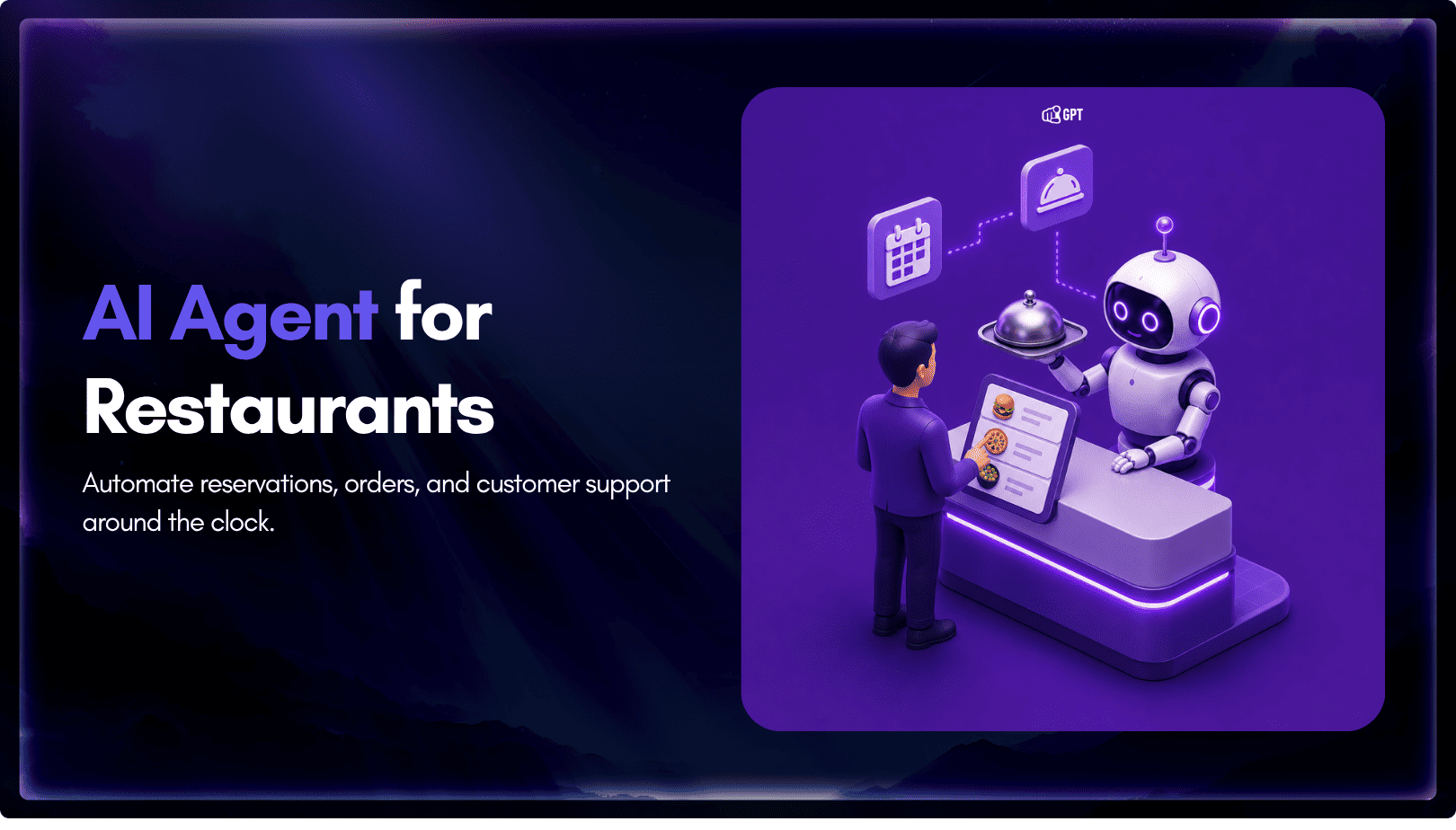
TL;DR Restaurant AI agents help reduce staffing pressure by handling reservations, food orders, and customer inquiries around the clock without increasing headcount. Unlike basic chatbots, they integrate with booking systems, POS platforms, and messaging channels to automate reservations, order processing, and routine customer support. The biggest benefits include automated reservation management, order intake across phone, […]

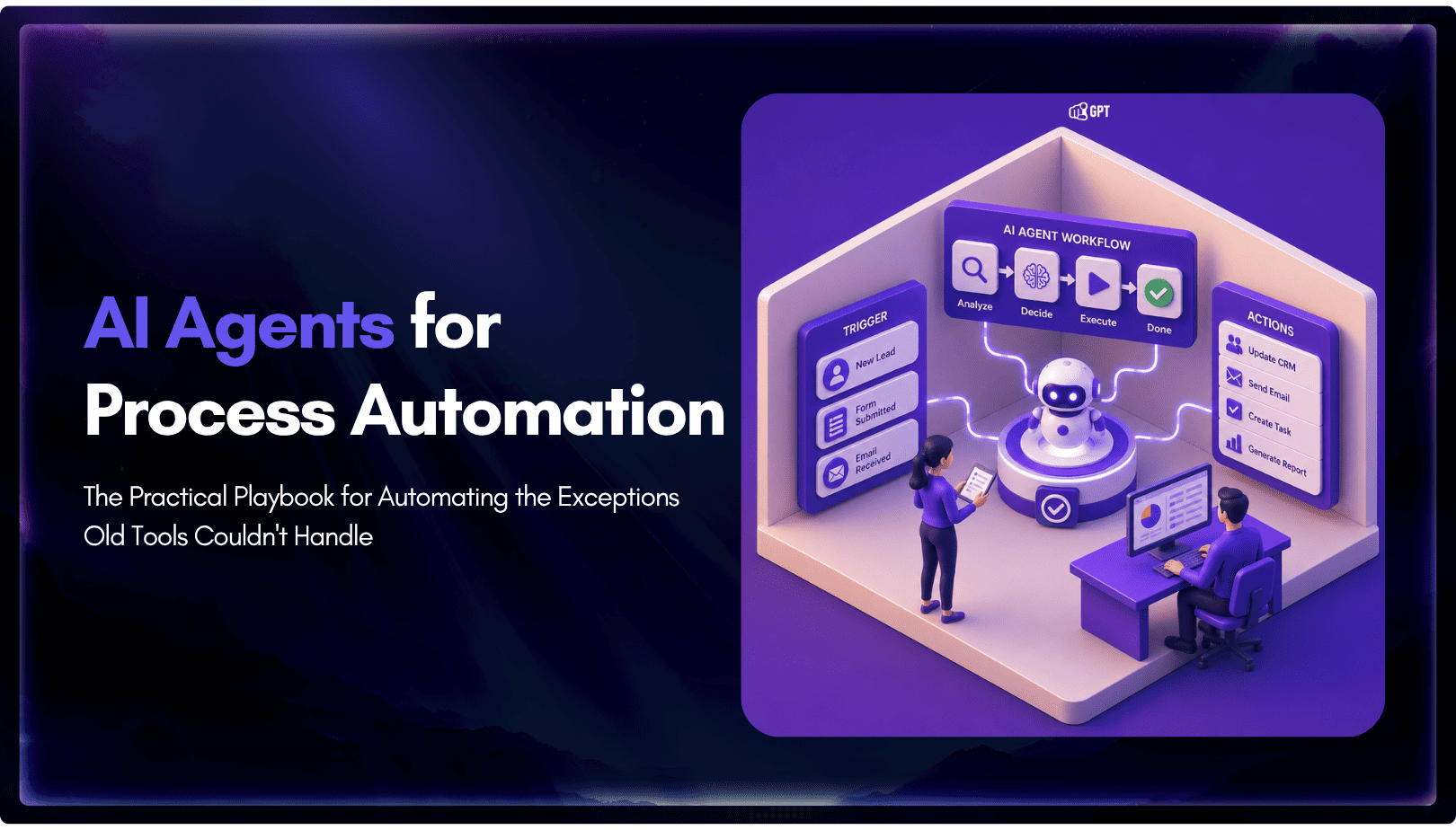
TL;DR Business process automation with AI agents lets software plan multi-step work, call tools, and handle exceptions instead of following fixed scripts like traditional RPA. AI agents can adapt when a process changes, but that flexibility also requires clear permission boundaries, reliable data, and human oversight for consequential actions. Start with one repetitive process, document […]

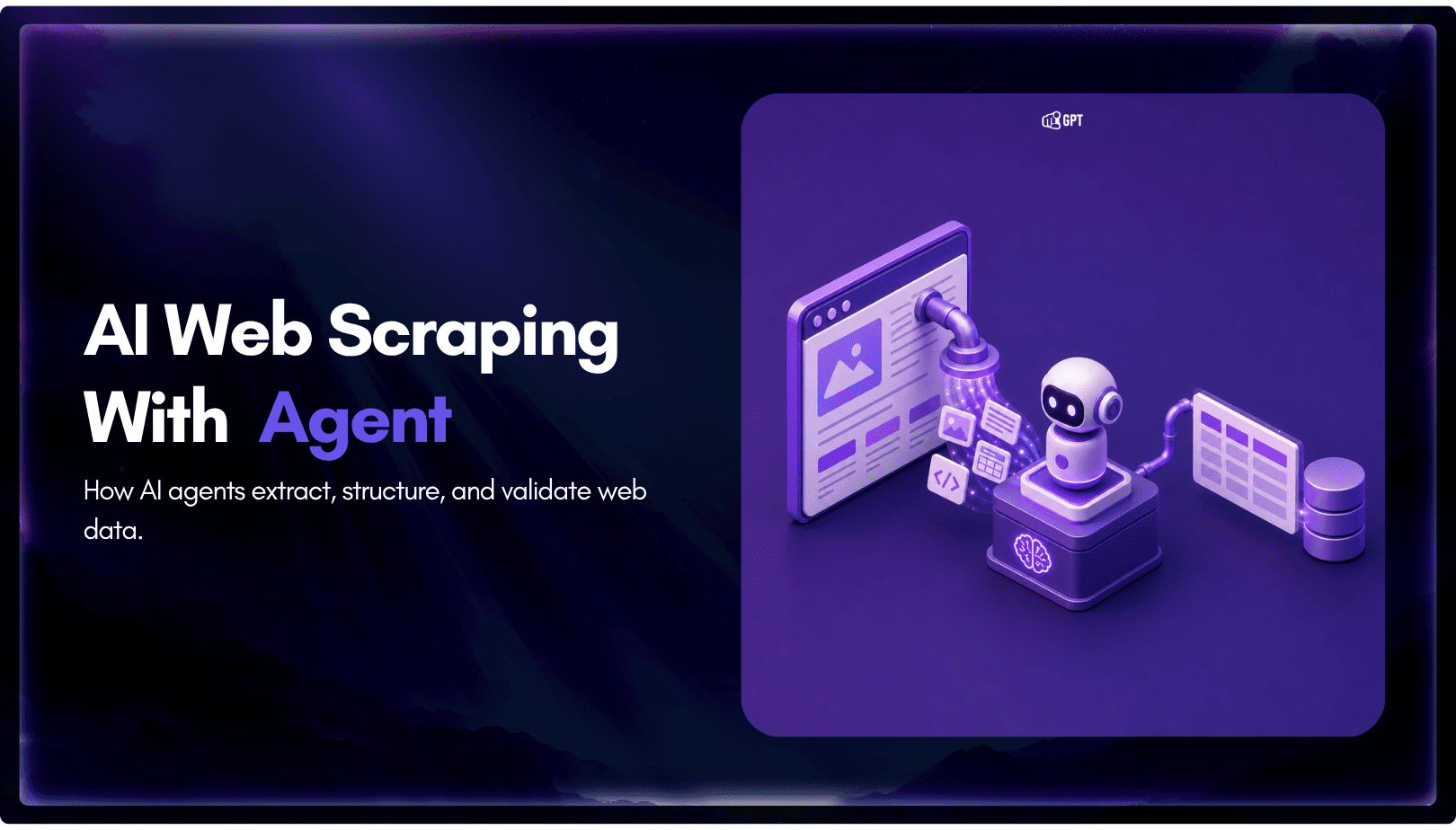
TL;DR AI web scraping replaces hardcoded selectors with an agent that reads a page, decides what matters, and returns structured output, even after the layout changes. Script-based scraping is being layered with agent-based extraction. Scripts still fetch the page. The model decides what to keep. A fetch layer renders the page, a conversion step strips […]
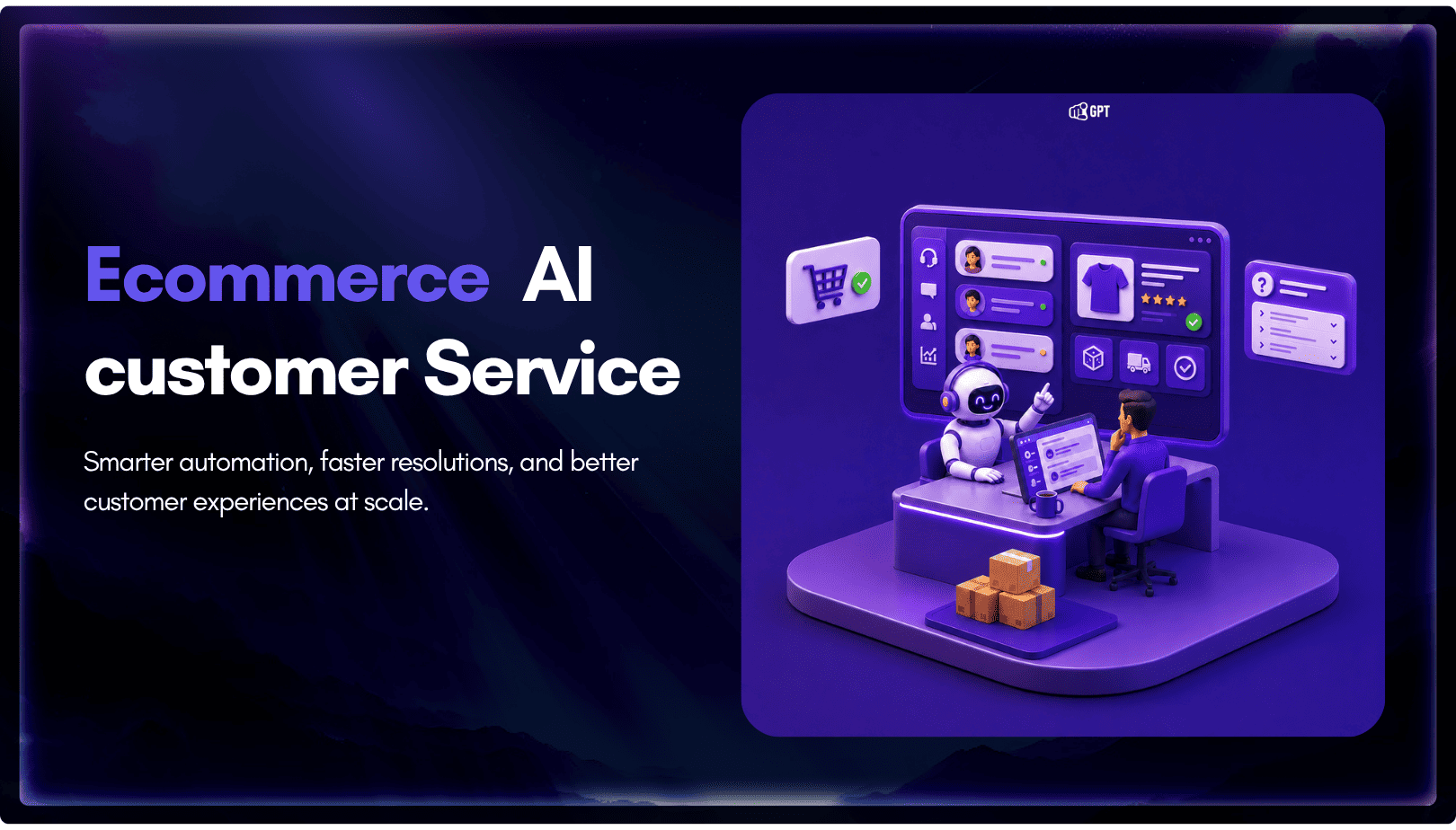
TL;DR The Shift: Support bots used to answer questions. In 2026, AI agents resolve them by reading live order and carrier data, then taking direct action. They can issue refunds, update addresses, and close WISMO tickets without human involvement. The Stakes: WISMO and refund requests already account for a large share of a typical support […]
TL;DR A customer experience strategy is a documented plan for how people, process, and technology work together across every customer touchpoint, not just a support-team initiative. Strong CX optimization can drive 5 to 10 percent revenue growth and reduce costs by 15 to 25 percent within two to three years, making it an executive-level priority. […]
SaaS companies usually do not hit support overload because the product is failing. They hit it because the product is working. More users mean more onboarding questions, more billing confusion, more integration issues, more feature requests, more account-access problems, and more tickets arriving outside business hours. A small support team that could manage 500 customers […]