Smart Chatbot for Shopify: Improving Customer Engagement on Shopify Stores

Neha
Last updated on April 10, 2026

In today’s world, where online shopping is more popular than ever, Shopify stands out as a favourite choice for internet retailers. But winning in this busy market isn’t only about what you sell. It is also about how you engage with your customers. Smart AI chatbots are changing the game for Shopify stores, making it easier and better to connect with shoppers.
Having a tool that’s always ready to answer questions, help with problems, and guide customers through your store. This isn’t just about responding to messages. It is about creating a friendly, helpful space where customers feel valued and understood. That is what AI chatbots do. They are not just robots; they are digital helpers, working around the clock to make sure your customers have a great experience.
In this blog, we will explore how these chatbots are making a big difference for Shopify stores. From answering common questions to helping with orders, these chatbots are a key part of a successful online shop. If you run a Shopify store or are thinking about starting one, you won’t want to miss how this smart tool can help you connect with your customers in a whole new way.

E-commerce platforms like Shopify are not just about selling products; they are also offering an experience to customers. E-commerce, a sector that’s always evolving, demands tools that keep pace with its changing needs. Chatbots have become essential for offering an optimal customer experience. They are not just automated responders; they are advanced tools created to interact with customers in a way that feels personal and intuitive.
Chatbots work by simulating a conversation with users, much like how you would chat with a friend or a customer service representative. Here is a simple breakdown of how they operate:

Shopify, a leading e-commerce platform, hosts thousands of online stores. In such a competitive environment, store owners need to ensure that their customer service is exceptional. Here’s where smart chatbots come in:

The YourGPT Chatbot stands out as a prime example of how AI can improve customer support and engagement in e-commerce.
Integrating YourGPT Chatbot into a Shopify store can significantly enhance customer interaction. It improves the customer experience by providing timely and relevant responses, and its ease of integration and customization makes it a practical choice for improving customer engagement strategies.
Related Reading
The integration of smart AI chatbots, especially YourGPT Chatbot, into Shopify stores represents a significant advancement in enhancing customer engagement and support. The advanced features, ease of use, and ability to provide personalised shopping experiences make them invaluable tools for any e-commerce business. As the e-commerce landscape continues to evolve, tools like these will play an increasingly important role in helping stores meet and exceed customer expectations.
AI chatbots in Shopify stores serve as digital helpers, providing 24/7 customer support, assisting with orders, offering product recommendations, and creating personalised shopping experiences.
Chatbots in Shopify simulate conversations by receiving input, understanding user queries through natural language processing (NLP), formulating responses, delivering them via text or voice, and learning from interactions to enhance future responses.
AI chatbots provide round-the-clock customer support, efficient order tracking, sales automation, seamless integration with Shopify apps, and personalised customer engagement by analysing data and suggesting relevant products.
YourGPT Chatbot features advanced GPT models for accurate responses, a no-code builder for easy setup, multilingual support, full customization to match brand identity, integration across various platforms, a combination of AI and human support, and a live view for proactive engagement with online visitors.
Integrating YourGPT Chatbot significantly enhances customer interaction by providing timely, relevant responses, allowing easy customization and integration, and ultimately improving the customer experience and support strategies.
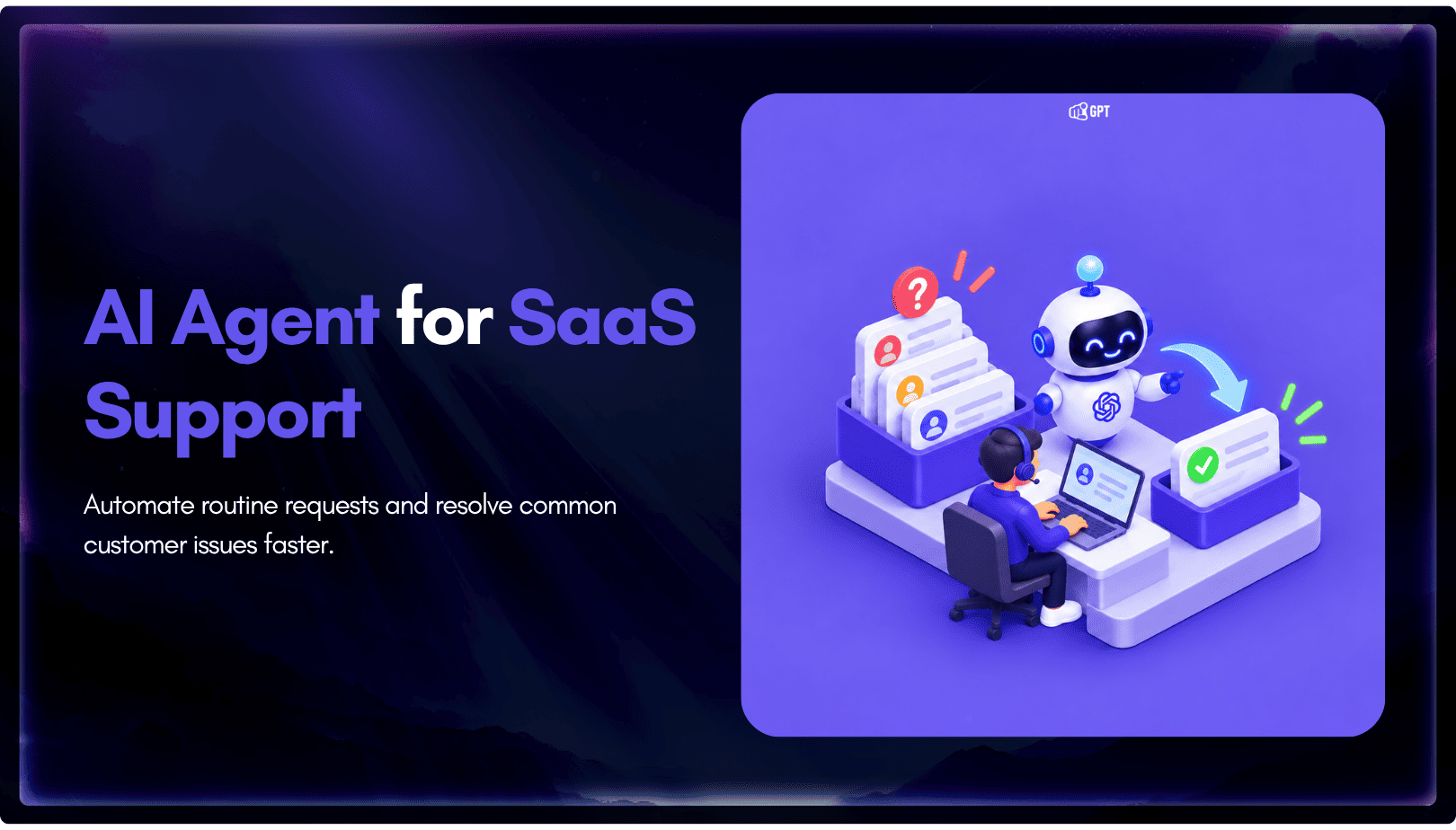
Group new-account tickets by onboarding stage, train an AI agent on your docs, and place it in the product where new users get stuck.


AI agents can now find and buy products for shoppers. See what agentic commerce changes for a Shopify store and which support jobs stay yours.

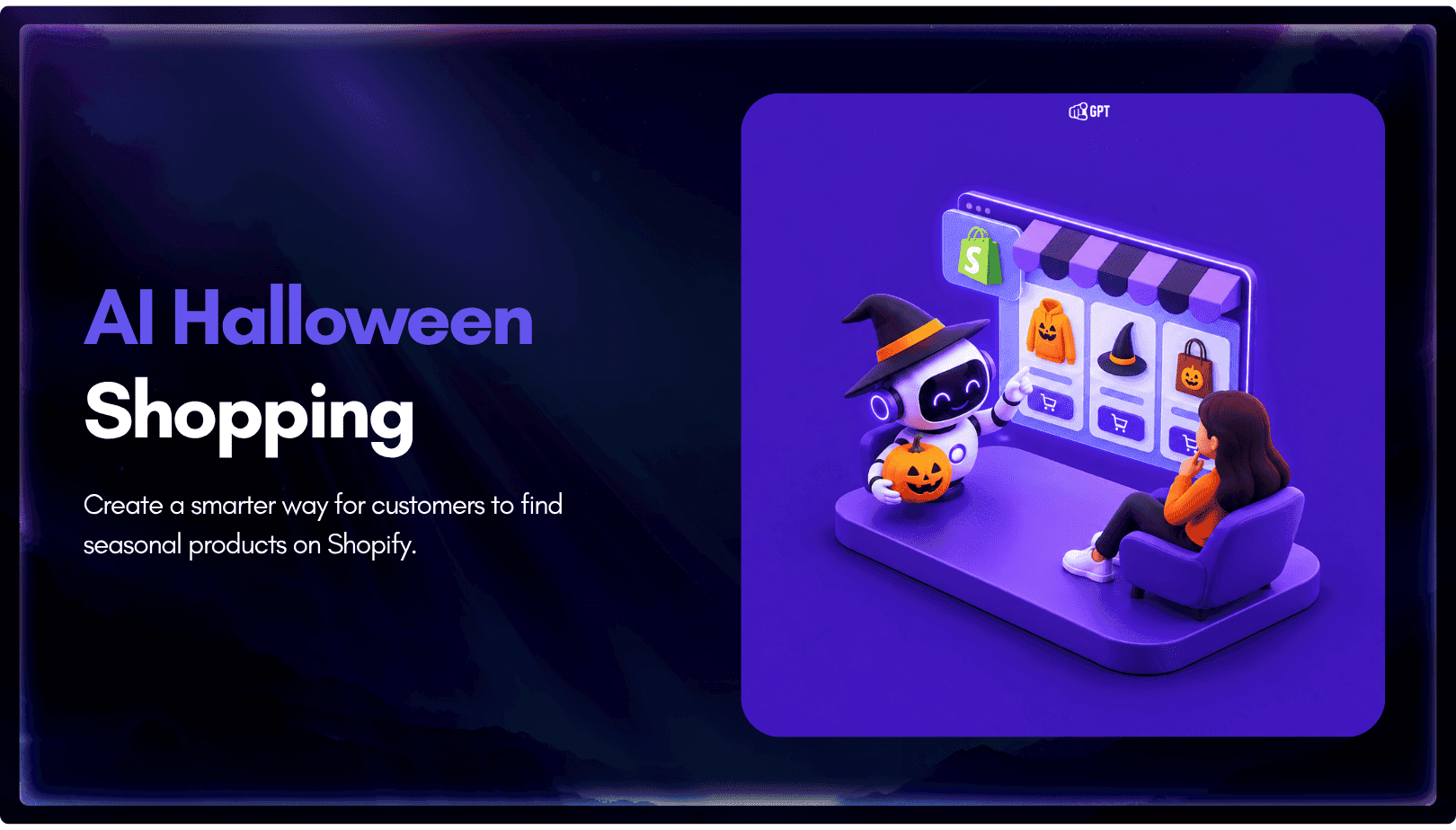
Build a Halloween shopping assistant for Shopify with YourGPT. Set up product recommendations, stock checks, cart actions and human support before launch.

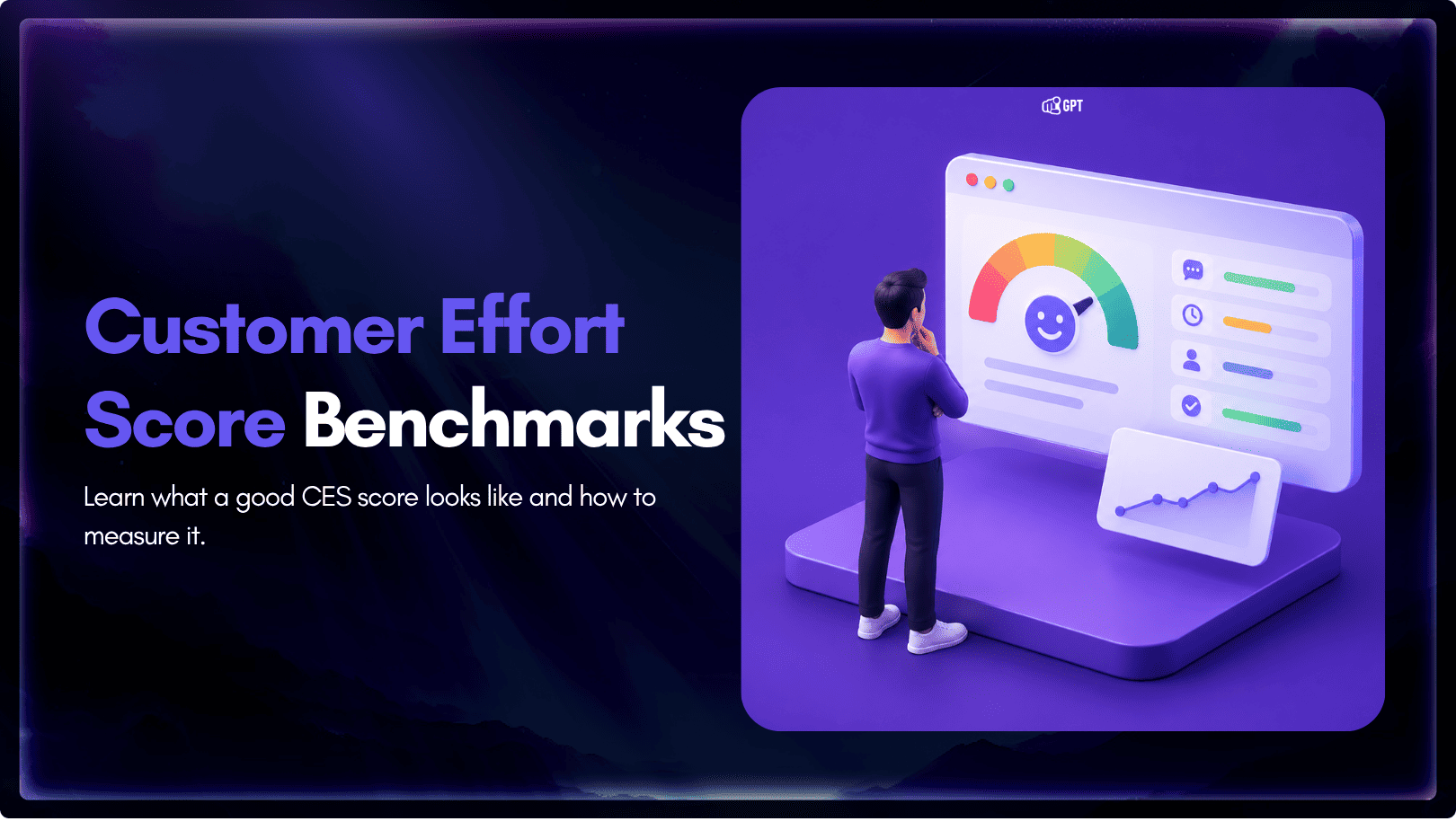
See what a good customer effort score looks like, how to word and calculate CES on each scale, and which support habits raise customer effort.
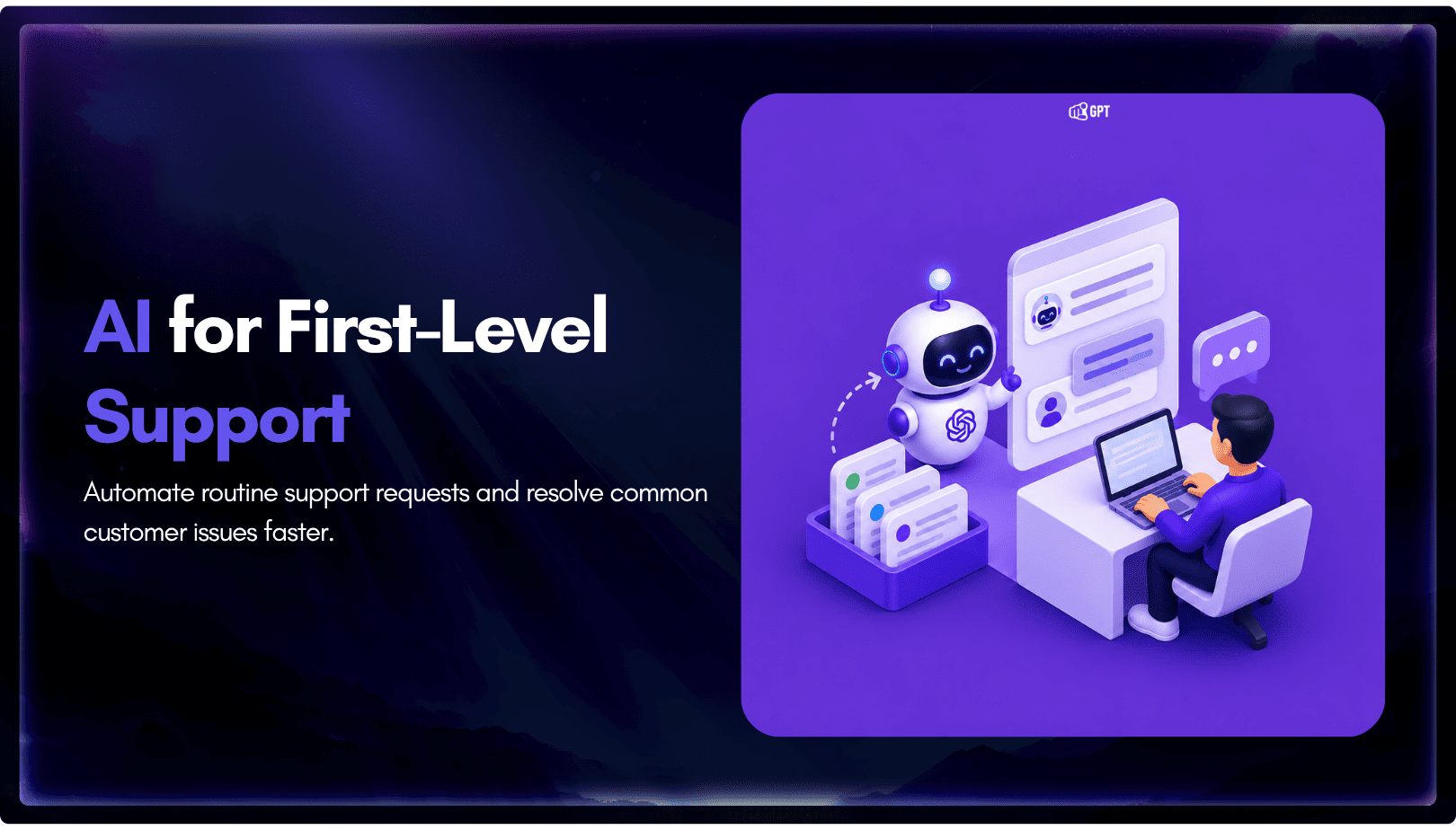
Tier 1 support handles first contact. See how Tiers 0 to 3 differ and what changes when an AI agent becomes your first line.
The 12 customer service metrics to track when an AI agent resolves tickets, with a formula for each and a baseline built from your own last month.