From Knowledgebase to Dynamic Actions: AI Chatbot Functions with Real-Time External Services

Rajni
Last updated on July 27, 2026
A chatbot limited to a static knowledge base can explain a return policy, booking process, or flight status, but it cannot check what is actually happening in real time.
A real-time AI chatbot connects to live external services during the conversation, allowing it to provide current order details, available appointment slots, prices, and other up-to-date information.
Before choosing a chatbot platform, businesses should test at least one live scenario, such as an order lookup, appointment availability check, or price enquiry, instead of assuming every AI chatbot handles real-time data in the same way.
Customer service chatbots have gotten good at fast replies. What most of them still can’t do is check anything real while the conversation is happening, a live price, an actual appointment slot, current stock on a specific item. That gap is what separates a chatbot that describes an answer from one that can actually confirm it.
A real-time AI chatbot closes that gap by connecting to external services mid-conversation. Instead of telling a customer to check the app for order status or call to confirm a booking, it pulls the current answer and completes the action inside the same chat window. That single difference changes what a chatbot is actually useful for, moving it from a first line of defense against repetitive questions to a tool that can resolve them outright.
This blog covers what makes a chatbot real-time instead of static, the practical difference it makes for both customer experience and support workload, and where the approach tends to fall short.
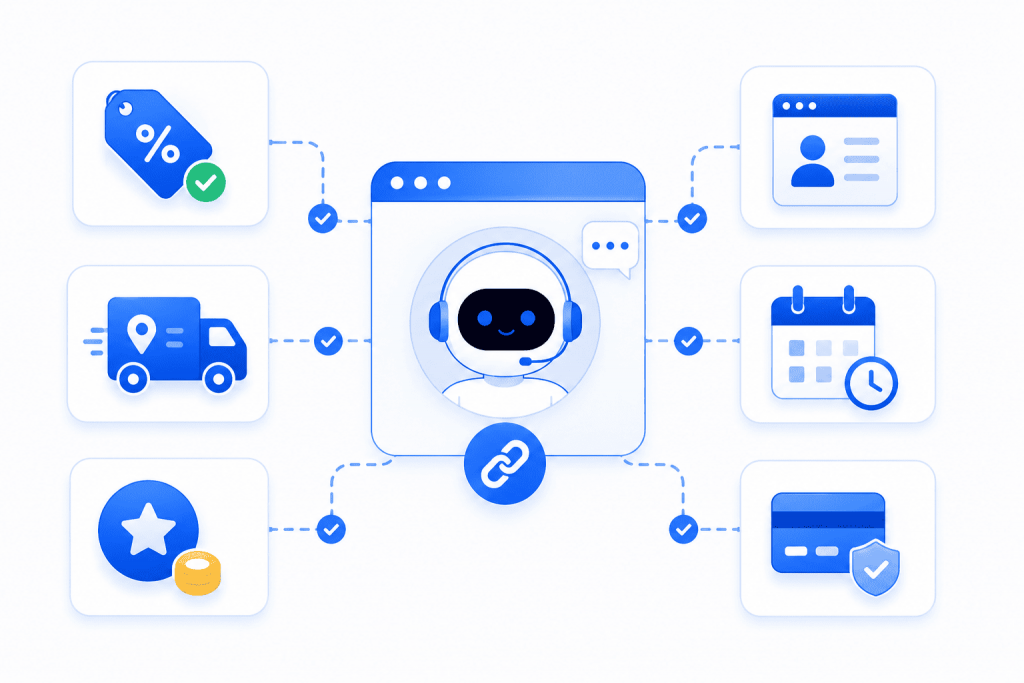
Connecting to an external service turns a chatbot from something that describes into something that checks. A few concrete examples show the range: confirming whether a discount code is still valid before checkout, checking a delivery window for an order already in transit, or looking up a customer’s loyalty point balance instead of pointing them to a separate account page.
The service on the other end can be almost anything with an API, a CRM, a scheduling tool, a payment processor, a shipping carrier’s tracking system. The value comes from the chatbot’s answer reflecting that system’s current state, rather than a description written whenever the knowledge base was last updated.
The value splits cleanly into what a business gets and what a customer notices, even though both come from the same underlying capability.
There’s a category of question no amount of better documentation ever fixes. Whether an item is in stock right now, whether a support ticket has moved to the next stage, whether a specific delivery slot is still open, none of these have a fixed answer to write down. A knowledge base can be perfectly written and still get every one of these wrong the moment the underlying system changes. Connecting to the live system directly is the only way to close that gap.
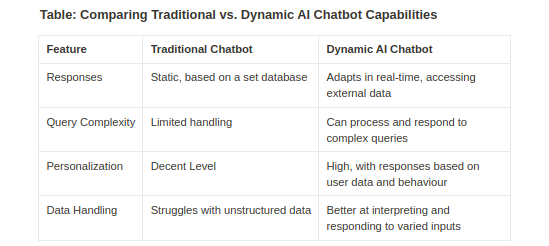
AI chatbots have transformed how businesses interact with their customers, offering instant responses to customers’ queries based on a predefined knowledgebase. However, this approach has its limitations.
By connecting to mobile apps, databases, messaging apps, and other systems via api integration, these chatbots can access a variety of business content to better serve customers.
Creating a dynamic AI chatbot that can understand, respond, and improve the user experience on your website is straightforward with the YourGPT Chatbot. This no-code, GPT-based chatbot builder allows for quick and easy setup. Here is how to get your AI chatbot up and running in just a couple of minutes:
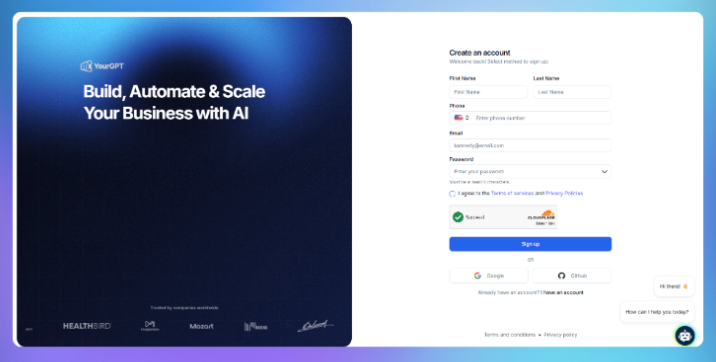
1. Sign up: Begin by visiting the YourGPT Chatbot website. Here, you will find the option to create a new account. Sign up by entering your details, ensuring you have access to all the features and functionalities offered by the platform.
2. Choose a Template: Once your account is active, go to the Chatbot Studio and explore the variety of pre-designed chatbot templates available, including Shopify, WooCommerce, and more. These templates were created to suit different business needs and objectives. Select one that aligns with your brand and the type of interactions you envision for your visitors.
3. Customise: After choosing a template, you can start customising your chatbot. The no-code builder provided by YourGPT Chatbot makes this process intuitive and user-friendly.
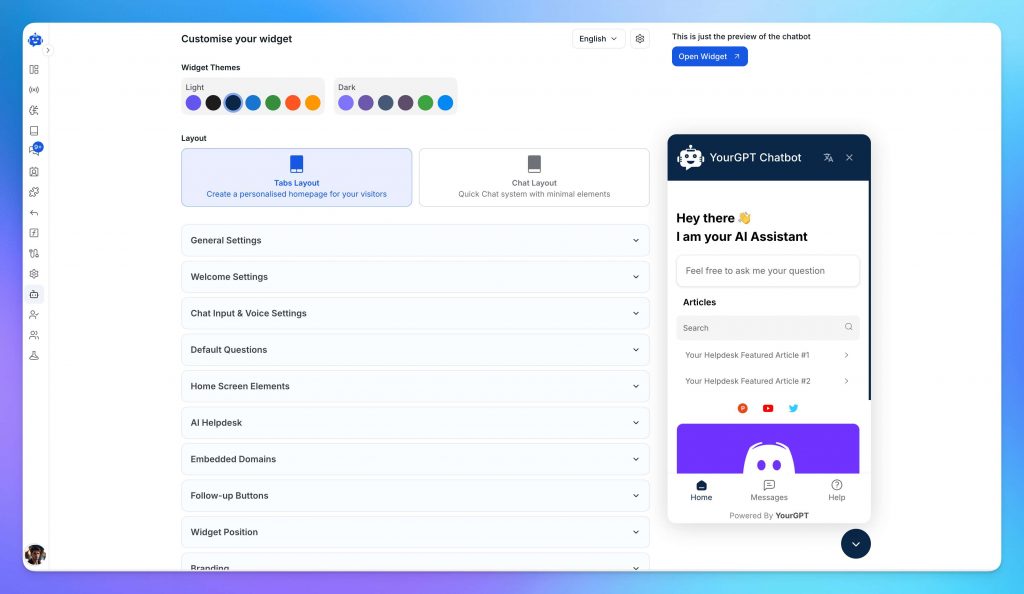
4. Integrate: With customisation complete, the next step is to integrate the chatbot into your website. YourGPT Chatbot generates a simple code snippet that you can embed into your site’s HTML. This process is designed to be straightforward, ensuring that even those with minimal technical expertise can successfully add the chatbot to their website.

5. Go Live: After integration, it’s time to activate your chatbot. With a click, your AI chatbot will go live, ready to interact with visitors in real time. Watch as it engages users, answers their queries, and provides a seamless experience, all without any additional input from you.
By following these simple steps, you can set up a dynamic AI chatbot that not only enhances the user experience on your website but also supports your business goals by improving business operations, engaging visitors, generating leads, and providing valuable insights. With YourGPT Chatbot, creating an intelligent, responsive, and customisable chatbot is quick, easy, and effective.
Suggested Reading
A real-time chatbot connects to external systems like CRMs, scheduling tools, or inventory databases during a conversation and responds with live information instead of relying only on previously trained or stored content.
Not necessarily. Most no-code chatbot platforms let you connect APIs, CRMs, databases, and scheduling tools through visual workflows instead of custom coding, provided the service offers an API.
Yes. A single conversation can retrieve information from multiple connected systems, such as inventory, shipping, or customer records, and combine the results into one accurate response.
No. Function calling is the technical process that lets an AI model request external actions or data. A real-time chatbot uses that capability to provide responses based on live information.
A well-designed chatbot should detect the issue and return a clear fallback message, informing users that the live data couldn’t be retrieved instead of providing inaccurate information.
They can be secure when access is limited to only the data and actions required. Following the principle of least privilege helps reduce security risks and protects sensitive business information.
The evolution of AI chatbots from static knowledge-base responders to dynamic, action-oriented assistants signifies a major leap forward in customer service. By integrating with real-time external services, chatbots have transcended their initial capabilities, now offering personalised interactions and executing tasks beyond mere inquiries, such as booking appointments or processing payments instantly.
This shift not only benefits businesses by automating complex tasks and alleviating the burden on human agents, but it also enhances the customer experience by providing swift, precise responses tailored to individual needs and preferences. Chatgpt customer service chatbot solutions help automate customer service, so businesses can scale up their support and meet changing customer needs.
The creation of dynamic AI chatbots with a no-code builder is straightforward and accessible, helping businesses improve user experiences, engage visitors, generate leads, and gather valuable insights with minimal effort. Use GPT chatbots conversational ai technologies to deliver more natural, improved customer engagement, streamline business operations, and scale with ai automation.
TL;DR AI is now part of most SEO workflows, but the real advantage comes from using it within a disciplined process rather than simply producing content faster. As Google AI Overviews and tools like ChatGPT answer more queries directly, content must be structured to earn both traditional search rankings and citations from AI assistants. AI […]

TL;DR Restaurant AI agents help reduce staffing pressure by handling reservations, food orders, and customer inquiries around the clock without increasing headcount. Unlike basic chatbots, they integrate with booking systems, POS platforms, and messaging channels to automate reservations, order processing, and routine customer support. The biggest benefits include automated reservation management, order intake across phone, […]
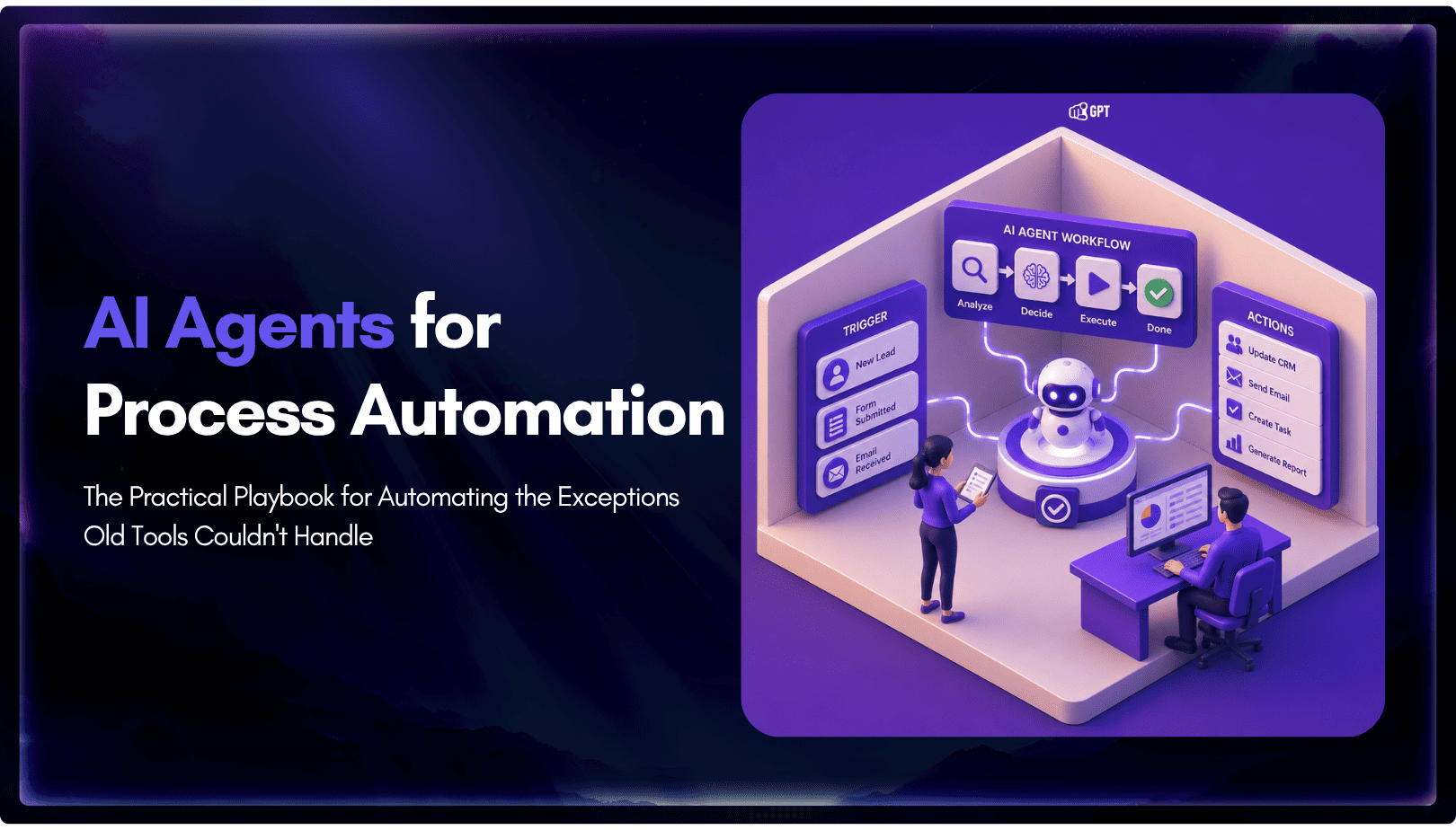
TL;DR Business process automation with AI agents lets software plan multi-step work, call tools, and handle exceptions instead of following fixed scripts like traditional RPA. AI agents can adapt when a process changes, but that flexibility also requires clear permission boundaries, reliable data, and human oversight for consequential actions. Start with one repetitive process, document […]
TL;DR AI web scraping replaces hardcoded selectors with an agent that reads a page, decides what matters, and returns structured output, even after the layout changes. Script-based scraping is being layered with agent-based extraction. Scripts still fetch the page. The model decides what to keep. A fetch layer renders the page, a conversion step strips […]
TL;DR The Shift: Support bots used to answer questions. In 2026, AI agents resolve them by reading live order and carrier data, then taking direct action. They can issue refunds, update addresses, and close WISMO tickets without human involvement. The Stakes: WISMO and refund requests already account for a large share of a typical support […]
TL;DR A customer experience strategy is a documented plan for how people, process, and technology work together across every customer touchpoint, not just a support-team initiative. Strong CX optimization can drive 5 to 10 percent revenue growth and reduce costs by 15 to 25 percent within two to three years, making it an executive-level priority. […]