Custom Telegram GPT Bot Building Guide (Guide)

Neha
Last updated on July 28, 2026
Building an AI-powered Telegram bot does not require custom development.
BotFather provides the Telegram bot token, while a no-code platform like YourGPT handles AI training, free-form conversations, and the Telegram connection.
This guide covers the full setup, from creating the bot in BotFather to connecting it with YourGPT and taking it live.
Most Telegram bots still work the way bots did a decade ago. A user types a slash command, the bot matches it against a fixed list, and anything outside that list gets a generic fallback. That’s fine for simple utilities, but it breaks down fast for customer support, where questions rarely arrive in the exact phrasing a command was built for.
GPT-powered bots remove that constraint. Instead of matching commands, they read free-form messages, hold context across a conversation, and pull answers from a business’s actual documentation rather than a fixed script. Building one used to mean writing code against Telegram’s Bot API directly. That’s no longer the case: BotFather still issues the required token, but a no-code platform can now handle the AI layer entirely.
This blog walks through the full setup, from registering a bot with BotFather to training it and connecting it to Telegram.
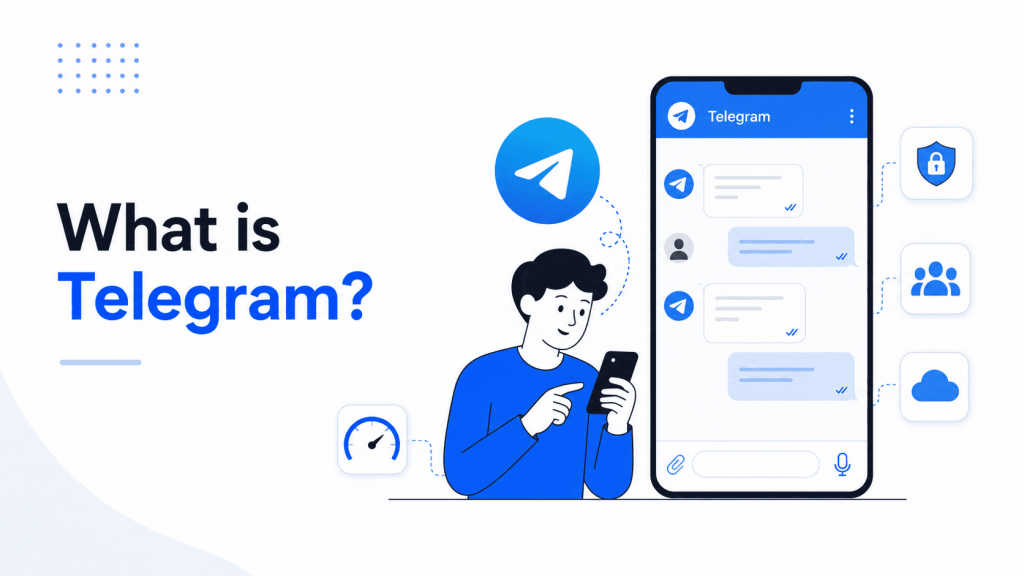
Telegram is a cloud-based instant messaging app that focuses on speed and security. It allows users to send messages, photos, videos, and files of any type, and it also supports voice and video calls.
Telegram’s features include group chats, channels, and the ability to create and deploy bots, making it a versatile platform for communication and automation.

Telegram BotFather is the official tool used to create and manage bots on the Telegram platform.
It helps you generate a new bot, get a unique API token, and set up essential details like the bot’s name, description, and profile picture.
You can also configure commands, adjust privacy settings, and manage basic functions directly through BotFather. If you’re building a Telegram bot, this is always the first step.
Most Telegram bots are command-based. You type /help or /start, and the bot replies with a pre-set response. Useful, but limited.
GPT-powered bots are different.
They understand free-form language, follow context, and respond like a human would. Here’s what sets them apart:
If you’re looking to move beyond basic automation, GPT-powered bots are a major upgrade.
Five steps connect a trained AI agent to Telegram, starting with a bot registration in BotFather and ending with the integration switched on. No custom code is required at any point.

Start by creating an account on YourGPT.
It’s a no-code chatbot builder that connects directly to Telegram and supports GPT, Claude, Gemini, and other AI models.
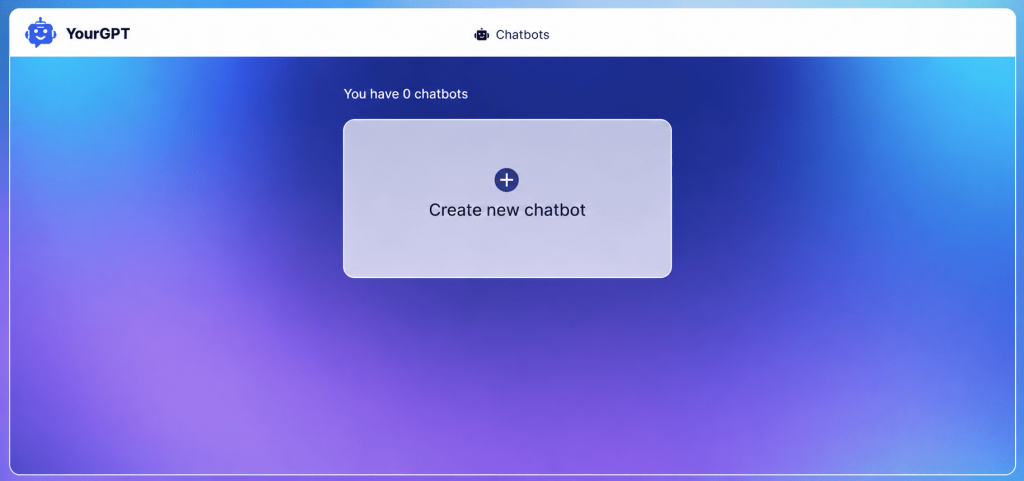
After signup, head to “Chatbot” and click New Bot.
Give your bot a name, upload your documents, and configure your custom bot persona.
You’re now ready to connect it with Telegram.

Open Telegram → Search @BotFather → Type /newbot and follow the steps.
You’ll get a unique Telegram Bot Token. Keep it safe—you’ll need it next.
Go to Integration → Telegram in YourGPT. Paste your bot token and hit connect button.

Once connected, turn on Telegram inside YourGPT. Your bot is now live and ready to chat with users.

Expand Your Bot’s Reach:
You can add your AI bot to Telegram groups to manage conversation flows, respond to queries, and facilitate community engagement.
For details on integrating bots in group settings, see How to Add AI Bot to Telegram Group.
A Telegram bot is an application that operates inside Telegram. Users can interact with it through messages, commands, buttons, and inline requests. It can answer questions, send reminders, automate tasks, and provide AI-powered support.
Read the YourGPT Telegram integration guide for detailed setup instructions.
Look for no-code setup, knowledge-base training, reliable Telegram integration, conversation controls, analytics, human handoff, and support for multiple AI models. YourGPT combines these capabilities in one platform.
YourGPT uses Retrieval-Augmented Generation, or RAG, to answer business-specific questions.
This helps the bot answer from the business’s actual content instead of relying only on general model knowledge.
Yes. You can connect your website and upload business content such as:
You can update these sources as your business information changes.
Yes. YourGPT supports omnichannel deployment, allowing the same AI chatbot and knowledge base to be used across:
Building a Chat GPT Telegram bot with YourGPT Chatbot Integration is a straightforward and efficient process that brings advanced customer interaction and support to your business.
By using the power of Telegram and chat GPT, you can create a dynamic bot capable of enhancing customer support, providing engaging conversations, and unlocking a multitude of creative possibilities.
Experience the benefits of a fully GPT system on Telegram build your custom bot today.
Calculate cost per ticket with one formula and a free calculator, then compare it with the cost of a conversation an AI agent resolves.

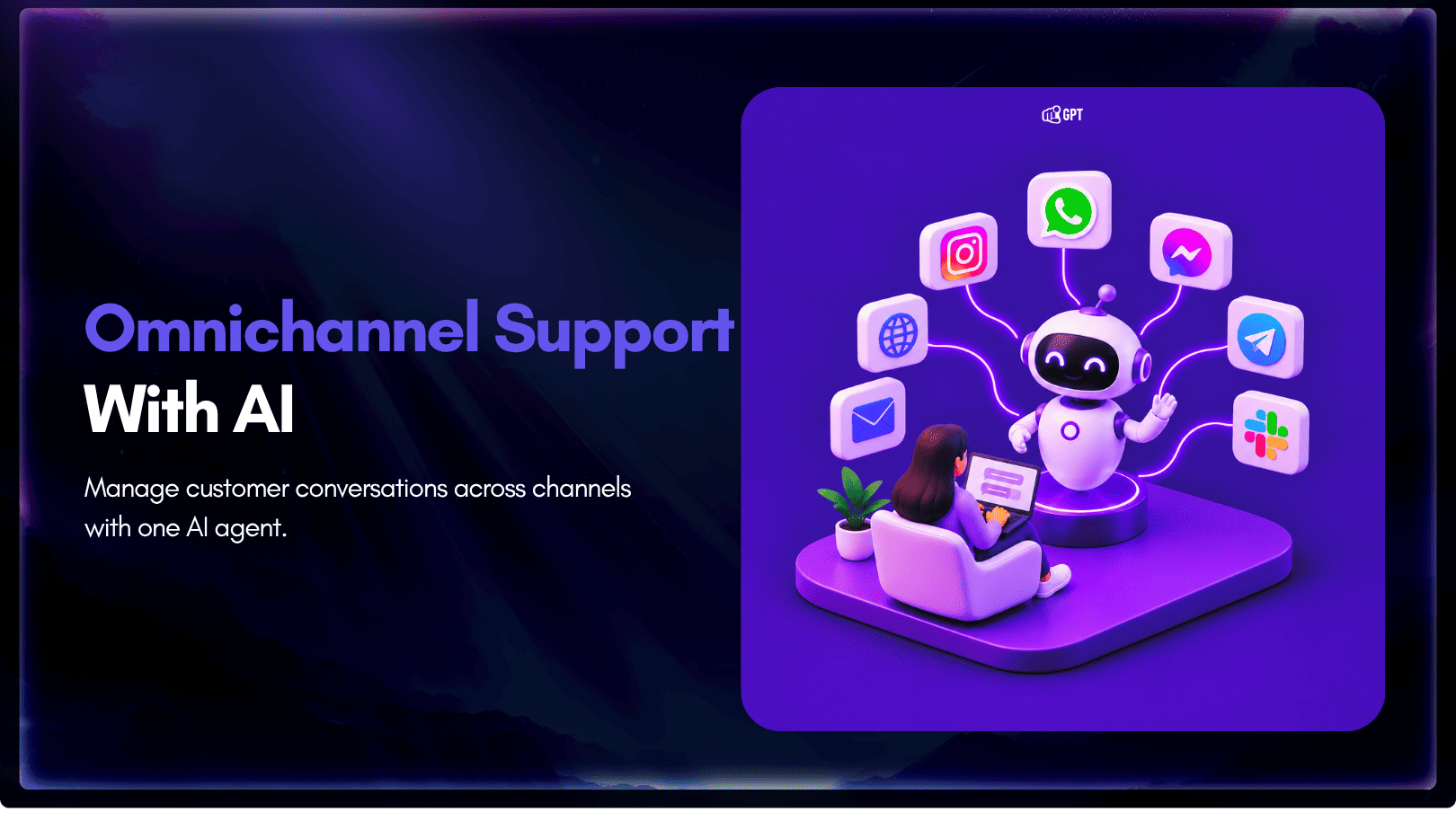
Omnichannel support means every channel answers from the same knowledge. Train one AI agent, pick your first channel, and test that answers match.

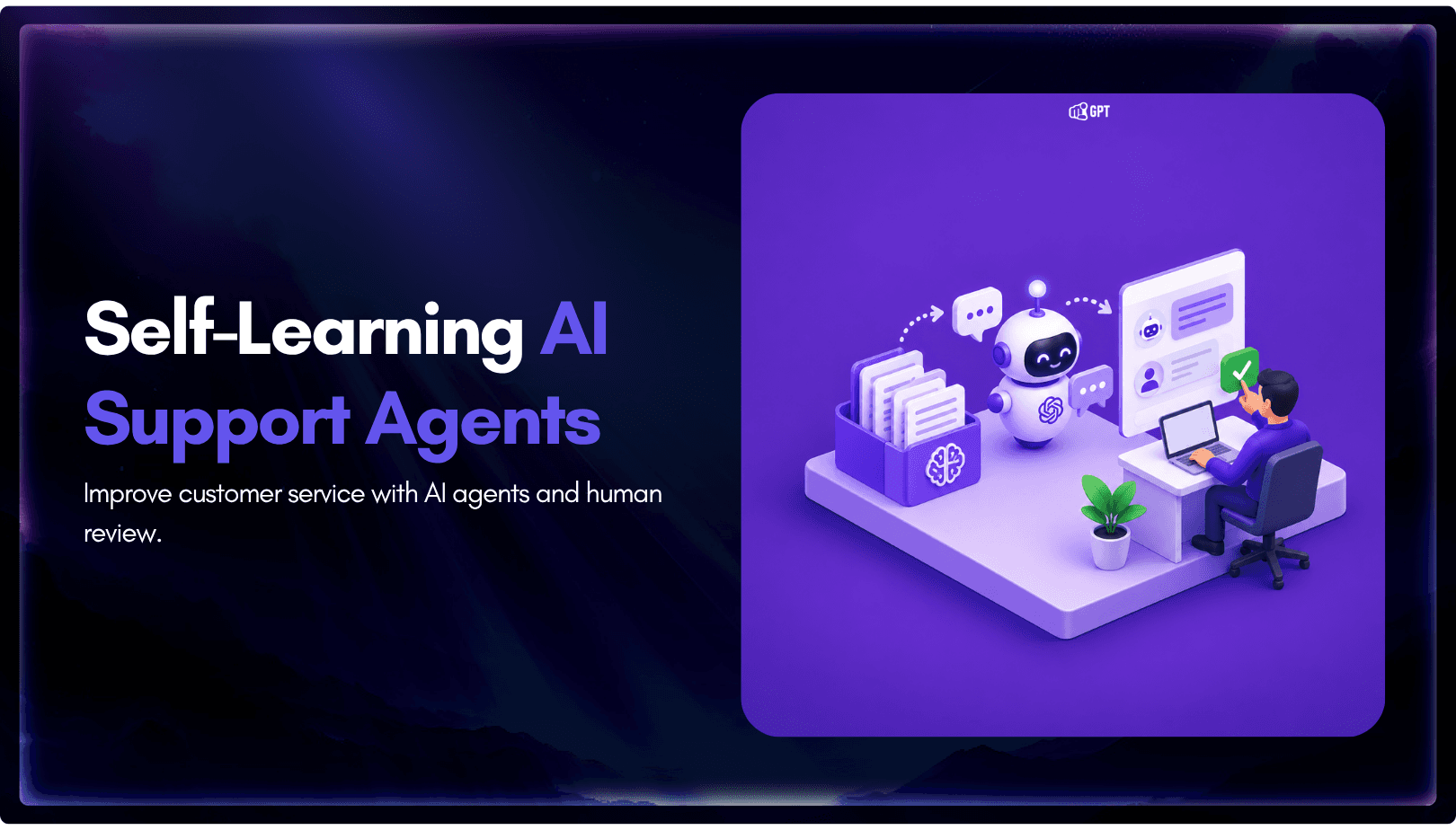
Self-learning AI agents log the questions they miss. Learn how human review turns those gaps into trained answers and how to run the weekly loop.
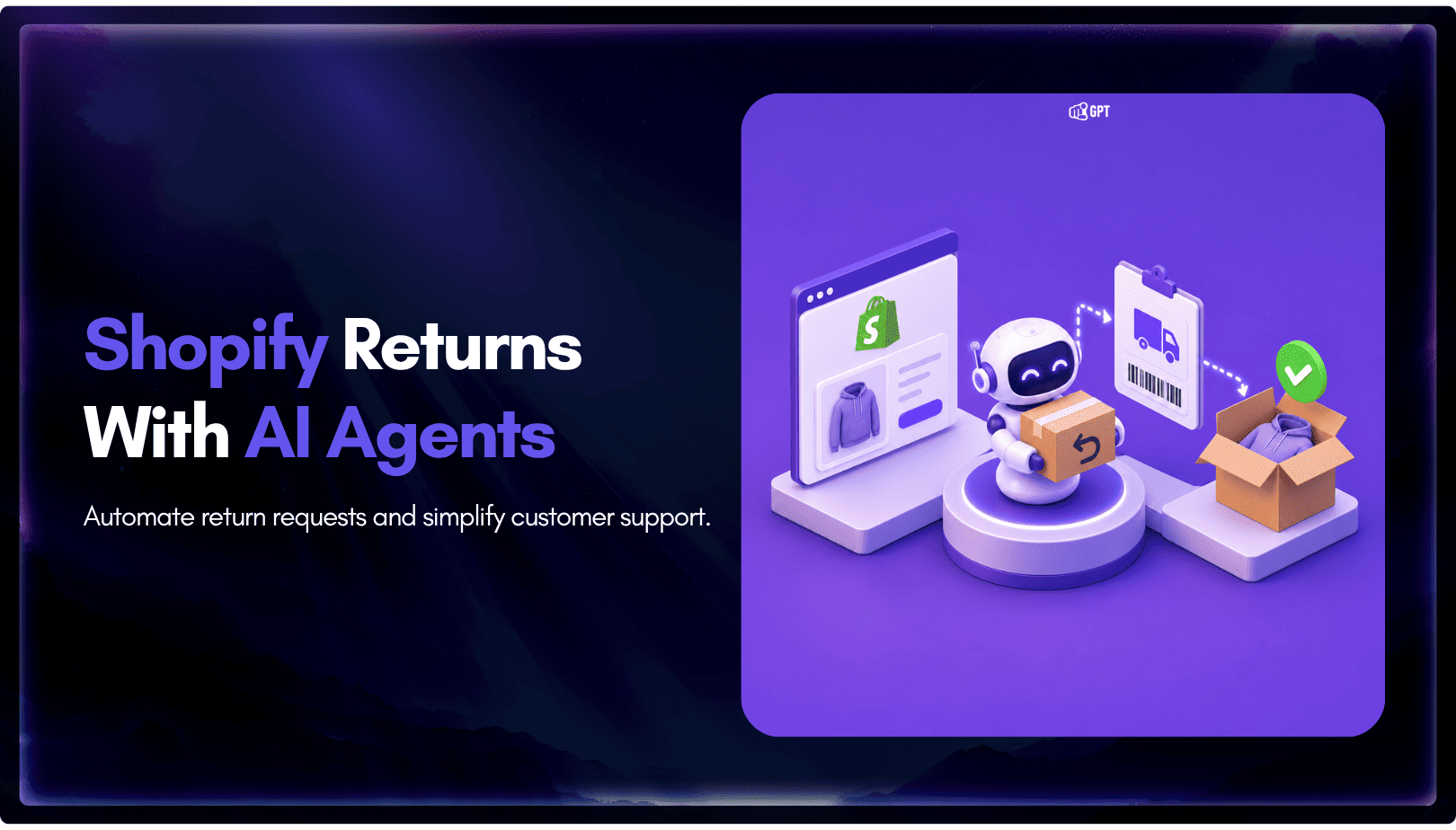
Train an AI agent on your return policy, connect the Shopify template in AI Studio to check real orders, and route exceptions to your team.
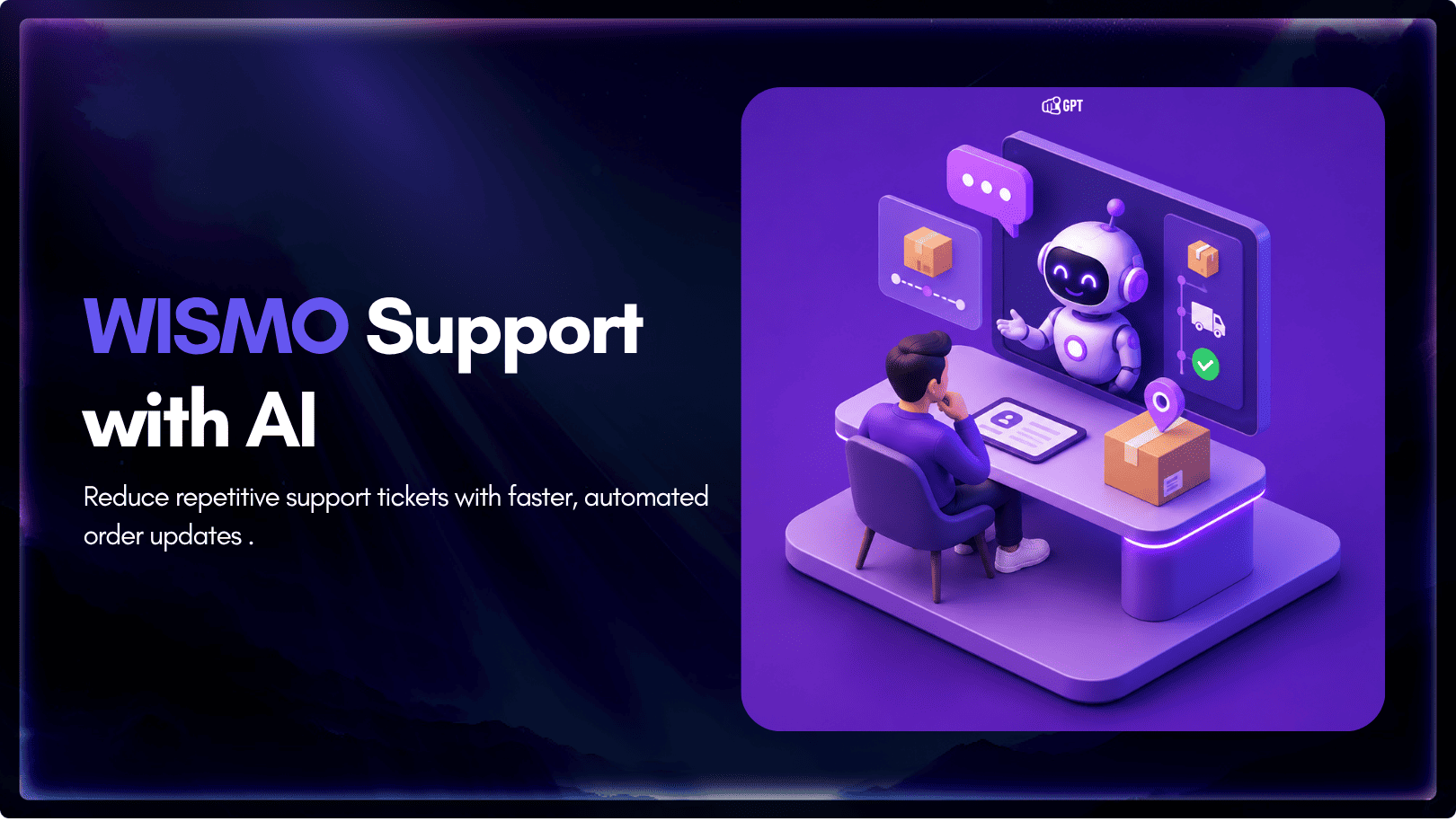
WISMO means Where Is My Order. Measure your WISMO share from last month’s tickets, fix the tracking gaps, and let an agent answer order status.
Run WordPress customer service alone. Train a YourGPT agent on your help pages, test it on real tickets, install the plugin, and get only the exceptions.
