Best 6 Alternatives to BotStar for Customer Support in 2026

Rajni
Last updated on April 24, 2026

BotStar handles basic chatbot flows, but as support grows, teams need faster setup, better integrations, and systems that can handle real customer workflows without constant manual updates.
YourGPT and LiveChat stand out as the top choices YourGPT for AI-first automation across channels and workflows, and LiveChat for reliable, real-time human support.
The right platform depends on whether you want to reduce support workload with automation or maintain direct human interaction, but both options help improve response time and customer experience.
BotStar is a popular chatbot platform that helps businesses create conversational experiences using a visual flow builder. It works well for basic chatbot setups and marketing-driven interactions, especially for teams just getting started with automation.
That said, many businesses find BotStar limiting as their customer support needs grow. The setup and customisation can feel time-consuming, integrations may not cover all workflows, and handling real support scenarios often requires more flexibility than the platform offers.
If you’re looking for a solution that is easier to manage, supports advanced automation, or integrates more deeply with your existing tools, there are several strong alternatives worth considering.
In this blog, we review six BotStar alternatives for 2026, comparing their features, use cases, and strengths to help you find a platform that better fits your customer support requirements.
BotStar works well for basic chatbot flows and lead capture, but limitations start to appear when handling real customer support workflows at scale.
| Rank | Platform | Best For | Quick Take |
|---|---|---|---|
| 1 | YourGPT | AI-first support, sales, and ops automation | Best for teams that want no-code AI agents, omnichannel support, and automation that handles real tasks. |
| 2 | LiveChat | Real-time human support | Reliable live chat with strong agent tools, custom widgets, and reporting for direct customer interaction. |
| 3 | Drift | Sales conversations and engagement | Focused on lead qualification, real-time chat, and meeting booking for B2B teams. |
| 4 | Chatfuel | Social media chatbot automation | Best for Messenger and Instagram automation, mainly for marketing and lead capture. |
| 5 | Cognigy.AI | Enterprise AI automation | Built for large-scale automation with advanced NLU, voice AI, and deep integrations. |
| 6 | Ochatbot | eCommerce chatbot and sales support | Designed for online stores with product recommendations, cart recovery, and shopping support. |
We’ll compare each option by features, pricing, and why teams choose it.

YourGPT is an AI-first platform that helps businesses run customer support, sales, and operations using AI agents trained on their own data. It combines a no-code agent builder, a unified inbox for multi-channel conversations, and smooth AI-to-human handoff so teams can automate repetitive questions while keeping full control over complex cases. It also supports voice agents for real-time calling use cases, making it useful for businesses that want more than a basic website chatbot.
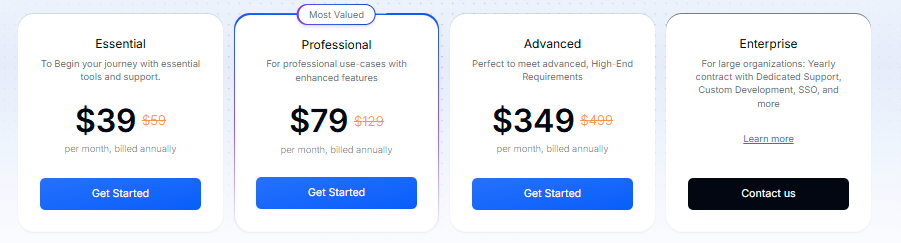
Businesses that want to move beyond basic chat automation and handle real workflows with AI, while keeping human agents in control for edge cases. YourGPT works well for teams that need multi-channel support, faster resolution, and a single place to manage AI and human conversations.
Why choose YourGPT over BotStar?
While BotStar focuses on chatbot creation, YourGPT delivers a full AI suite combining chat, voice, AI Studio, live agent handoff, and analytics in one platform. It’s built for businesses that need more than just chat offering end-to-end automation across support, sales, and operations without juggling multiple tools.
Discover how YourGPT AI chatbot can streamline your customer service

LiveChat is a customer service platform that enables real-time chat conversations between businesses and website visitors. It focuses on human-led support rather than AI automation, making it suitable for teams that want direct, live interaction with customers. LiveChat is commonly used by support and sales teams that need quick responses and clear visibility into ongoing conversations.
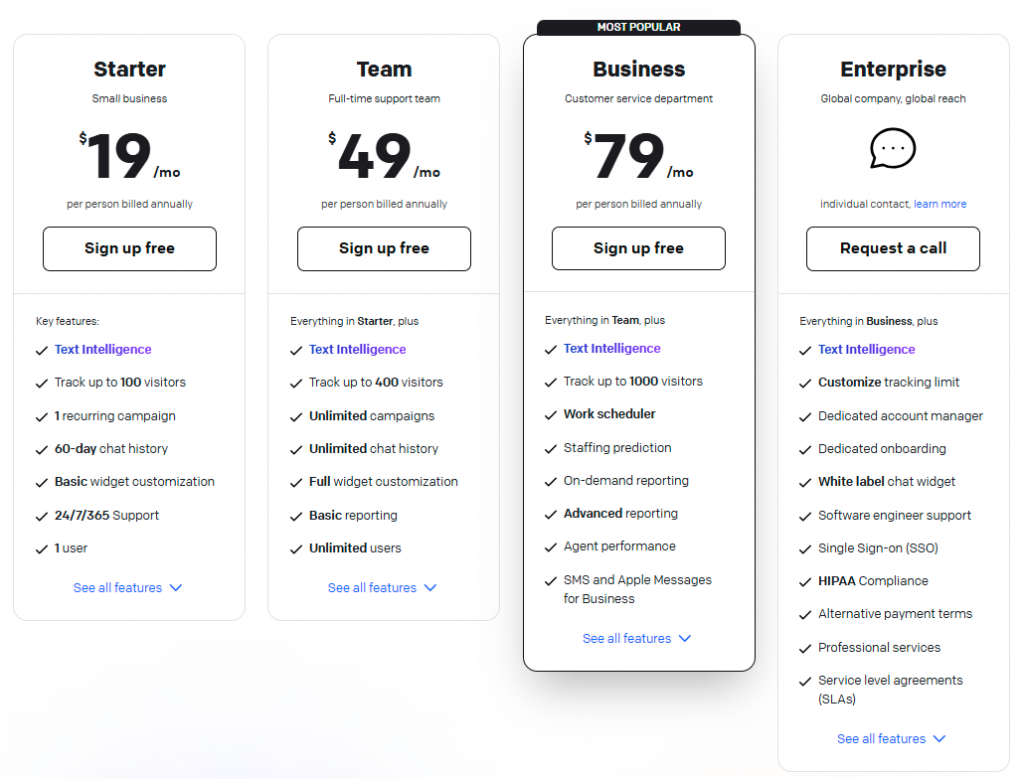
LiveChat is ideal for businesses that rely on real-time, human-led customer support and want a simple, reliable live chat solution without complex AI automation. It works well for small to mid-sized teams focused on direct engagement rather than automated workflows.
See Alternative to Live Chat.

Drift is a conversational marketing platform designed to help businesses engage website visitors through real-time chat and AI-powered conversations. It is primarily focused on sales and revenue use cases rather than customer support, making it popular among B2B companies that want to qualify leads, book meetings, and accelerate deal cycles through conversational experiences.
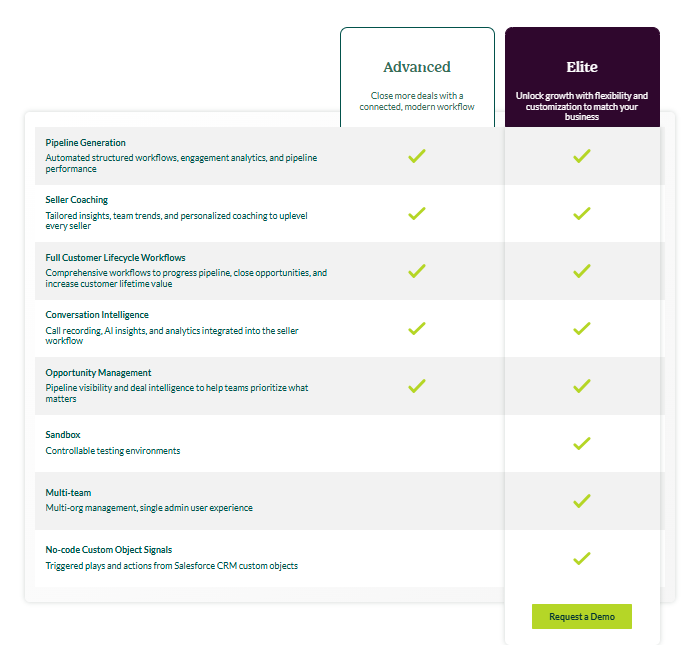
Drift is best suited for B2B companies with sales-led growth models that want to use conversational chat to qualify leads, engage target accounts, and optimise sales processes through personalised interactions rather than traditional support workflows.

Chatfuel is a chatbot platform primarily built for creating bots on Facebook Messenger and Instagram. It is designed to help businesses automate social media conversations, capture leads, and respond to common customer enquiries without technical setup. Chatfuel is widely used by marketing teams focused on engagement and lead generation rather than full customer support workflows.
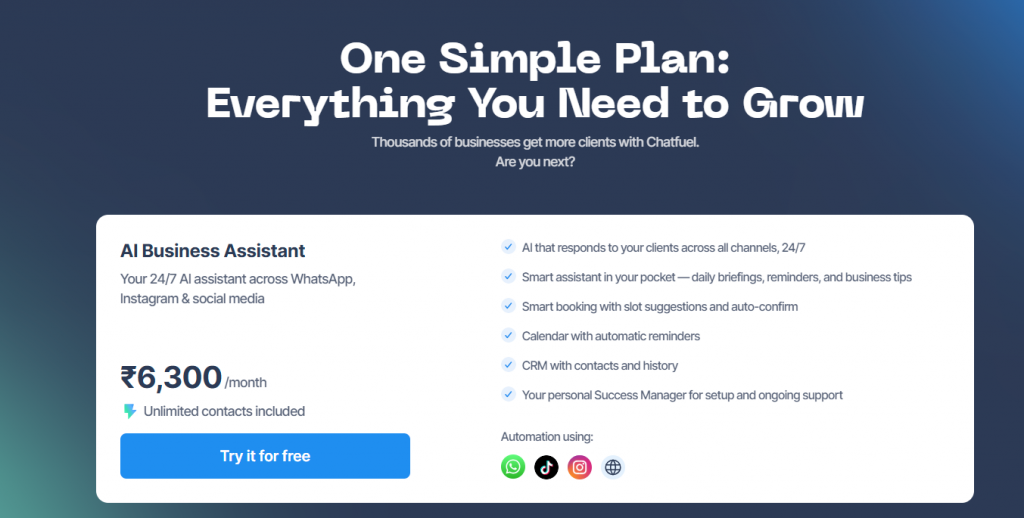
Chatfuel is best suited for businesses that focus on social media engagement, lead capture, and marketing automation on Facebook and Instagram, rather than teams needing omnichannel customer support or advanced AI-driven workflows.

Cognigy AI is an enterprise-grade conversational AI platform built for large-scale automation across customer service and operational use cases. It focuses on advanced natural language understanding and complex conversation orchestration, making it suitable for organisations with high volumes, multiple systems, and strict requirements around performance and control.
Cognigy AI uses custom pricing based on organisation size, usage volume, and deployment requirements. Pricing is typically positioned at the enterprise level.
Cognigy AI is best suited for large enterprises that need advanced AI automation, deep system integrations, and support for high-volume, multi-channel customer interactions across both text and voice.

Ochatbot is an AI chatbot platform focused on eCommerce use cases, designed to help online stores engage shoppers and increase conversions. It is commonly used to assist customers during browsing and checkout, providing product guidance and support that drives sales rather than handling general customer service workflows.
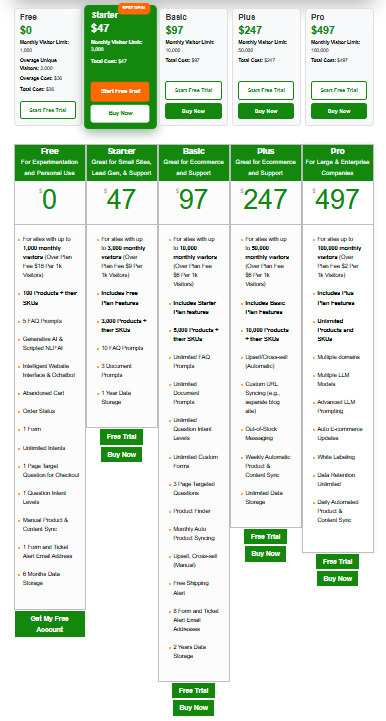
Ochatbot is best suited for eCommerce businesses that want to improve customer engagement during shopping journeys and increase conversions through automated product guidance and cart recovery.
You’ll notice BotStar might no longer be right when small updates take too long, flows feel too manual, or bots struggle with real customer queries. If your bot becomes less helpful as support volume grows, that’s a clear sign to consider alternatives.
Platforms like YourGPT AI Chatbot and Cognigy AI focus on solving issues from start to finish. They reduce ticket volume by resolving common problems without human involvement, rather than just speeding up responses.
Yes—if your team is repeatedly answering the same questions, switching to a platform that combines AI and live agents can reduce repetitive work while preserving quality support for complex cases.
For sales-focused use, Drift excels for B2B lead conversion, while Chatfuel is ideal for engaging social media traffic. These platforms prioritize conversations that drive revenue rather than post-purchase support.
Not necessarily. While enterprise tools offer more flexibility and power, they also demand more setup, training, and budget. Smaller teams often benefit more from simpler tools that fit their current workflow.
Integrations are critical. If your bot can’t access order info, CRM details, or ticket history, agents have to switch tools constantly, slowing down responses and frustrating both staff and customers.
Yes, as long as AI handles predictable questions and hands off seamlessly when needed. The best systems include context-rich handoffs to humans, avoiding the frustration caused by bots pretending to know everything.
For eCommerce, Ochatbot is great for product discovery and checkout support. Broader platforms are better if you also handle returns, shipping, and multichannel post-sale support.
Cheaper tools often solve single problems like live chat. Premium platforms support full automation, voice, analytics, and deeper integrations. Pricing reflects how much manual effort the tool removes from your workflow.
Test platforms using real customer questions from your inbox. Don’t rely only on demos. The best tool is the one your team uses easily and that resolves issues faster with minimal setup.
BotStar can work for certain use cases, but as customer communication becomes more complex, many businesses find its setup and feature limitations restrictive. Teams often need tools that are easier to manage, integrate more smoothly with existing systems, and support real workflows rather than basic automation.
The alternatives covered in this guide, YourGPT AI Chatbot, LiveChat, Drift, Chatfuel, Cognigy AI, and Ochatbot, address different needs across support, sales, marketing, and eCommerce. Some focus on real-time human chat, others on social engagement or enterprise automation, while platforms such as YourGPT combine AI, voice, and human handoff in a single system.
The best choice depends on what you want to improve today. If your goal is faster resolutions and reduced manual effort, AI-first platforms are a strong option. If sales conversations or social engagement are more important, specialised tools may be a better fit. Testing these platforms with real customer scenarios will help you choose a solution that improves customer experience, supports daily operations, and scales with your business.
If BotStar feels limited or hard to scale, switch to an AI-first platform built for real customer workflows. YourGPT helps teams automate support, reduce repetitive work, and manage conversations across every channel with full control.
Built for teams that want simpler setup, better automation, and scalable customer support
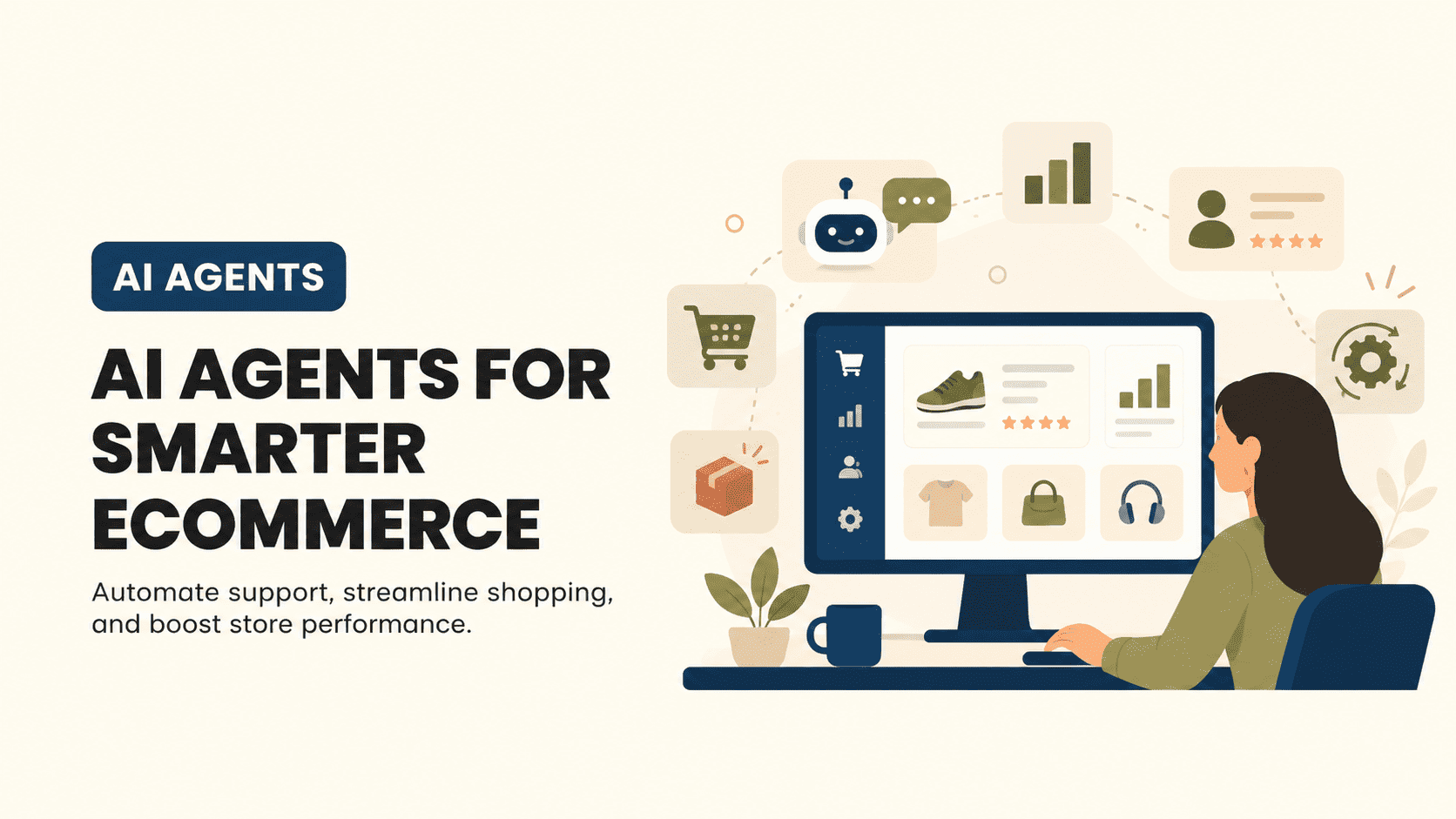
The reader can shortlist one or two platforms by primary job, existing stack, action depth, handoff, governance, and billing unit.

A practical breakdown of Gorgias Helpdesk and AI Agent pricing, including what counts toward each allowance, how to compare plans and how to budget with your own volumes.
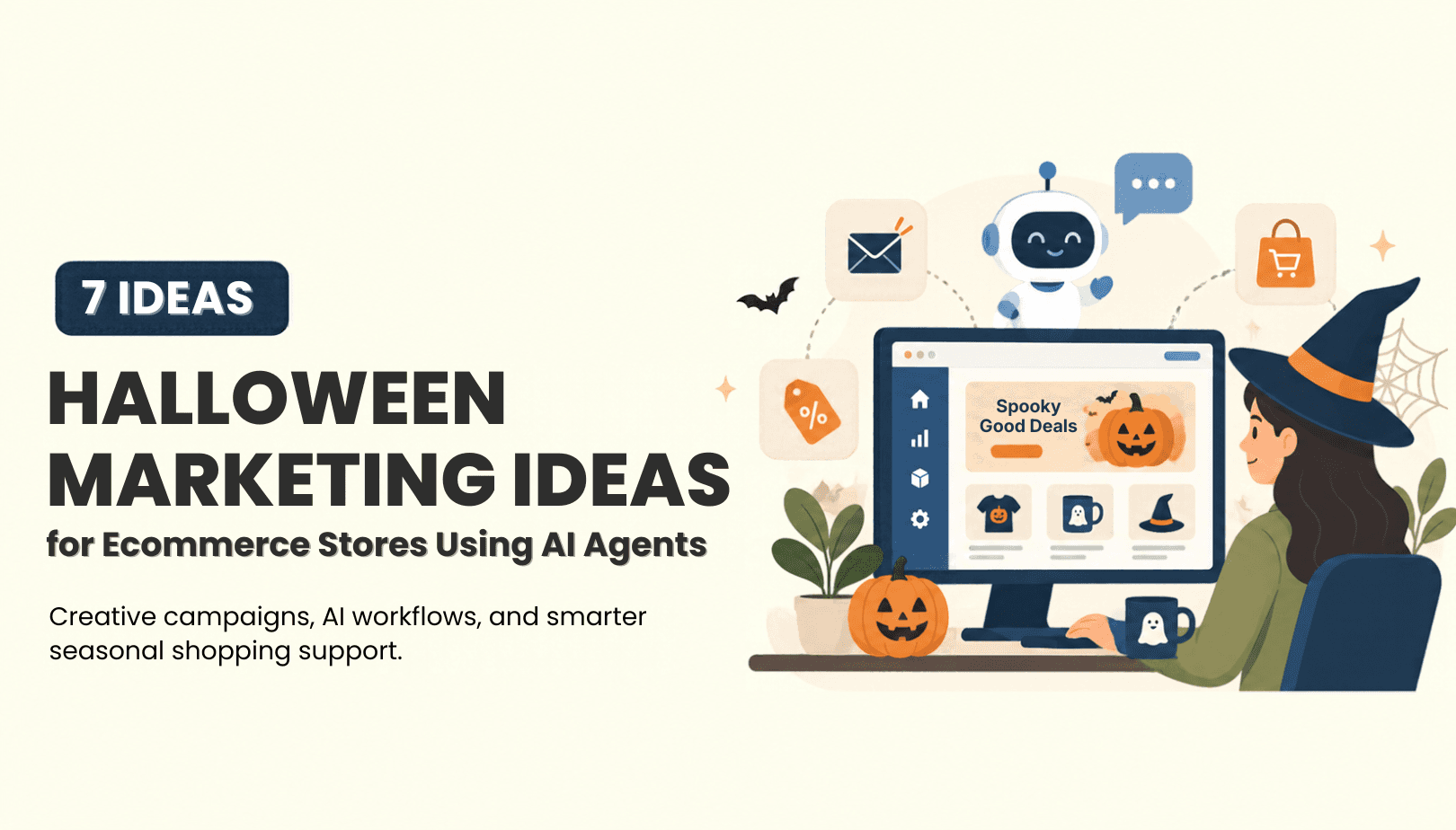
Choose Halloween ecommerce campaigns that fit your products, with AI agent workflows, offer worksheets, launch tests and order measurement.
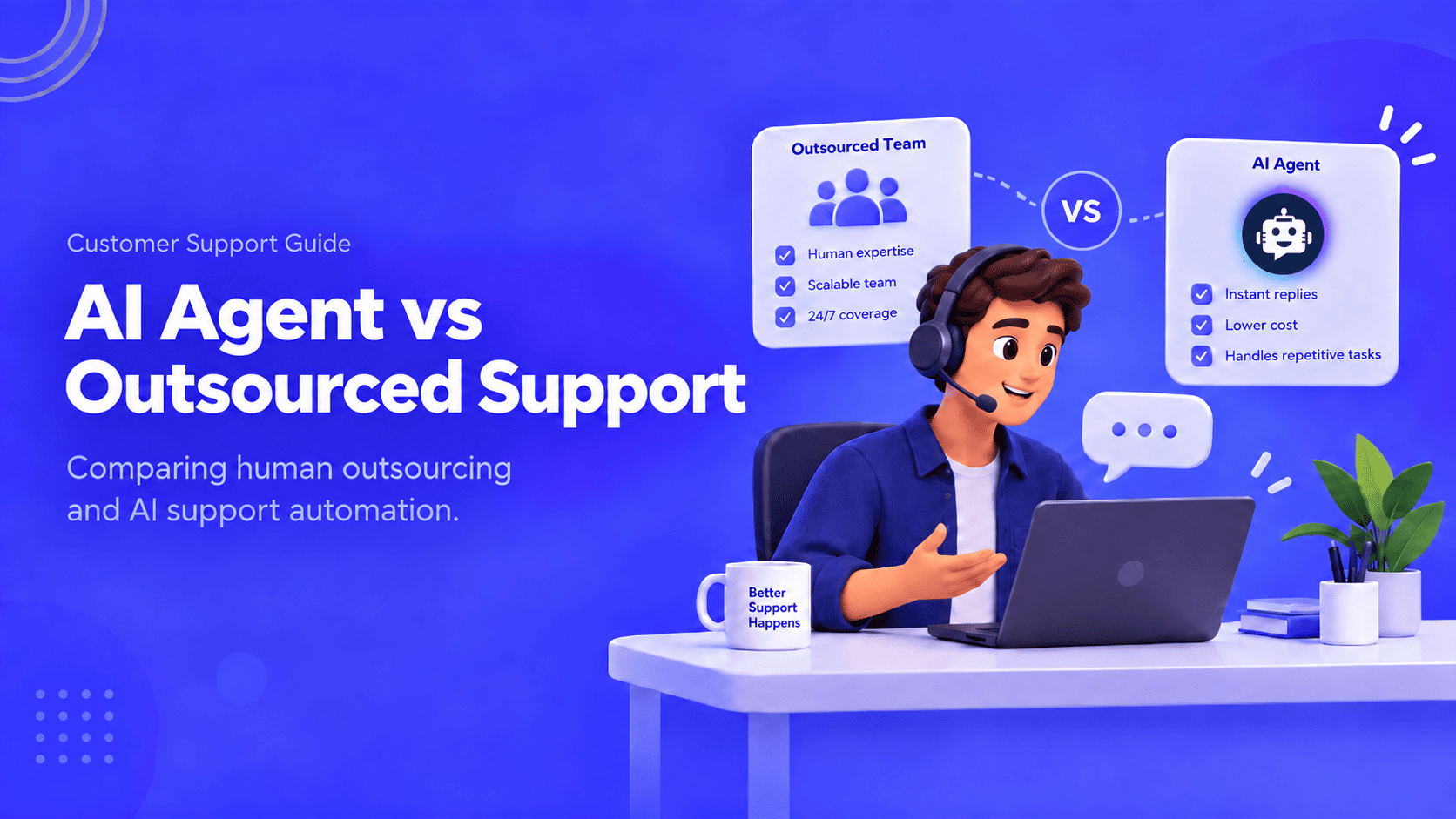
Compare outsourcing customer service with an AI agent using your own ticket mix, a cost model you fill in, and a clear rule for a hybrid split.
Export the Zendesk ticket archive, train an AI Agent on the help center, and test one real ticket before you stop the old queue.


Compare six Yuma alternatives by ecommerce capabilities, helpdesk compatibility, pricing and human handoffs to choose a replacement for your support team.
