
A Smarter Alternative to Tidio and Lyro AI
How do YourGPT's AI and features compare to Tidio? Lyro is a paid add-on billed by the AI conversation. YourGPT is a no-code AI agent platform with a self-learning multi-agent system that resolves up to 90% of repeated queries with its AI agents included from day one. Everything is compared below.
7-day free trial · No per-conversation billing · No credit card required




YourGPT vs Tidio, feature by feature
Both handle chat on your site, but knowledge training, real actions, voice, and the pricing model are where they diverge.
Training Data SourcesLimitedFull coverage
Omnichannel DeploymentLimitedFull coverage
Pricing, Security & SetupWhat it costs to scale, how it handles data, and what it takes to launch.
The real unit economics
Cost calculator: what you pay at scale
Set your monthly conversation volume and team size. Tidio meters billable conversations on the base plan and sells Lyro AI as a separate quota on top, while YourGPT is a flat plan with AI credits included.

Your setup
Estimate Tidio (Lyro AI) vs YourGPT at your own volume.
Estimated from 2,000 conversations and 5 team members each month. Tidio (Lyro AI) & pricing data last verified July 2026.
Estimated cost

Tidio (Lyro AI)
Growth + Lyro AI
$3,830/yr
- Growth plan (2,000 handled conversations)$590
- Lyro AI add-on (2,000 AI conversations)$3,240

YourGPT
Professional plan
$948/yr
- Professional planflat rate: 30M AI credits, up to 5 team members included$948
Save $2,882/yr, 75% less than Tidio (Lyro AI).
Start free trialFlat pricing, switch AI models anytime, no per-resolution fees.
- Two meters run at once: every handled conversation prices the base plan, and every AI conversation prices the Lyro add-on.
- Growth is a “from” price that scales with billable conversation volume.
- Lyro tiers are published up to 1,000 conversations; beyond that is extrapolated and usually pushed to Plus/Premium.
Tidio runs two meters at once: a base plan sized by handled conversations, plus Lyro AI as a separate quota. YourGPT is the cheapest plan whose credits and seats cover your volume, topped up with $7 credit packs.
Where YourGPT and Tidio pull apart
Both put a chat window on your site, but the job is different. Resolution depth, pricing that meters conversations, real actions, and voice are where the decision is actually made.
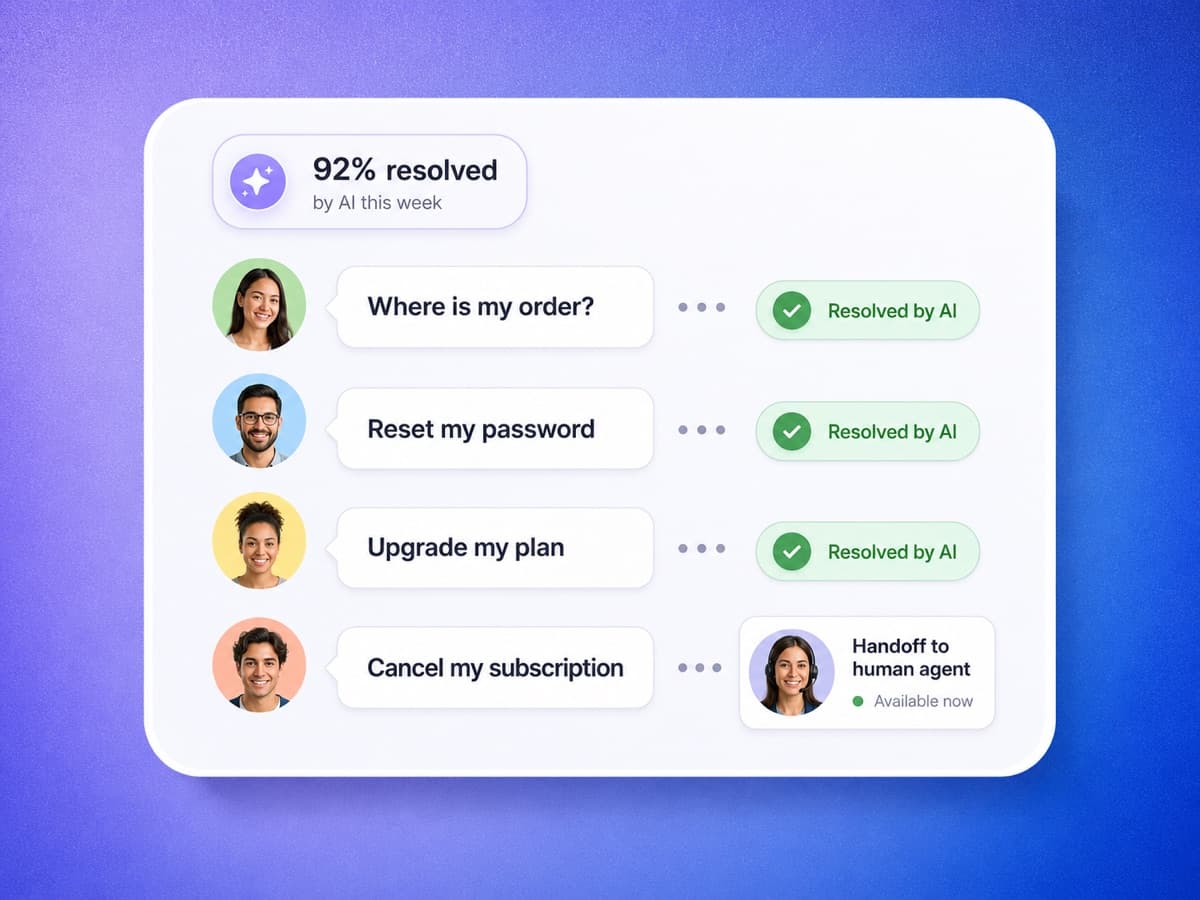
Resolves up to 90% of repeated queries, and climbs with integration
Lyro is a capable FAQ answerer for a small site. It replies from your support content and hands the rest to your team, and Tidio's own Premium tier guarantees a 50% Lyro resolution rate. YourGPT trains on your knowledge base, docs, and APIs, so it resolves up to 90% of repeated queries on its own, and the deeper you integrate it, the more it closes end to end.
Up to 90% on repeated queries
Common, recurring questions get resolved without a human in the loop.
Trained on your knowledge base
Ingests your help center, docs, and APIs, not just a Q&A layer over your site.
Complex issue handling
Multi-step reasoning and actions handle cases a single scripted reply cannot.
Model-agnostic engine
Runs on the best available model under the hood, so quality is never tied to one vendor.
Flat cost, not a bill that meters every conversation
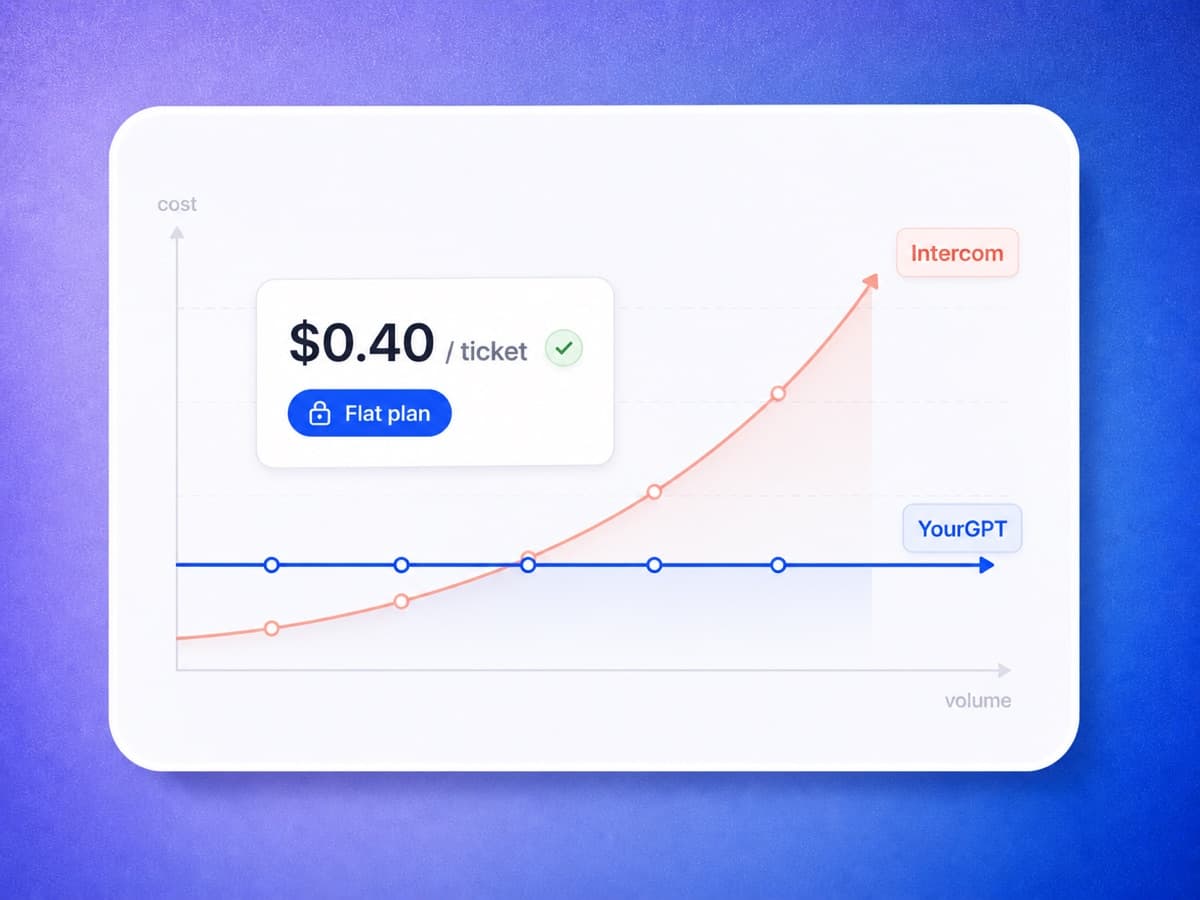
Tidio bills by conversation twice over: every plan meters billable conversations, and Lyro AI is a separate quota from $32.50 a month for 50 AI conversations, about $0.65 each at entry. Above Growth, Plus starts at $300 a month plus monthly usage. YourGPT is one flat plan from $39 a month plus AI credits you can forecast, whatever your volume does.
No per-conversation meter
Your plan price does not change when more customers write in.
AI included from day one
The AI agent is part of every plan, not a separately billed quota.
Transparent AI credits
Usage runs on credits that vary by model, so spend stays predictable.
No usage-priced top tiers
Advanced is $349 a month flat, not a base fee plus monthly usage.
Built to act on your systems, not just answer
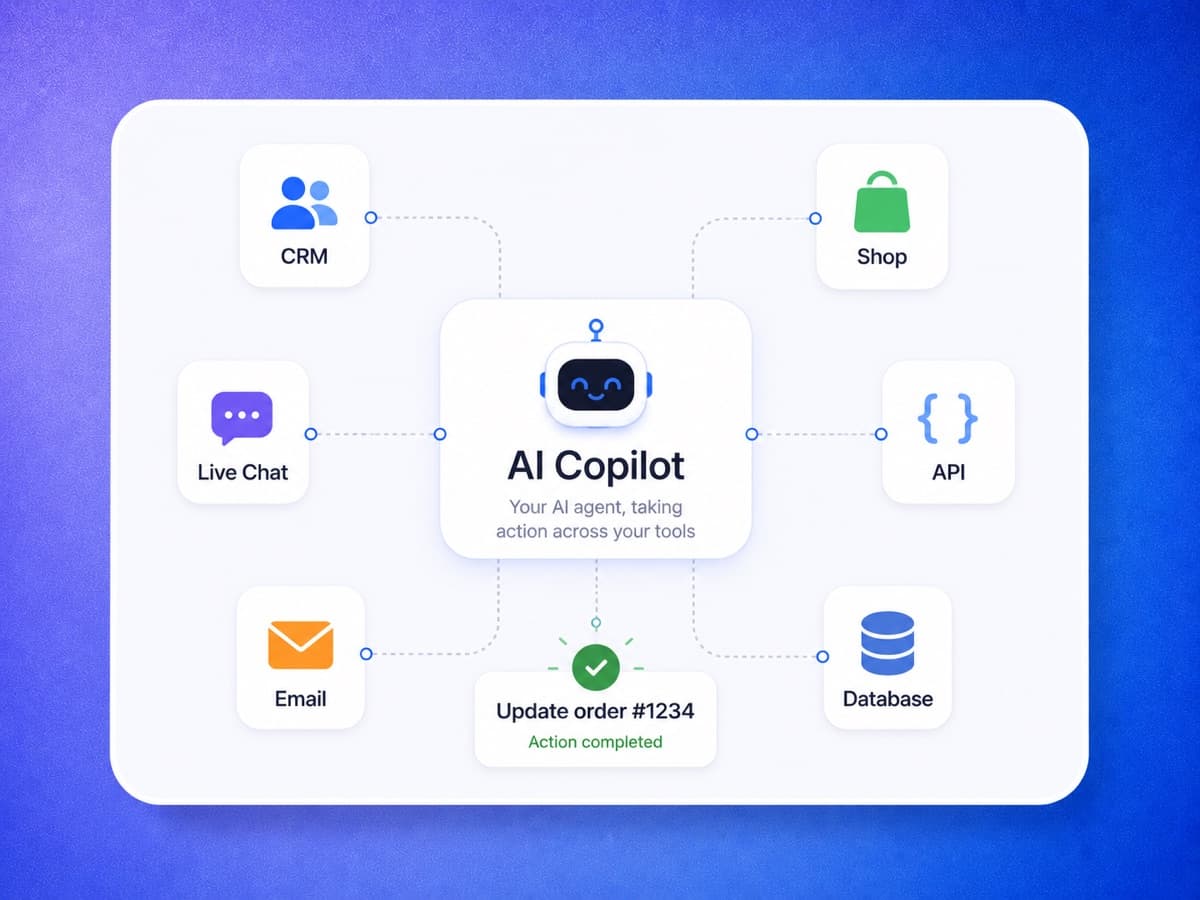
Lyro replies from your support content. YourGPT agents go further and take real action: creating tickets, updating orders, processing refunds. Chatbot Studio connects the agent to your stack with visual API calls, custom code, and multi-step flows, and with Copilot Builder you can embed an AI copilot inside your own app.
In-product AI Copilot
Embed a copilot in your app that calls APIs, navigates your UI and performs real actions.
Product and API integration
Connect live data and back-end actions visually from Chatbot Studio.
MCP connectivity
Run as an MCP server for tools like Claude Desktop and Cursor.
Built-in templates
Launch from a Studio template library instead of a blank canvas.
One agent across channels, in text, image, and voice
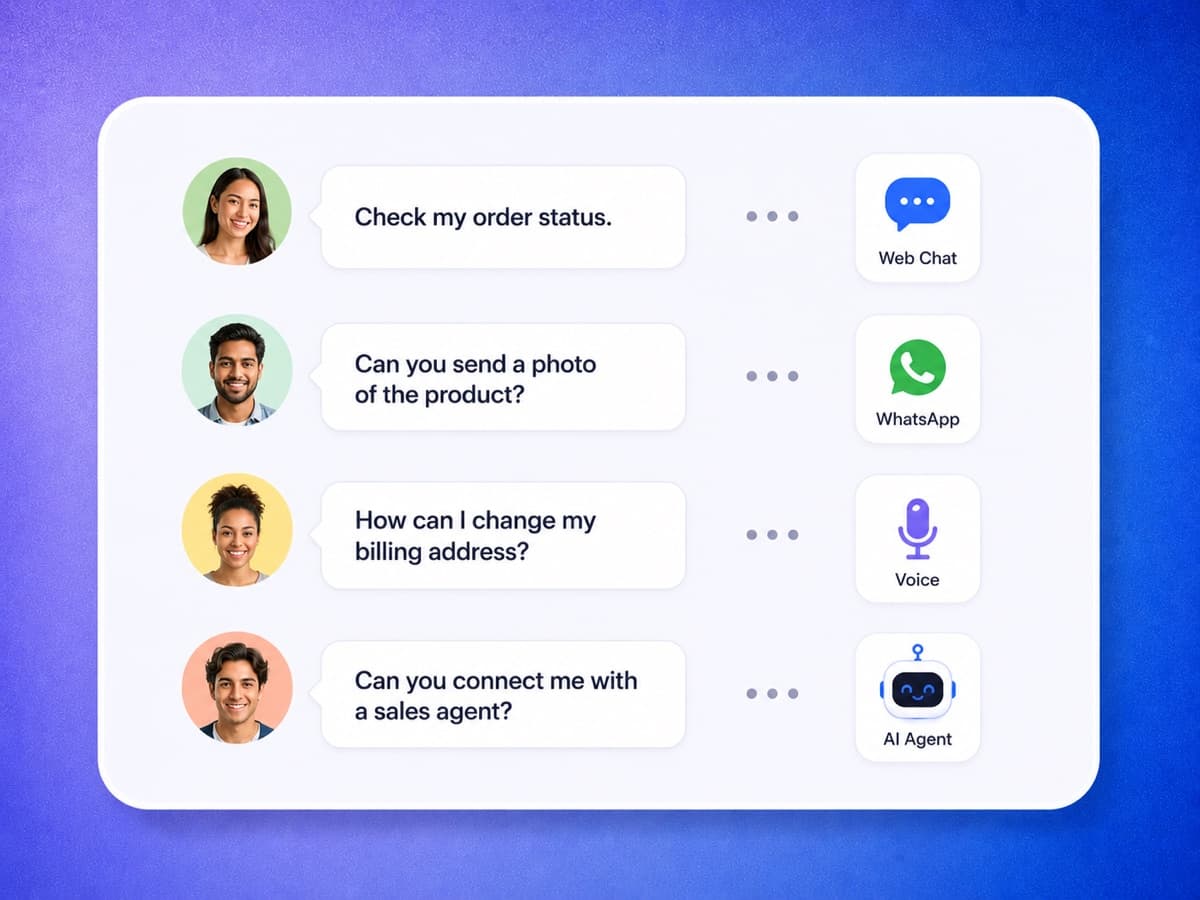
Tidio covers live chat, email, and the big social messengers. YourGPT trains once and deploys everywhere your customers are, handling text, images, and voice across your site, WhatsApp, and more, in 100+ languages, with a clean handoff to your team when a human is needed.
Text, image, and voice
Customers can type, send a photo, or talk, and the agent responds in kind.
Omnichannel Integration
Web, WhatsApp, Instagram, Messenger, Telegram, Slack, Discord, and more.
Voice AI
Deploy voice agents for phone and voice channels, which Tidio does not offer.
100+ languages
Consistent answers in over 100 languages with no extra setup.
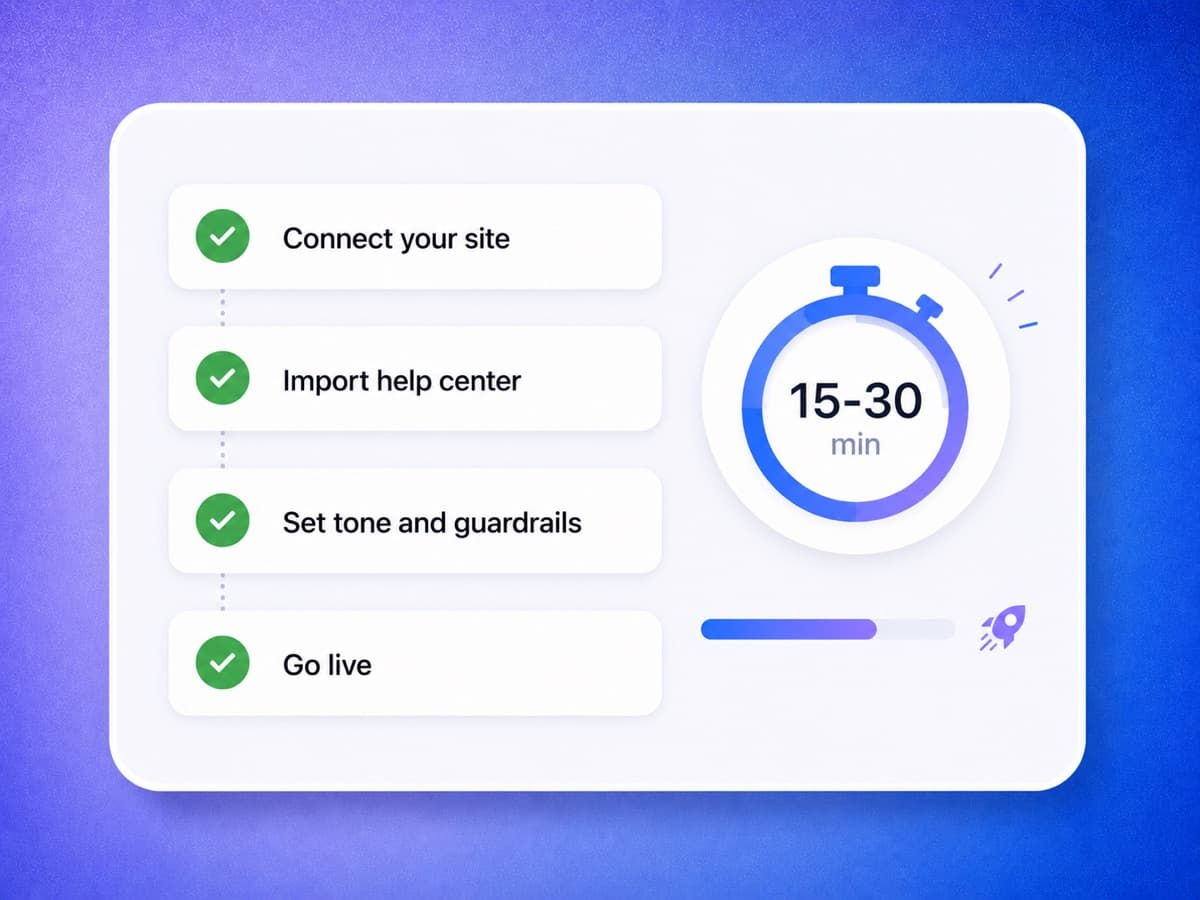
From signup to live agent in under 30 minutes
Tidio is quick to install, and YourGPT keeps that speed while adding agent depth. Point it at your help center, website, and docs, set your tone and guardrails, connect your channels, and go live. You can run it alongside Tidio during the trial and compare resolution before you switch.
No-code setup
Launch a production agent without engineering help.
Instant knowledge import
Ingest your site, help center, PDFs, Notion, and more in minutes.
7-day free trial
Build and test your agent for free, no credit card required.
Runs alongside Tidio
Keep your current widget live while you evaluate, then cut over at your pace.
Where each tool actually wins
Neither tool wins every category, because they are not built for the same job. Here is the honest read on which buyer each one fits.
Where Tidio is the better choice
A polished live chat widget
Tidio's widget installs in minutes, looks good out of the box, and is well reviewed by small teams. If the job is your people answering chats personally, with AI only assisting at the edges, Tidio's core product is exactly that.
Storefront chat for small ecommerce
Tidio is built with ecommerce storefronts in mind, with a popular Shopify app and visitor tracking on the site. For a small store that mostly fields pre-sales questions in live chat, it is a focused, low-friction fit.
Very small support volume
Tidio's free plan covers 50 billable conversations a month with 10 seats, plus 50 one-time Lyro AI conversations. If your volume genuinely fits inside that, Tidio costs nothing while YourGPT's cheapest plan is $39 a month billed annually.
You are already running Tidio flows
If your team lives in Tidio's inbox and your automations are built in its Flows builder, staying put avoids a rebuild, especially if AI resolution is not the immediate priority.
Where YourGPT fits better
An agent that resolves, not just replies
This is the core difference. YourGPT trains on your help center, docs, and APIs and resolves up to 90% of repeated queries end to end. Lyro answers FAQ-style questions from your support content, and Tidio's own Premium tier guarantees a 50% Lyro resolution rate.
A bill that does not meter conversations
Tidio charges by billable conversations on every plan and sells Lyro as a separate quota, so a busy month raises the bill twice. YourGPT's flat plan plus AI credits ties cost to a price you set in advance, not to how many customers wrote in.
Real actions across your systems
YourGPT agents take real action: creating tickets, updating orders, processing refunds. Chatbot Studio gives you visual API calls, custom code, and multi-step workflows, and MCP support connects the agent to external tools.
Omnichannel and voice from one agent
Train once and deploy across web, WhatsApp, Instagram, Messenger, Telegram, and Slack, in 100+ languages, with Voice AI for phone and a live handoff to your team when a conversation needs a human.
Frequently Asked Questions
Common questions about choosing between Tidio and YourGPT, Lyro's pricing, and where each one fits.
What is the main difference between Tidio and YourGPT?
What is the best Tidio alternative for AI customer support?
How does Tidio's pricing compare to YourGPT?
Is there a free Tidio alternative?
Can Tidio's Lyro AI handle support on its own?
Does YourGPT charge per conversation like Lyro?
Don't see the answer you're looking for ?
Get started with YourGPT AI today.
Train your knowledge base on your website and your own sources in minutes. Then deploy your agent on your website and your social channels.
No credit card · 7-day free trial · Live in under 30 minutes