7 Best ChatBot Alternative & Competitors in 2026

Akansha
Last updated on July 29, 2026

ChatBot, developed by the same team behind LiveChat, follows a straightforward naming convention. Their help desk is called HelpDesk, and their knowledge base is KnowledgeBase. Simple, right?
But just because it is a well-known name doesn’t mean it is the best choice for everyone. While ChatBot offers a good solution, it comes with some limitations that might not fit every business’s unique needs.
If you are looking for a chatbot, it is worth exploring some alternatives. These options not only provide competitive features but also offer flexibility and value that might better suit your requirements.
Businesses usually start exploring alternatives when their current chatbot no longer supports the growth, volume or automation they need. ChatBot.com works well for basic interactions, but several real-world limitations often appear once teams try to scale or introduce more advanced workflows.
Integration constraints: Many companies rely on WhatsApp, Telegram and CRM tools as part of their daily operations. ChatBot.com does not support several of these channels natively, which forces teams to manage conversations across multiple disconnected systems. This creates extra work and reduces the value of automation.
Limited AI depth: The platform focuses more on scripted flows than adaptive AI. This makes it harder for the bot to understand variations in customer queries or handle tasks that require context. As customer expectations increase, teams often need more intelligent behaviour than the platform can provide.
Restricted customisation: Businesses often want their chatbot to perform actions, pull data from external systems or follow more dynamic logic. ChatBot.com offers limited flexibility in these areas, which can slow down automation projects or require workarounds.
Total cost adds up: ChatBot.com is part of a larger suite that includes LiveChat, HelpDesk and other tools. Most advanced features sit in separate products. As a result, companies end up paying for multiple subscriptions to achieve a full support setup. This becomes expensive for teams that want a single, consolidated solution.
These challenges do not make ChatBot.com unsuitable. They simply highlight why many companies eventually look for platforms that offer stronger automation, better integrations and more control without relying on multiple add-ons.
| Platform name | Best for |
|---|---|
| YourGPT Chatbot | Businesses needing an AI-driven chatbot with advanced automation across support and sales |
| Dialogflow | Teams building conversational interfaces using Google’s NLP technology |
| Rasa | Developers needing an open-source platform for fully customizable, contextual chatbots |
| Conversica | Sales teams looking for conversational AI focused on lead engagement and follow-ups |
| Zendesk | Customer service teams needing a support suite with AI assistance and ticket workflows |
| Landbot | Marketers needing visual, no-code chatbot flows for lead generation |
| SnatchBot | Businesses wanting simple, multi-channel bot deployment across web and messaging apps |
Modern teams need chatbots that improve response time, reduce workload, and drive conversions. These alternatives deliver meaningful impact without complexity. Here is the brief summary of the best chatbot alternatives for support, sales, and automation in 2026.
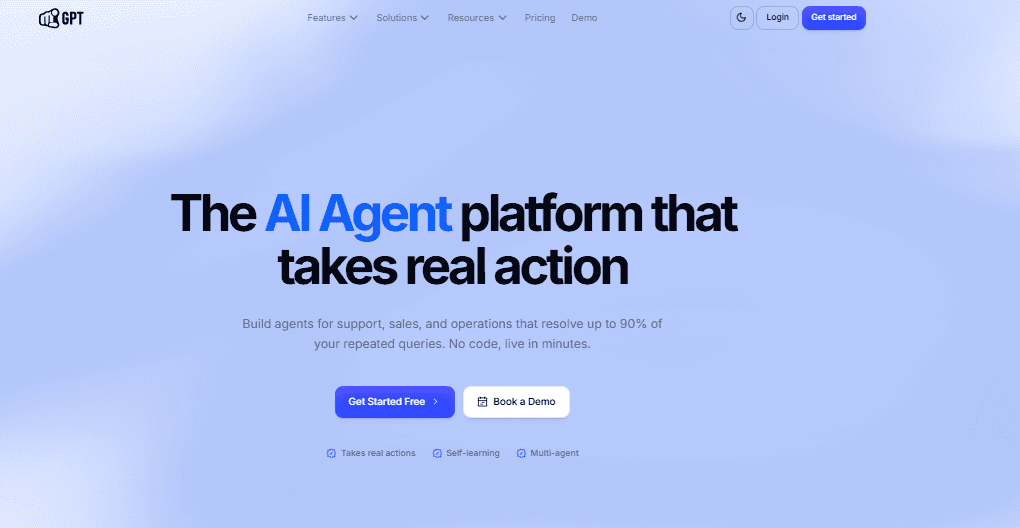
YourGPT is an AI-first platform built for modern customer support, sales and operations. It brings together AI agents, no-code building, multi-source training, omnichannel messaging and real-time analytics in one place. Businesses use it to automate conversations, speed up response time and reduce manual work.
G2: 4.7/5
Start your free 7-day trial and see what AI chatbot can do for you!
🚀 Get Started for free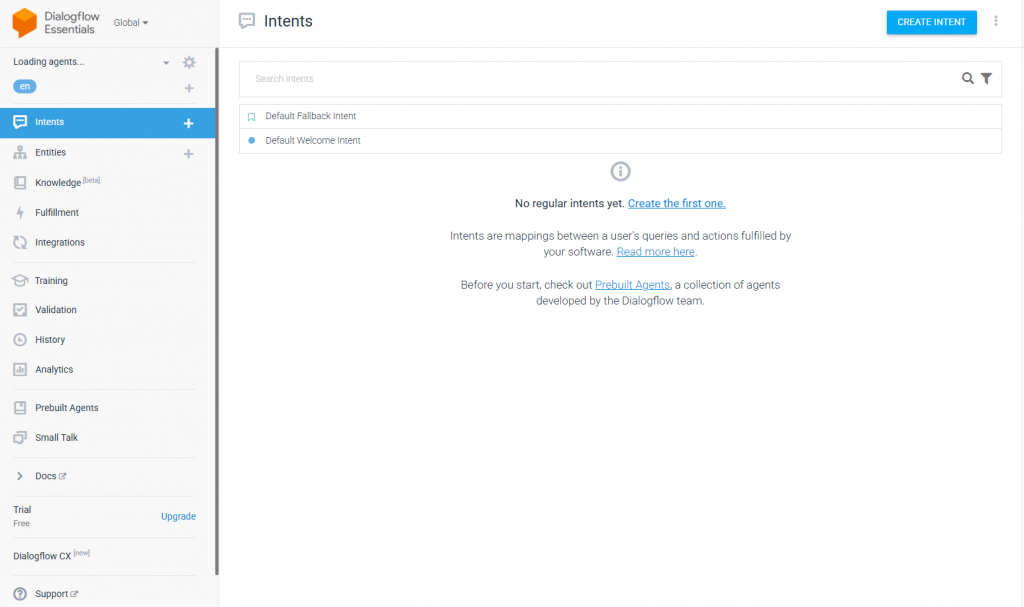
Dialogflow is Google’s conversational AI platform designed for teams building chat and voice agents. It provides strong NLP capabilities, intent detection and integration with Google Cloud services. Businesses use it to create structured conversational experiences across apps, websites and voice assistants.
G2: 4.4/5

Rasa is an open-source conversational AI framework built for developers who need full control over their AI agents. It supports custom NLP models, on-premise deployment and deeply configurable workflows. Businesses use it to build highly tailored conversational systems where data privacy and flexibility are important.
G2: 4/5

Conversica is an AI-powered virtual assistant platform designed primarily for sales, marketing and revenue teams. It focuses on automated lead engagement, follow-ups and customer outreach. Businesses use Conversica to qualify leads, revive inactive prospects and support account management workflows without manual effort.
G2: 4.5/5

Zendesk is a customer service and ticketing platform used by businesses to manage support requests across email, chat, social channels and help centers. It offers automation features, AI suggestions and workflow tools that help teams organise, resolve and track customer issues efficiently. Companies rely on Zendesk for structured support operations and multi-channel ticket management.
G2: 4.3/5

Landbot is a no-code chatbot builder designed for teams that want to create visual, interactive conversational experiences without coding. Its drag-and-drop interface makes it easy to design flows for lead generation, surveys, onboarding and basic support. Businesses use Landbot to automate repetitive interactions and convert website visitors through structured chat flows.
G2: 4.5/5

SnatchBot is a multi-channel chatbot platform that allows businesses to deploy automated conversations across web, Messenger, WhatsApp and other messaging apps. It focuses on ease of deployment, simple automation tools and broad channel support. Companies use SnatchBot to handle basic customer queries, streamline repetitive interactions and provide consistent responses across platforms.
G2: 4.6/5
Selecting a chatbot is not only about comparing features. It is about finding a system that supports the way your team works, how your customers interact with you, and how your operations function behind the scenes. The right choice reduces workload, improves response time and contributes directly to customer satisfaction.
Look beyond the monthly subscription. Review how the platform charges for usage, AI messages, channels, or additional agents. Some tools appear affordable at first but become expensive as volume increases. Choose a plan that works for your current needs and remains sustainable as your business grows.
A chatbot becomes effective when it connects to the systems you already use. Check whether it works with your CRM, support tools, payment systems, storefront or internal databases. Built-in integrations reduce manual steps and improve the accuracy of information shared with customers.
Your workflows are unique, so your chatbot should adapt to them. Review how easily you can change tone, build flows, add conditions and connect actions across different tools. If your team is not technical, the builder should feel simple and clear. If you have developers, the platform should also allow deeper control through APIs or custom logic.
As your business grows, message volume, channels and use cases increase too. Choose a platform that can handle higher traffic, support more channels such as WhatsApp or Instagram and allow your team to expand without performance issues.
Good support matters. When something breaks or when you need guidance, you should have access to documentation, responsive support and helpful onboarding. Reliable support is important when you plan to automate more processes or introduce new channels.
| Feature | YourGPT Chatbot | Dialogflow | Rasa | Conversica | Zendesk | Landbot | SnatchBot |
|---|---|---|---|---|---|---|---|
| Easy setup | Yes, no-code setup | Moderate, needs config | Developer setup required | Guided onboarding | Fast, template-based | Visual, drag-and-drop | Simple, form-driven |
| AI capabilities | Advanced, AI-first agents | Strong NLP and intents | Contextual, open-source AI | AI for lead engagement | AI support automation | Rule + AI flows | AI and rule-based bots |
| Customization | Workflows, APIs, and prompts | Intent design and fulfillment | Fully programmable stack | Playbooks for sales and CX | Flows and routing rules | Drag-and-drop conversation flows | Templates and logic blocks |
| Omnichannel | Web, WhatsApp, email, social | Web, apps, voice, messaging | Web and custom channels | Email, SMS, and chat | Web, messaging, and apps | Web, WhatsApp, Messenger | Web, messaging, and social |
| Unified inbox | Yes | Yes (via console) | Custom to implementation | Yes, for conversations | Yes, support-focused | Live chat view | Channel inbox |
| Mobile app | Yes | Yes | SDKs for mobile apps | Web and email focused | Available for teams | Browser-based mainly | Web dashboard usage |
| Browser extension | Yes | No | No | No | No | No | No |
| Analytics | AI-driven chatbot analytics | Intent and usage reports | Custom dashboards | Revenue and engagement metrics | Support performance analytics | Flow and conversion stats | Channel and bot metrics |
| Security | SOC 2 and GDPR | Google-grade security | Self-hosted or cloud options | Enterprise security controls | Enterprise security and privacy | Standard SaaS security | Standard SaaS security |
| Best fit | Teams wanting AI-first automation across channels | Developers and teams building conversational interfaces | Engineering teams needing full control and open source | Sales and marketing teams focused on lead follow-up | Support teams scaling automated conversations | Marketers building visual chat funnels | Businesses needing quick, multi-channel bots |
Consider alternatives to ChatBot due to:
YourGPT Chatbot stands out due to:
Consider exploring other chatbot providers. Many offer free trials and demos, allowing you to test their features and capabilities before making a long-term commitment.
The best AI chatbot depends on your specific needs and requirements. If you need advanced AI capabilities, you might consider trying YourGPT AI Chatbot.
To determine the right AI chatbot for you, assess factors such as:
When selecting a chatbot, consider:
Choosing the right chatbot in 2026 depends on what your business actually needs, not just what each platform claims to offer. Some tools are built for developers who want full control. Others focus on marketing funnels or sales engagement. A few specialise in support automation across multiple channels. Understanding these differences helps you avoid paying for features you won’t use or choosing a tool that becomes a bottleneck later.
The platforms in this list cover a wide range of use cases. YourGPT fits teams that want AI agents, automation and omnichannel support in one place. Dialogflow works for intent-based workflows. Rasa is ideal for engineering teams that prefer open source and full customization. Landbot fits marketers creating visual chat funnels. Conversica supports lead follow-up, and SnatchBot offers quick deployment for simple bots. Each option performs well when matched with the right environment.
Before making a decision, think about where automation will make the biggest difference in your workflow. Consider your channels, team skills, required integrations and the level of AI you need. A well-chosen chatbot can reduce daily workload, improve response times and streamline customer operations. The best choice is the one that aligns with your goals and scales as your business grows.
See how AI Chatbot can help you connect more deeply and effectively with your customers.
No credit card required • 7 days access
Prepare a replacement support agent, test real requests and human handoff, then switch the storefront while keeping ownership of unfinished conversations.

The reader can shortlist one or two platforms by primary job, existing stack, action depth, handoff, governance, and billing unit.
A practical breakdown of Gorgias Helpdesk and AI Agent pricing, including what counts toward each allowance, how to compare plans and how to budget with your own volumes.
Choose Halloween ecommerce campaigns that fit your products, with AI agent workflows, offer worksheets, launch tests and order measurement.
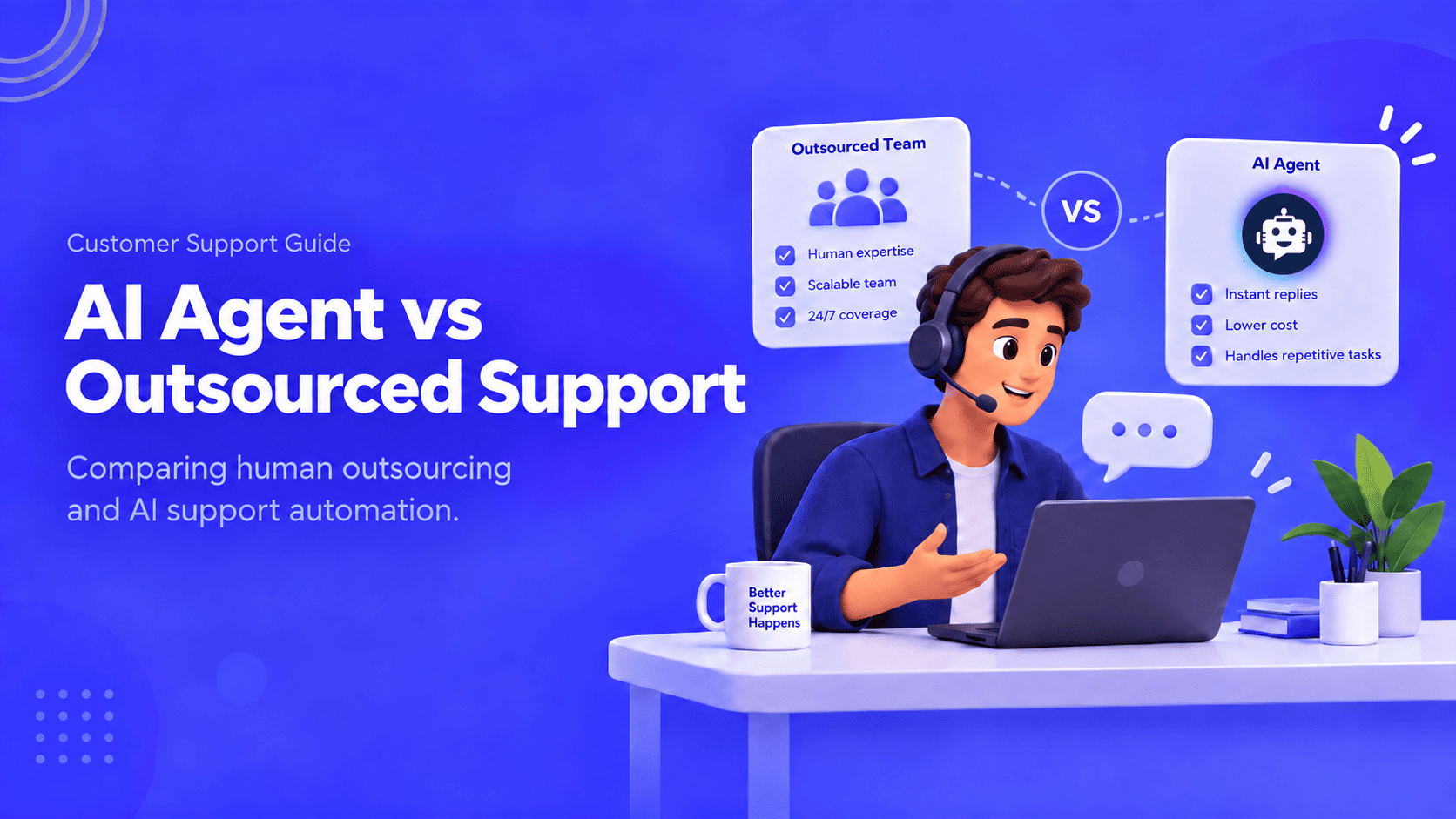
Compare outsourcing customer service with an AI agent using your own ticket mix, a cost model you fill in, and a clear rule for a hybrid split.
Export the Zendesk ticket archive, train an AI Agent on the help center, and test one real ticket before you stop the old queue.
