GPT Chatbot for Webflow – Your 24/7 AI Assistant for Exceptional Customer Service

Rohit Joshi
Last updated on July 28, 2026
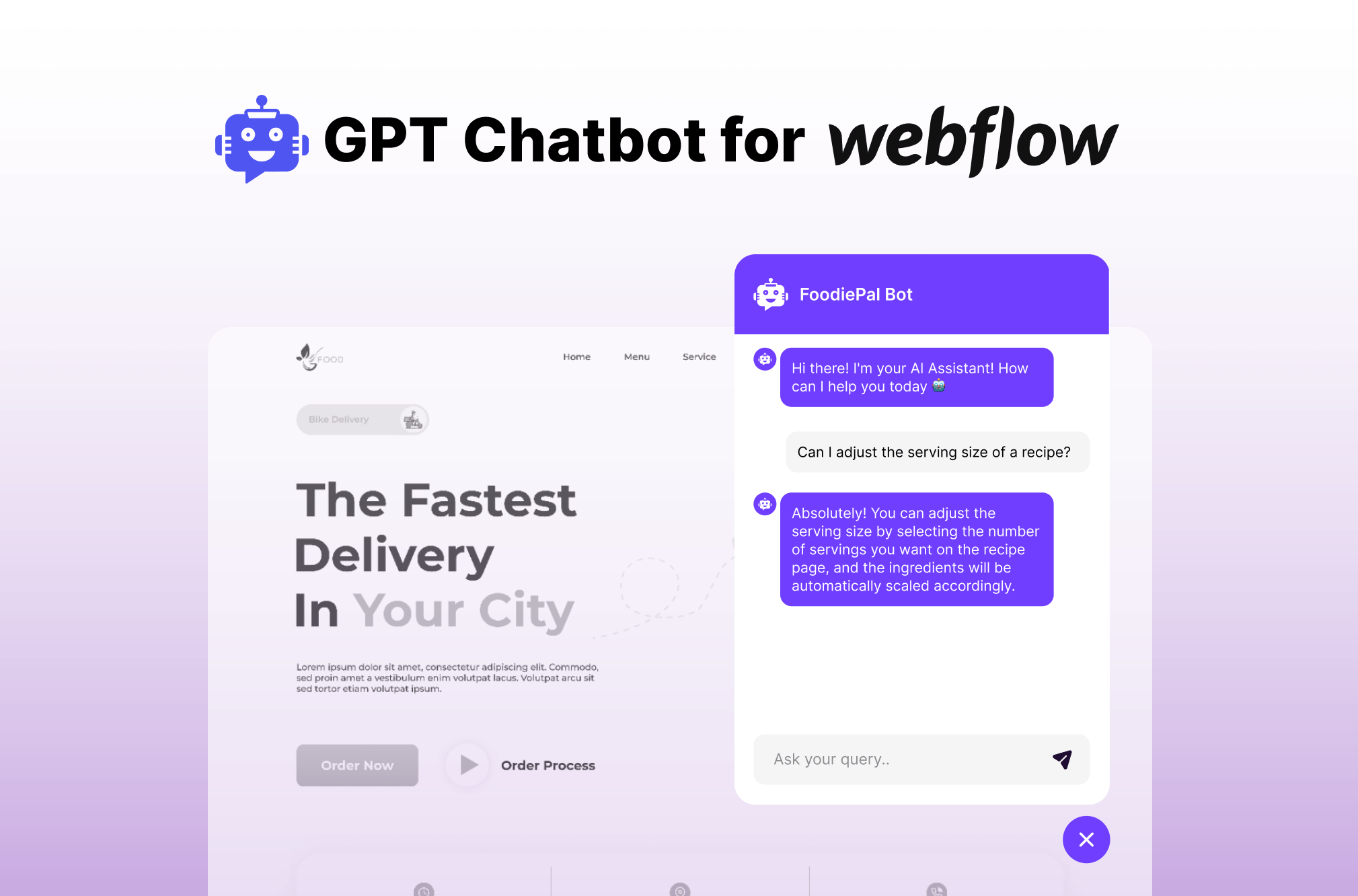
Installing an AI chatbot on a Webflow site no longer requires custom code.
YourGPT connects through the Webflow Marketplace, trains on your business data, supports multiple languages, and transfers conversations to a human when needed.
This guide covers how to install, train, and customize your YourGPT chatbot after adding it to your Webflow site.
Webflow sites are built for polish, but customer support often lags behind the design. A visitor with a quick question about pricing or setup has to dig through a help center or wait on an email reply, and that gap costs conversions.
An AI chatbot closes it by answering directly on the page, in real time, without a support team on call around the clock. For Webflow specifically, the appeal is that no changes to the site’s underlying code are needed. The chatbot installs through the Marketplace, trains on existing business content, and starts answering visitor questions the same day.
In this blog, we will discuss how to setup a gpt ai chatbot into your Webflow site can improve your customer service and enhance user experience.

The YourGPT chatbot listing on the Webflow Marketplace installs a chatbot that answers from a company’s own content rather than generic training data. Once connected to a knowledge base, sitemap, or document set, responses stay grounded in what the business actually publishes, so a pricing question gets the current pricing page instead of a plausible-sounding guess.
Response speed matters here as much as accuracy. Visitors asking a question mid-browse tend to leave if the answer takes too long to arrive, so replies are generated in real time rather than queued. The underlying model can also be chosen from several providers, including OpenAI, Anthropic, Google, and xAI, which gives a business room to balance response quality against cost depending on the complexity of what it’s being asked. For a closer look at how the AI chatbot handles training and response behavior, the dedicated product page covers the setup in more detail.
Webflow’s strength is design control, but that same flexibility means support tooling often gets bolted on as an afterthought. A chatbot built for Webflow closes that gap without touching the site’s custom code or slowing down page performance.

A GPT chatbot for Webflow learns from your website and knowledge base to answer questions, capture leads, and assist visitors in real time without manual intervention.

Setting up the YourGPT Chatbot on your Webflow site is quick and simple. Here are the steps you need to follow:
Now your Webflow site is equipped with the GPT Chatbot helping you enhancing your user interaction.
YourGPT Chatbot significantly improves customer service by providing 24/7 assistance, quick responses, and personalised interactions. It integrates smoothly with Webflow websites, giving users immediate answers to their questions while maintaining a consistent and trustworthy customer experience.
Yes. YourGPT Chatbot supports more than 100 languages, helping businesses provide accessible customer service to audiences worldwide. It removes language barriers and allows customers to communicate in their preferred language.
Yes. While the AI-powered YourGPT Chatbot can handle most customer questions, it can also connect users with a human support agent when needed. This ensures customers receive suitable assistance for more complex or sensitive enquiries.
You can train YourGPT Chatbot using your business data, including website pages, documents, FAQs, and other knowledge sources. Its knowledge can be updated as your products, policies, and customer requirements change, helping its responses remain relevant and accurate.
No. YourGPT Chatbot can be added to a Webflow website without advanced coding skills. You only need to follow a few simple setup steps and add the provided integration code to your website.
Suggested Reading
Providing outstanding customer service is a differentiator that can help your company stand out from the competition.
YourGPT Chatbot for Webflow offers an effective solution to this challenge by providing 24/7 support, instant responses, and personalized customer service..
Elevate your customer service to the next level by integrating YourGPT Chatbot into your Webflow website. Experience the power of advanced GPT technology with enhance customer satisfaction, and watch your business flourish as it serve to customers’ needs anytime, anywhere, leading to streamlined processes.
Experience the future of customer service with YourGPT Chatbot for Webflow and discover how this powerful AI assistant can transform your customer interactions with personalized chatbots.
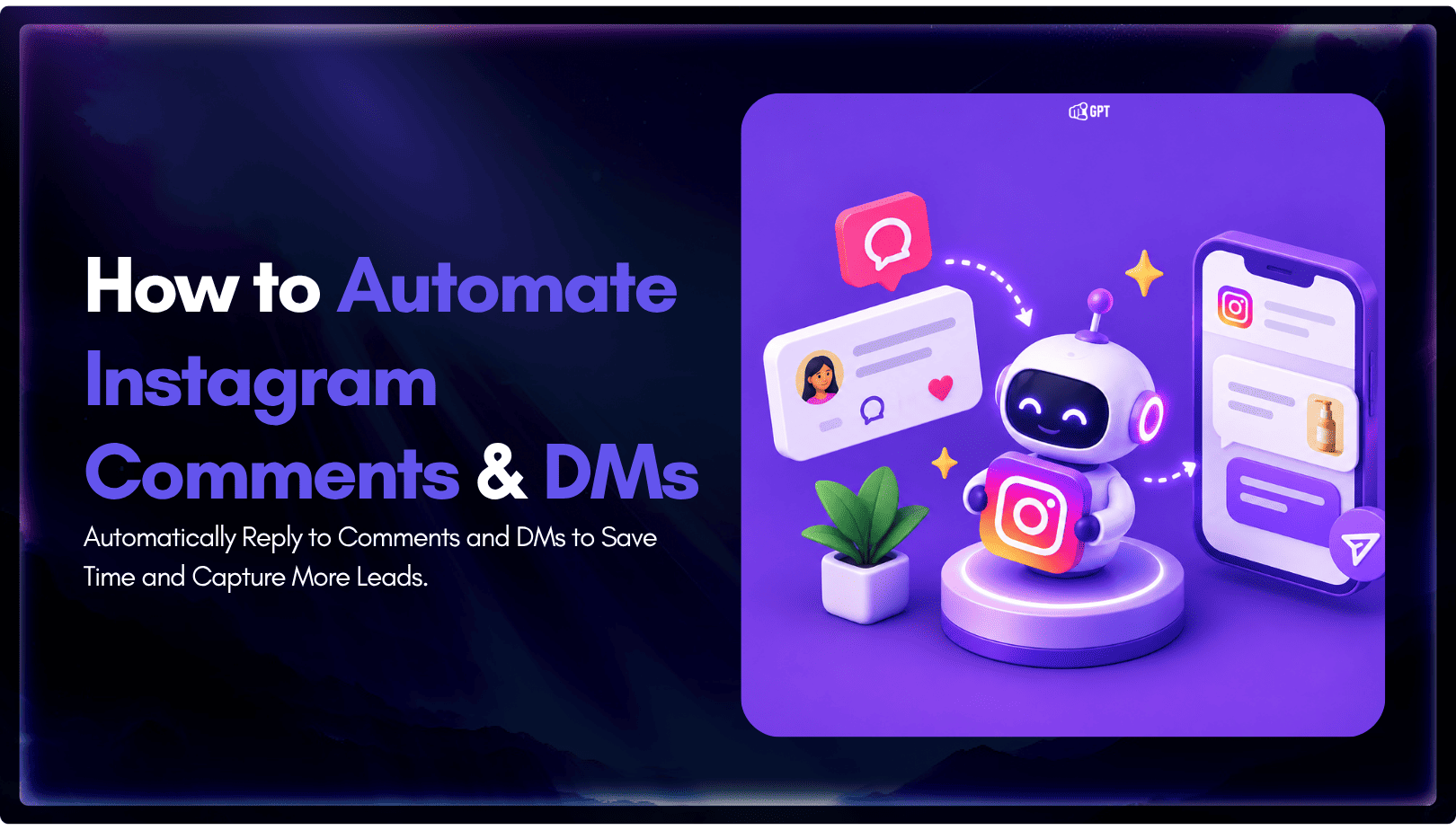
TL;DR Instagram buyers who ask “price?” in a comment expect an answer within minutes. Manual replies usually arrive too late to make the sale. YourGPT AI can connect to your professional account in minutes, reply publicly to selected comments, send detailed answers by DM, and handle follow-up questions using your knowledge base. Meta allows one […]

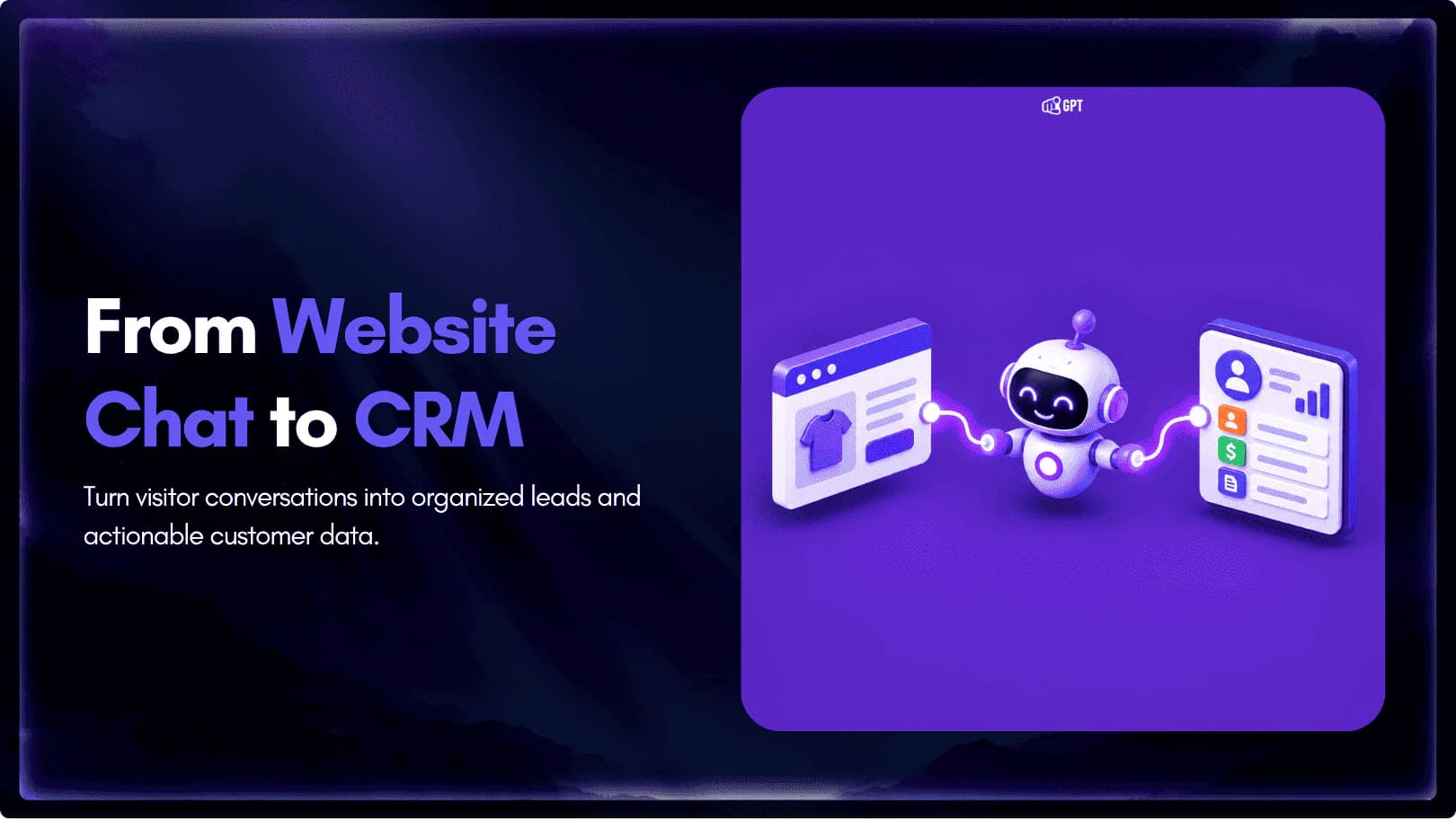
Connect your website AI agent to a CRM with YourGPT. Capture lead details, map contact fields and verify the record your sales team will use.

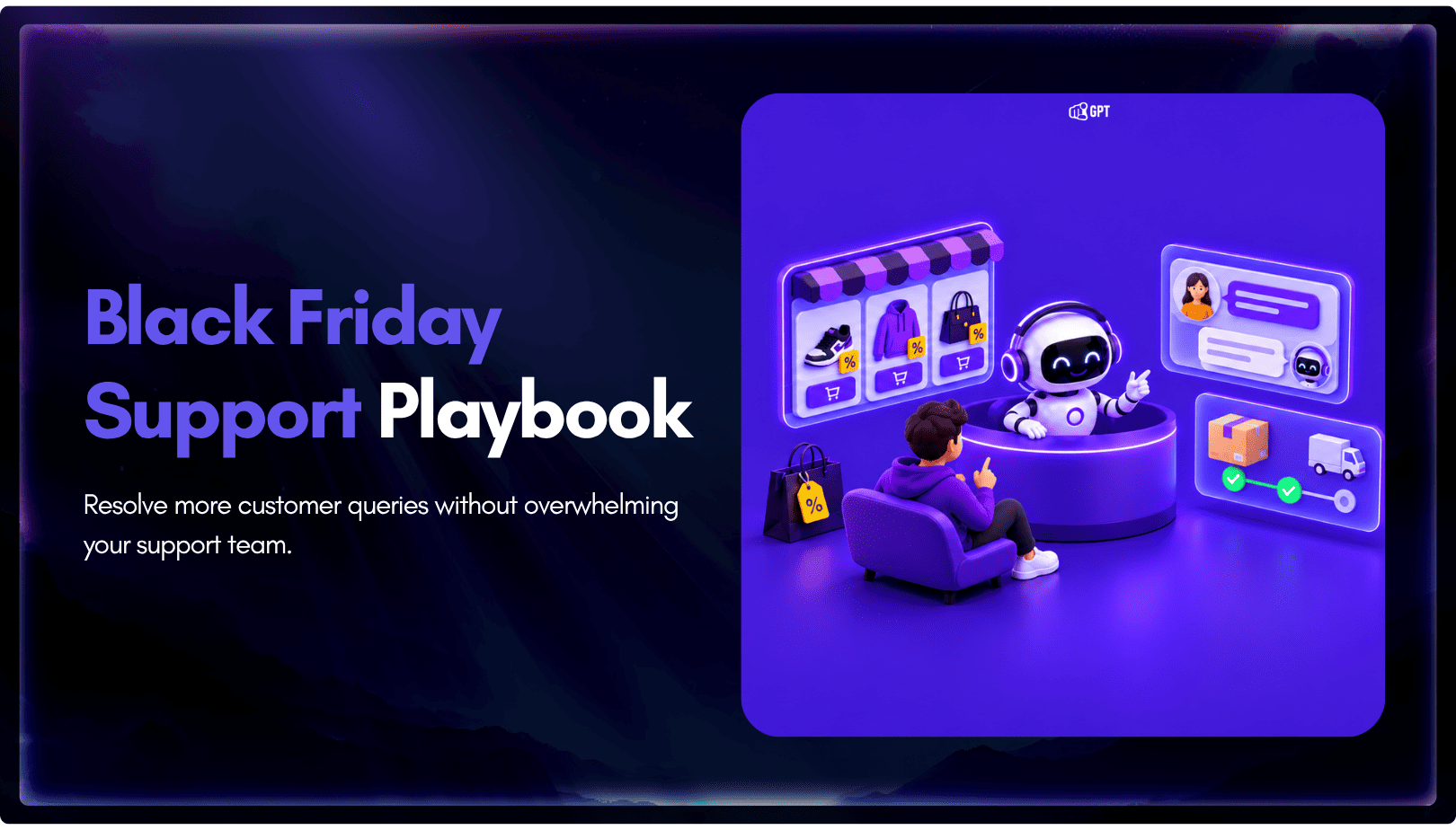
Use YourGPT to help Black Friday shoppers choose products, check orders and understand returns. Prepare your answers and team before the sale.
Add in-app chat support to your SaaS or mobile app. Place it on the screens where users stall, pass who they are, and hand hard cases to your team.
Group new-account tickets by onboarding stage, train an AI agent on your docs, and place it in the product where new users get stuck.

AI agents can now find and buy products for shoppers. See what agentic commerce changes for a Shopify store and which support jobs stay yours.