This week in AI | Week 15

Neha
Last updated on May 31, 2024
This week announcements regarding AI advancements are follows as Meta’s multimodal AI models, Cohere multilingual open language model capabilities, and AI-integrated personal computing. These updates reflect the ongoing progress in artificial intelligence technologies. Let’s examine these developments more closely.

First update from Meta has recently launched its latest development in the generative AI arena, Chameleon. This advanced multimodal model integrates visual and textual information seamlessly, offering promising capabilities in tasks such as image captioning and visual question answering. Unlike traditional models that merge different modalities at later stages, Chameleon integrates these at the very beginning of the process, enhancing its ability to understand and generate mixed-modal content.

Cohere For AI has introduced Aya 23, a multilingual generative large language model covering 23 languages, as part of its ongoing commitment to global AI research inclusivity. The model aims to provide robust support for a variety of languages, significantly expanding access to cutting-edge AI technology worldwide.


Microsoft has launched Copilot+ PCs, integrating advanced AI capabilities directly into personal computing hardware. This move not only enhances the functionality of PCs but also sets a new standard in the personal computing market, positioning Microsoft to take a lead in the AI-driven technology space.
This week, Meta, Cohere AI, and Microsoft shared some interesting updates about their AI technologies. They are working on improving how we interact with technology, supporting more languages, and integrating AI into our daily devices.
We will keep watching for more AI updates in the coming weeks. Stay tuned for more news.
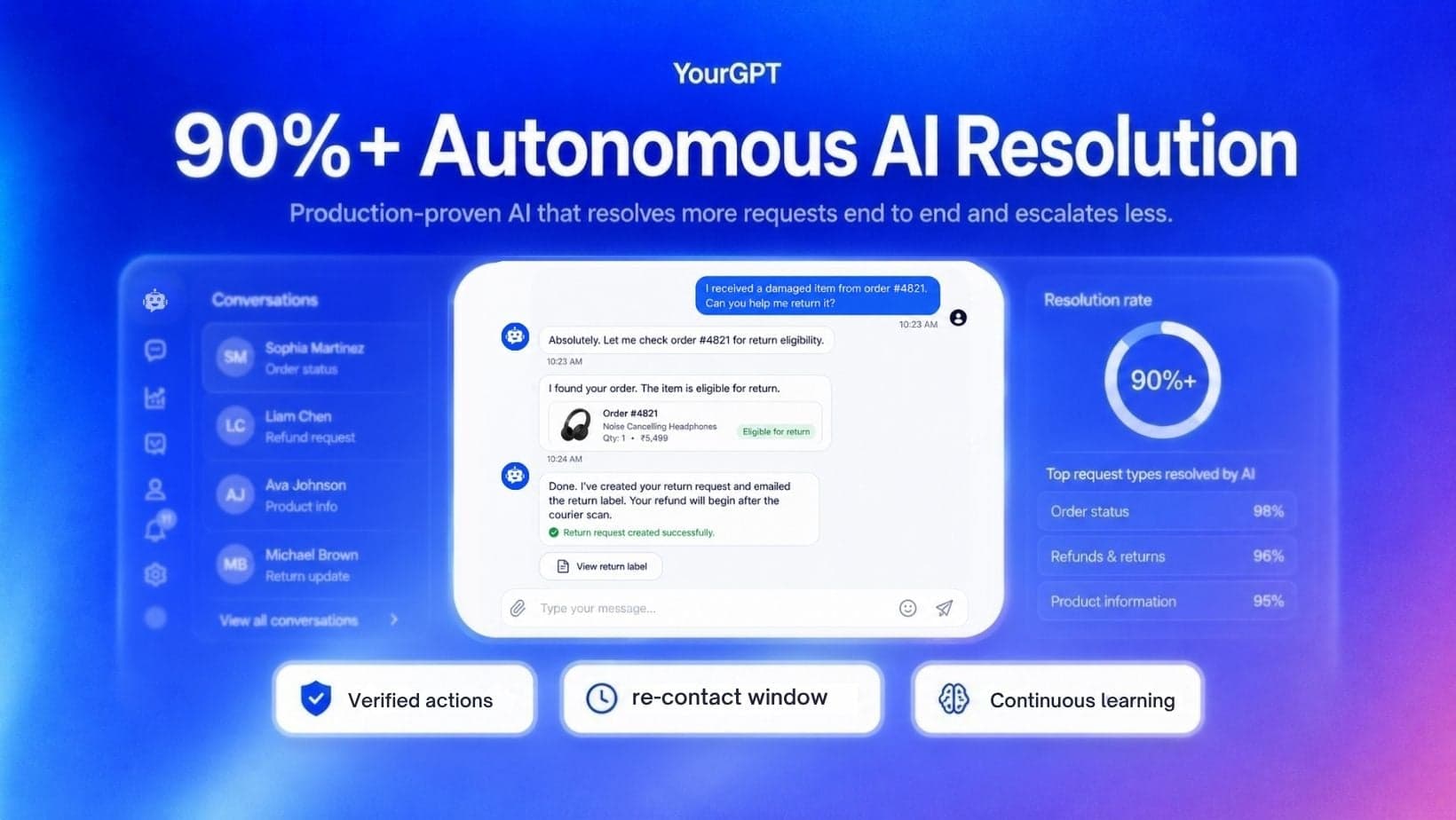
YourGPT has progressed from production deployments reaching around 80% AI resolution to 90%+ on eligible repeated requests in maintained deployments. Here is what changed, how we measure resolution, and how we apply that work with organizations that want to raise their own rates.


TL;DR Claude Fable 5 launched on June 9, 2026, was pulled offline three days later under a US export control order, and returned on July 1 after the order was lifted. For support teams, Fable 5 is best suited for long-horizon tickets across billing, CRM, shipping, and documents not basic FAQ deflection. Its biggest support […]

At YourGPT, we’ve always believed businesses need one platform for customer support, sales, and engagement. These are not separate parts of the customer journey. They shape how businesses communicate, build relationships, and move conversations forward. That belief continues to guide how we evolve YourGPT, building toward a more connected way for teams to manage communication, […]
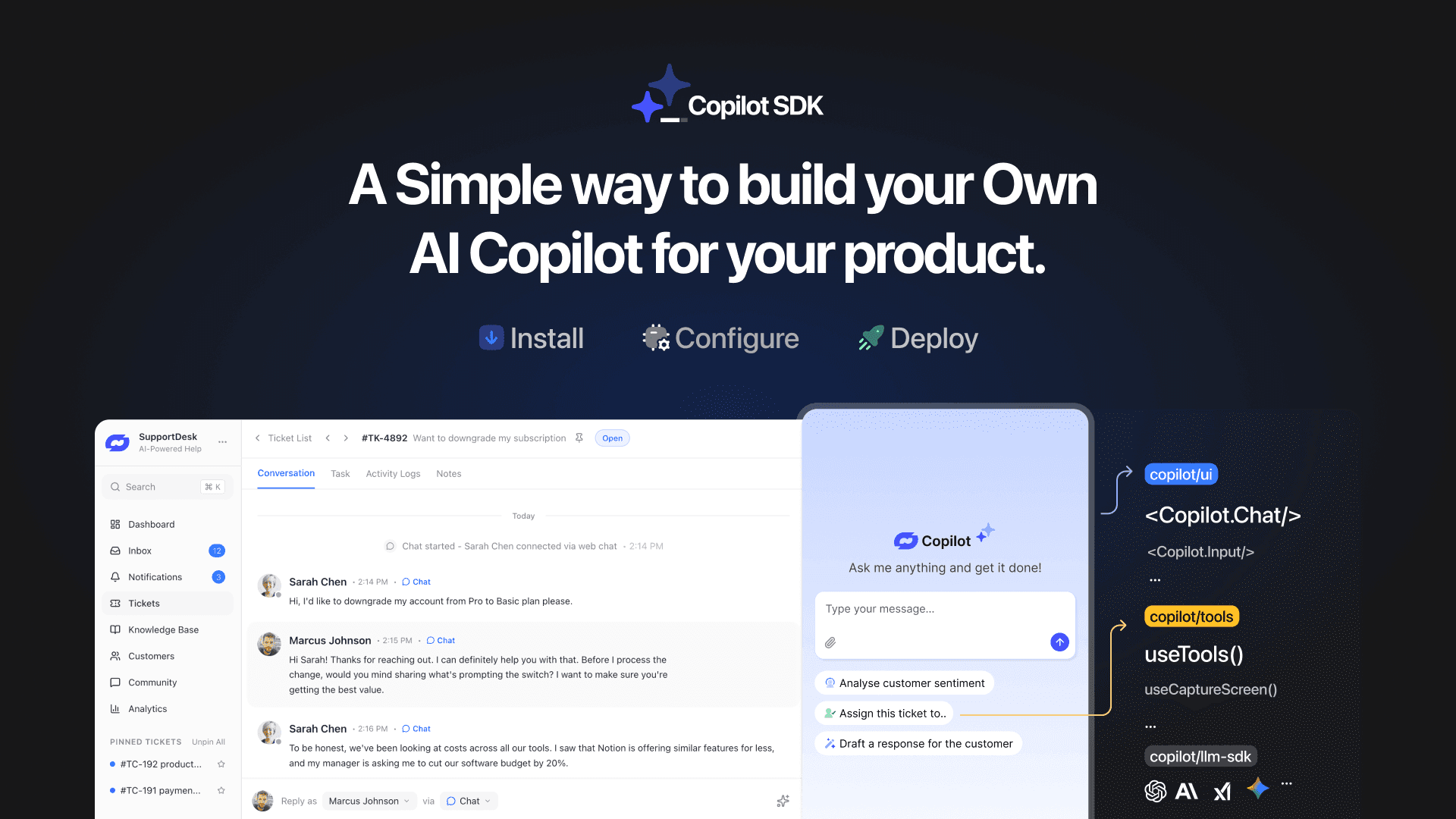
TL;DR YourGPT Copilot SDK is an open-source SDK for building AI agents that understand your application state, user context, and what is happening inside your product. Instead of working like isolated chat widgets, these agents connect directly with your product and can take real actions within existing workflows. This helps teams build contextual AI experiences […]

Happy New Year! We hope 2026 brings you closer to everything you’re working toward. Throughout 2025, you’ve seen the platform evolve. We shipped the AI Copilot Builder so your AI could execute actions on both frontend and backend, not just answer questions. We added AI assistance inside Studio to help you generate workflows without starting […]
Grok 4 is xAI’s most advanced large language model, representing a step change from Grok 3. With a 130K+ context window, built-in coding support, and multimodal capabilities, Grok 4 is designed for users who demand both reasoning and performance. If you’re wondering what Grok 4 offers, how it differs from previous versions, and how you […]