Top 5 Haptik Alternative Chatbots in 2026

Akansha
Last updated on April 10, 2026

Haptik is a familiar name in the chatbot space, especially for large enterprises looking to automate customer conversations at scale. However, as business requirements evolve, many teams find that a single platform may not fully align with their workflow, flexibility needs, or integration expectations. Limitations around customization, automation depth, pricing structure, or channel support often prompt teams to look beyond their existing setup.
In 2026, chatbots are no longer just about answering FAQs. Businesses now expect AI systems that can handle complex conversations, connect with internal tools, support multiple channels, and adapt to changing customer behavior without constant manual effort. Choosing the right chatbot has a direct impact on customer experience, operational efficiency, and long-term scalability.
This blog highlights five reliable alternatives to Haptik that businesses are actively considering in 2026. Each option is evaluated for its core strengths, including conversational intelligence, integration flexibility, automation capabilities, and suitability for different business use cases. By the end, you’ll have a clearer view of which platforms are better equipped to support modern customer engagement and operational goals.
While Haptik works well for certain enterprise use cases, it may not be the right fit for every business. As chatbot requirements become more complex and outcome-driven, many teams start evaluating alternatives for the following reasons:
Modern chatbots are expected to do more than handle scripted conversations. Businesses often need AI that can manage multi-step workflows, trigger backend actions, connect with internal tools, or switch smoothly between automation and human support. Some alternatives offer deeper control over conversation logic, better intent handling, and more advanced automation capabilities that are difficult to implement in rigid frameworks.
Initial setup is only one part of the equation. Many teams struggle with long onboarding cycles, dependency on technical teams, or frequent manual updates to keep the chatbot accurate. Several alternatives focus on faster deployment, no-code or low-code configuration, and easier ongoing management, reducing time spent on maintenance and iteration.
For many businesses, changing colors and messages isn’t enough. They need control over conversation flows, responses, fallback logic, integrations, and user journeys. Some platforms allow deeper customization of how the chatbot behaves across different channels, user segments, or business scenarios, making it easier to align with brand tone and customer expectations.
As businesses scale, chatbots must integrate with CRMs, helpdesks, payment systems, analytics tools, and internal databases. Alternatives often provide more flexible API access, native integrations, or workflow builders that allow chatbots to perform real actions instead of acting as standalone support tools.
Pricing models that work at one stage of growth may become restrictive over time. Businesses frequently explore alternatives when usage-based costs rise quickly or when advanced features are locked behind higher tiers. More transparent or scalable pricing models can offer better long-term value as conversation volumes increase.
This section compares top Haptik alternatives based on features, flexibility, and suitability for today’s business needs.
YourGPT is an AI-first platform for building and running AI agents that support customer service, sales, and business operations across websites, apps, and messaging channels.
It includes a visual no-code agent builder for everyday conversational use cases and a more advanced AI Studio for creating structured, multi-step operational workflows, all without requiring engineering resources.
Unlike basic chatbots that only respond with static answers, YourGPT agents can perform multi-step actions, execute API-driven workflows, and automate real tasks. This makes the platform suitable for both customer-facing interactions and internal operational automation.
Why choose YourGPT over Haptik?
While Haptik offers chatbot automation, YourGPT goes further by providing a full AI suite including chat, voice, AI Studio, human handoff, team chat, and real-time analytics. It’s built for teams that want full control and automation across support, sales, and operations without juggling disconnected tools.
Make customer support faster and more consistent with YourGPT

Ada CX is an enterprise-focused conversational AI platform built to automate customer support and digital customer interactions at scale. It is primarily used by support teams to deflect repetitive tickets, guide customers to self-service answers, and deliver consistent responses across multiple digital touchpoints using intent-based AI and centralized knowledge management.

SnatchBot is a conversational AI platform that helps businesses automate customer support and user engagement through rule-based and AI-driven chatbots. It allows teams to build bots for common support queries, lead handling, and basic automation across multiple digital channels using a visual builder and predefined logic.
SnatchBot is mainly suited for businesses that need structured conversation flows rather than complex operational automation.

Landbot is a conversational automation platform designed primarily for lead generation, qualification, and interactive customer engagement. It focuses on building structured, form-like conversational experiences that guide users through predefined flows, making it popular for marketing, sales, and onboarding use cases.
Landbot is better suited for interactive lead capture and qualification rather than complex customer support automation.

Chatfuel is a chatbot building platform focused mainly on Facebook Messenger automation for marketing, engagement, and basic customer interactions. It is commonly used by small businesses and marketers to create Messenger bots using templates and simple rule-based flows without technical setup.
Chatfuel is best suited for social media–centric use cases rather than full omnichannel customer support or complex automation.
Chatfuel is ideal for businesses focused on social media engagement and lead generation.
Choosing a Haptik alternative should be driven by real operational gaps, not feature checklists. The right platform depends on how you plan to use AI across support, sales, and internal workflows.
Start by clearly defining what did not work with Haptik. Common reasons include limited control over conversation logic, difficulty building complex flows, dependency on technical teams, or constraints in integrations. Once these gaps are clear, evaluate alternatives based on how directly they solve those problems rather than how many features they advertise.
For example, if limited customization or rigid flows slowed your team down, platforms that offer no-code builders and advanced workflow tools may be a better fit.
Not all chatbot platforms serve the same purpose. Some focus mainly on answering FAQs, while others are designed to execute actions, collect data, or automate internal processes. Decide whether your priority is ticket deflection, lead qualification, operational automation, or a mix of all three. Choose a platform that is built around your primary use case instead of forcing a workaround.
Initial setup is only part of the cost. Consider how easy it is to update content, change flows, retrain AI, and manage conversations over time. Platforms that rely heavily on manual updates or technical intervention can slow down iteration as your business evolves. Look for tools that allow non-technical teams to make changes quickly.
As your stack grows, your chatbot must work smoothly with CRMs, helpdesks, payment tools, analytics platforms, and internal systems. Assess whether integrations are native, API-based, or require custom development. Platforms with flexible APIs and workflow builders typically adapt better to complex environments.
A platform that works for a small volume of conversations may struggle as traffic increases. Consider how well the solution handles higher message volumes, multiple channels, team collaboration, and more advanced automation over time. Avoid platforms with hard limits that could force another migration later.
Pricing should align with how you use the platform. Some tools become expensive as usage grows or lock essential features behind higher tiers. Compare pricing models carefully and factor in long-term costs, not just entry-level plans.
Reliable support becomes critical once the chatbot is live. Evaluate the quality of documentation, onboarding resources, and responsiveness of customer support. Platforms with active product development and clear support channels are generally easier to rely on long term.
Haptik becomes restrictive when teams need more control over conversation logic, faster iteration without technical help, or automation beyond scripted replies. If building or changing flows feels slow or constrained, it’s often a sign to look elsewhere.
No. Many alternatives focus only on answering questions or deflecting tickets. If you need bots that can collect data, call APIs, or complete multi-step tasks, you’ll need a platform designed for workflow execution, not just chat responses.
Enterprise platforms make sense when you’re handling high conversation volumes and prioritizing ticket deflection, analytics, and operational stability. For smaller teams, these tools can feel heavy and expensive for everyday needs.
It doesn’t have to be. The risk usually comes from choosing another rigid platform. Picking a tool that allows flexible workflows, easy updates, and better integrations reduces the chance of needing another migration later.
Yes, but only on platforms designed with no-code builders and visual editors. Some tools still rely on technical support for meaningful changes, which slows down teams over time.
It matters more than ever. Customers expect consistent experiences across websites, messaging apps, and email. Managing separate bots per channel quickly becomes inefficient and harder to maintain.
They can be, but only for narrow use cases. If your automation is limited to social media engagement or basic lead capture, simpler tools work fine. They are not built for deeper support or internal automation.
Teams often miss how pricing scales with usage, channels, or advanced features. A platform that looks affordable initially can become expensive once conversation volume grows.
Poor integrations create manual work and fragmented workflows. Platforms with flexible APIs and native integrations fit better into real business environments and reduce operational friction.
Choosing based on feature lists instead of real usage. The best platform is the one that fits your workflows, team structure, and growth plans, not the one with the longest checklist.
Choosing a chatbot platform is no longer just a technical decision. It directly affects how your team works, how customers experience your brand, and how easily your systems scale over time. If Haptik no longer supports your goals, evaluating alternatives is a practical next step rather than a setback.
Platforms like YourGPT suit teams that need greater control, deeper automation, and AI agents that can handle real workflows across channels. Ada is a better option for enterprises focused on large-scale support automation, while Chatfuel fits businesses looking for simple social media–based automation.
The best choice comes from understanding what slowed you down with Haptik and selecting a platform designed to remove those limitations. This approach helps you improve customer interactions today while staying prepared for future growth.
If Haptik feels limiting, choose a platform designed for flexibility and scale. YourGPT helps teams build AI agents that handle real workflows across support, sales, and operations.
Built for teams that need control, scale, and clarity
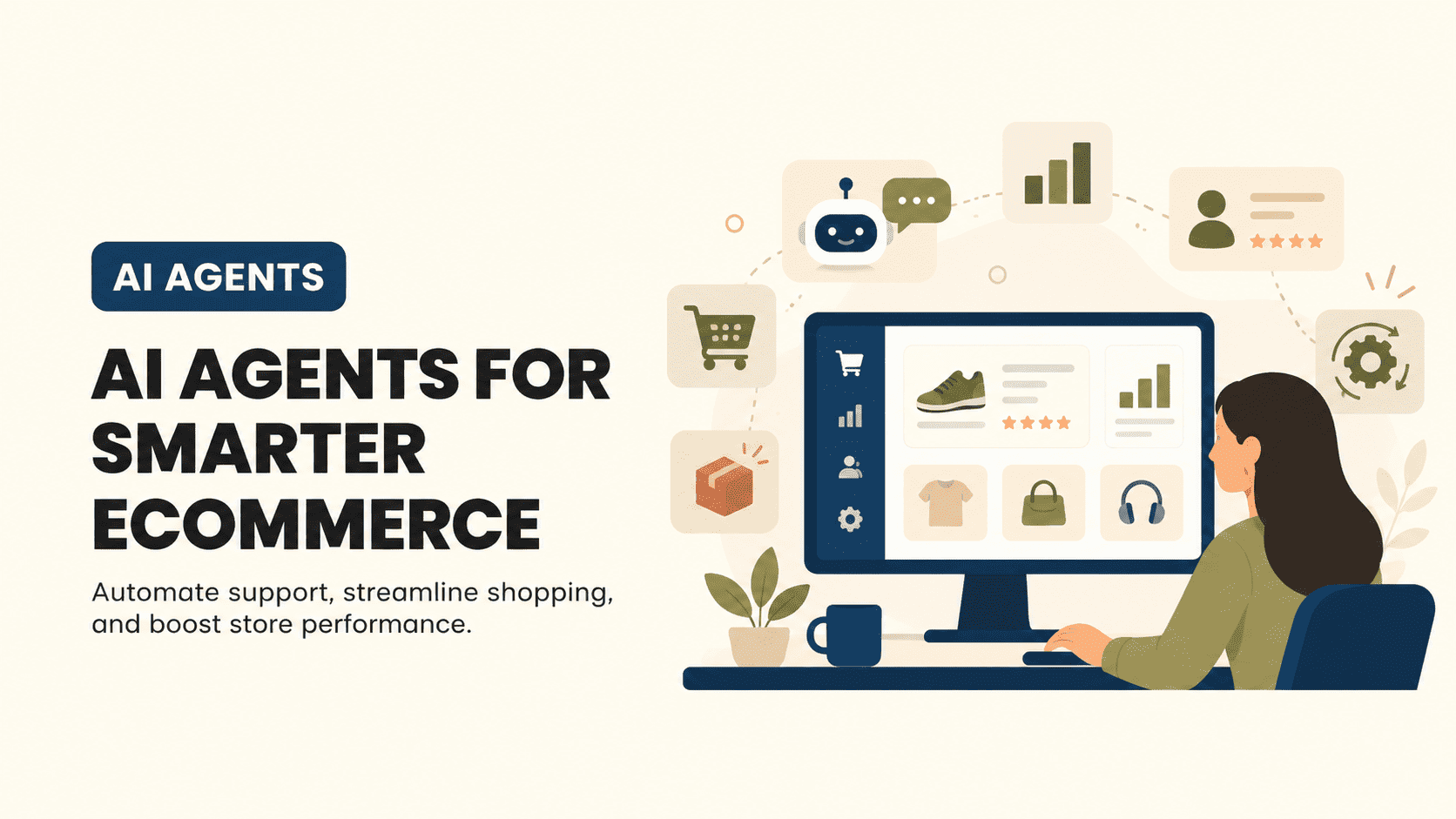
The reader can shortlist one or two platforms by primary job, existing stack, action depth, handoff, governance, and billing unit.


A practical breakdown of Gorgias Helpdesk and AI Agent pricing, including what counts toward each allowance, how to compare plans and how to budget with your own volumes.
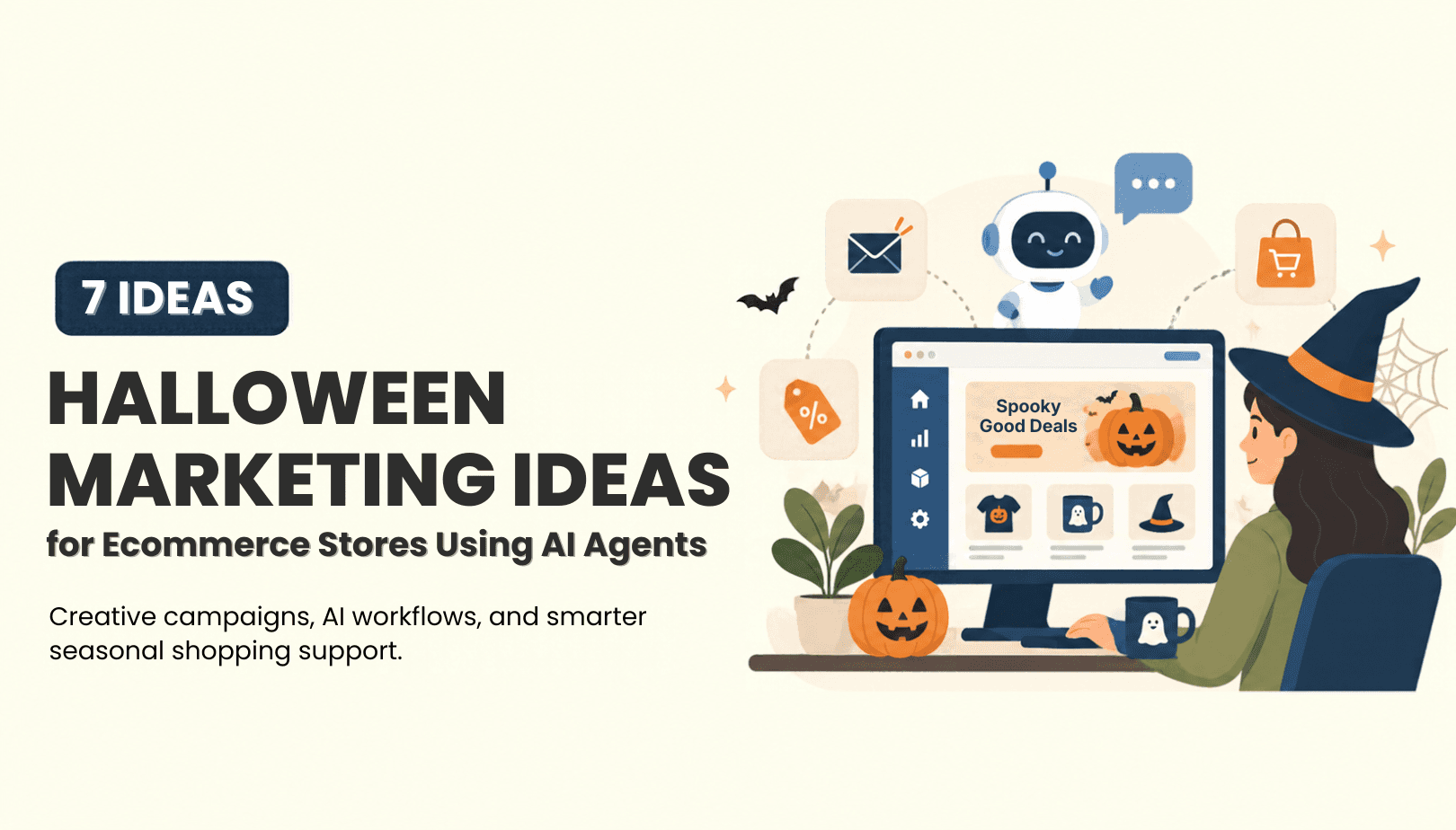
Choose Halloween ecommerce campaigns that fit your products, with AI agent workflows, offer worksheets, launch tests and order measurement.
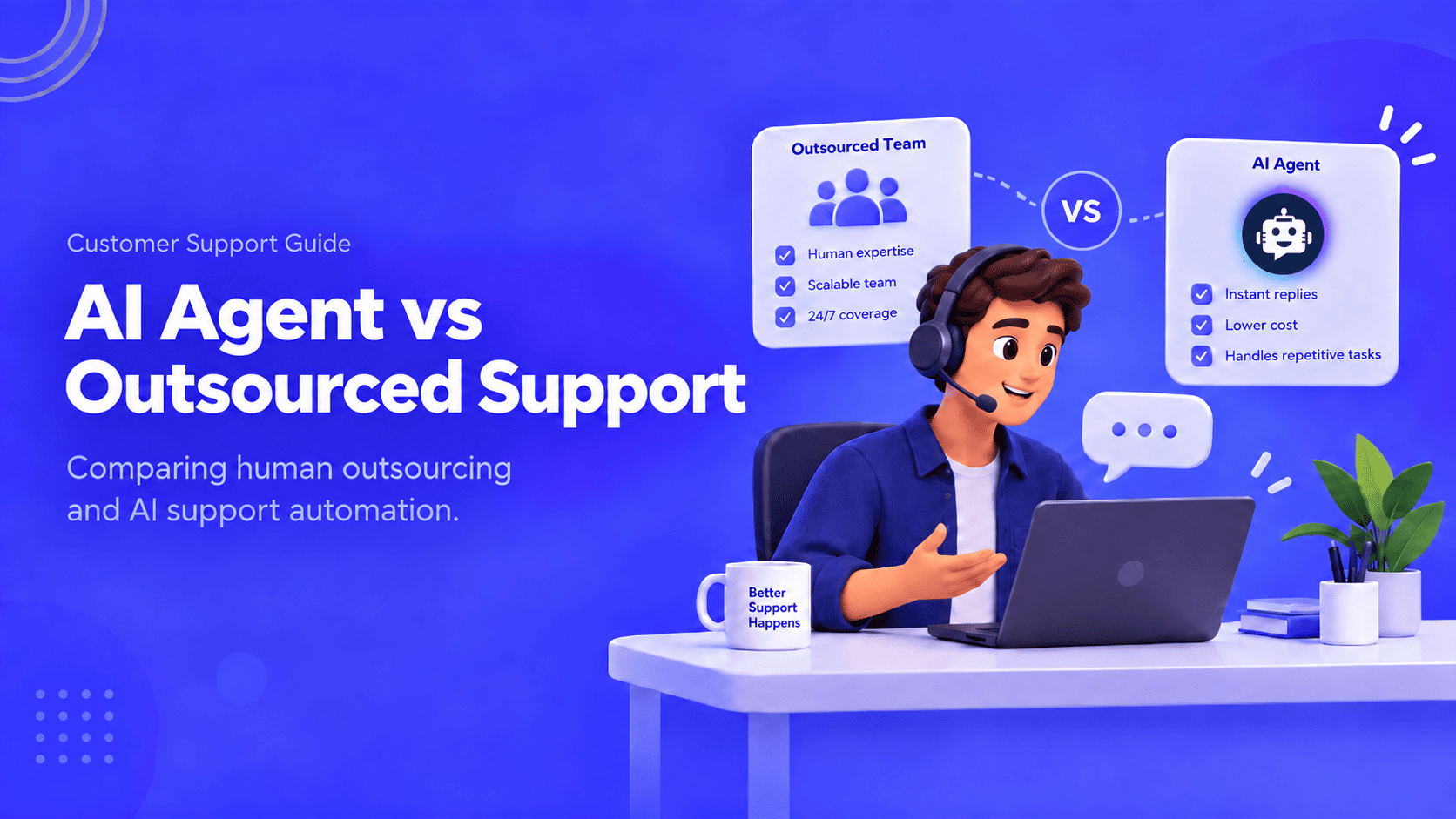
Compare outsourcing customer service with an AI agent using your own ticket mix, a cost model you fill in, and a clear rule for a hybrid split.
Export the Zendesk ticket archive, train an AI Agent on the help center, and test one real ticket before you stop the old queue.


Compare six Yuma alternatives by ecommerce capabilities, helpdesk compatibility, pricing and human handoffs to choose a replacement for your support team.
