Related posts
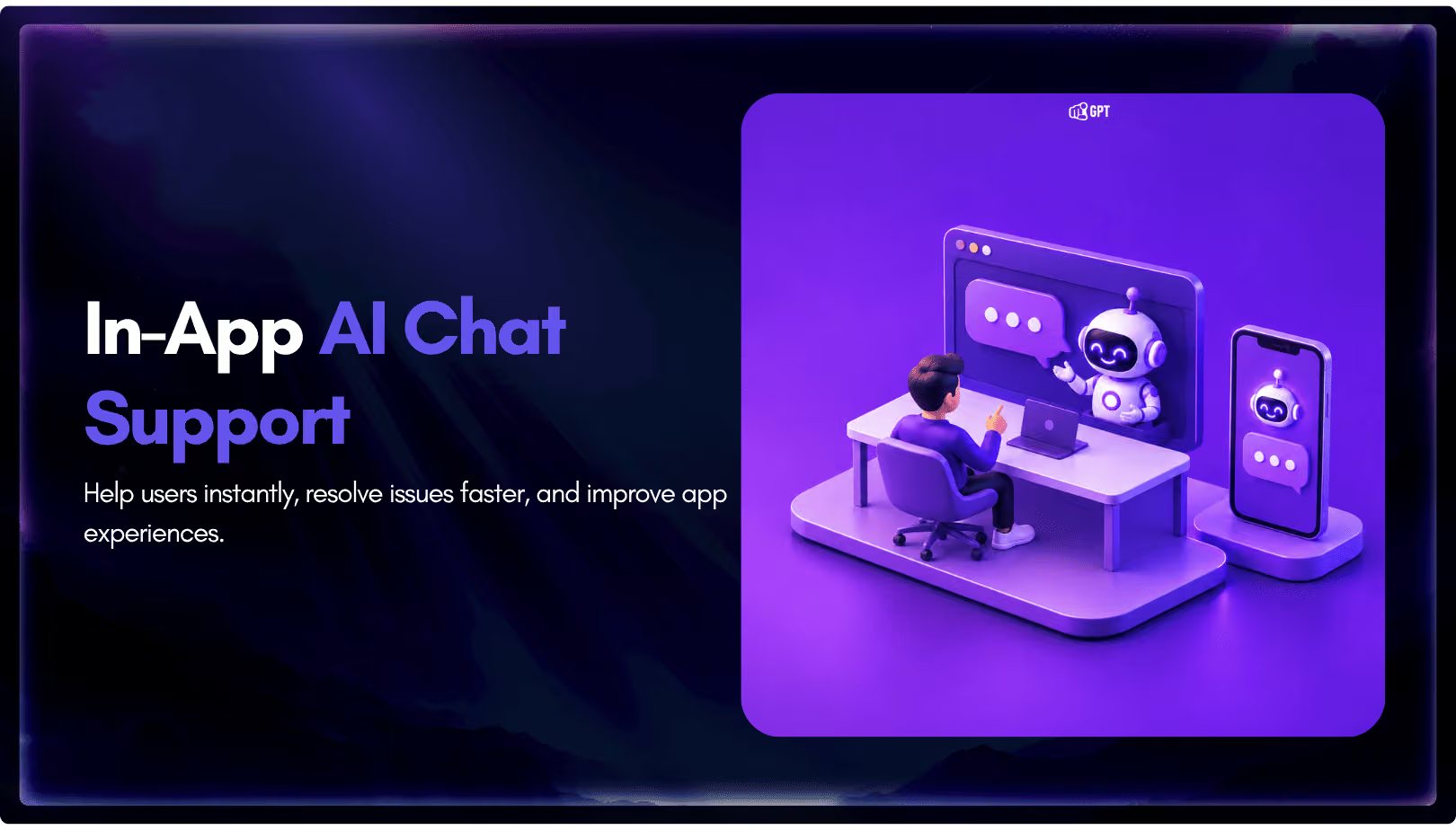
In-App Chat Support With an AI Agent for SaaS and Mobile Apps
Add in-app chat support to your SaaS or mobile app. Place it on the screens where users stall, pass who they are, and hand hard cases to your team.

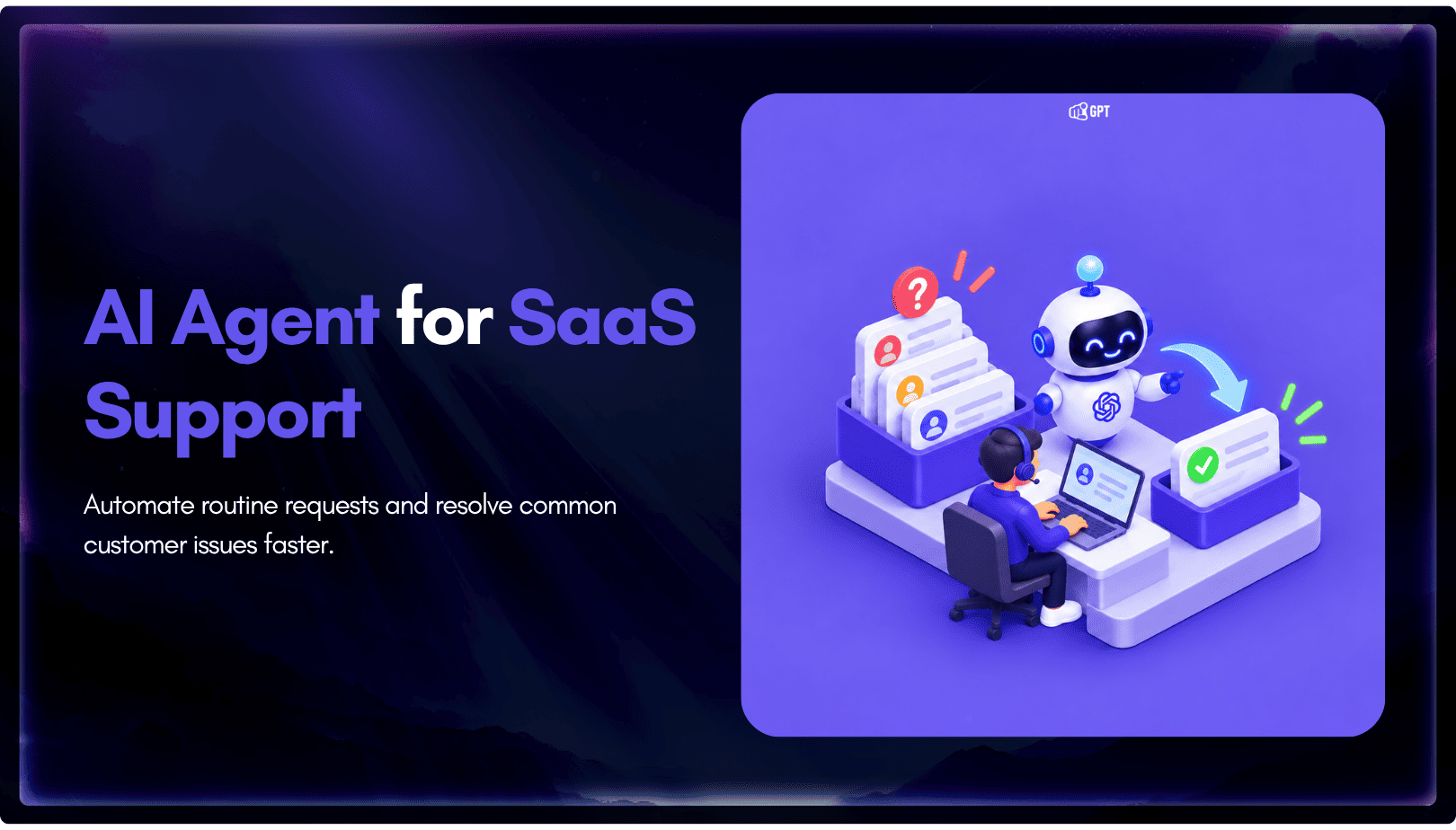
How to Reduce SaaS Support Tickets With AI Agents
Group new-account tickets by onboarding stage, train an AI agent on your docs, and place it in the product where new users get stuck.

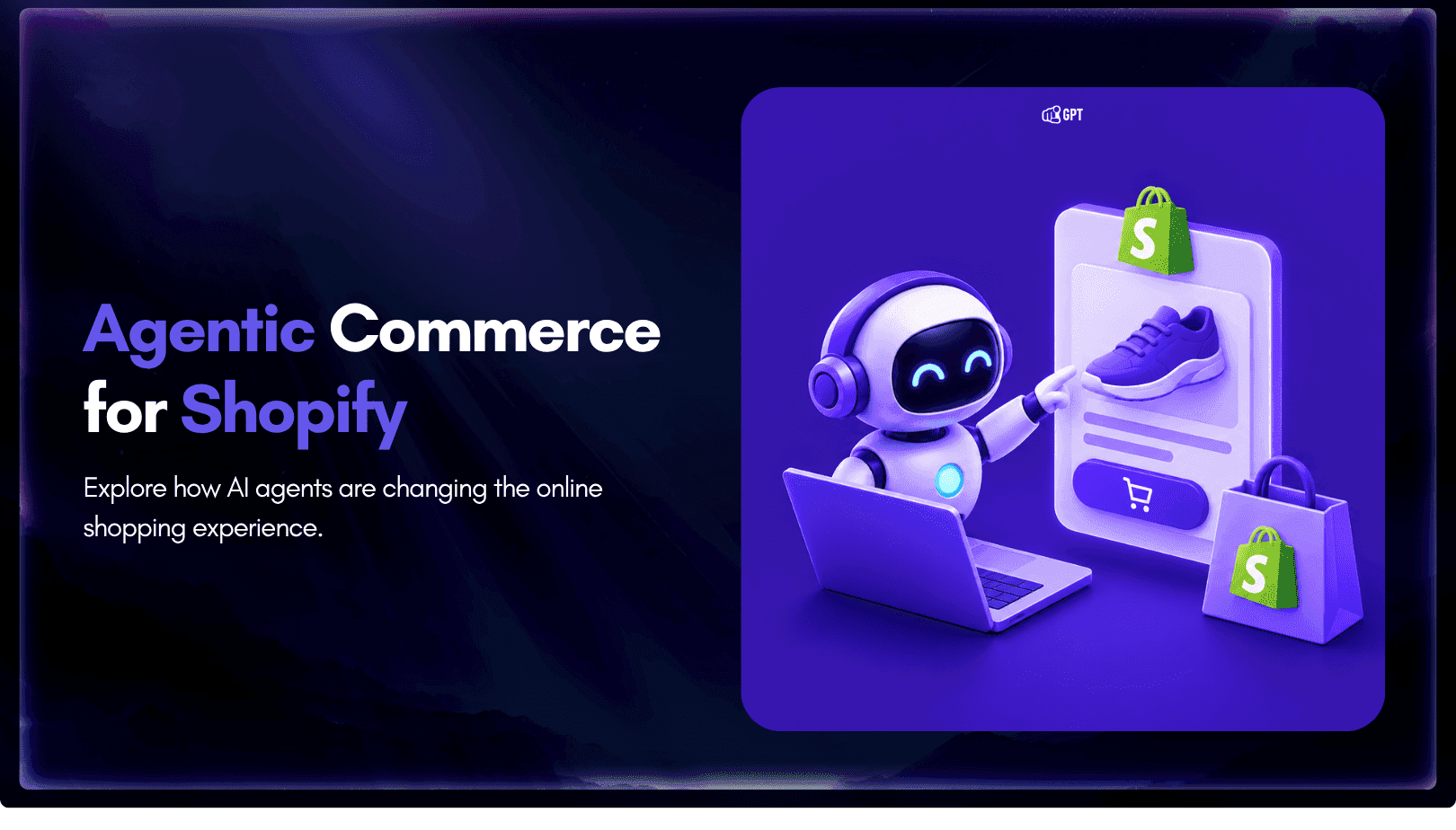
What Agentic Commerce Means for Your Shopify Store
AI agents can now find and buy products for shoppers. See what agentic commerce changes for a Shopify store and which support jobs stay yours.
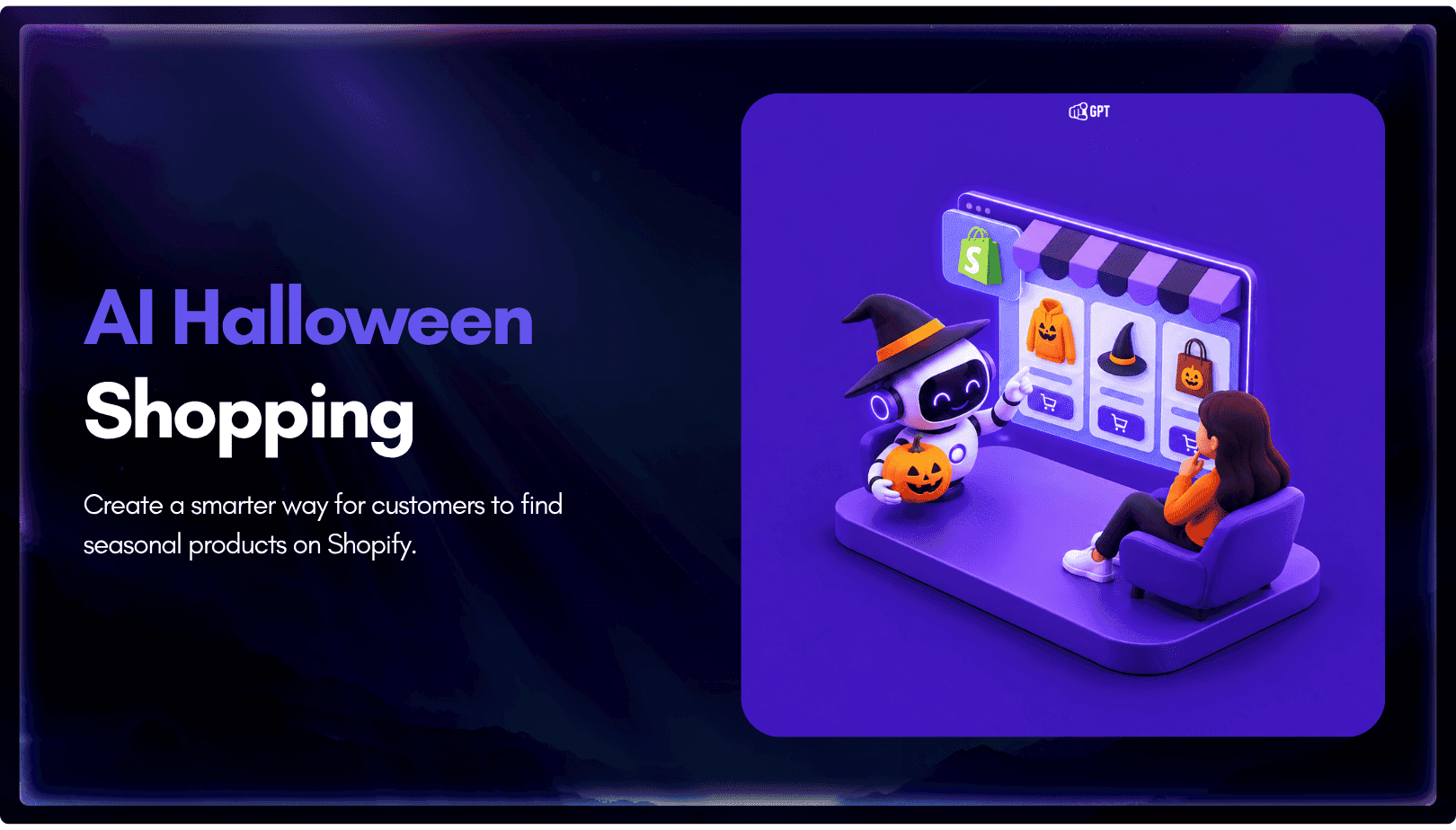
How to Build a Halloween Shopping Assistant for Your Shopify Store
Build a Halloween shopping assistant for Shopify with YourGPT. Set up product recommendations, stock checks, cart actions and human support before launch.

What Is a Good Customer Effort Score and How to Measure It
See what a good customer effort score looks like, how to word and calculate CES on each scale, and which support habits raise customer effort.
What Is Tier 1 Support and How an AI Agent Handles It
Tier 1 support handles first contact. See how Tiers 0 to 3 differ and what changes when an AI agent becomes your first line.