How Businesses Can Get the Official WhatsApp Verified Tick

Rajni
Last updated on August 5, 2026
WhatsApp Business verification adds a blue tick beside a business name, showing customers that the account is authentic and reviewed by Meta.
Businesses can pursue verification through two routes: a free option linked to the WhatsApp Business API or a paid Meta Verified subscription through the WhatsApp Business App.
Approval depends on accurate business details, a consistent online presence, two-step verification, and an approved display name.
The blue checkmark beside a business name on WhatsApp signals authenticity before a customer even opens the message. It turns an unknown number into a recognised business, which directly impacts response rates and trust.
WhatsApp verification helps customers identify legitimate businesses and avoid spam or impersonation. As users become more cautious about unsolicited messages, this distinction plays a direct role in whether a conversation starts or gets ignored.
It also goes beyond visibility. Verified businesses typically maintain higher messaging quality, better deliverability, and stronger account credibility within WhatsApp’s system.
In this blog, we will cover how businesses can get the official WhatsApp verified tick, including eligibility requirements, the application process, and what improves your chances of approval.
WhatsApp verification confirms a business account’s authenticity through Meta’s review process. Verified accounts display a blue tick badge next to the business name across chats, profiles, and contact details.
The badge serves three main purposes. It verifies business identity and protects customers from impersonation. It increases visibility by showing your business name even when the number is not saved. It also builds credibility, which can improve message open rates and customer engagement.
It is important to note that verification is separate from WhatsApp Business API access. A business can use the API without being verified, but only verified accounts receive the blue tick and the added trust signals.
WhatsApp originally used a green verification badge exclusively for businesses using the WhatsApp Business API. In 2024, Meta transitioned all verification badges to blue to maintain consistent branding across Facebook, Instagram, and WhatsApp platforms.
Existing green tick holders received automatic conversion to blue ticks without requiring new applications. The verification process and benefits remain identical, only the visual indicator changed to align with Meta’s unified verification system.
Businesses can pursue verification through two distinct routes, each designed for different operational scales and requirements.
The API route requires businesses to use the WhatsApp Business Platform rather than the free WhatsApp Business App. This verification pathway costs nothing but demands specific technical setup and business credentials.
API verification suits mid-sized to large businesses that need advanced messaging capabilities including brands official WhatsApp AI chatbots, and integration with existing customer relationship management systems. Businesses using this method must demonstrate notability through established online presence and media coverage.
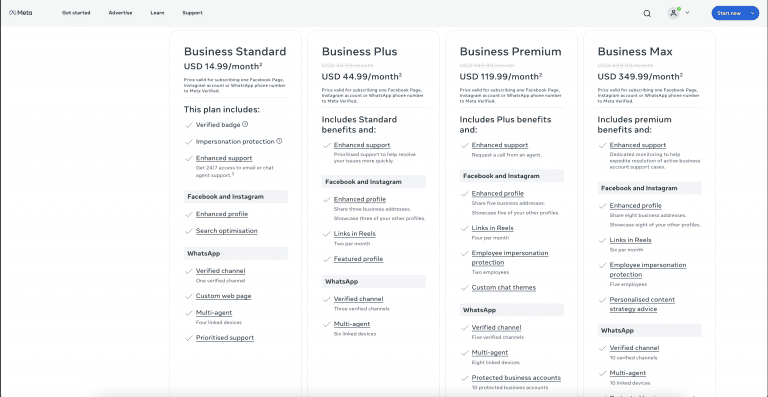
Meta Verified offers a subscription-based verification pathway through the WhatsApp Business App, making verification accessible to smaller businesses without API requirements. This paid service includes the verified badge, impersonation protection, enhanced customer support, and additional security features.
Meta offers four subscription tiers ranging from Business Standard at USD 14.99 monthly to Business Max at USD 349.99 monthly. Each tier provides verified channel access with varying feature sets including multi-agent capabilities, linked device allowances, and employee impersonation protection. Visit Meta Verified for Business to review current plan options and regional availability.
The subscription model provides simple verification for businesses that don’t require integrations. Plans include verification for one or multiple channels, allowing businesses to bundle WhatsApp verification with Facebook and Instagram verified badges.
Follow this detailed process to apply for WhatsApp Business verification through Meta Business Manager. Each step requires careful attention to ensure successful application submission.
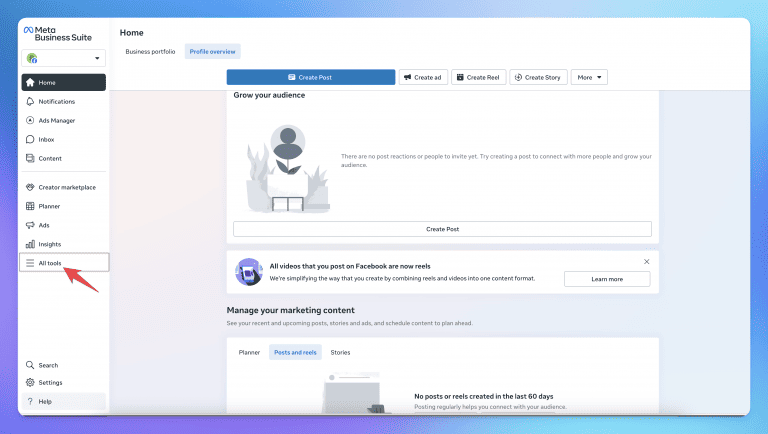
Navigate to Meta Business Suite and sign in with your Facebook account credentials. Ensure you have administrative access to your business portfolio before proceeding.
From the Meta Business Suite homepage, locate and click “All tools” in the left sidebar menu to access the complete suite of business management features.
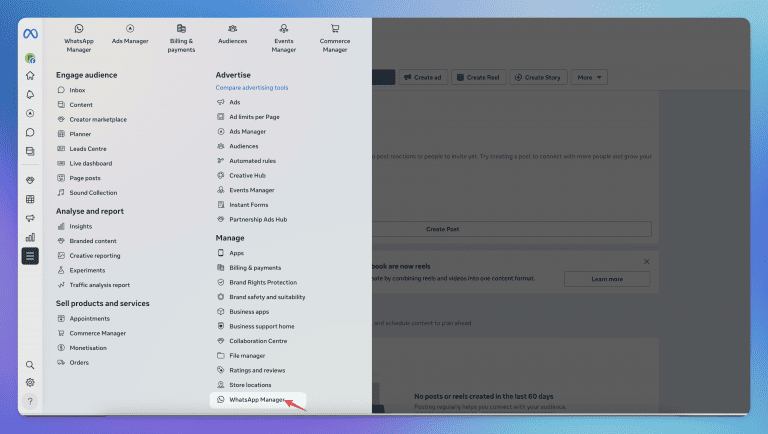
In the expanded tools menu, scroll down and select “WhatsApp Manager” from the available options. This interface manages all WhatsApp Business API accounts associated with your business portfolio.
WhatsApp Manager displays your connected WhatsApp Business accounts, messaging limits, conversation analytics, and verification status for each phone number.
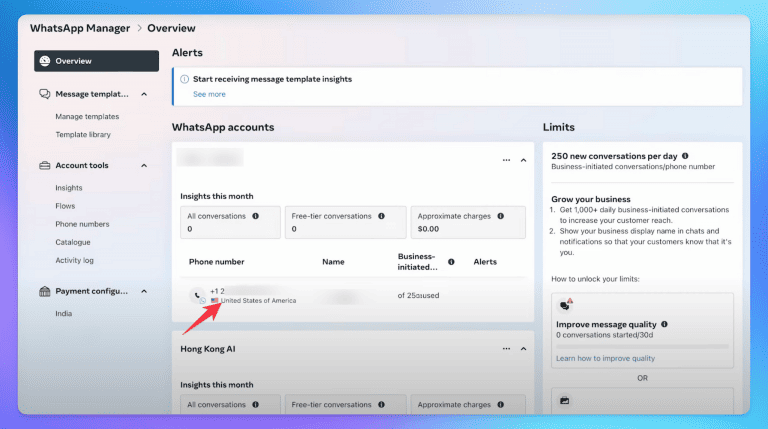
Within WhatsApp Manager, select “Phone numbers” from the left navigation menu. This section displays all phone numbers connected to your WhatsApp Business API account.
Locate the phone number you wish to verify from the displayed list. Click on the specific number to access its detailed settings and configuration options.
After selecting your phone number, navigate to the “Profile” tab in the horizontal menu. This section contains your business profile information, display name settings, and verification request options.
Scroll down to locate the “Official business account” section within the profile settings. This area displays your current verification status and provides access to the verification request form.
Before submitting your verification request, ensure two-step verification is enabled for your phone number. Navigate to the “Two-step verification” tab in the phone number settings.
If two-step verification isn’t enabled, click “Turn on two-factor authentication” and follow the prompts to set up your six-digit security PIN. This security measure is mandatory for verification approval.
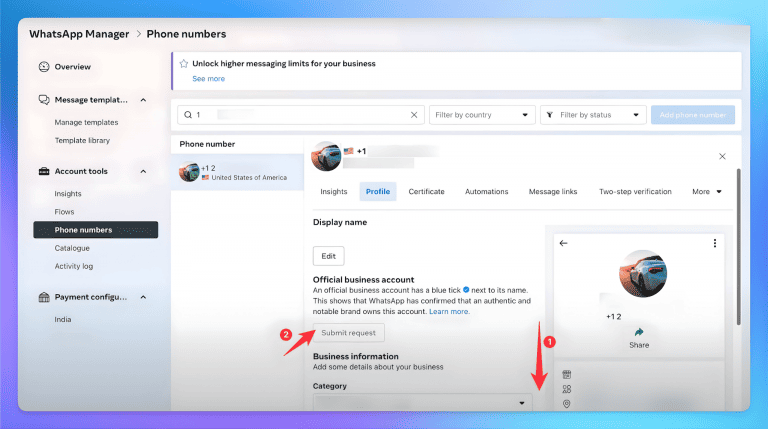
Return to the Profile tab and locate the “Submit request” button within the Official Business Account section. Click this button to open the verification request form.
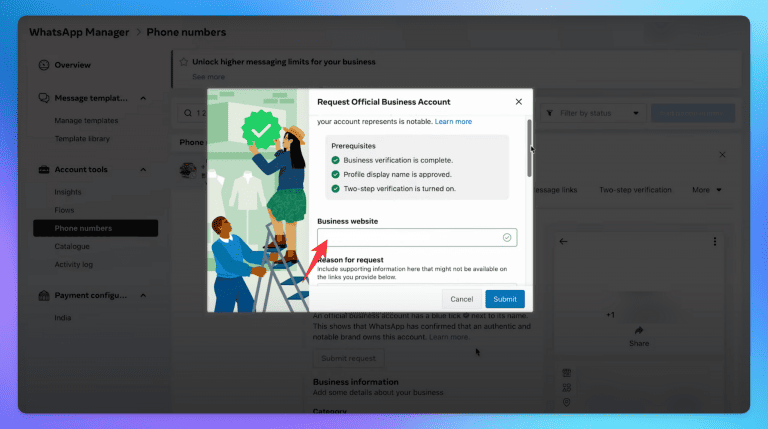
The form displays three prerequisite checks that must be complete before submission:
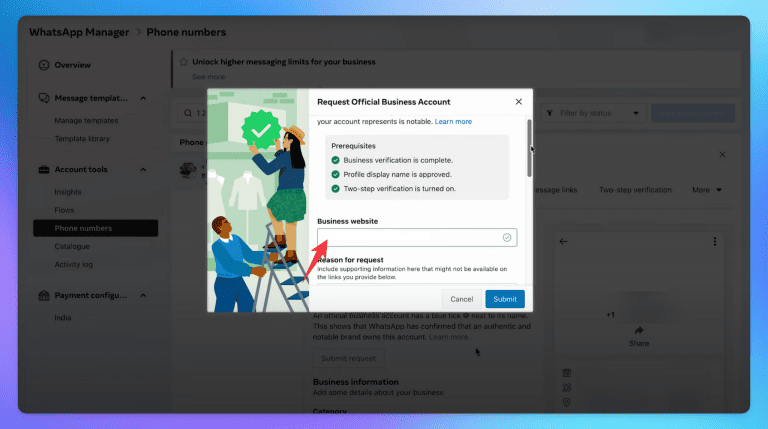
The verification request form requires specific information demonstrating your business notability and legitimacy.
Enter your business website URL in the designated field. This should be your official business website containing comprehensive company information, contact details, and privacy policies.
Provide a detailed reason for your verification request in the text field. Include supporting information about your business operations, customer base, and why official verification benefits your customer communications.
Submit up to 5 supporting links demonstrating business notability. These links should reference credible news articles, industry publications, or notable online mentions from recognised sources. Avoid submitting:
Add business context information including countries of operation, parent company details if applicable, primary business language, and business category. This context helps Meta understand your business scope and verification eligibility.
Review all entered information carefully before submission. Ensure accuracy across all fields, as errors or inconsistencies cause application delays or rejection.
Click “Submit” to send your verification request to Meta’s review team. You receive confirmation that your application has been submitted successfully.
Meta reviews verification requests within 2 to 7 business days under normal conditions. High submission volumes may extend review periods to two weeks. You receive notification through Meta Business Manager and email regarding verification status.
Approval grants immediate blue tick display beside your business name across all WhatsApp interactions. Rejection notifications explain denial reasons and permit reapplication after 30 days.
Two paths lead to verification. Businesses on the WhatsApp Business API can request the blue tick directly through Meta Business Manager once their Meta Business account is verified, with no added cost. Businesses on the WhatsApp Business App apply through the paid Meta Verified subscription instead. Both paths reward a consistent online presence, accurate business details, and a display name that matches official records.
It depends on the path. Verification through the WhatsApp Business API carries no extra fee once a Meta Business account is verified. Verification through the WhatsApp Business App runs on the paid Meta Verified subscription, which starts at roughly $15 a month and scales up by tier depending on the features included.
The blue tick confirms a brand is authentic before a customer opens the first message, which builds trust and improves open rates. It also protects a business from impersonation by copycat or scam accounts.
Applicants typically need a registered business name, a working business website with real contact details, and supporting links that prove notability, such as credible news coverage or industry publications. Self-published blog posts, social media links, and paid promotional content do not count as supporting evidence.
Verification does not raise messaging limits directly, but it strengthens the business profile Meta uses to evaluate limit increases. A verified badge alongside a clean quality rating and consistent template performance makes it easier to qualify for higher messaging tiers over time.
Most reviews complete within 2 to 5 business days once documentation is accurate and complete. Reviews can stretch closer to two weeks during high submission volumes or if details are inconsistent across the application.
Rejections usually trace back to an unverified Meta Business account, a business name that does not match official records, a thin or inconsistent online presence, or a policy violation. Meta allows reapplication 30 days after a rejection, so it is worth fixing the flagged gaps before resubmitting.
The badge does not expire on a fixed schedule, but Meta can revoke it if account activity, messaging quality, or business details drift from its standards. On the Meta Verified subscription specifically, the badge is tied to an active subscription and disappears if the subscription is cancelled.
The result looks the same to customers: a blue tick beside the business name. The path differs. Business App users go through the paid Meta Verified subscription, while Business API users apply directly through Meta Business Manager at no extra cost, provided the business meets Meta’s notability and documentation requirements.
Yes. A verified number does not restrict automation, and connecting an AI agent platform like YourGPT to a verified WhatsApp Business number is a common next step once the badge is approved. YourGPT routes conversations through the same verified number, keeps context when a chat escalates to a human agent, and preserves the trust signal the badge already built.
The blue tick does more than confirm your business is real. It shapes how customers perceive your brand before they even read your first message. In a channel where trust matters, that first impression makes a difference.
Verification alone is not enough. A verified account that responds late or sends generic replies can still lose customers to faster and more responsive competitors. This is where automation becomes important. When your identity is verified and your responses are timely and relevant, customers are more likely to stay engaged.
YourGPT builds on this by combining AI agents with live agent workflows in one place. The goal is to ensure no customer is left waiting and every interaction stays consistent with your brand.
If you plan to use WhatsApp as a growth channel, verification is the starting point. What you build on top of it, from automation to personalization, becomes more effective when customers already trust who they are speaking with.
Bring automation, speed, and intelligence to your daily operations with YourGPT. From customer support to sales and internal workflows, YourGPT helps you work smarter, respond faster, and grow sustainably.
Fast setup · Secure and compliant · Built for growing teams
Use YourGPT to help Black Friday shoppers choose products, check orders and understand returns. Prepare your answers and team before the sale.

Add in-app chat support to your SaaS or mobile app. Place it on the screens where users stall, pass who they are, and hand hard cases to your team.
Group new-account tickets by onboarding stage, train an AI agent on your docs, and place it in the product where new users get stuck.
AI agents can now find and buy products for shoppers. See what agentic commerce changes for a Shopify store and which support jobs stay yours.
Build a Halloween shopping assistant for Shopify with YourGPT. Set up product recommendations, stock checks, cart actions and human support before launch.

See what a good customer effort score looks like, how to word and calculate CES on each scale, and which support habits raise customer effort.