ChatGPT Custom Instructions: Personalizing Your AI Conversations!

Rohit Joshi
July 20, 2023
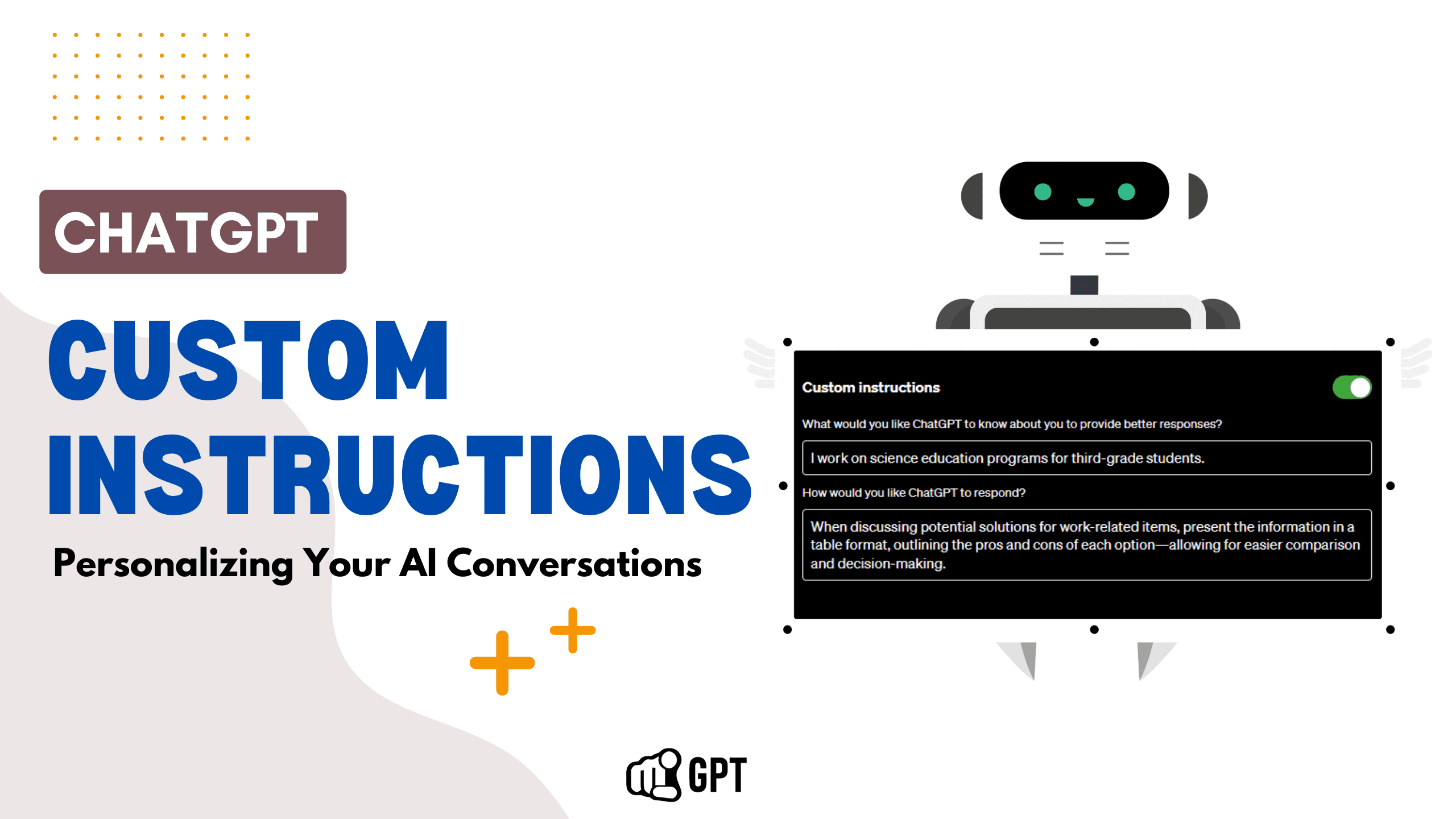
Are you ready to take your conversations with ChatGPT to the next level? OpenAI is excited to announce the launch of Custom Instructions, a groundbreaking feature that allows you to customize ChatGPT’s responses according to your specific requirements and preferences. Whether you’re a language learner, a writer, a professional, or just someone looking for a more tailored AI experience, Custom Instructions are here to make your interactions more efficient, effective, and enjoyable.
Custom Instructions empower you to provide context and requests that ChatGPT will consider for every conversation going forward. This means you no longer have to repeat essential information or preferences each time you interact with ChatGPT. The model will remember and apply your instructions consistently, streamlining your conversations and saving you valuable time.
Early testers of Custom Instructions have already discovered its immense potential across various fields:
Starting today, Plus plan users can access Custom Instructions through the beta version. Here’s how you can enable the feature:
Please note: At this time, Custom Instructions are not yet available in the UK and EU.
OpenAI recognizes the value of steerability in ensuring ChatGPT effectively serves the unique needs and contexts of its users. The implementation of Custom Instructions addresses user feedback and minimizes the friction of starting each ChatGPT conversation afresh. With enhanced steerability, ChatGPT becomes a more valuable tool for users across 22 countries, catering to diverse preferences and requirements.
OpenAI’s introduction of Custom Instructions is a significant step toward making AI interactions more personal and efficient. Plus users can now take advantage of this exciting feature to streamline conversations and benefit from the immense potential it offers. As ChatGPT continues to evolve and grow, we can look forward to more innovations and improvements that will further enhance our AI-powered experiences.
So, what are you waiting for? Try out Custom Instructions today and witness the power of a personalized ChatGPT experience like never before!
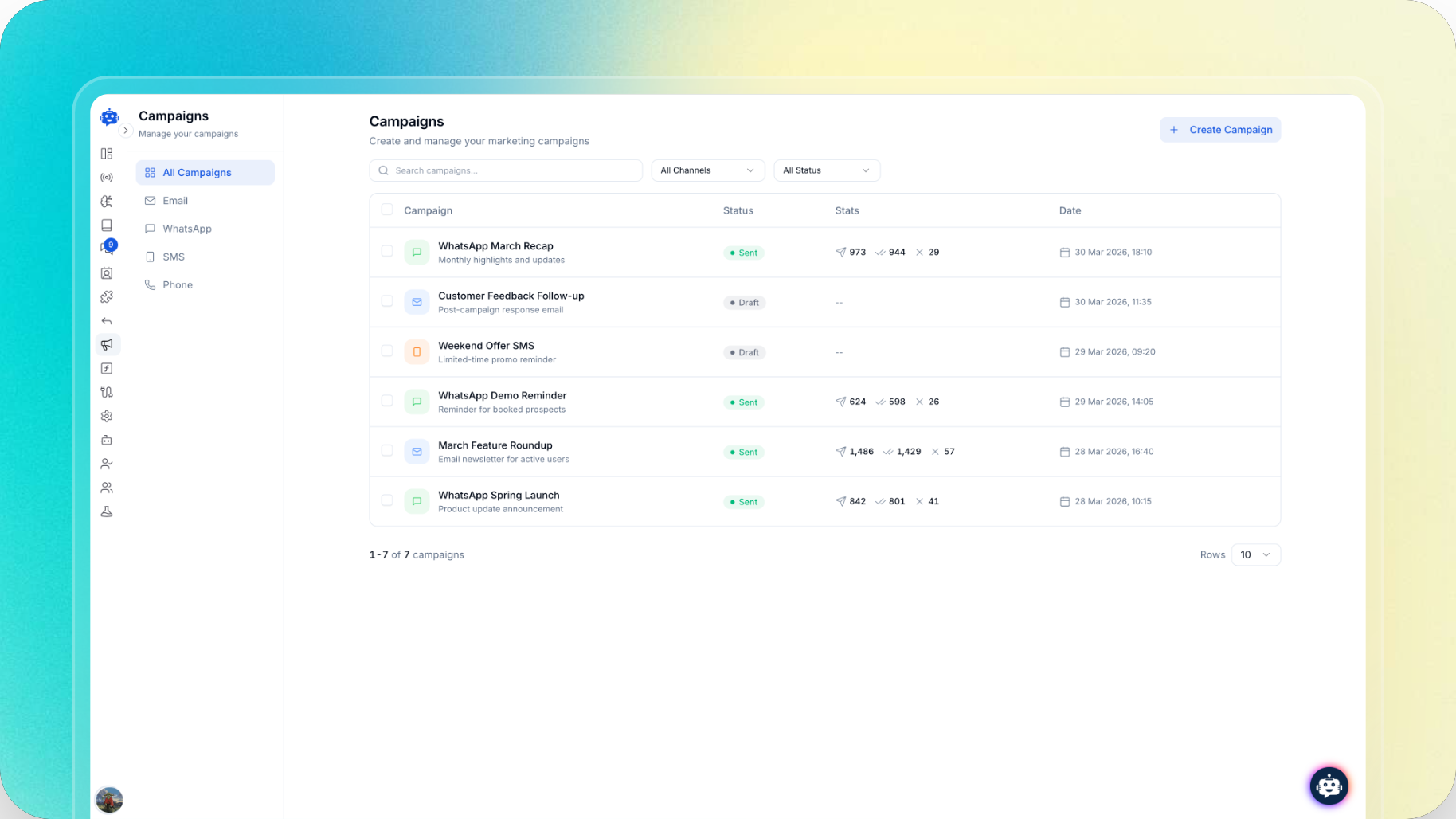
At YourGPT, we’ve always believed businesses need one platform for customer support, sales, and engagement. These are not separate parts of the customer journey. They shape how businesses communicate, build relationships, and move conversations forward. That belief continues to guide how we evolve YourGPT, building toward a more connected way for teams to manage communication, […]

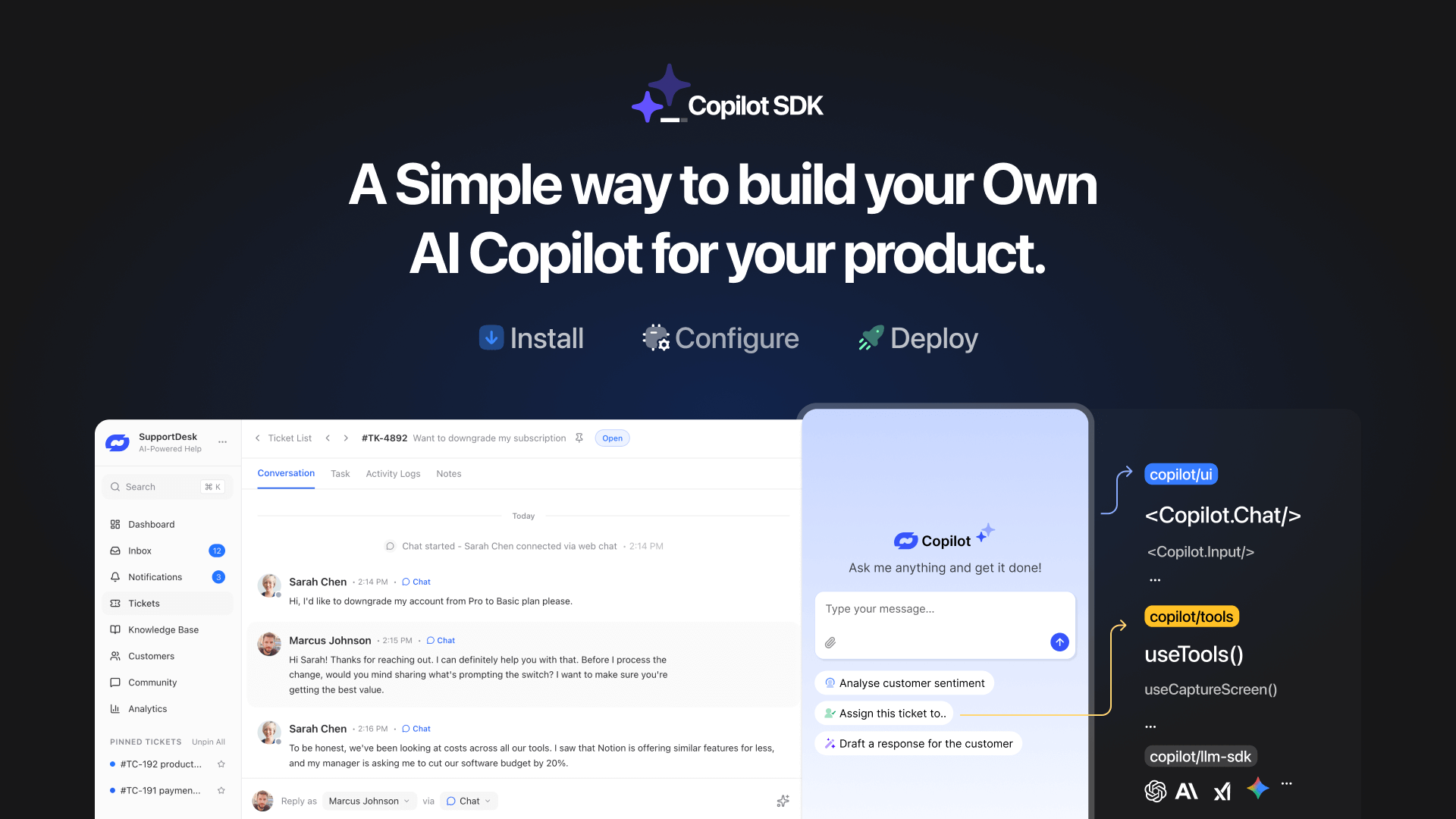
TL;DR YourGPT Copilot SDK is an open-source SDK for building AI agents that understand application state and can take real actions inside your product. Instead of isolated chat widgets, these agents are connected to your product, understand what users are doing, and have full context. This allows teams to build AI that executes tasks directly […]
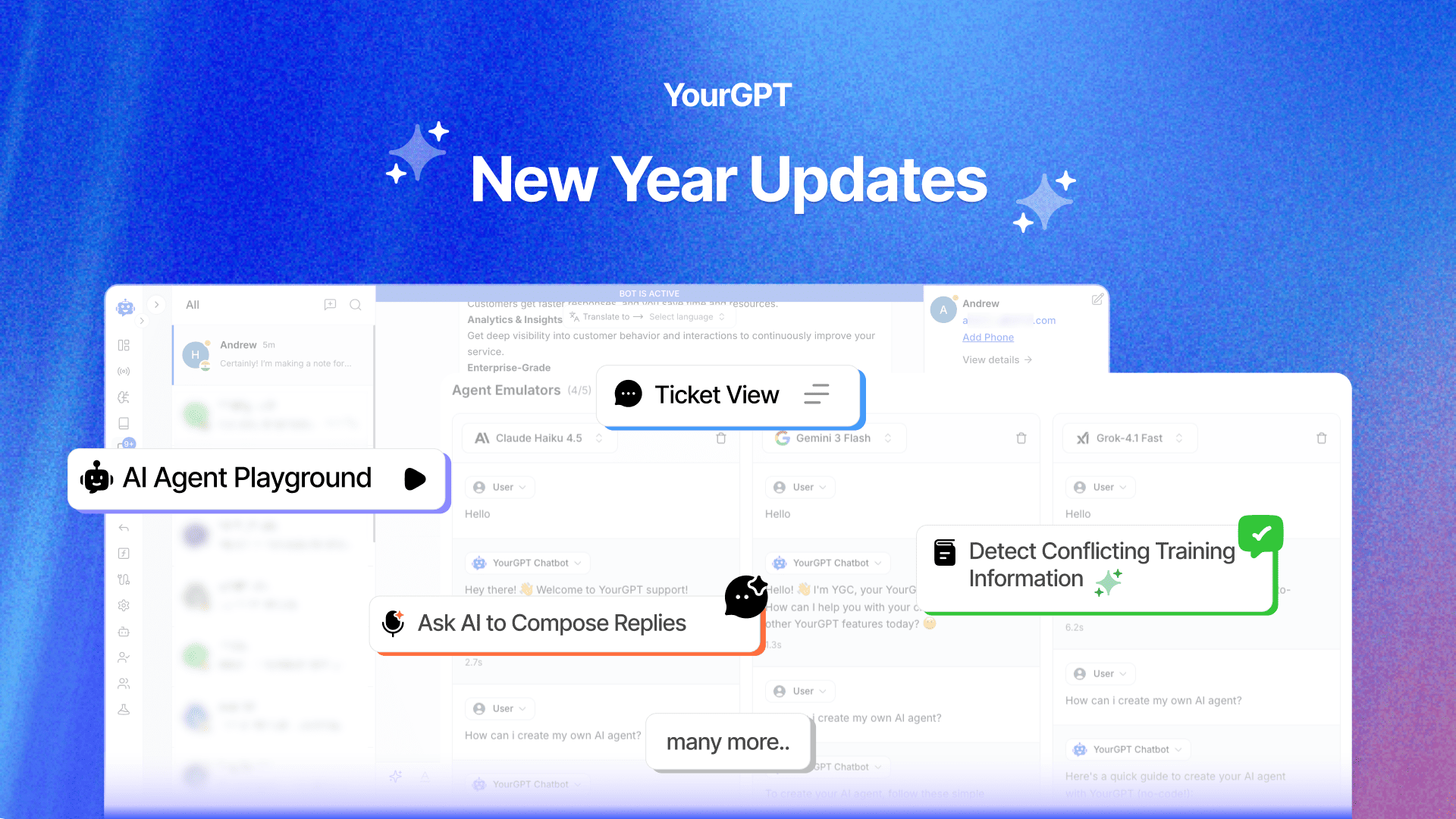
Happy New Year! We hope 2026 brings you closer to everything you’re working toward. Throughout 2025, you’ve seen the platform evolve. We shipped the AI Copilot Builder so your AI could execute actions on both frontend and backend, not just answer questions. We added AI assistance inside Studio to help you generate workflows without starting […]

Grok 4 is xAI’s most advanced large language model, representing a step change from Grok 3. With a 130K+ context window, built-in coding support, and multimodal capabilities, Grok 4 is designed for users who demand both reasoning and performance. If you’re wondering what Grok 4 offers, how it differs from previous versions, and how you […]

OpenAI officially launched GPT-5 on August 7, 2025 during a livestream event, marking one of the most significant AI releases since GPT-4. This unified system combines advanced reasoning capabilities with multimodal processing and introduces a companion family of open-weight models called GPT-OSS. If you are evaluating GPT-5 for your business, comparing it to GPT-4.1, or […]


In 2025, artificial intelligence is a core driver of business growth. Leading companies are using AI to power customer support, automate content, improving operations, and much more. But success with AI doesn’t come from picking the most popular model. It comes from selecting the option that best aligns your business goals and needs. Today, the […]