9 Best Email Tools for WooCommerce Stores in 2026

Rajni
Last updated on June 2, 2026
Managing email communication effectively is an important part of running a WooCommerce store in 2026. The right email tools help store owners automate notifications, segment customer lists, track engagement, and maintain reliable communication with shoppers. These tools support key functions such as order confirmations, abandoned cart reminders, welcome messages, and post-purchase updates.
This blog reviews the 9 best email tools for WooCommerce stores in 2026, focusing on features like integration with WooCommerce, automation workflows, email segmentation, personalization, transactional email support, and analytics.
By understanding what each tool offers, store owners can choose solutions that streamline communication, improve operational efficiency, and ensure consistent interaction with their customers.
Email remains an important channel for WooCommerce stores because it supports both customer communication, support and customer engagement. It is used to send campaigns, but it also handles many of the routine interactions customers expect, including order confirmations, shipping updates, account emails, review requests, and post-purchase follow-ups. That makes email a practical part of how stores manage the customer experience across the buying journey.
Its value increases when it is connected to WooCommerce data such as product views, cart activity, order history, and previous engagement. Instead of sending the same message to every subscriber, stores can respond to real behavior with better timing and more relevant communication.
The right email tools can help you:
For WooCommerce brands, email is not only a promotional channel. It also supports retention, customer experience, and more consistent communication from first visit to repeat purchase.
This makes them indispensable for ensuring smooth interactions, improving customer satisfaction, and fostering long-term relationships.growth.
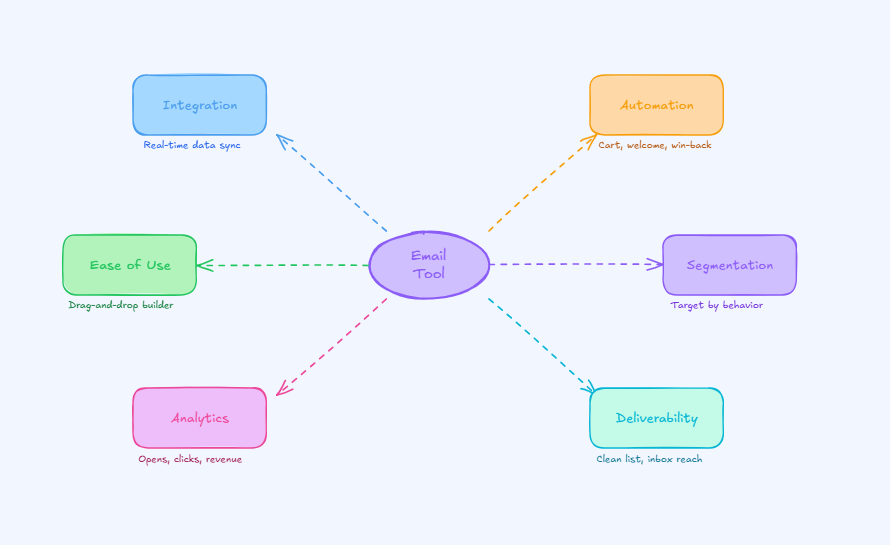
Choosing the right email tool directly impacts how effectively your WooCommerce store grows. Many successful stores rely on a combination of tools that handle specific tasks well, rather than forcing one platform to do everything.
Here are the key factors to consider:
The best choice depends on how you operate. A lean store may want simplicity and native WordPress workflows. A more advanced brand may need deeper segmentation, lifecycle orchestration, or AI-powered automation across multiple communication channels.
| Platform | Best For |
|---|---|
| YourGPT | AI-powered customer communication, support, sales, and workflow automation |
| Klaviyo | Data-driven email and SMS marketing for growing WooCommerce stores |
| Omnisend | Multichannel ecommerce automation with email, SMS, and push notifications |
| Sequenzy | AI-first email automation with native WooCommerce integration |
| ActiveCampaign | Advanced automation, CRM, and behavior-driven customer journeys |
| Email Verification for WooCommerce | Verifying customer emails and maintaining a clean WooCommerce email list |
| Brevo | Affordable marketing and transactional emails for WooCommerce stores |
| MailPoet | Managing WooCommerce emails directly inside WordPress |
| MailerLite | Simple and affordable email marketing for small to medium WooCommerce stores |
Boost your store’s revenue and customer engagement with powerful email tools designed specifically for WooCommerce. From automation to personalization, these platforms help you turn visitors into loyal customers.
Best for: WooCommerce businesses that want email communication to work alongside AI-driven support, sales, and operational workflows, rather than relying only on a traditional email marketing tool.
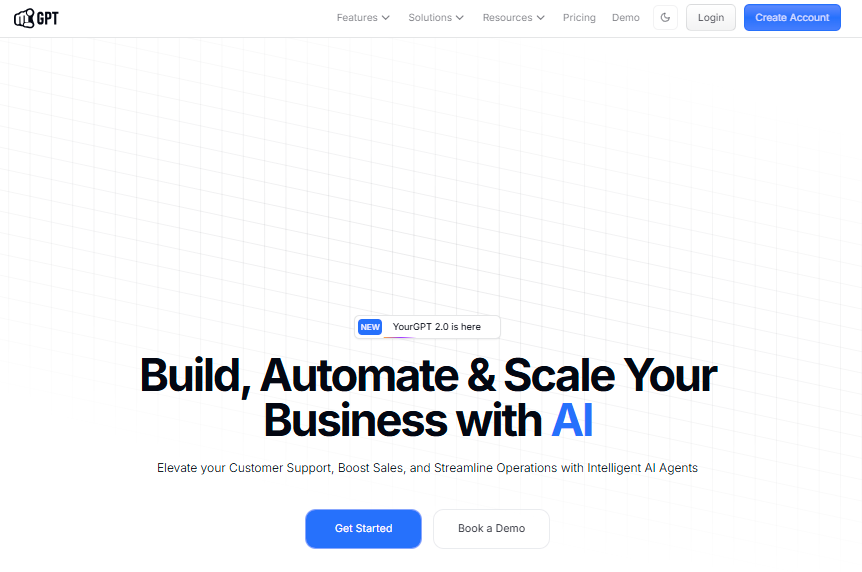
YourGPT is an AI-first platform that helps WooCommerce stores manage email communication as part of a broader customer engagement and support workflow. For teams handling high volumes of inquiries, follow-ups, and post-purchase communication, it can support email use cases such as customer support responses, order-related updates, and lifecycle communication with more speed and consistency. Instead of relying entirely on manual replies and disconnected tools, businesses can use YourGPT to make email handling more efficient while keeping responses grounded in real business context.
When connected to WooCommerce and other systems through APIs, webhooks, and related integrations, YourGPT can use store data such as order details, customer activity, and business information to support more relevant email interactions. It is useful choice for WooCommerce businesses that want email communication to be more responsive, context-aware, and closely connected to support, sales, and operational workflows.
Best for: Mid to large WooCommerce stores that want to use customer data for more precise targeting and measurable growth.
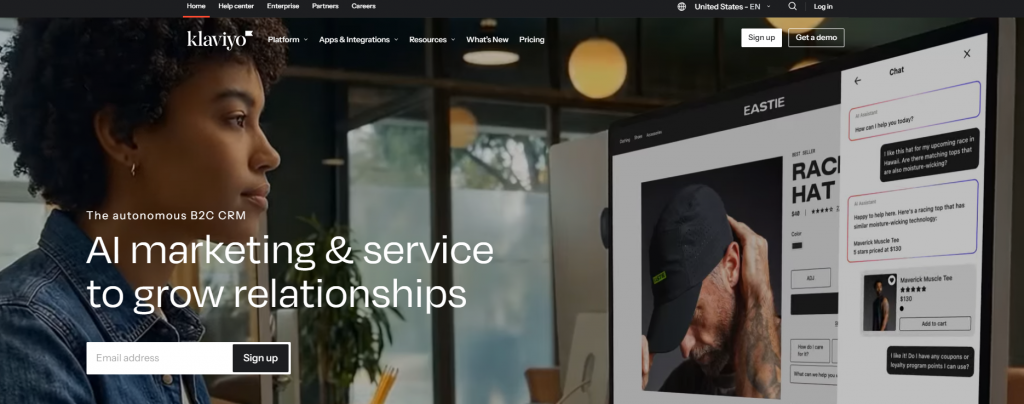
Klaviyo is widely used by WooCommerce stores that rely on data to drive their marketing decisions. It offers deep integration with WooCommerce, allowing you to use customer behavior such as product views, purchases, and on-site activity to create more targeted email campaigns.
The platform focuses on helping businesses build detailed customer segments and automate communication based on real actions, which makes campaigns more relevant and measurable.
Best for: Growing WooCommerce stores that want simple automation with multichannel marketing capabilities.
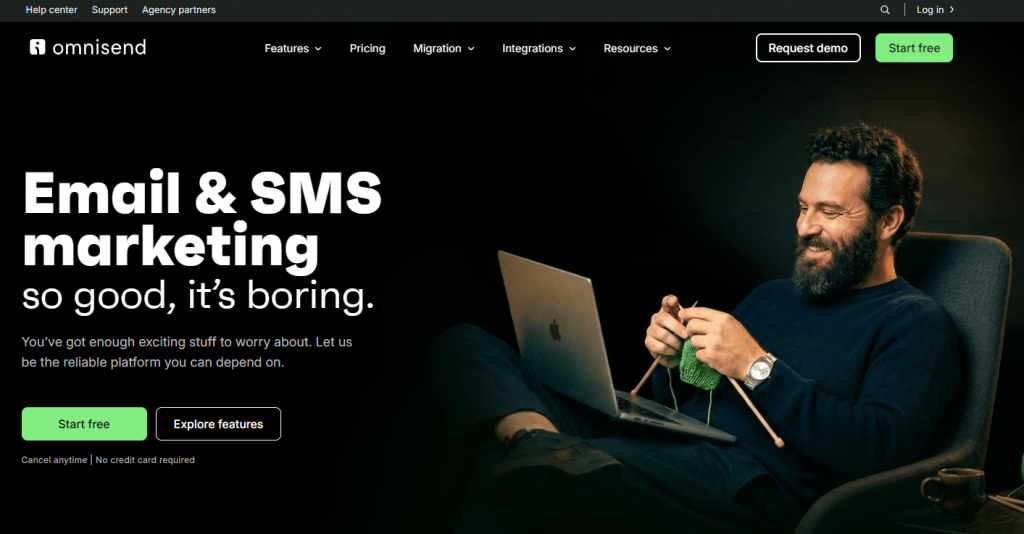
Omnisend is built for ecommerce businesses that want to manage email, SMS, and other channels from one place. It integrates smoothly with WooCommerce, syncing customer and order data so you can create campaigns based on real shopping behavior.
The platform focuses on making automation simple while still giving you enough control to run targeted and effective campaigns across multiple channels.
Best for: WooCommerce store owners who want a polished visual email platform with native WordPress integration, plus AI agents, a CLI, and a built-in sequence generator that legacy tools do not offer.
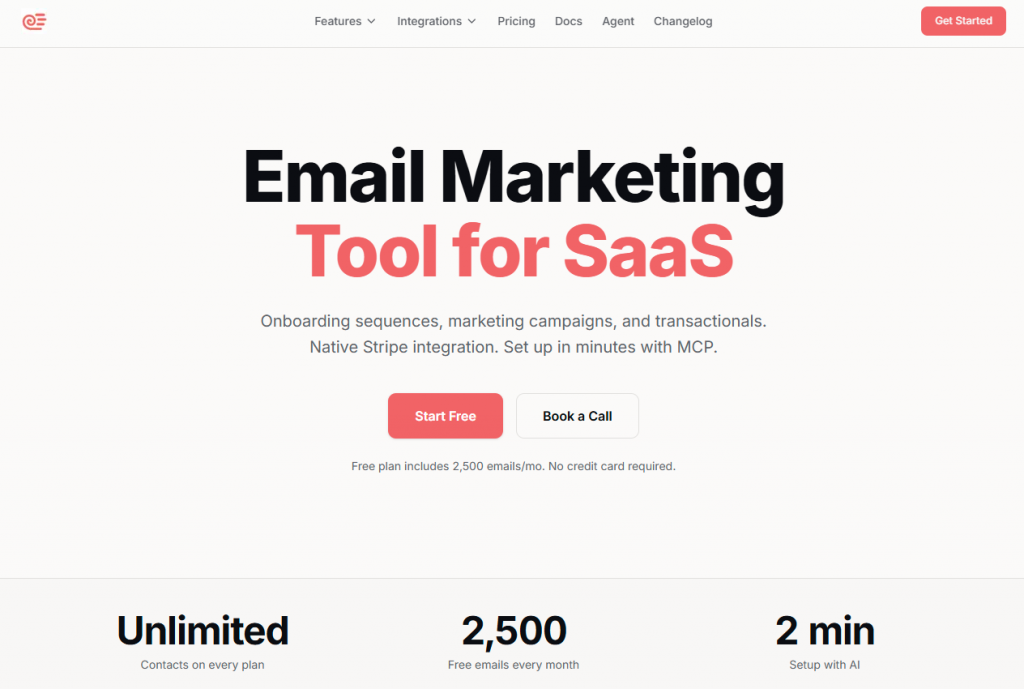
Sequenzy is an AI-first email platform that fits WooCommerce stores wanting a modern approach to email marketing and automation. It combines marketing campaigns and transactional email in one place with pay-per-email pricing and unlimited contacts on every plan, which works well for stores with large customer databases where only a fraction gets emailed each month.
For WooCommerce stores, Sequenzy ships a native WordPress plugin that syncs orders, customers, and product data automatically, so you can run abandoned cart flows, post-purchase sequences, and review requests from real store activity. The visual automation builder, drag-and-drop email editor, dynamic segments, and revenue attribution cover everything a store needs in a polished UI. On top of that, Sequenzy adds an AI layer most platforms do not have: an MCP server lets Claude, Cursor, and other AI agents manage campaigns directly, a CLI handles workflows from the terminal, and the AI sequence builder turns a plain-language goal into a full multi-email flow in seconds.
Best for: WooCommerce stores that want to combine email marketing with CRM and build detailed, behavior-driven customer journeys.
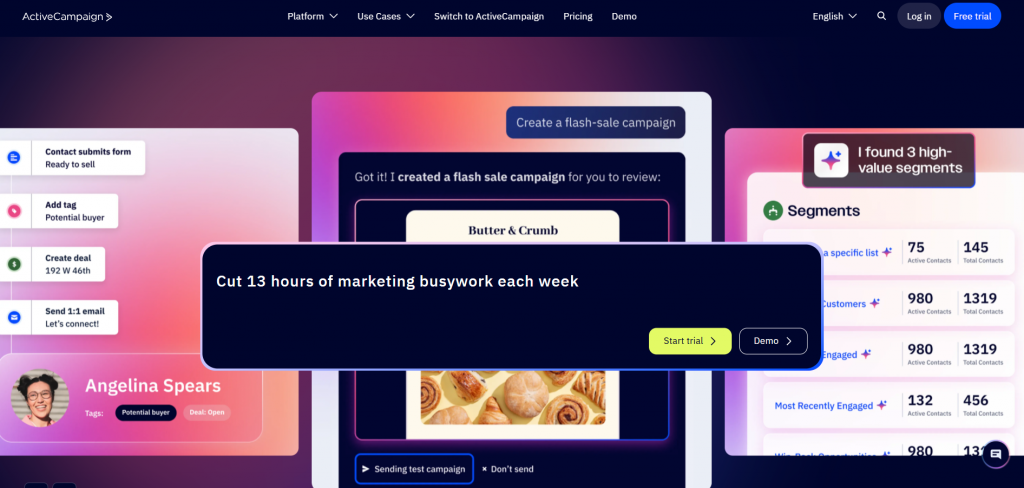
ActiveCampaign is a strong choice for WooCommerce stores that want more control over their customer journeys. It combines email marketing, automation, and CRM in one platform, allowing you to manage communication and relationships across the entire customer lifecycle.
With its WooCommerce integration, you can use purchase data, site activity, and custom fields to create highly targeted campaigns. It works well for businesses that see email as part of a larger sales and engagement strategy.
Best for: All WooCommerce stores that want to maintain a clean email list and improve the effectiveness of their email marketing from the beginning.
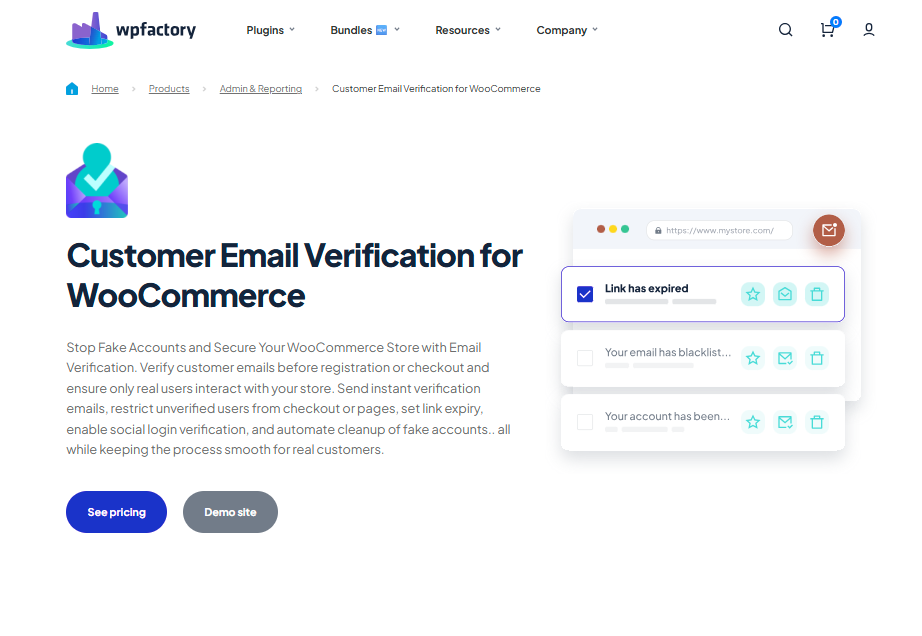
Email Verification for WooCommerce by WPFactory helps keep your customer list clean from the start. It focuses on verifying user email addresses during signup or checkout, so only valid users are added to your store and marketing lists.
By reducing fake or incorrect email entries, it supports better deliverability and improves the overall quality of your email campaigns. It works directly within WooCommerce and is easy to manage from the WordPress dashboard.
Best for: All WooCommerce stores that want to maintain a clean email list and improve the effectiveness of their email marketing from the beginning.
Brevo is a practical choice for WooCommerce stores that want both marketing and transactional email capabilities in one platform. It integrates with WooCommerce to sync customer and order data, making it easier to manage campaigns and essential store communications together.
The platform is known for its affordability and offers a mix of email, SMS, and basic CRM features, making it suitable for stores that want solid functionality without high costs.
Best for: WooCommerce users who want a simple, native email solution managed entirely within WordPress.
MailPoet is designed for WordPress and WooCommerce users who prefer managing email marketing directly from their dashboard. It allows you to create, send, and automate emails without relying heavily on external platforms.
With its native WooCommerce integration, MailPoet uses store data such as purchases and customer activity to run targeted campaigns, making it a convenient option for store owners who want a simple and unified setup.
Best for: Small to medium WooCommerce stores that want an easy-to-use email marketing tool with essential features and good value.
MailerLite is a simple and reliable email marketing tool that works well for WooCommerce stores looking for ease of use and steady performance. Its integration allows you to trigger campaigns based on store activity, helping you stay connected with customers through relevant messaging.
The platform is known for its clean interface and balanced feature set, making it a good option for businesses that want professional results without added complexity.
| Email Tool | Best For | Main Strength | WooCommerce Use Case | WordPress Fit | Best Choice For |
|---|---|---|---|---|---|
| YourGPT | AI-powered customer communication and workflow automation | AI agents that manage email as part of a broader support, sales, and operations workflow | Customer support replies, order-related updates, lifecycle communication, and omnichannel conversations | Strong fit through WooCommerce, APIs, webhooks, and connected business systems | Stores that want AI-driven communication beyond traditional email marketing |
| Klaviyo | Data-driven email and SMS marketing | Advanced segmentation, automation, and revenue attribution | Abandoned carts, browse abandonment, welcome flows, win-back campaigns, and product-based emails | Excellent fit with deep WooCommerce customer and order data sync | Mid to large WooCommerce stores focused on measurable growth and personalization |
| Omnisend | Simple ecommerce automation with multichannel marketing | Pre-built ecommerce workflows across email, SMS, and push notifications | Cart recovery, welcome emails, order follow-ups, cross-sell campaigns, and behavior-based automation | Strong fit with WooCommerce data sync and ecommerce-ready workflows | Growing stores that want easy setup and multichannel customer engagement |
| Sequenzy | Modern WooCommerce email automation with AI features | Native WooCommerce plugin, visual automation, AI sequence builder, MCP server, and CLI | Abandoned cart flows, post-purchase sequences, review requests, transactional emails, and AI-generated campaigns | Excellent fit with native WordPress plugin and automatic WooCommerce data sync | Stores that want polished email automation, AI support, and pay-per-email pricing |
| ActiveCampaign | Email marketing, CRM, and detailed customer journeys | Advanced automation logic combined with built-in CRM capabilities | Behavior-based campaigns, lifecycle journeys, purchase-triggered flows, segmentation, and sales follow-ups | Good fit for WooCommerce stores using email as part of a broader sales and engagement strategy | Stores that need advanced automation, CRM, and personalized customer journeys |
| Email Verification for WooCommerce | Keeping WooCommerce email lists clean | Email verification during signup, checkout, and user account creation | Reduce fake registrations, verify guest users, confirm customer emails, and improve list quality | Excellent fit as a dedicated WooCommerce and WordPress plugin | Stores that want better deliverability and cleaner customer data before running campaigns |
| Brevo | Affordable marketing and transactional email | Email, SMS, transactional messaging, automation, and basic CRM in one platform | Promotional campaigns, order confirmations, updates, SMS campaigns, forms, and landing pages | Good fit with WooCommerce customer and order data sync | Stores that want solid email functionality at a lower cost |
| MailPoet | Native WordPress email marketing | Email marketing and automation managed directly inside WordPress | Newsletters, welcome emails, abandoned carts, post-purchase follow-ups, and transactional emails | Excellent fit for users who want everything inside the WordPress dashboard | WooCommerce users who prefer a simple native email solution |
| MailerLite | Simple and affordable email marketing | Clean interface, essential automation, forms, landing pages, and reliable deliverability | Purchase-triggered sequences, signup campaigns, newsletters, forms, surveys, and customer engagement emails | Good fit for small to medium WooCommerce stores with basic automation needs | Stores that want beginner-friendly email marketing with good value |
The platform matters, but email performance usually comes down to how well the system is built around the store.
For WooCommerce brands, the biggest gains often come from a small number of flows that map to real customer moments:
These usually do more for revenue and retention than sending broad campaigns on repeat.
Relevance is what lifts email from average to effective. That means using actual store signals, not just adding a first name to the subject line. What matters is what the customer viewed, what they bought, how recently they ordered, and what they are likely to need next. WooCommerce-connected tools are more useful here because they can work from live store activity instead of treating every subscriber like they belong in the same segment.
As a store grows, list quality starts to affect everything. A cleaner database, better customer data, and stronger sender health improve deliverability, make automations more dependable, and give you reporting that is easier to trust.
It also helps to judge email by business impact, not just surface engagement. Open rate can still be useful, but it does not say much on its own. A better picture comes from tracking click-through rate, recovered revenue, repeat purchase contribution, flow conversion, retention, and any reduction in support load where email plays a role.
The strongest email setups are not built around sending more. They are built around sending the right message when it actually helps.
If you’re just starting out, go for a tool that is simple and quick to set up. You don’t need complex automation on day one. Focus on tools that let you send campaigns and basic automations without technical friction, so you can learn and grow gradually.
WooCommerce handles order confirmations and receipts, but it doesn’t help you market. You won’t be able to send campaigns, recover abandoned carts, or segment customers effectively without a dedicated email marketing platform.
Start with high-impact flows: a welcome email for new subscribers, an abandoned cart sequence, and a post-purchase follow-up. These cover the most important customer touchpoints and can generate results quickly.
Send your first reminder within a few hours while the intent is still fresh. Keep the message clear, show the exact items left behind, and reduce friction with a direct checkout link. Incentives can help, but timing and clarity matter more.
Upgrade when you have consistent traffic and enough customer data to benefit from segmentation and personalization. Advanced tools make sense once you’re optimizing performance—not when you’re still figuring out the basics.
Use a verified domain, avoid emailing inactive users, and maintain a clean list. Sending relevant content consistently—and not too frequently—helps build trust with email providers and improves deliverability.
Balance promotions with value-driven content. Share product tips, restock alerts, guides, or helpful updates. This keeps your audience engaged and builds long-term trust instead of only pushing sales.
Most stores fail due to inconsistency. Either they don’t set up key automations or they stop optimizing after initial setup. Even simple strategies work well when they are maintained and improved over time.
Building a reliable communication system for a WooCommerce store in 2026 means investing in a channel you can reach customers through directly. Social platforms change constantly, search visibility rises and falls, but your subscriber list still gives you access to people who have already shown interest in your products. The right tools help you turn that access into communication that feels timely, relevant, and natural.
Modern platforms like YourGPT, Klaviyo, and Omnisend have made it easier for WooCommerce stores to send communication that is more timely, more relevant, and less manual to manage. Instead of relying on the same message for every customer, stores can use automation, customer behavior, and product data to make campaigns and follow-ups feel more aligned with what is actually happening.
What sets it apart from the others on this list is how it links customer communication to the business world. It can do more than just automate campaigns; it can also help with product-related questions, follow-ups, and other email exchanges by using information from your shop, knowledge sources, and connected systems.
If your WooCommerce team wants communication to feel more knowledgeable and less repetitious, this can be a helpful addition.
You can see how strong these tools are in the little things. The cart reminder that comes just when a consumer is ready to buy or the check-in email that asks how a new purchase is doing are two examples. These automated moments make it easy to stay in touch without having to do any work, and they make sure that no shopper gets lost.
The best WooCommerce stores are the ones that don’t spam their customers’ inboxes. If you use the appropriate tool to offer timely and useful updates, you can stop doing plain marketing and start constructing a shop that customers want to come back to. Being consistent, helpful, and letting your email system do the hard work while you take care of other parts of your business are the keys to success.
Calculate cost per ticket with one formula and a free calculator, then compare it with the cost of a conversation an AI agent resolves.
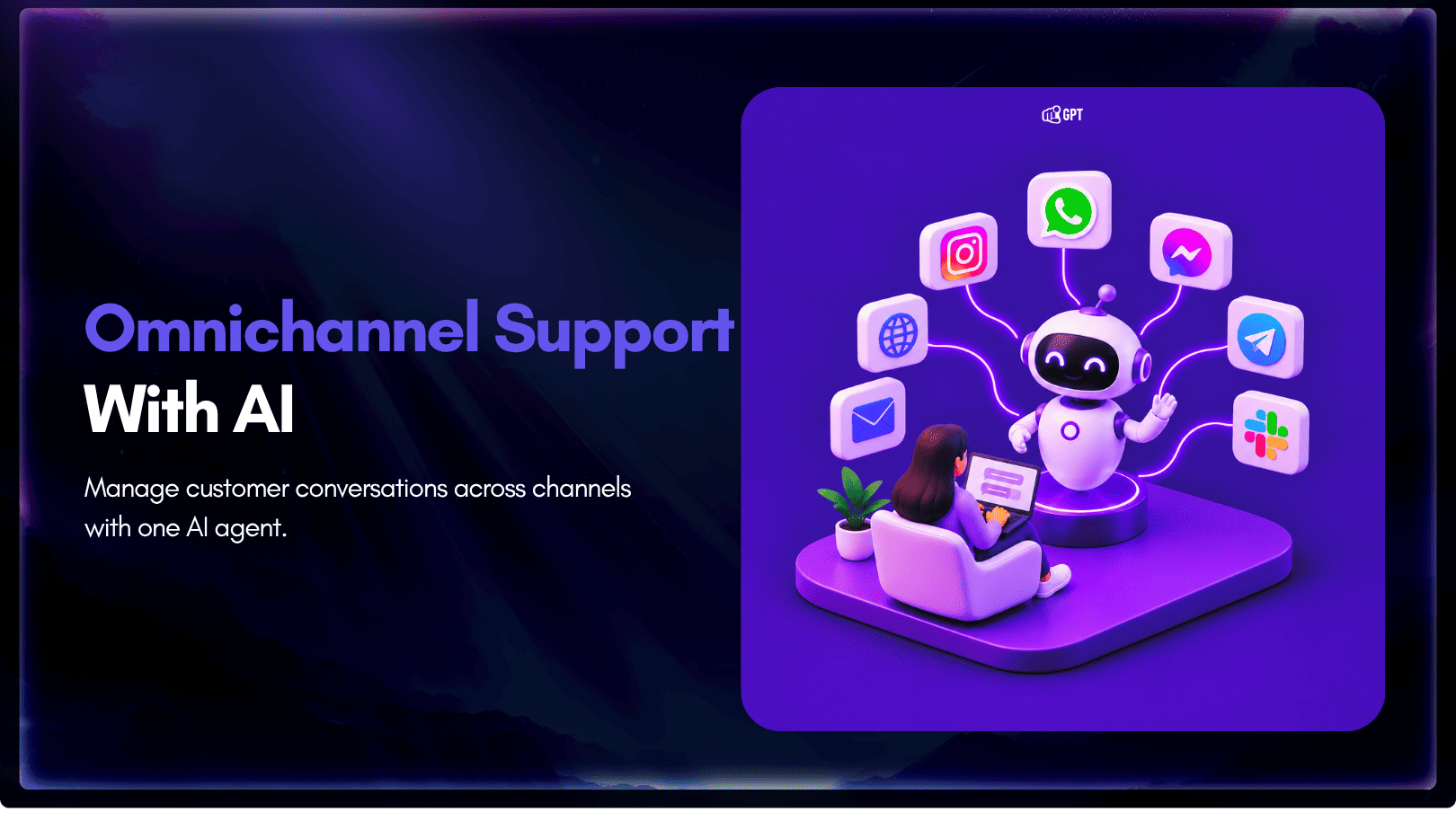
Omnichannel support means every channel answers from the same knowledge. Train one AI agent, pick your first channel, and test that answers match.

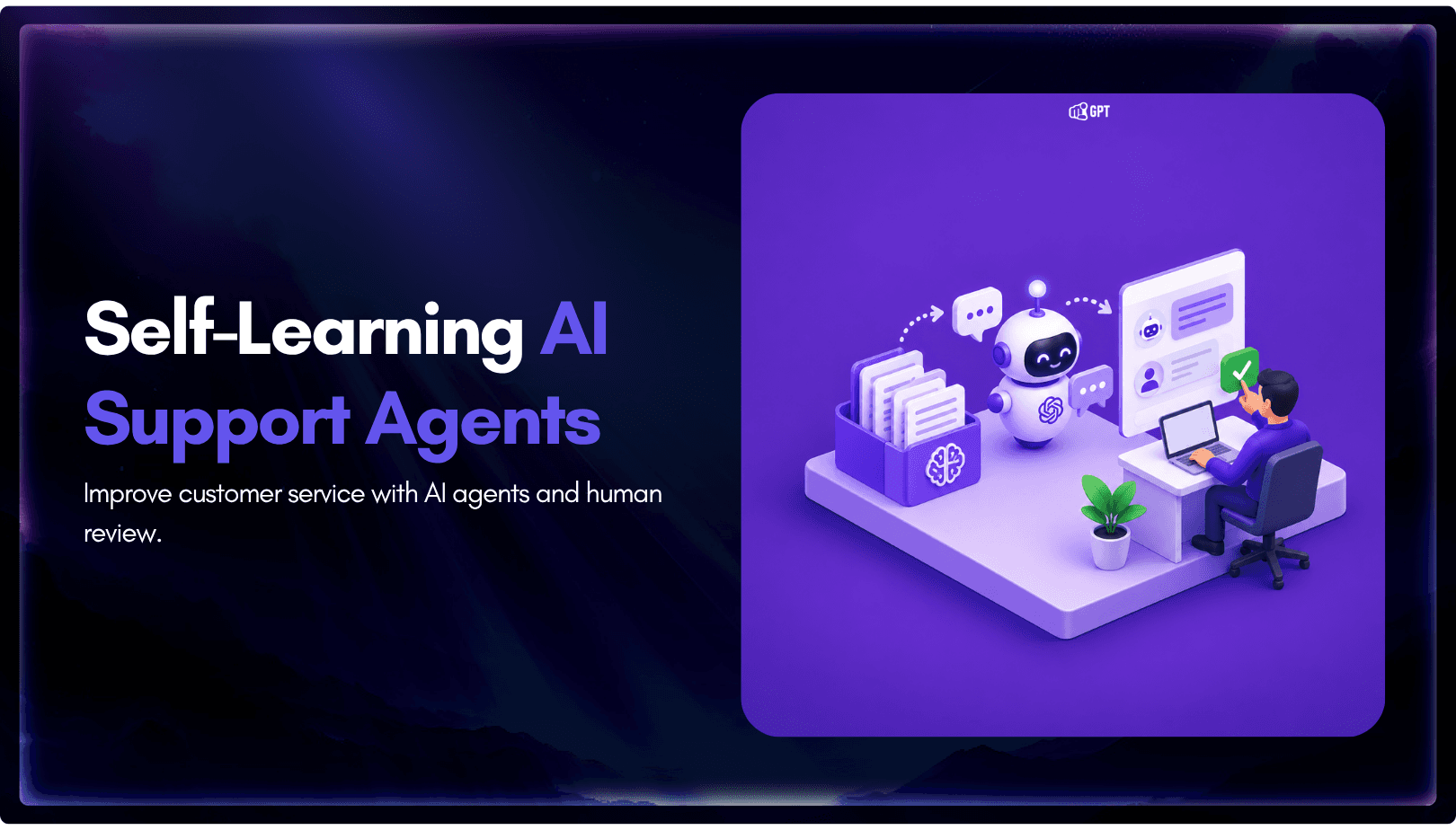
Self-learning AI agents log the questions they miss. Learn how human review turns those gaps into trained answers and how to run the weekly loop.
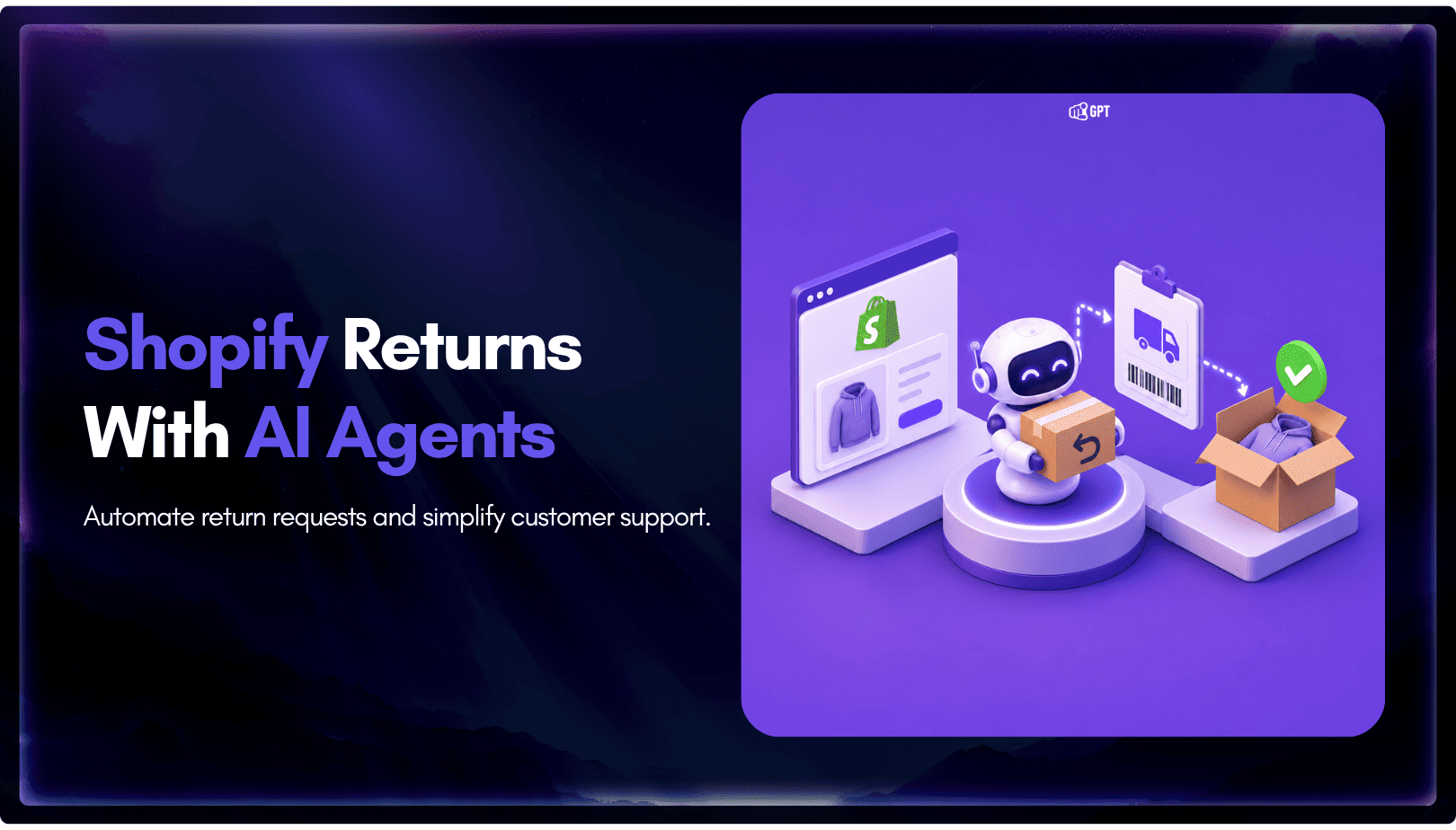
Train an AI agent on your return policy, connect the Shopify template in AI Studio to check real orders, and route exceptions to your team.
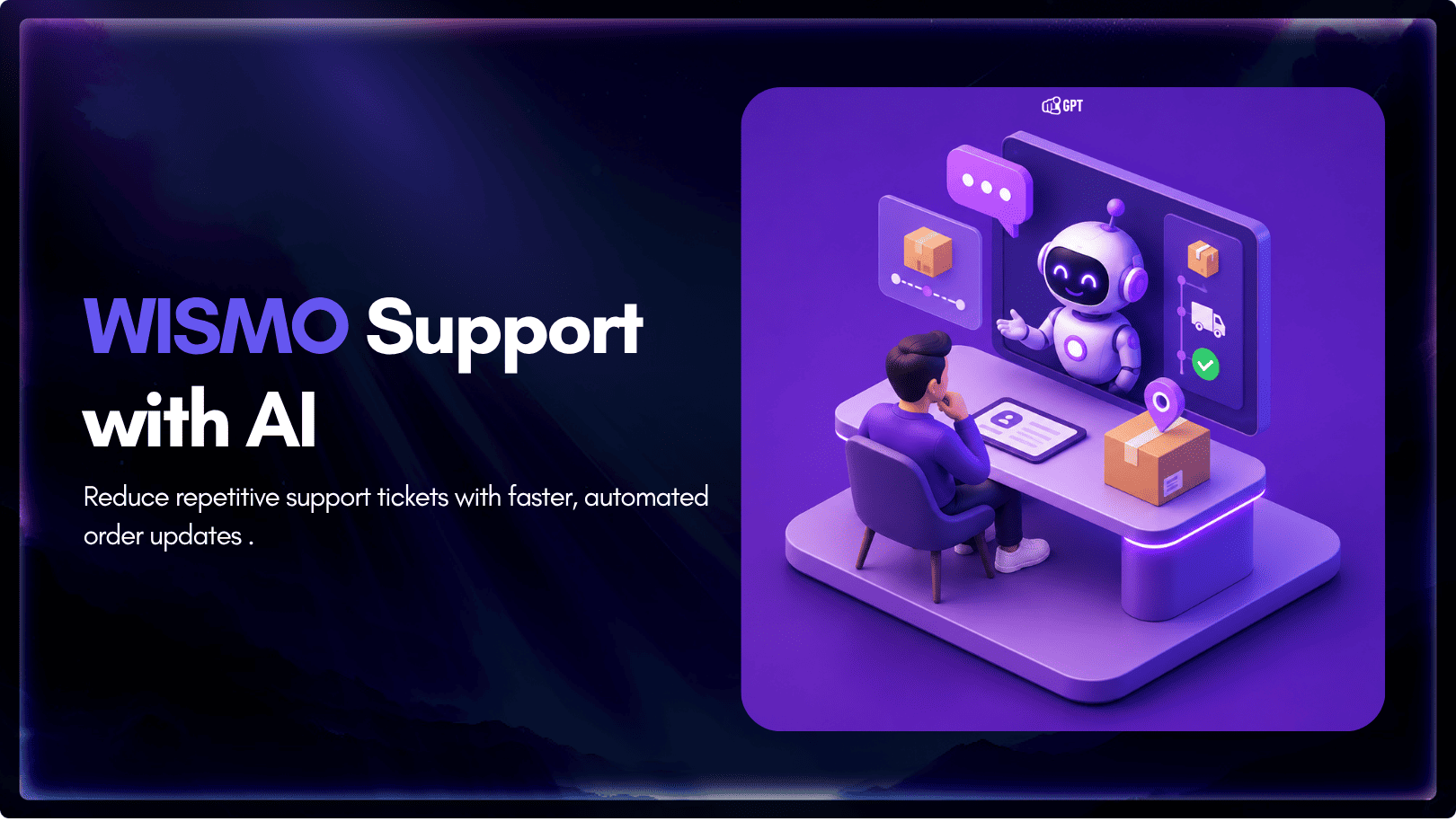
WISMO means Where Is My Order. Measure your WISMO share from last month’s tickets, fix the tracking gaps, and let an agent answer order status.
Run WordPress customer service alone. Train a YourGPT agent on your help pages, test it on real tickets, install the plugin, and get only the exceptions.