How to Calculate AI ROI Before You Spend a Dollar?

Rajni
Last updated on April 14, 2026
Smart companies don’t guess. They calculate. Before investing in AI, they want clarity:
Where will this save us money? How fast will we see returns? What’s the upside if it works — and what’s the cost if we delay?
That’s where AI ROI calculators come in.
These tools give decision-makers a clear, data-backed picture of potential outcomes from cost savings and efficiency gains to long-term impact on margins. Instead of relying on vague projections or vendor promises, leaders use AI calculators to quantify the business value upfront.
The result? Faster buy-in, stronger execution, and significantly better returns.
In this blog, we’ll cover how companies are using AI calculators to make confident decisions and maximise ROI.
AI is one of the most valuable tools in a company’s growth strategy but the return depends entirely on how it’s implemented. When the strategy isn’t clear, or the team isn’t aligned, even the most promising AI project can stall.
The technology itself isn’t the problem. The execution is.
According to a 2023 McKinsey report: 27% of companies report successfully scaling their AI initiatives. The rest often struggle not because the models are flawed, but because key foundational steps were skipped.
Here are five common reasons why many organisations fall short and what smart companies do differently:
AI works best when it’s tied to a measurable goal. Projects launched without a defined business outcome often drift in scope and fail to generate results leadership can trust or act on.
The output of AI is only as good as the input it’s trained on. Incomplete, inconsistent, or siloed data reduces performance and increases risk. Teams that invest in data quality and governance upfront see significantly better outcomes.
AI adoption often shifts workflows and decision-making structures. If the team isn’t brought in early, resistance builds. Successful companies prioritise training, communication, and collaboration across departments from day one.
AI is not a shortcut it’s a multiplier. Leaders who treat it as a plug-and-play solution are often disappointed. On the other hand, those who treat it as a strategic capability and build around it consistently outperform.
Without internal expertise to manage, interpret, and iterate AI solutions, teams may rely too heavily on external vendors. This slows learning and makes it harder to build long-term, scalable value. Building internal knowledge even at a basic level makes a significant difference.
An AI ROI Calculator is a tool that helps estimates how much cost savings a business can achieve by using AI. It simplifies complex financial projections into clear, actionable numbers based on inputs specific to your operations.
Designed for business teams, not just technical users, the tool helps quantify value before any resources are committed.
By entering details such as process volume, time spent, and current cost, businesses can instantly see projected savings from AI adoption whether in automation, efficiency, or error reduction.
Instead of guessing, teams use the calculator to build AI into their financial planning. It clarifies how much to invest, where to invest, and what returns to expect all before deployment begins.
The calculator compares potential ROI across different departments or processes. This helps companies prioritise high-impact areas first, ensuring maximum value from initial projects.
Measuring the return on AI isn’t just about cost reduction it’s about tracking how AI contributes to business outcomes. Clear metrics help decision-makers assess impact, justify investments, and refine strategies for sustained gains.
Quantify direct savings from automating tasks, reducing manual errors, and improving resource allocation. This includes both operational cost cuts and savings from improved efficiency.
Track how much faster tasks are completed with AI support. Whether it’s customer resolution time or internal report generation, reduced cycle times directly translate to higher throughput and lower overhead.
AI enables teams to focus on high-leverage work. Monitor increases in task volume, speed, or complexity handled per employee to measure productivity improvements.
Measure improvements in customer satisfaction scores (CSAT), response times, retention, or NPS. AI-driven personalisation and support can have a measurable impact on loyalty and revenue.
Schedule regular sprints to compare AI investments against business objectives. This ensures continued alignment and avoids underperforming use cases consuming resources.
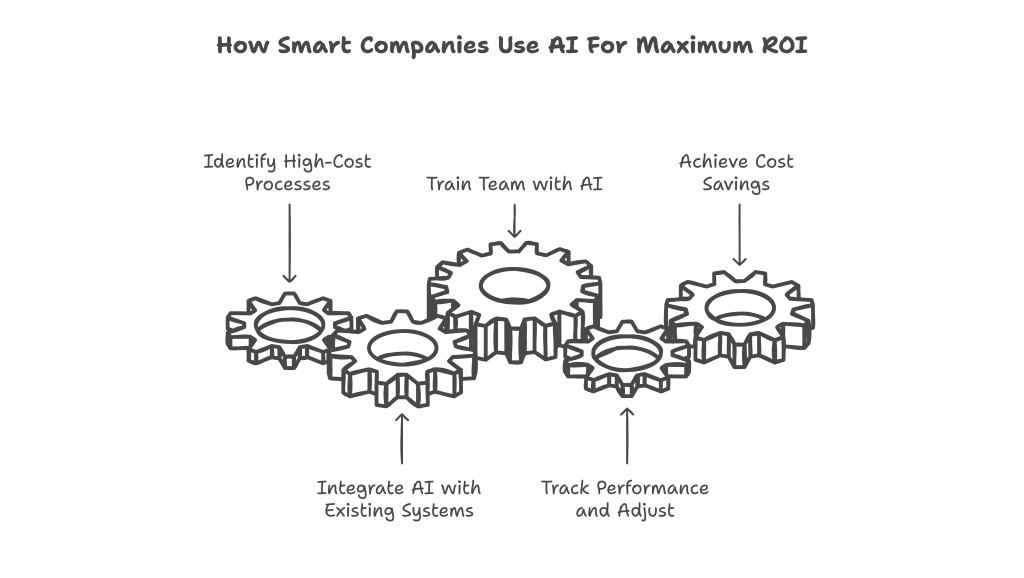
AI helps companies reduce costs, improve speed, and make better decisions — without adding unnecessary complexity. The most effective use cases are intentional, focused, and tied to measurable outcomes.
Start with workflows that consume time or resources — such as customer support, demand forecasting, or document handling. Automating these areas delivers immediate cost savings and frees up teams for higher-value work.
AI works best when it supports what’s already working. Smart companies build on top of current tools, reducing disruption and accelerating adoption.
AI adoption depends on people, not just tech. Companies that train their teams to use AI confidently get better results and face less internal resistance.
AI need regular oversight. Ongoing reviews help spot errors, improve accuracy, and align outputs with business goals.
AI reduces manual effort, improves resource allocation, and turns data into clear insights. This helps avoid delays, reduce errors, and find new savings opportunities. It also uncovers patterns that teams might miss — leading to better forecasting and planning. Used correctly, AI is not just efficient it’s profitable.
AI Spend Without ROI calculation = Waste. Here’s how to Fix.
Adopting AI should be tied to clear business outcomes. The most effective companies focus on execution that delivers measurable results — not just adoption for the sake of innovation.
Identify specific business functions where AI can reduce costs, improve speed, or increase accuracy. Prioritise use cases that already have measurable inefficiencies — like customer support, operations, or sales processes.
Instead of building from scratch, choose AI tools that are ready to deploy and built for business teams. Configurable solutions reduce rollout time and deliver faster outcomes.
Select partners who understand your sector’s processes, data, and challenges. This shortens implementation time and ensures the solution fits real business needs from day one.
Train teams on how to use and manage AI tools. Even basic AI literacy across departments increases adoption, reduces dependency, and improves long-term results.
Define clear metrics before launch whether it’s time saved, cost per interaction, or output per employee. This keeps the project accountable and aligned with business goals.
AI creates real business value when execution is aligned with strategy. The technology is proven but challenges often emerge from poor planning, fragmented systems, or internal misalignment. Below are the most common barriers and how leading companies address them.
The problem: AI can’t deliver results without quality data. Disconnected systems, duplicate records, or missing inputs reduce model performance and lead to poor decisions.
What works:
The problem: Many companies get stuck after a successful pilot. Scaling fails due to unclear ROI metrics, lack of internal ownership, or fragmented infrastructure.
What works:
The problem: AI tools must plug into existing workflows. If the integration requires workarounds or manual inputs, adoption drops and value is lost.
What works:
The problem: Teams resist what they don’t understand. Without clear communication, AI is seen as disruptive or a threat especially if job impact is unclear.
What works:
AI implementation challenges aren’t technical, they’re strategic.
An AI Savings Calculator is a tool designed to estimate the cost savings and ROI from implementing AI solutions. It helps businesses understand the financial impact before committing resources.
AI calculators analyze data to identify cost-saving opportunities, streamline operations, and optimize resources. They help avoid overspending by predicting the ROI before implementation.
Many AI projects fail due to unclear goals, poor data quality, lack of team readiness, unrealistic expectations, and a shortage of skilled personnel to manage the technology effectively.
To measure ROI, businesses should track cost savings, time efficiency, productivity gains, and customer satisfaction. Regular monitoring and data-driven adjustments are essential for sustained benefits.
Common mistakes include chasing AI trends without purpose, neglecting ongoing maintenance, ignoring ethics and compliance, and failing to train teams adequately.
Maximising the value of AI starts with knowing where it delivers measurable impact. The YourGPT Chatbot ROI Calculator gives business leaders a clear, data-backed view of how AI-powered chatbots reduce costs, improve efficiency, and enhance customer experience before any resources are committed.
Instead of relying on assumptions, teams can use the calculator to identify high-return use cases and prioritise investments accordingly. It quantifies savings, productivity gains, and service improvements helping companies align AI adoption with real business goals.
With these insights, decision-makers can allocate budgets more effectively, reduce operational waste, and focus on initiatives that drive long-term growth. The result is not just smarter AI adoption but smarter business strategy.
Use YourGPT to help Black Friday shoppers choose products, check orders and understand returns. Prepare your answers and team before the sale.

Add in-app chat support to your SaaS or mobile app. Place it on the screens where users stall, pass who they are, and hand hard cases to your team.
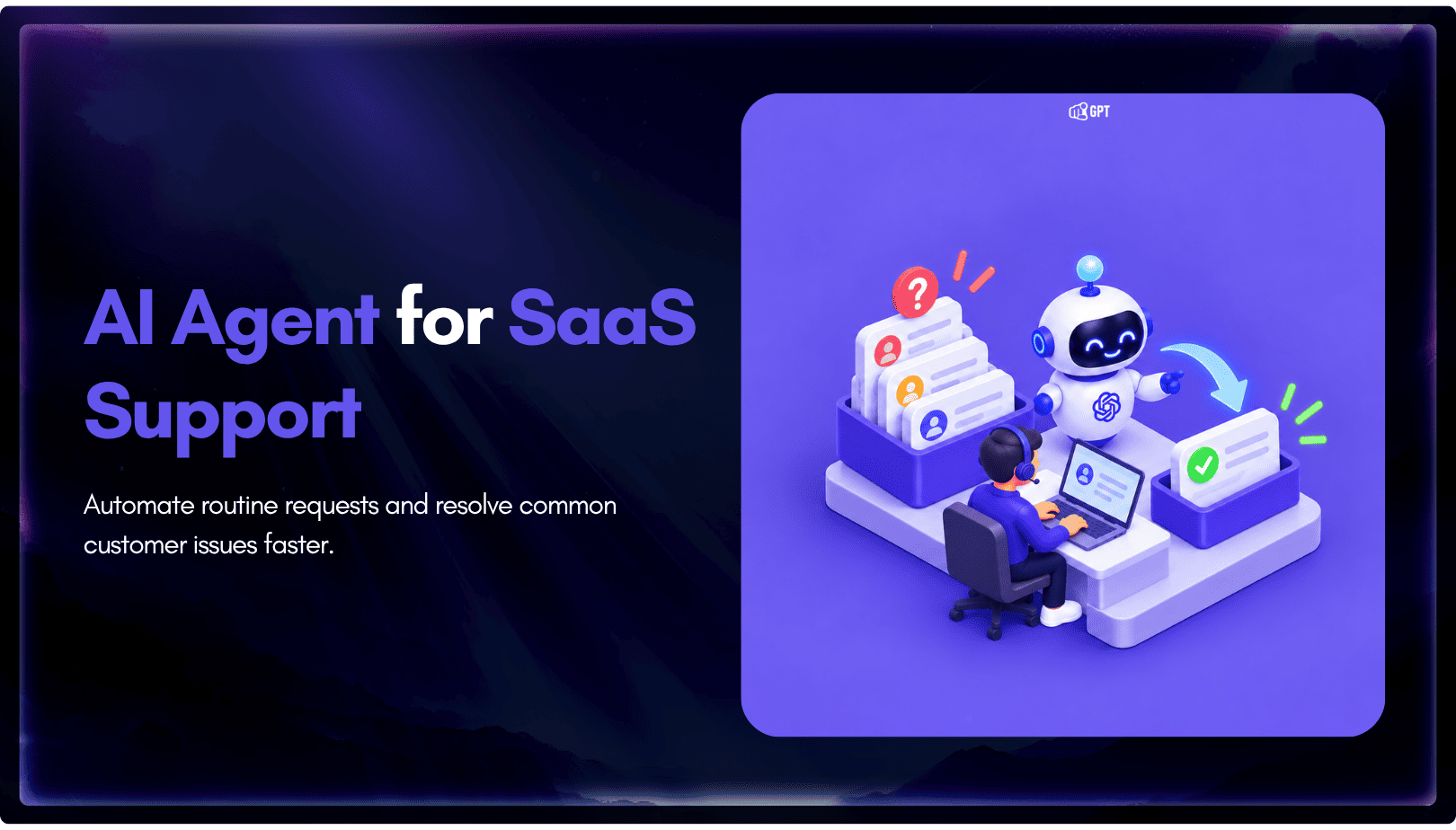
Group new-account tickets by onboarding stage, train an AI agent on your docs, and place it in the product where new users get stuck.

AI agents can now find and buy products for shoppers. See what agentic commerce changes for a Shopify store and which support jobs stay yours.
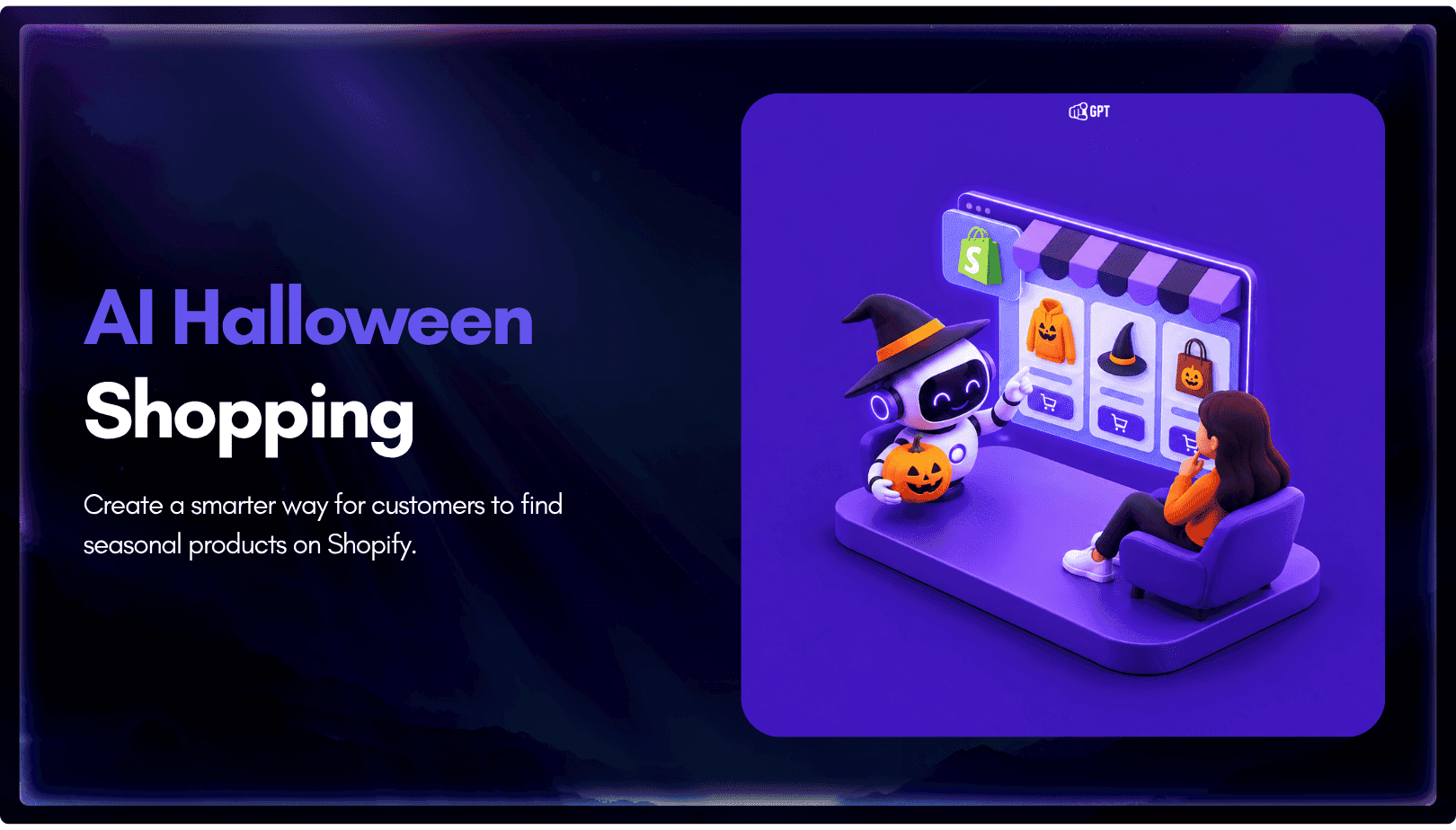
Build a Halloween shopping assistant for Shopify with YourGPT. Set up product recommendations, stock checks, cart actions and human support before launch.

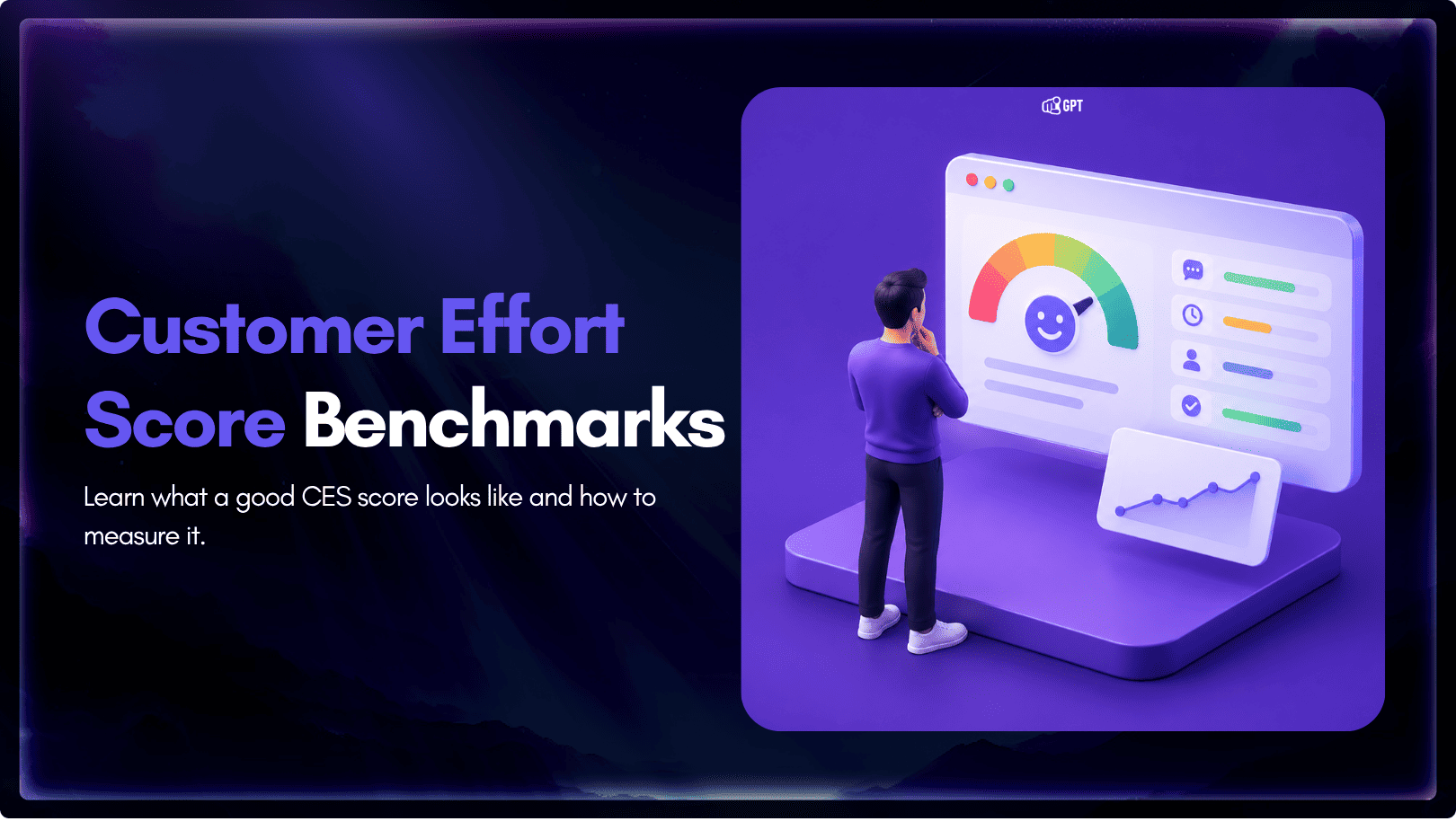
See what a good customer effort score looks like, how to word and calculate CES on each scale, and which support habits raise customer effort.