WordPress AI Chatbot: Complete Guide for 2026

Rajni
Last updated on June 5, 2026
WordPress AI chatbots help businesses deliver instant support, qualify leads, recommend products, and automate customer conversations. YourGPT makes it easy to launch a smart chatbot trained on your website, FAQs, documents, and WooCommerce data with AI workflows, omni-channel support, and enterprise-grade security.
WordPress powers over 43% of all websites worldwide, from personal blogs to large online stores. As your site attracts more visitors, the number of customer queries, support tickets, and sales requests rises fast. But providing 24/7 responses isn’t practical for most teams.
According to SuperOffice, 90% of buyers expect an immediate response when seeking support.
WordPress AI chatbots address this challenge. These intelligent assistants uses ai models natural language processing to understand visitor messages and respond instantly with relevant information. They learn from every chat, understand context, and can handle detailed product or service questions on their own.
Many businesses using AI chat on WordPress see faster replies, better customer engagement, and higher sales. WooCommerce stores use chatbots to suggest products, answer order questions, and prevent abandoned carts, which leads to happier customers and more completed purchases.
This guide help guide you with everything you need to know about WordPress AI chatbot. we will understand the basics and how it helps. we will also cover real examples from e-commerce automation, healthcare, and service websites that show how AI chat improves support and turns visitors into customers.
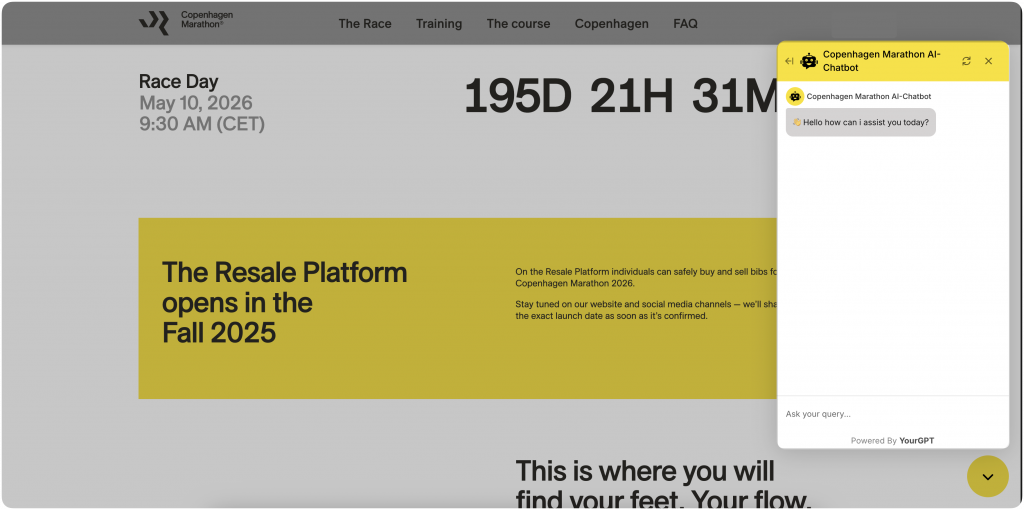
A WordPress AI chatbot is an intelligent virtual assistant added to your WordPress website to chat with visitors in real time. It can answer questions, guide users to the right pages, recommend products, collect leads, and hand over complex conversations to your support team when needed.
Unlike basic rule-based chatbots, an AI chatbot understands natural language. Visitors do not need to type exact keywords or follow fixed menu options. They can ask questions in their own words, and the chatbot can respond with helpful answers based on your website content, FAQs, policies, product information, and support documents.
For WordPress businesses, this means faster support, better visitor engagement, and fewer repetitive questions for your team.
Modern WordPress AI chatbots go beyond basic scripted replies. They understand natural language, use your website and business data to give relevant answers, support multi-turn conversations, automate lead capture, and can hand off complex queries to a human agent when needed.
On WordPress, AI chatbots are usually added through a plugin or a small embed script. The best solutions integrate smoothly with your website, WooCommerce store, CRM, support tools, and existing workflows, making it easier to automate customer conversations without rebuilding your website.
A WordPress AI chatbot connects to your website, learns from your approved business content, and uses AI to answer visitor questions or complete simple tasks. When set up properly, it can support customers, capture leads, recommend products, and route complex issues to your team.
Before the chatbot can answer accurately, it needs the right business information. You can train it using sources such as:
The chatbot turns this information into a searchable knowledge base. Clear and updated content helps it provide more accurate answers.
When a visitor sends a message, the AI looks at the meaning behind the question, not just the exact words.
For example, these questions may be written differently:
A modern AI chatbot can understand that all of them are about shipping availability. This allows it to respond naturally, even when users type casually or make spelling mistakes.
After understanding the question, the chatbot searches your knowledge base for relevant information. It then creates a clear response based on your approved content and the conversation context.
For example, instead of giving a vague answer like:
“Yes, we may ship internationally.”
A better chatbot response would be:
“Yes, we offer international shipping to selected countries. You can check available regions at checkout, or I can help confirm delivery for your location.”
This makes the answer more useful, accurate, and action-focused.
Modern WordPress AI chatbots can do more than answer FAQs. When connected with the right tools, they can perform tasks such as:
With visual workflow builders like AI Studio, you can define what the chatbot should do in different situations. For example, if a visitor asks for a demo, the chatbot can collect their details and pass the lead to your sales team.
Some conversations need human support, especially billing issues, complaints, custom requests, or sensitive customer queries.
A good WordPress AI chatbot can detect when it should escalate the chat. It can ask follow-up questions, share helpful information, and transfer the conversation to a human agent with the full chat history. This helps your support team respond faster and with better context.
Most WordPress AI chatbots are installed through a plugin or embed script. Once added, the chatbot appears as a chat widget on your site and can connect with tools such as WooCommerce, contact forms, CRMs, helpdesks, membership plugins, and analytics platforms.
A WordPress AI chatbot works by combining your business content, AI understanding, smart search, automation, and human handoff. The result is faster support for visitors and less repetitive work for your team.
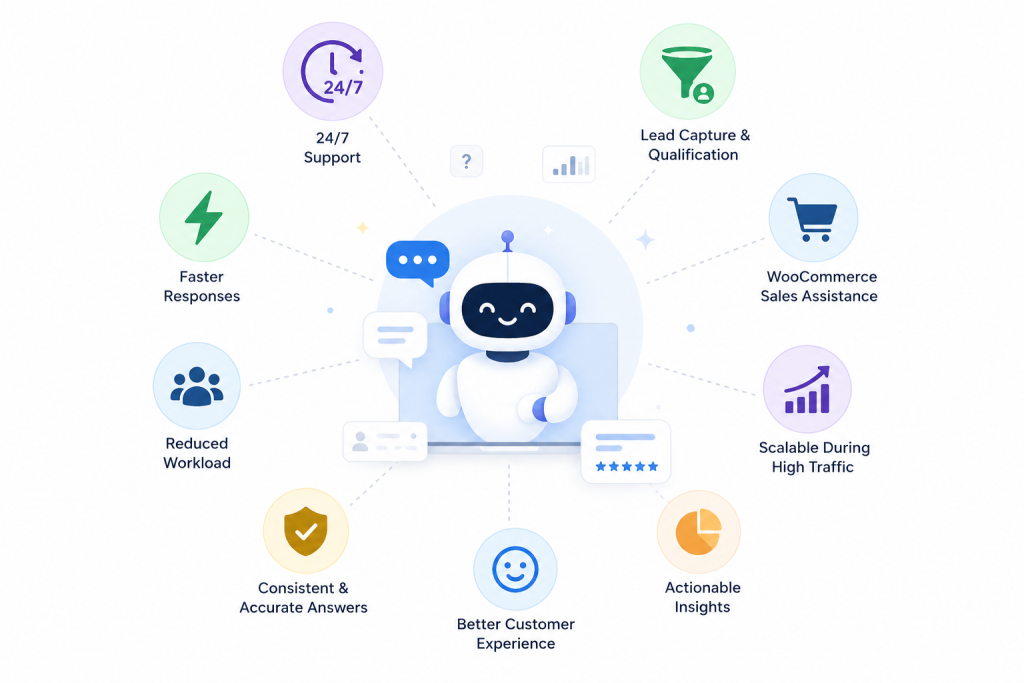
Adding an AI chatbot to your WordPress site can improve customer support, lead generation, sales assistance, and day-to-day operations. It helps visitors get quick answers while reducing repetitive work for your team.
A WordPress AI chatbot is available even when your team is offline. Visitors can ask about pricing, products, shipping, bookings, policies, or services at any time and receive instant help.
This is especially useful for businesses serving customers across different time zones or outside regular working hours.
Slow replies can cause visitors to leave before taking action. AI chatbots respond immediately to common questions, helping users stay engaged.
For WooCommerce stores, this means shoppers can quickly get answers about product details, delivery, returns, or payment options while they are still ready to buy.
Support teams often spend time answering the same questions repeatedly. A chatbot can handle common queries such as business hours, refund policies, order status, shipping options, and demo requests.
This gives your team more time to focus on complex, urgent, or high-value conversations.
AI chatbots use your approved business content, including FAQs, help articles, policy pages, product information, and internal documents.
This helps keep responses consistent across conversations. When your content is updated and synced, the chatbot can use the latest information instead of relying on outdated scripts.
For industries such as finance, healthcare, legal, education, or SaaS, this consistency is valuable. However, sensitive or regulated queries should still include compliance checks and human handoff when needed.
A WordPress AI chatbot can collect visitor details through natural conversations. It can ask for information such as name, email, company size, requirement, budget, location, or preferred appointment time.
Qualified leads can then be sent to your CRM, sales team, or booking system, making lead generation smoother than static forms.
For WooCommerce websites, AI chatbots can help shoppers choose the right products. They can answer product questions, compare options, recommend items, explain return policies, and guide users toward purchase.
Instead of browsing multiple pages, visitors can simply describe what they need and receive relevant suggestions.
During product launches, festive sales, ad campaigns, or seasonal peaks, support teams can quickly become overloaded.
AI chatbots can manage many conversations at once, depending on the platform and plan limits. This helps reduce waiting times and keeps visitors engaged during busy periods.
Chatbot conversations show what visitors ask most often, where they get confused, and which products or services attract interest.
Many platforms include analytics for conversation volume, common topics, unresolved questions, feedback, and handoff rates. These insights can help improve your website content, support process, and sales strategy.
A good chatbot makes your website easier to use. Visitors do not need to search through multiple pages to find basic information. They can ask a question and get guided support instantly.
For example, a hotel website can answer questions about rooms and check-in times, while a real estate website can share property details and help schedule viewings. A SaaS website can explain pricing and integrations, and an online store can assist with product selection and delivery information.
In short, WordPress AI chatbots help businesses provide faster support, reduce manual workload, capture better leads, and create a smoother experience for website visitors.
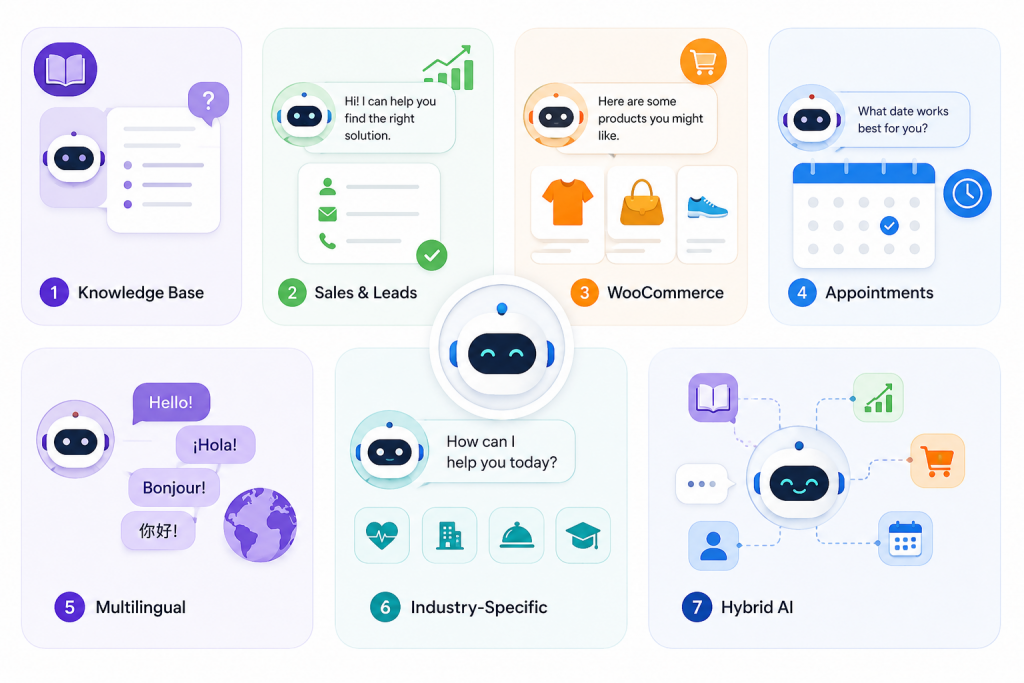
WordPress AI chatbots come in different forms, each designed for a specific business goal. Some help with customer support, while others focus on lead generation, product discovery, bookings, or multilingual assistance.
Knowledge base chatbots answer visitor questions using your approved content, such as FAQs, help articles, documentation, product guides, policies, and support resources.
They are useful for websites that receive frequent customer questions and want to offer quick self-service support.
Best for: SaaS websites, customer portals, membership sites, online courses, agencies, and support-heavy businesses.
Sales chatbots help convert website visitors into qualified leads. They can ask relevant questions, collect contact details, understand user requirements, and send high-intent prospects to your sales team.
They can also help users book demos, schedule calls, or choose the right service based on their needs.
Best for: B2B websites, software companies, consultants, real estate businesses, agencies, and financial service providers.
WooCommerce AI chatbots support online shoppers throughout the buying journey. They can answer product questions, compare options, recommend items, explain delivery or return policies, and guide customers toward checkout.
When connected with WooCommerce, they can also assist with product-related support and order queries, depending on the platform’s integration features.
Best for: WooCommerce stores, D2C brands, online retailers, marketplaces, and product-based businesses.
Appointment scheduling chatbots help visitors book meetings, consultations, demos, or service appointments directly from the chat. They can collect booking details and connect with calendar tools such as Google Calendar, Calendly, or other scheduling systems.
This makes appointment booking faster and reduces manual back-and-forth for your team.
Best for: Healthcare clinics, consultants, salons, coaches, repair services, agencies, and professional service businesses.
Multilingual chatbots help businesses support visitors in different languages. They can detect the user’s language and reply in the same language, based on the AI model and chatbot settings.
This is useful for websites that serve international customers or receive traffic from multiple regions.
Best for: Global e-commerce stores, travel websites, education platforms, SaaS companies, and international service providers.
Industry-specific chatbots are built around the needs of a particular sector. They may include custom workflows, predefined conversation paths, compliance controls, and integrations with industry tools.
For example, a hotel chatbot can answer guest questions and support booking requests. A real estate chatbot can share property details and help schedule viewings. A healthcare chatbot can assist with appointment booking and general service information, with human review for sensitive queries.
Best for: Healthcare, real estate, hospitality, finance, education, legal services, and other specialised industries.
Hybrid AI chatbots combine multiple use cases in one assistant. A single chatbot can answer FAQs, qualify leads, recommend WooCommerce products, schedule appointments, and hand over complex conversations to a human agent.
This is a strong option for growing businesses that want customer support, sales automation, and website engagement from one chatbot.
Best for: Businesses that want an all-in-one AI assistant for support, sales, automation, and customer experience.
Your chatbot setup begins with choosing the right AI chatbot platform. The platform you select will determine how easy it is to install the chatbot, how well it works with your WordPress website, and how effectively it can support your business as you grow.
A good chatbot platform should be simple to use, powerful enough to handle real customer queries, and flexible enough to adapt to your business needs. When comparing AI chatbot platforms for WordPress, look for these key features:
Choosing the right platform at the beginning makes the rest of the setup much easier. It also ensures your chatbot can do more than answer basic questions it can capture leads, support customers, and guide visitors toward meaningful actions.
YourGPT is built for people who want powerful AI automation without dealing with technical complexity.
It combines simplicity, flexibility, and enterprise-grade reliability in one platform.
Here’s what makes it different:
You’ll spend about 2–3 minutes creating your account and accessing the dashboard before moving to the next step.
Adding YourGPT to your WordPress site takes just a couple of minutes. The official plugin manages the entire setup automatically, you do not need to manually configure.
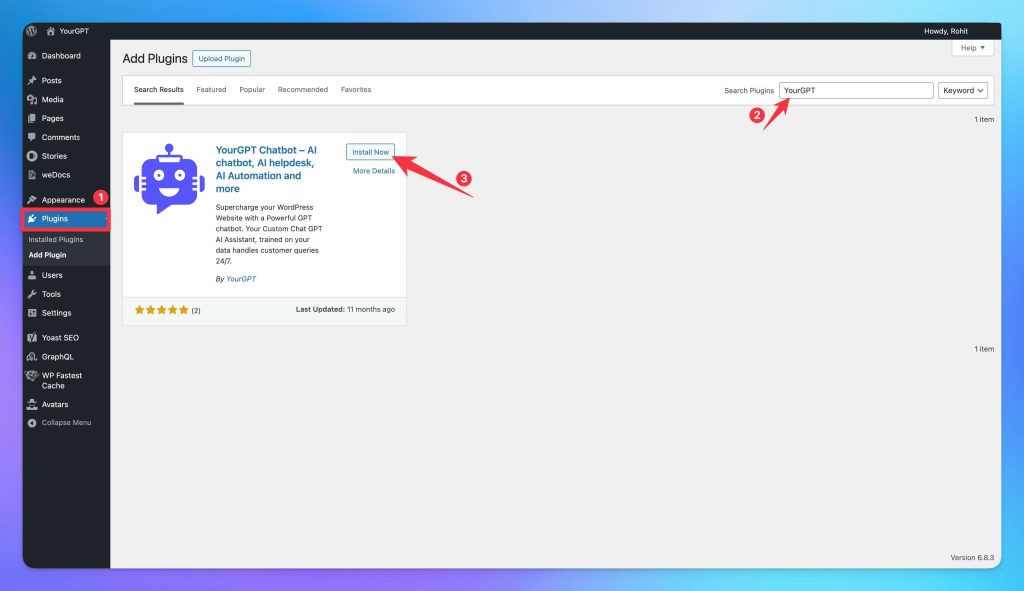
yoursite.com/wp-admin)Once activated, you’ll see a new “YourGPT” option in your WordPress admin menu. This is your control center for managing the chatbot directly from WordPress. The plugin is lightweight and optimized, adding less than 50KB to your page load time, so your site performance remains unaffected.
Before you connect the chatbot to WordPress, you’ll need a YourGPT account. This takes just a few minutes and gives you instant access to all features.
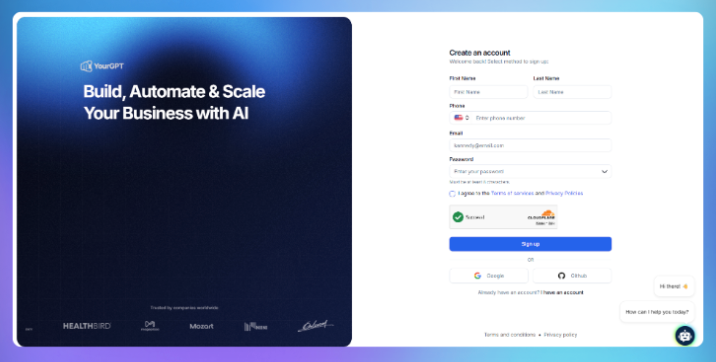
Once you finish, your dashboard will open automatically and you can create your first agent.
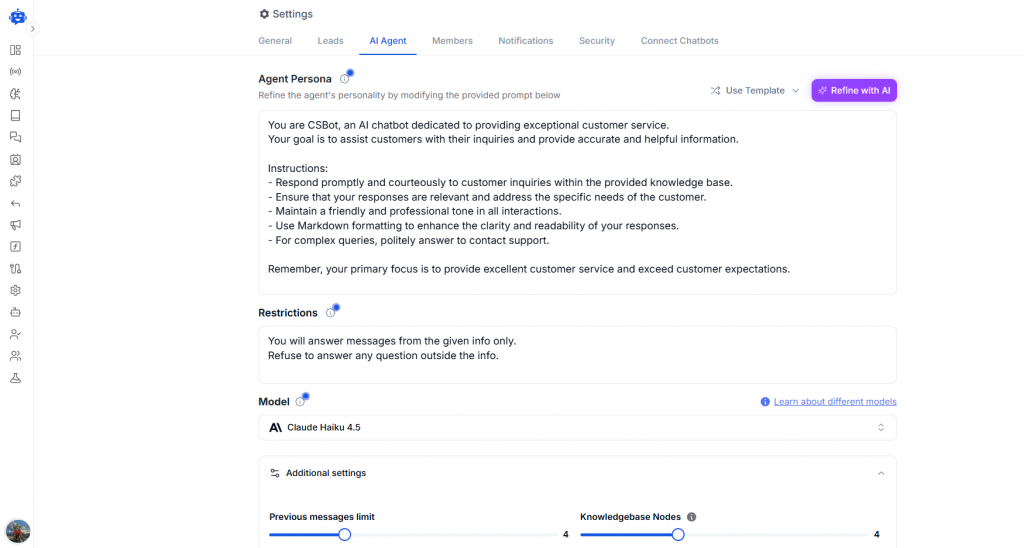
Here’s where your chatbot truly takes shape the smart assistant that speaks in your brand’s voice and helps customers around the clock.
To get started, open the YourGPT dashboard and Click Create New AI Agent.
Give your agent a clear, memorable name. It could match your brand or sound friendly and approachable. If you’re unsure, use the built-in name generator to get a few ideas.
Next, choose the AI model that fits your use case best:
Now, define your chatbot’s tone and purpose. For example:
“You are a helpful support assistant for [Your Business Name]. You guide visitors, answer product questions, and help them make decisions.”
Set how you want it to sound professional, friendly, or casual and decide whether it should use emojis or keep responses formal.
You can always refine these settings later as you see how visitors interact with it. The goal is to make it feel natural, helpful, and aligned with your business personality.
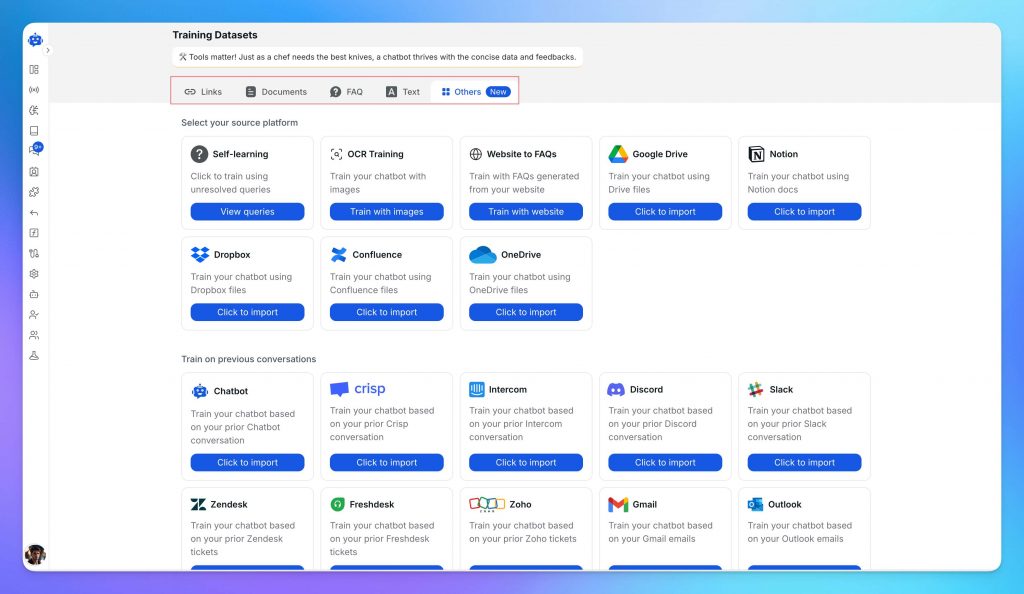
This is where your chatbot starts learning about your business what you sell, how you communicate, and the questions your customers ask most often. The more relevant data you provide, the smarter and more accurate it becomes.
In your YourGPT dashboard, go to Training → Add Data Source → Website.
Enter your WordPress URL, and YourGPT will automatically scan your site to collect and index important content like web pages, blogs, and docs FAQs. The training process depend on your size of the training data usually takes 2–5 minutes.
You can make your chatbot even more capable by adding additional data sources:
Start with essential information pricing, product details, policies, and troubleshooting guides, Training with the FAQs is the Best way. As your chatbot interacts with users, you can add more content over time to improve accuracy.
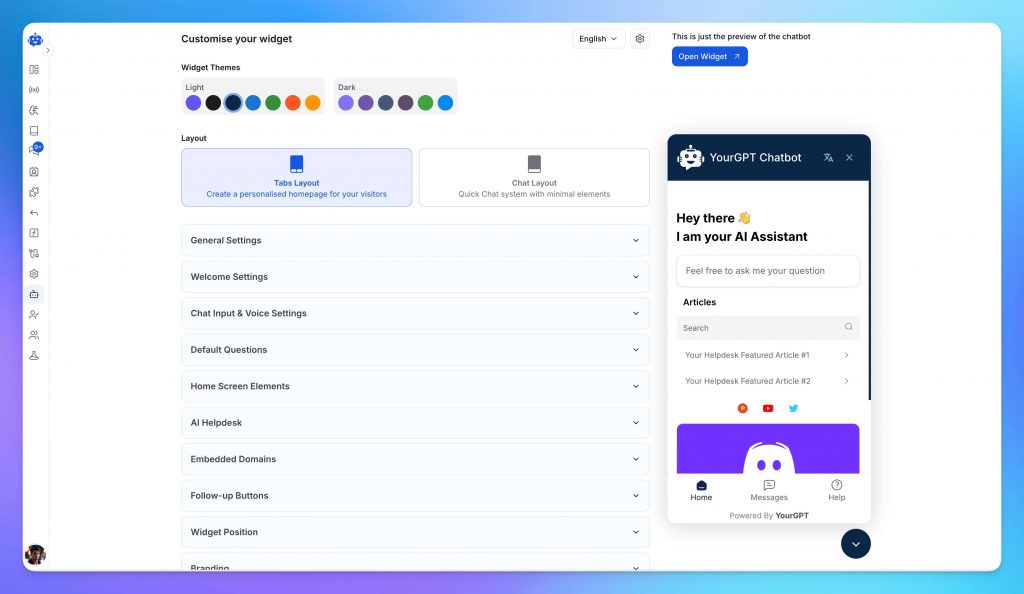
Your chatbot should look and feel like a natural part of your website. With YourGPT, you can easily make it match your brand’s style in just a few clicks.
Open the Appearance panel in your YourGPT dashboard. Here, you can choose where the chat widget appears, add custom branding, adjust its size, and pick a layout that fits your site design.
Add your brand colours, upload your logo, and write a short, welcoming tagline something simple like “How can we help you today?”
Make It Engaging
Before publishing, use the preview option to test everything. Make sure it feels natural, fits your site design, and reflects your brand personality.
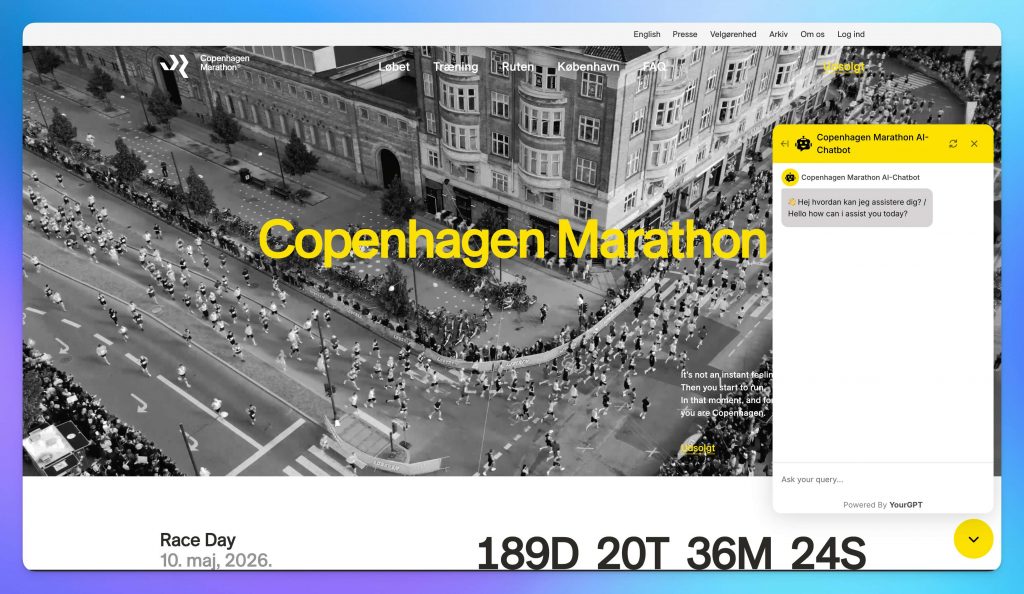
Connecting YourGPT to your WordPress site takes less than a minute.
That’s it — your chatbot is now live on your website.
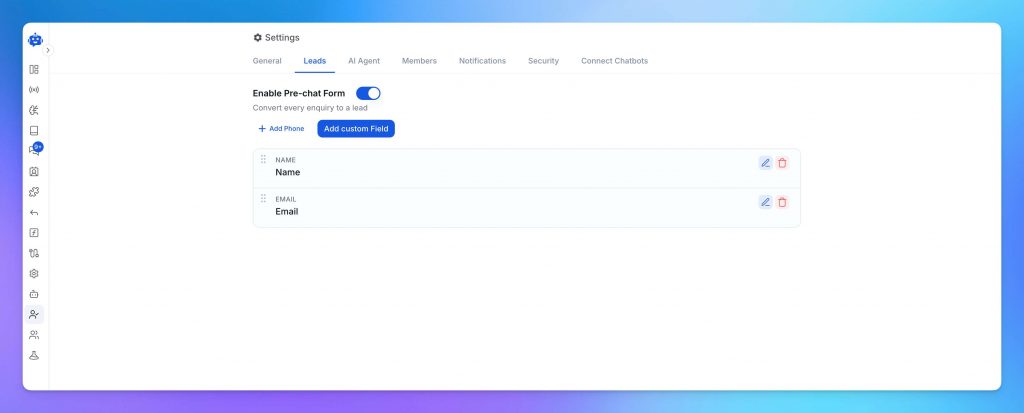
Turning on lead generation takes just a few clicks.
That’s all you need to start capturing leads directly through your chatbot.
If you want a more advanced setup, use AI Studio to design a complete lead journey from greeting users to syncing their details directly with your CRM or email tools.
If you run an online store, you can extend YourGPT to integrate directly with your WooCommerce setup.
This connection allows your chatbot to provide real-time product recommendations, show price and stock updates, and even assist with order tracking and cart recovery all within chat.
Once connected, your AI can guide customers through product choices, answer availability questions, and offer tailored suggestions based on visitor intent.
It’s an effortless way to turn your WordPress chatbot into a 24/7 sales assistant that helps increase conversions while keeping customers informed.
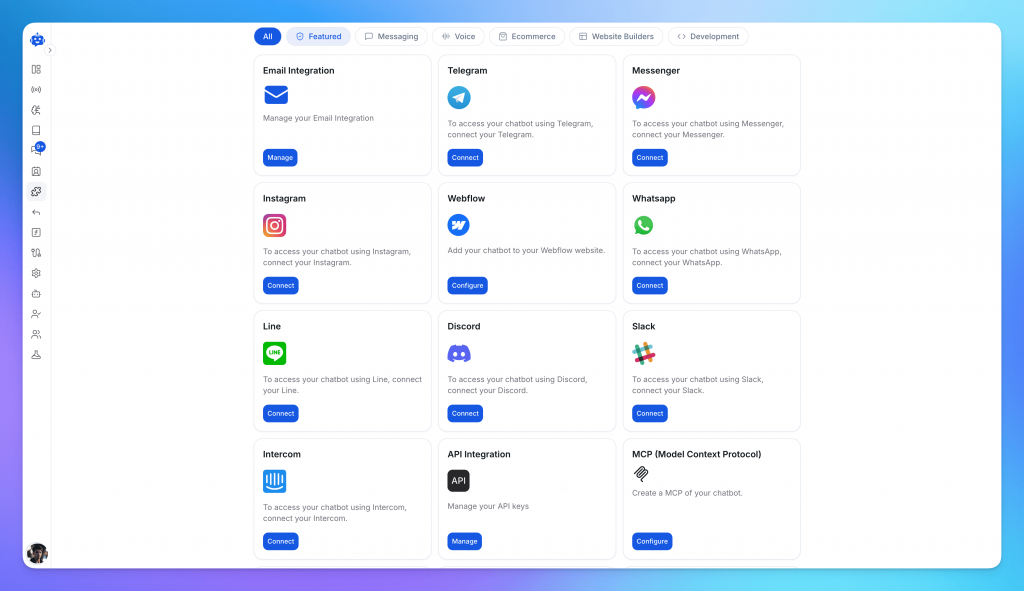
Your chatbot is live on WordPress. Now you can extend it beyond your website. With YourGPT, the same AI agent can be deployed across multiple platforms so customers can reach you wherever they prefer to chat.
You can connect it to WhatsApp, Instagram, Messenger, Telegram, Slack, Discord, email, or voice all from the same dashboard. Every conversation stays synced, so your chatbot responds consistently across all channels.
It’s a simple way to provide 24/7 support and engagement across your customer’s favorite platforms without managing separate bots.
Successfully implementing AI chat on your WordPress site requires more than just installing the technology. Follow these proven best practices to maximize results.
Your AI chatbot is only as good as the information it has. Invest time in gathering comprehensive training data:
Be transparent about what visitors are interacting with:
For your most common visitor journeys, create structured conversation flows:
AI chatbot performance improves with active management:
Companies that actively optimize their chatbots see steady improvement in resolution rates and customer satisfaction.
Make the transition to human agents smooth:
Use available data to make conversations more relevant:
Configure your AI to reflect your brand personality:
Over 60% of website traffic comes from mobile devices. Ensure your chatbot works flawlessly on small screens:
YourGPT helps WordPress site owners build, deploy, and manage AI-powered conversations without writing code. It can be trained on website content, FAQs, documents, policies, and support resources, allowing businesses to automate customer support, capture leads, assist shoppers, and manage conversations from one platform.
The YourGPT plugin is available in the official WordPress plugin directory. After installing and activating it, you can connect your YourGPT account and add the chatbot widget to your website.
This makes it easy for businesses, agencies, support teams, and WooCommerce store owners to launch an AI agent without custom development.
AI Studio is a visual workflow builder that gives you more control over how your AI agent behaves. You can create guided conversation flows, automate tasks, collect user information, qualify leads, and connect with external tools or APIs.
It can be used for lead qualification, appointment booking, customer support routing, product recommendations, and custom automation workflows.
YourGPT supports leading AI models, including GPT, Claude, Gemini, and others. This gives businesses flexibility to choose the right model for different use cases.
For example, faster models can handle simple FAQ responses, while more advanced models can be used for complex support, sales, or automation tasks.
YourGPT allows you to create one AI agent and deploy it across multiple channels, including WordPress, WhatsApp, Facebook Messenger, Instagram, Telegram, Slack, email, and voice-based experiences.
Conversations from different channels can be managed through a unified inbox, helping teams respond faster and maintain a consistent customer experience.
For online stores, YourGPT can work as an AI shopping assistant. It can answer product questions, suggest relevant items, explain shipping or return policies, and guide shoppers toward checkout.
With the right WooCommerce setup, it can also support order-related queries, returns, refunds, and abandoned cart recovery workflows.
YourGPT is designed for business use with security and compliance features such as encrypted conversations, privacy controls, and enterprise-grade data protection.
For companies with strict compliance needs, it is recommended to review YourGPT’s security documentation, data processing terms, retention settings, and plan-specific features before deployment.
YourGPT offers plans for different stages of business growth. Smaller WordPress sites can start with FAQ and support automation, while growing teams can use advanced workflows, omnichannel deployment, WooCommerce automation, and higher usage limits.
Enterprise options are also available for larger teams that need custom features, dedicated support, or advanced security requirements.
YourGPT brings a complete AI agent platform to WordPress. It helps businesses automate support, generate leads, assist WooCommerce shoppers, and manage conversations across multiple channels.
With simple installation, visual automation tools, multiple AI model options, WooCommerce support, omnichannel deployment, and business-focused security features, YourGPT gives WordPress site owners a practical way to launch and scale AI-powered customer conversations.
No. Modern AI chatbot platforms provide WordPress plugins with one-click installation. You don’t need any coding or technical skills to get started. Advanced customization might benefit from developer help, but basic implementation is designed for non-technical users.
Pricing varies by platform and usage volume. Entry-level plans typically start around $59–79 per month, with more advanced plans ranging from $200–500 monthly for high-volume sites. Most platforms offer free trials so you can test before committing. YourGPT provides flexible pricing starting at $59/month with a 7-day free trial.
Yes. Quality WordPress AI chatbot platforms include native WooCommerce integration for handling product questions, order tracking, recommendations, and cart recovery. Look for platforms that specifically advertise WooCommerce support like YourGPT’s WooCommerce integration.
Advanced platforms support 100+ languages with automatic language detection. The AI detects the language used in the first message and responds accordingly, making it ideal for international WordPress sites serving global audiences.
Quality AI chatbots include confidence scoring and escalation mechanisms. When the AI isn’t confident about an answer, it can ask clarifying questions, offer related information, or escalate to a human agent with complete conversation context. You should never see the AI “hallucinating” or making up answers.
Basic setup typically takes 10–30 minutes including plugin installation, training on your content, and widget customization. More sophisticated implementations with custom workflows and integrations might take a few hours to configure properly. The technology is designed for rapid deployment.
No. Quality chatbot platforms use asynchronous JavaScript that loads after your page content, ensuring no impact on page load speeds. The actual AI processing happens on external servers optimized for language models, not on your WordPress hosting.
WordPress AI chatbots have matured into intelligent systems that manage customer support, sales, and daily operations with accuracy. They offer clear benefits such as faster responses, lower support costs, higher conversions, and easy scalability.
It is best to begin with simple automation. Start by handling frequent customer questions, observe real interactions, and refine the chatbot based on usage. As it becomes more effective, expand it to include lead qualification, appointment scheduling, or product recommendations for your store.
Whether you run a small business website or a large WooCommerce store, AI chatbots make automation practical and measurable. They help you save time, improve service quality, and deliver visible results for your business.
Ready to automate your WordPress customer service and sales? Start your free 7-day trial with YourGPT and experience the difference intelligent AI automation makes. No credit card required, full feature access, and expert support to guide your implementation.
Automate support, qualify leads, recommend WooCommerce products, and assist visitors 24/7 with YourGPT.
Full access for 7 days · No credit card required · Expert support included
Use YourGPT to help Black Friday shoppers choose products, check orders and understand returns. Prepare your answers and team before the sale.

Add in-app chat support to your SaaS or mobile app. Place it on the screens where users stall, pass who they are, and hand hard cases to your team.
Group new-account tickets by onboarding stage, train an AI agent on your docs, and place it in the product where new users get stuck.
AI agents can now find and buy products for shoppers. See what agentic commerce changes for a Shopify store and which support jobs stay yours.
Build a Halloween shopping assistant for Shopify with YourGPT. Set up product recommendations, stock checks, cart actions and human support before launch.

See what a good customer effort score looks like, how to word and calculate CES on each scale, and which support habits raise customer effort.