Best ChatGPT Alternatives in 2026 for Research and Business Use

Rajni
Last updated on August 19, 2026
ChatGPT remains one of the most widely used AI tool, but it is not the best choice for every job anymore. In 2026, many AI platforms outperform ChatGPT in specific areas such as research, real-time information, business automation, coding, and customer support.
Some alternatives put a lot of emphasis on accuracy and citations, while others work well with work tools and some are made to work with company data instead of public knowledge. The result is a growing number of specialized AI tools that are meant to be used in the real world.
This blog compares the 10 best ChatGPT alternatives in 2026, explaining what each tool does better than ChatGPT and who it is best suited for. If you are choosing an AI tool for work, research, or business use, this comparison will help you decide faster.
The market for AI tools has expanded rapidly, and many ChatGPT alternatives now serve specific needs such as writing, coding, research, or workflow automation. Here is an overview of the top options.
When searching for a ChatGPT alternative, look beyond marketing claims to find tools that work naturally. When choosing a alternative, these points matter most:
When choosing a ChatGPT alternative, the goal is not to replace ChatGPT entirely, but to find a tool that performs better for your most important tasks.
In short, the right ChatGPT alternative is the one that fits your specific needs and excels at the tasks you use most often.
Understanding ChatGPT’s limitations makes it easier to see where alternatives provide value.
| Limitation | Details | Impact on Users |
|---|---|---|
| Outdated Knowledge | Its built-in knowledge may be limited by a training cutoff. Web search can help provide more recent information, but results still need verification. | You may receive incomplete or outdated answers about recent events or rapidly changing topics. |
| Makes Up Facts | It can sometimes produce confident-sounding information that is incorrect or unsupported. | Important facts should be checked against reliable sources before being used. |
| Struggles with Hard Problems | Complex reasoning, multi-step tasks, or highly specialized problems can still lead to mistakes. | Difficult or high-stakes problems may require additional verification or expert review. |
| Conversation Context Limits | Very long conversations can exceed the amount of context available to the model at one time. | You may occasionally need to repeat or summarize important information in longer conversations. |
| Privacy Considerations | Data handling and retention can vary depending on the product, plan, settings, and organization policies being used. | Sensitive or confidential information should be handled according to your organization’s privacy and security requirements. |
When choosing an alternative, think about which of these problems affect you most, and pick a solution that handles those issues better.
This article compares the 10 best ChatGPT alternatives in 2026 based on public capabilities, documented features, and real-world use cases.
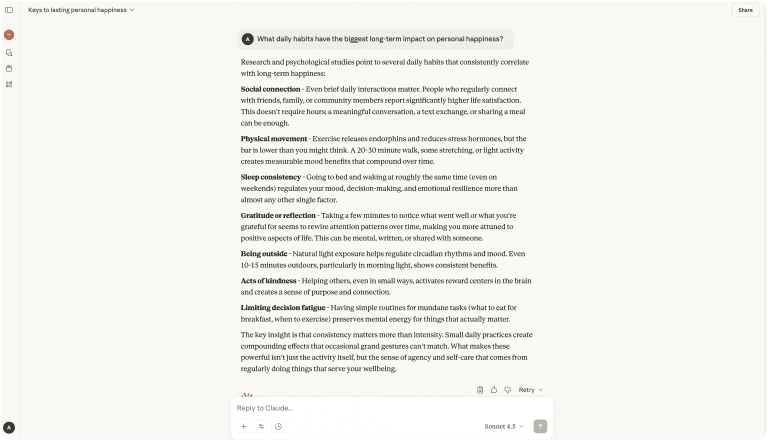
Claude, developed by Anthropic, is built for users who need reliability beyond casual conversations and the flexibility to connect Claude with their existing tools and workflows. It focuses on ethical AI practices, fairness, and privacy, making it suitable for sensitive industries such as healthcare, finance, law, and education.
Claude excels at handling extended conversations and large documents with up to 200,000 tokens. This makes it useful for long reports, contracts, research studies, or business plans where maintaining context is essential.
Alongside its document handling, Claude is strong in coding support and writing tasks. It writes clearly and naturally, making it effective for drafting, editing, and refining professional or creative work. It can also help developers with structured, logical coding assistance.
Claude’s training reduces bias and errors, helping professionals trust it with projects where accuracy and responsibility matter.
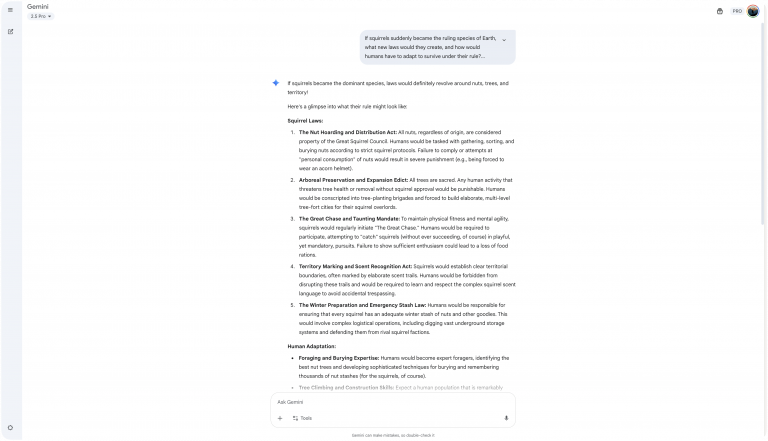
Gemini is designed to integrate directly with everyday Google Workspace tools such as Docs, Sheets, Slides, Gmail, and Drive. It helps teams write, organise, and collaborate more efficiently without disrupting their existing workflow.
Its key strength is real-time access to Google Search, web results, and YouTube. This allows users to bring in current information while working, making Gemini highly effective for research, content creation, market analysis, and report building. The live connection ensures accuracy and relevance at every step.
Gemini also supports multimodal inputs text, images, and video. Whether drafting a blog post, selecting visuals, or summarising a video for presentations, it processes content quickly and effectively.
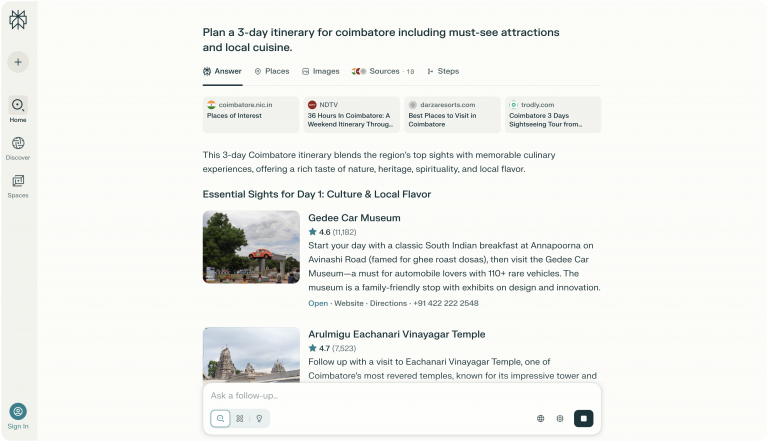
Perplexity is built for users who need fast, reliable answers backed by real sources.
Instead of pulling from outdated information, it searches the live web for every question you ask. It then organizes the results into clear, easy-to-read summaries and cites every source directly.
This type of generative AI search saves time by delivering verified answers without endless clicking.
This means you don’t have to spend time checking multiple websites or worrying about where information came from. Whether you’re working on research papers, news articles, business reports, or market studies, Perplexity helps you find verified facts quickly without digging through endless search results.
Because it connects to live web data, Perplexity is always up to date. You can track breaking news, market trends, academic studies, or competitor updates in real time — and trust that the information is current and clearly sourced.
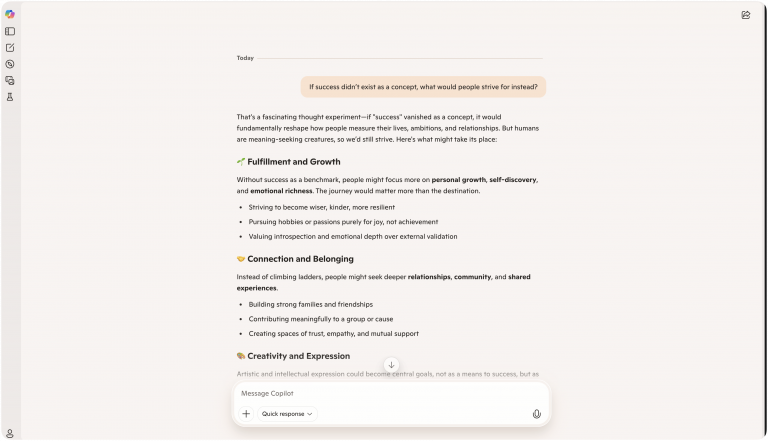
Microsoft Copilot fits directly into Word, Excel, Outlook, and Teams, helping users work faster without changing the tools they already use.
It acts like an extra set of hands, assisting with tasks like drafting documents, analyzing data, managing emails, and summarizing meetings — all without breaking your workflow. It also complements broader automation strategies, such as enhancing the user experience with human escalation, to maintain quality when AI needs backup.
Copilot understands the context of your work. In Word, it can build drafts or suggest edits based on your notes. In Excel, it helps create formulas, find patterns in data, and organize reports. In Outlook, it suggests professional email responses. In Teams, it can summarize meetings and capture action points.
Everything happens inside the apps you already know, making it easier to stay focused and productive.
Security is a major strength. Copilot follows Microsoft’s enterprise-grade security and compliance standards. Your documents, emails, and conversations stay protected, making it a strong choice for businesses that need both productivity and data protection.
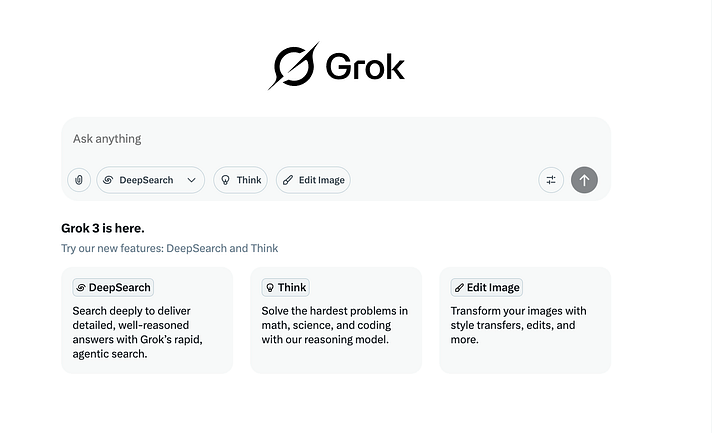
Grok AI is built into X (formerly Twitter), giving users quick access to live conversations, trending topics, and breaking news.
It connects directly to what’s happening right now, helping you stay updated without getting lost in endless scrolling.
Grok’s style is natural and easy to follow. Instead of sounding technical or stiff, it delivers updates with a smart, conversational tone.
This makes it easier to track important discussions, whether you’re following global news, industry trends, or community conversations.
For users who need speed — like social media managers, journalists, or brands — Grok highlights real-time insights without the clutter.
Many of these users also rely on AI-powered chatbots to improve customer satisfaction across platforms by reacting quickly to trends and conversations.
Grok is free to use, making it accessible for individuals, teams, and businesses looking to stay connected to real-time information without extra cost.
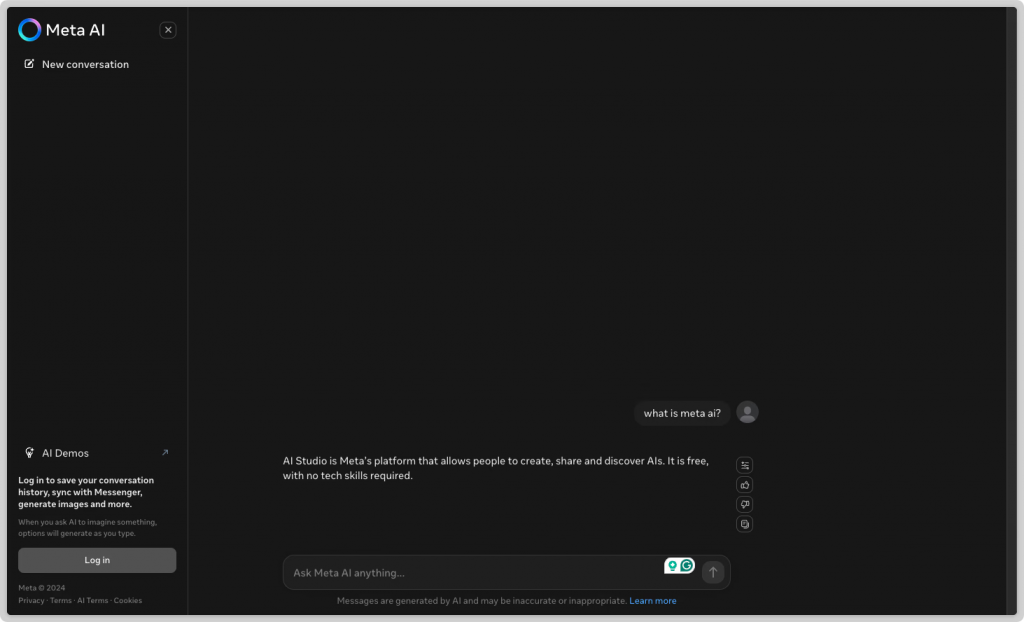
Meta AI is built directly into WhatsApp, Instagram, and Messenger, making it easy to create content, answer questions, and stay connected without leaving your favorite apps.
It brings AI tools into daily conversations, helping individuals and small businesses work faster and more efficiently.
With Meta AI, you can write posts, reply to messages, and even generate images—all inside the apps you already use. Its use of interactive messages to enhance customer experience makes it especially helpful for businesses engaging audiences across platforms.
If you need a caption idea, a quick reply to a customer, or a simple graphic, Meta AI helps you get it done without switching between different platforms.
The setup is simple. You don’t need technical skills to use Meta AI. Its easy-to-understand interface makes it accessible for anyone, whether you’re managing a growing business or building a personal brand.
Meta AI’s flexibility saves time and keeps communication flowing, making it a useful tool for creators, entrepreneurs, and everyday users who want quick support without complexity.
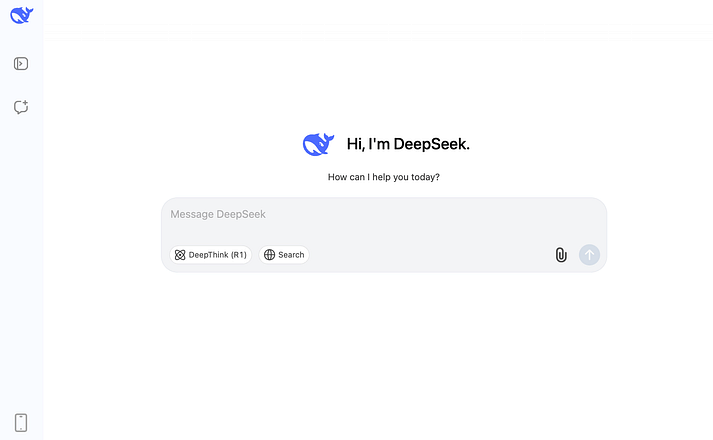
DeepSeek is designed for users who need clear, structured reasoning—not just quick answers.
It explains each step it takes, helping you understand the full path to a solution, whether you’re solving math problems, working on coding tasks, or analyzing scientific data.
Instead of giving a final result and moving on, DeepSeek breaks problems down into simple, organized steps.
This makes it easier to follow the logic, check your work, and build a stronger understanding over time. Its structured approach also complements long context window and RAG-based models that support complex, multi-step tasks.
DeepSeek also runs with a lightweight design. It works quickly and efficiently without needing heavy hardware or complicated setups.
This makes it accessible for students, engineers, researchers, and developers who need reliable support for serious work but don’t want to deal with extra system demands.
By focusing on transparency, clear reasoning, and speed, DeepSeek helps users solve problems with more confidence and accuracy.
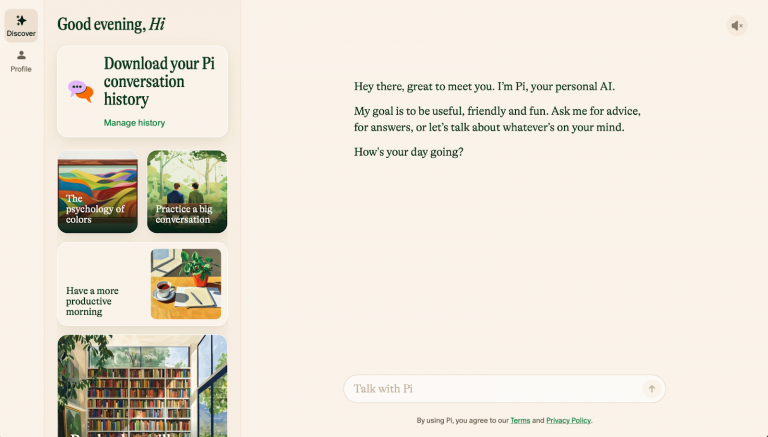
Pi by Inflection AI is designed to offer smart, personal support through natural conversations.
You don’t need any technical skills or setup. You simply start chatting, and Pi responds with advice tailored to your situation, helping you think more clearly and stay organized.
Pi works best when you need to slow down, sort through your thoughts, or make decisions.
It doesn’t overload you with technical details. Instead, it asks helpful questions, offers practical suggestions, and keeps the conversation focused on what you want to achieve.
Its conversational approach reflects the growing importance of automated responses that enhance efficiency across AI-powered tools.
Whether you’re planning a project, weighing a decision, brainstorming new ideas, or managing daily tasks, Pi stays responsive to your needs.
It acts like a steady, supportive partner one that helps you think better without adding pressure or complexity.
Pi is available anytime you need a second opinion or a fresh perspective, making it a useful tool for busy professionals, students, and anyone who values clear, simple support during their work or learning.
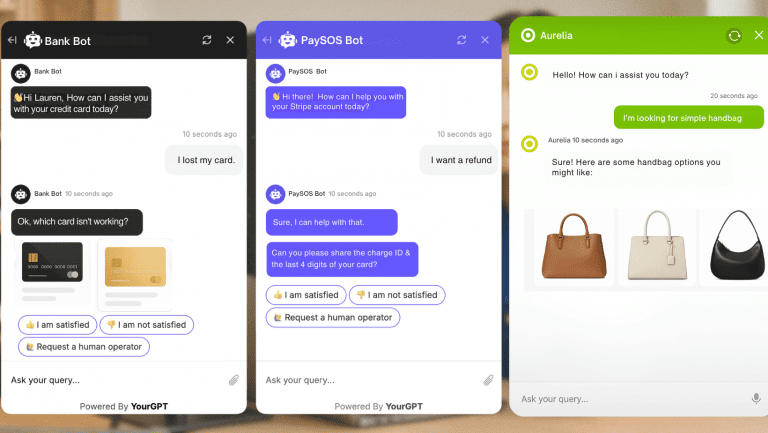
YourGPT is an omnichannel, no-code AI agent platform for customer support, sales, and operations teams that want to manage conversations across multiple channels without building separate bots for each one.
The platform helps teams provide 24/7 self-service, automate repetitive questions and actions, handle troubleshooting and order updates, and reports up to a 90% AI resolution rate. When a conversation requires human support, YourGPT can transfer it to an agent with the full conversation history and relevant context intact.
Teams can build and manage agents through a no-code interface or use AI Studio for more advanced workflows, API integrations, logic, triggers, and custom actions. YourGPT also supports models from GPT, Claude, Gemini, DeepSeek, and other providers, giving businesses flexibility over the AI models used in their workflows.
Agents can be deployed across websites and messaging platforms, including WhatsApp, Instagram, Messenger, Slack, Telegram, Framer, voice interfaces, and SDK-based applications. The platform also supports more than 100 languages, making it suitable for businesses serving customers across different regions.
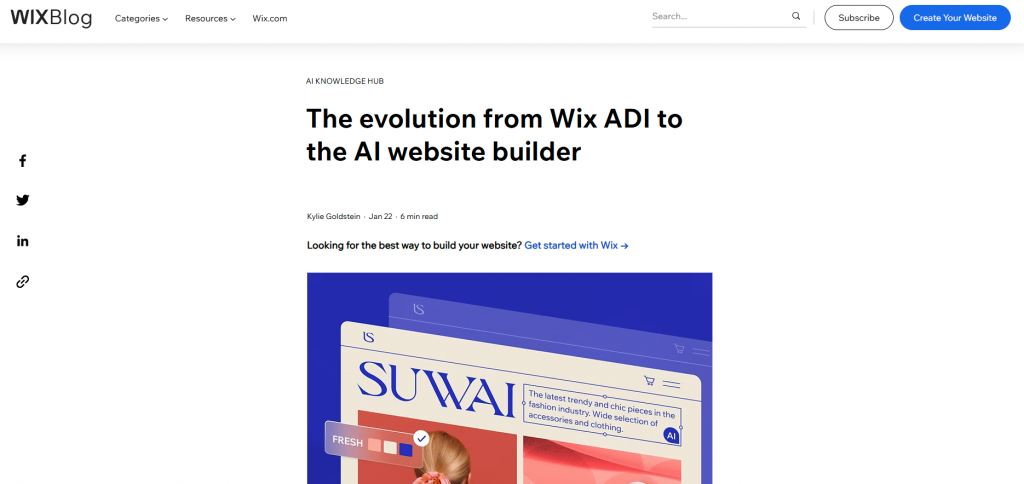
Wix AI Builder helps you build a complete, professional website without needing any technical skills.
You start by answering a few simple questions about your business, your style, and the features you want.
Based on your answers, Wix automatically designs a site for you handling the layout, structure, and even basic content. The process is quick and simple.
Instead of choosing templates or figuring out design rules, you get a ready-to-use site in minutes.
If you want to make changes after launch, the standard Wix editor lets you adjust layouts, update text, add sections, or customize colors through an easy drag-and-drop system.
Wix AI Builder is a good fit for entrepreneurs, freelancers, and small business owners who want to get online fast without getting stuck in technical details.
It gives you a professional-looking website while keeping full control in your hands for future updates.
Choosing the right AI platform depends on your goals. We’ll cover important factors like pricing, model capabilities, integration options, customization, and support to help you make a smarter choice.
| AI Tool | Primary Use | Key Strengths | Best Fit |
|---|---|---|---|
| Claude | Writing and coding support | Long context handling, natural writing, strong coding assistance | Professionals, developers, research-heavy roles |
| Google Gemini | Multimodal productivity | Google Workspace integration, live data, image and video support | Teams working inside Google Docs, Sheets, and Gmail |
| Perplexity AI | Research and fact checking | Real-time web access, clear citations, concise summaries | Researchers, journalists, analysts |
| Microsoft Copilot | Business productivity | Native Microsoft 365 integration, document context, enterprise security | Organisations using Word, Excel, Outlook, and Teams |
| Grok AI | Real-time updates | Live trend tracking, fast responses, free access | Social media teams and news-focused users |
| Meta AI | Social messaging assistance | Built into WhatsApp, Instagram, Messenger, text and image creation | Creators and small businesses on Meta platforms |
| DeepSeek | Structured reasoning | Step-by-step logic, strong math and science reasoning | Students, engineers, technical problem-solvers |
| Pi | Conversational support | Empathetic responses, simple interaction, always available | Individuals and personal productivity use |
| YourGPT AI | Customer support and workflows | No-code setup, trained on business data, multichannel deployment | Businesses running customer support, sales, and operations |
| Wix ADI | Website creation | AI-driven site setup, no-code editing, fast launch | Entrepreneurs and small businesses |
For businesses, the best ChatGPT alternative depends on where your team works and what you need to automate. Microsoft Copilot fits teams using Microsoft 365, while YourGPT is suited for businesses that need custom AI agents trained on company data to support customer support, sales, and operations.
Perplexity AI is a strong option for research because it pulls real-time information from the web and provides clear citations. It is useful when you need sources you can verify, not just summaries.
Yes. Some tools offer free tiers for common use cases. Grok is useful for real-time updates and trending topics, while Meta AI can help with messages, captions, and basic image generation inside WhatsApp, Instagram, and Messenger.
For sensitive work, look for strong data controls and enterprise-grade security. Claude is often chosen for careful writing and safer responses, while enterprise setups of Microsoft Copilot and business platforms with governance features can fit teams with strict compliance needs.
YourGPT is built for businesses that need custom AI agents on proprietary data. You can connect documents and knowledge bases, set behaviour rules, add guardrails, and deploy across web and messaging channels with API support.
Yes. Tools designed for live research can fetch current information when you need fresh facts. Google Gemini and Perplexity AI are commonly used for tasks that depend on real-time web results and sources.
Claude is widely used for coding help and clean explanations, while DeepSeek is useful for step-by-step reasoning on technical problems. The best choice depends on whether you need fast suggestions, deeper reasoning, or help with larger codebases.
Choose based on your main task. For research, start with Perplexity AI. For writing and coding, Claude is a strong option. For Google Workspace, use Gemini. For Microsoft 365, use Copilot. For business agents on proprietary data, evaluate YourGPT.
Switch only if your work needs something ChatGPT does not consistently deliver, such as verified sources, real-time information, deeper integrations, or business-specific automation. Many people keep ChatGPT for general tasks and use an alternative for specialised work.
The best ChatGPT alternatives in 2026 stand out by addressing specific limitations of general-purpose AI tools. Many teams rely on different AI tools depending on the task they want to solve. Claude is commonly used for long-form writing, structured thinking, and coding support. Google Gemini fits teams working inside Google Workspace that need text, image, and video support in one place. For research that depends on current information and source visibility, Perplexity AI is often preferred.
Business teams evaluating AI for customer-facing use cases tend to focus on systems designed for real operations rather than general chat. YourGPT is used by organisations that want AI agents trained on their own data to handle customer support, sales conversations, and internal workflows across multiple channels. For individuals and small businesses that want to publish a website quickly without technical effort, Wix ADI provides a guided approach to site creation.
Most users do not replace ChatGPT entirely. Instead, they combine tools based on specific needs such as writing, research, customer support, automation, or website creation. Choosing an AI tool that aligns with how the work is actually done leads to better accuracy, lower manual effort, and more reliable outcomes over time.
Deliver faster customer support, boost sales conversations, and automate workflows that slow your team down. Start using AI assistants built for real business results.
Start Free Trial
TL;DR CustomGPT.ai is a no-code RAG platform for building AI agents on business content. Pricing starts at $99/month for Standard and $499/month for Premium, with lower rates on annual billing. Enterprise typically ranges from $2,000 to $6,000/month. The Standard plan includes 500 query credits, 2 AI agents, and 1 team member. These limits differ from […]
TL;DR Customer success tools fall into two groups: dedicated CS platforms such as Gainsight, ChurnZero, Totango, Planhat, Vitally, and Custify, and support or AI-agent tools such as Freshdesk, YourGPT, and Intercom. None of the six dedicated CS platforms publish list pricing, and third-party estimates can vary widely for the same tool. AI agent adoption in […]


TL;DR Zoho Desk keeps its strongest AI assistant, native live chat, and process automation behind Professional and Enterprise, and that gap drives most of the switching. YourGPT builds AI agents that resolve support, sales, and operations requests directly instead of routing everything into a ticket queue. Freshdesk, Zendesk, and HubSpot Service Hub offer a more […]
TL;DR Claude Opus 5 launched on July 24, 2026, at half the API token price of Fable 5, while matching or outperforming it on several agentic benchmarks. On AA-Briefcase, Opus 5 scored higher than Fable 5 at high and max effort while costing substantially less per task. Fable 5 still leads on some coding evaluations […]
TL;DR Voiceflow’s official pricing page no longer displays public self-serve plan prices. As of July 2026, it separates pricing into a usage-based Agencies & Partners plan and a Businesses plan that requires contacting sales, replacing the older Starter, Pro, and Business tiers. Most third-party pricing trackers still reference the previous structure, consistently listing Pro at […]
TL;DR Fin, the AI agent formerly sold under the Intercom name, uses a per-outcome pricing model. Salesforce agreed to acquire the company in June 2026, but the deal has not closed yet. Zendesk AI Agents, Salesforce Agentforce, Freshworks Freddy AI, Gorgias, Tidio, and Kustomer suit teams that want AI built into a helpdesk or CRM […]