10 Best LiveChat Alternatives for 2026

Rajni
Last updated on September 11, 2026
LiveChat’s per-agent pricing and limited AI capabilities can make it less practical for growing teams that need broader automation.
YourGPT leads with AI-first automation, omnichannel coverage, and flat pricing that does not increase with team headcount.
The other nine alternatives cover different needs, from enterprise workflows and GDPR-focused support to simple live chat for smaller teams.
LiveChat is a customer messaging platform that has helped many teams handle customer questions through basic chat widgets, but the way businesses support customers has changed. People now expect quick answers across more channels, and support teams want tools that cut down on repetitive work instead of adding to it. As a result, many companies feel limited when they try to scale with LiveChat’s pricing, feature set, and ai automation options.
Some teams need AI that can handle routine questions without constant rule building. Others want WhatsApp, Instagram, or voice support without piecing together multiple tools. Many simply want predictable costs as their support workload grows.
This blog covers the ten alternatives that give teams more flexibility. Each one offers a different approach, whether you want stronger automation, a wider set of channels, or a smoother setup for your team. The goal is to help you understand which platform matches your workflow and gives you room to grow without running into the same limits.
If you’re considering a switch, this comparison will make your decision easier.
Businesses are exploring alternatives to LiveChat due to practical challenges around automation, pricing transparency, and scalability that impact growing support teams.
LiveChat is a well-established platform built for real-time customer conversations. While it excels at human-led chat, user feedback reveals several pain points driving teams to explore other solutions:
LiveChat focuses primarily on human agents with basic chatbot capabilities. Teams wanting advanced AI that can resolve complex queries autonomously often find the automation options too basic. Most intelligent workflows require manual setup and constant refinement.
LiveChat charges per agent seat, starting at $20/agent/month and increasing with higher tiers. As support teams grow, costs scale linearly. This pricing model penalizes hiring and makes budgeting difficult for fast-growing businesses.
LiveChat’s bot builder is limited and relies heavily on manual setup. Even simple flows require step-by-step configuration, and building anything advanced takes more time and technical effort. The system doesn’t adapt, improve, or learn from past conversations, which means teams must continually update responses and maintain rules manually.
LiveChat covers website chat, email, and Facebook Messenger well. However, expanding to WhatsApp, Instagram, voice support, and other channels often requires additional integrations or third-party tools. This fragments the customer experience and complicates your tech stack.
Adapting chat flows to match specific business processes can be restrictive without custom coding. Teams needing tailored automation paths, advanced routing logic, or backend integrations often hit platform limitations quickly.
For organizations facing these challenges, alternative platforms provide smarter AI automation, more predictable pricing structures, and native omnichannel support without added complexity.
These platforms make it easier to implement intelligent automation, scale support efficiently, and control costs as conversation volumes grow.
LiveChat works well for basic real-time conversations, but teams increasingly need AI-powered automation, flexible pricing, and true omnichannel capabilities. We reviewed ten superior alternatives for customer communication in 2026 so you can choose the one that works best for your team.
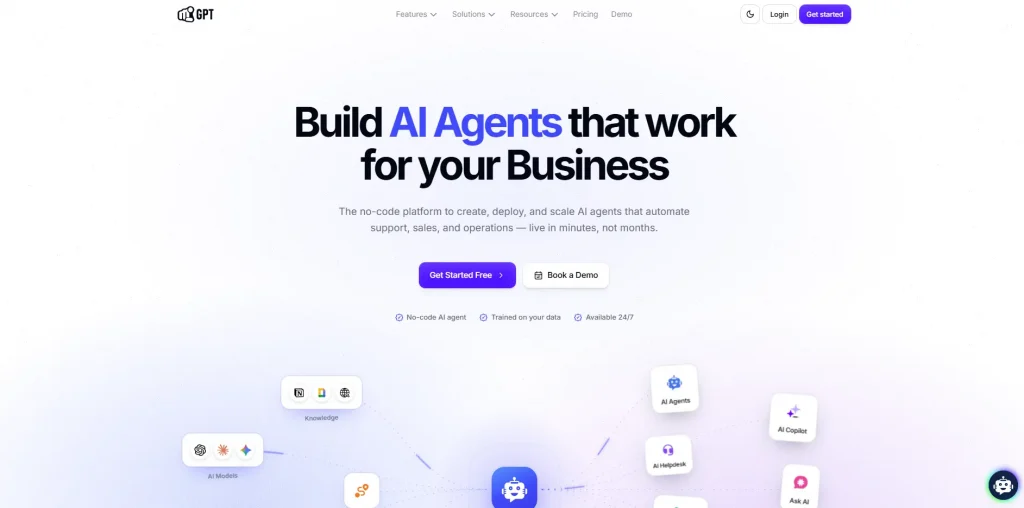
YourGPT is an AI-first platform for building and deploying intelligent AI agents without coding. It helps businesses manage customer support, sales, and operations from a single workspace that connects effortlessly with websites, WhatsApp, Slack, Messenger, Instagram, LINE, email, and voice channels.
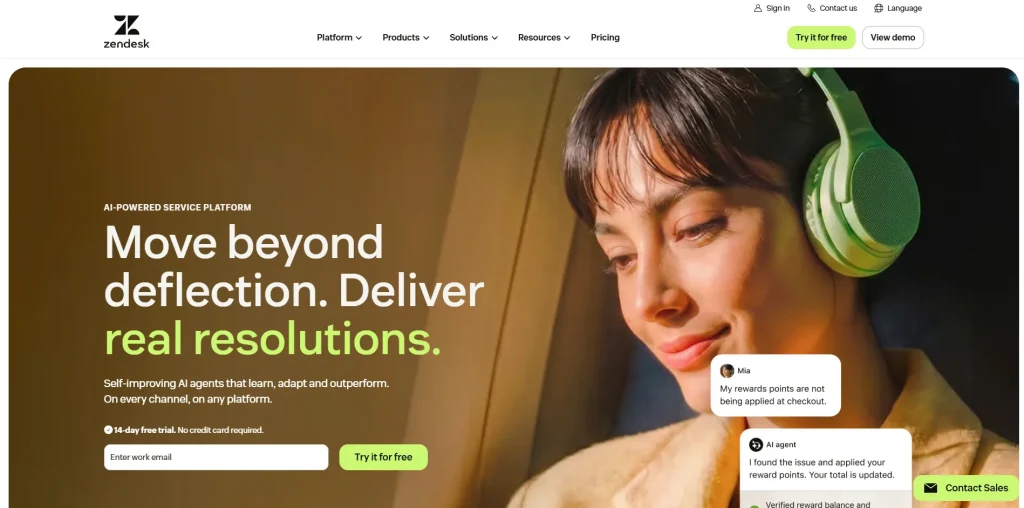
Zendesk is one of the most established platforms for customer support, offering ticketing, live chat, voice, a knowledge base, and workflow automation in one system. It is widely used by larger organizations that need a mature, scalable solution with extensive integration support.
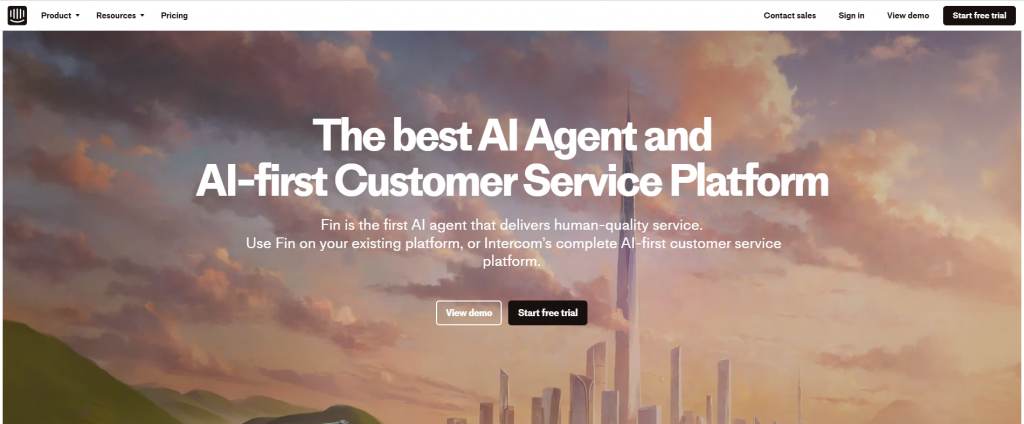
Intercom is a conversational platform centered around real-time messaging and in-app engagement. It is built for product-led SaaS companies that want to communicate directly inside their product while automating parts of the support workflow. Intercom combines live chat, behavioral targeting, and product tours in one system, with AI powering automated responses.
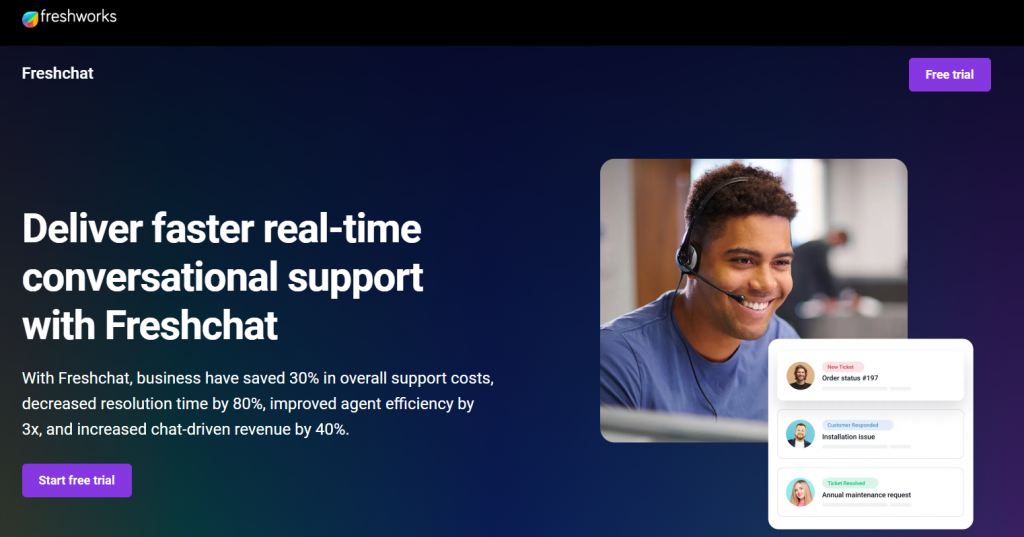
Freshchat is a cloud-based customer messaging platform from Freshworks that combines live chat, bots, and multi-channel engagement. It’s well-suited for teams that want an easy-to-use, hosted solution to manage conversations across web, mobile, and popular messaging apps.

LiveAgent is a comprehensive help desk solution that combines live chat, ticketing, call center functionality, and social media management in one platform. It’s designed for businesses that want an all-in-one customer service solution with strong multi-channel support.
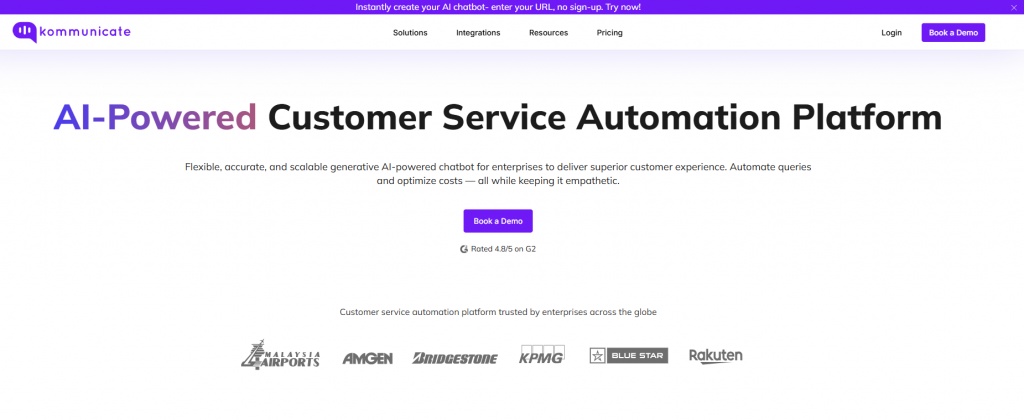
Kommunicate is a customer service automation platform that combines live chat with AI-powered chatbots. It is designed for businesses that want to blend human and automated support seamlessly, with a focus on quick deployment and multi-channel coverage.
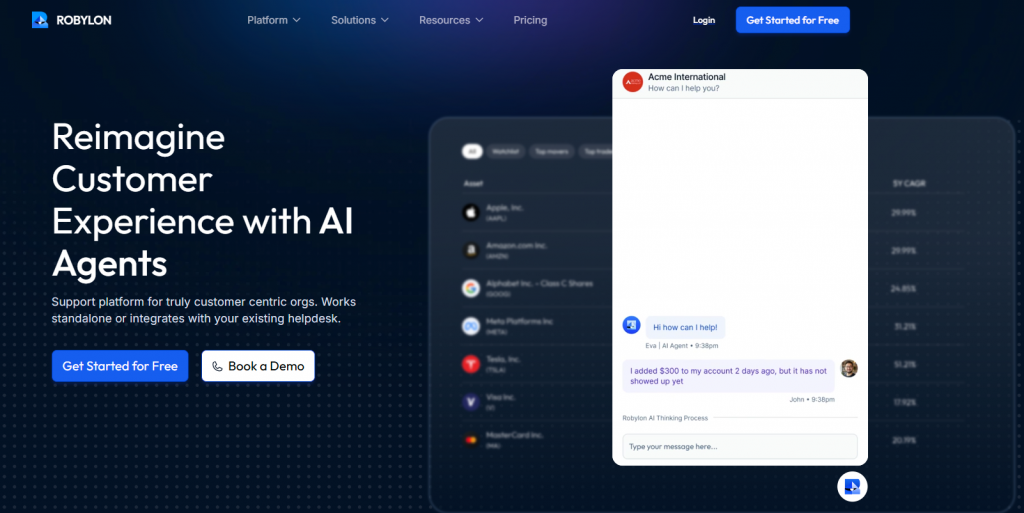
Robylon is an AI-powered customer engagement platform focused on voice and conversational automation. It specializes in handling high-volume customer interactions through intelligent voice bots and chat assistants, making it suitable for contact centers and customer service teams prioritizing phone support.

Hiver is a customer support platform built directly inside Gmail. It transforms shared inboxes into collaborative support workspaces, making it ideal for teams already using Google Workspace who want to manage customer communication without switching tools.
Userlike is a European live chat and messaging platform with strong data privacy compliance. It focuses on providing secure, GDPR-compliant customer communication across web chat, messaging apps, and mobile channels making it ideal for businesses operating in regulated markets.

Olark is a straightforward live chat tool designed for small and medium-sized businesses that want simple, effective customer conversations. It focuses on ease of use, quick setup, and human-centered chat without heavy automation complexity.
Here’s a quick comparison of all 10 LiveChat alternatives:
| Platform | Main Strength | AI Capability | Channel Coverage | Best Fit |
|---|---|---|---|---|
| YourGPT | No-code AI agents with advanced workflows and APIs | Advanced, self-improving AI | Web, WhatsApp, Instagram, Slack, Telegram, email, and voice | SMBs to enterprises using AI agents |
| Zendesk | Established support suite with a large app marketplace | Assistive AI | Email, chat, voice, and social | Large support teams |
| Intercom | Customer messaging with apps and webhooks | Partial AI | In-app, email, and chat | SaaS companies |
| Freshchat | Quick setup with broad integration support | Basic AI | Web, mobile, and social apps | Freshworks users |
| LiveAgent | Multi-channel support with detailed reporting | Basic rules and automation | Email, chat, and voice | Multi-channel support teams |
| Kommunicate | Fast chatbot setup with templates | AI through integrations | Messenger and chat apps | Hybrid human and chatbot teams |
| Robylon | Voice and chat automation with system APIs | AI | Voice and chat | Voice-heavy teams |
| Hiver | Gmail-native customer support | AI capabilities | Email, chat, and WhatsApp | Teams working primarily in Gmail |
| Userlike | Privacy-focused messaging with CRM integrations | Basic automation | Web and WhatsApp | EU businesses focused on GDPR |
| Olark | Simple website live chat | No AI | Website chat only | Small teams needing basic live chat |
Selecting the right customer communication platform starts with understanding how well it matches your team’s capabilities, business objectives, and growth trajectory. The ideal LiveChat alternative should help you automate intelligently, respond faster, and scale customer interactions without creating operational bottlenecks.
1. Assess Your AI Needs : Before comparing platforms, determine how much you want AI to handle versus human agents. If you need intelligent automation that reduces agent workload significantly, platforms like YourGPT and Intercom deliver strong AI capabilities.
2. Match the Platform to Your Team’s Technical Skills : Non-technical teams benefit from platforms offering no code builders and quick setup without coding YourGPT and Kommunicate excel here. Teams with developers or IT support can use enterprise platforms like Zendesk. Gmail-heavy teams should consider Hiver for native integration.
3. Evaluate Channel Coverage : Identify where your customers communicate most. If you need comprehensive omnichannel support across web, WhatsApp, Instagram, voice, and social media, YourGPT, Zendesk, and Intercom provide broad coverage. For website-only chat, Olark works well. European businesses requiring GDPR-compliant messaging should evaluate Userlike.
4. Compare Pricing Models Carefully : LiveChat’s per-agent pricing can become costly as your team expands. Look for alternatives with transparent, predictable pricing that match your budget. YourGPT provides flat monthly plans that do not increase with the number of agents. Freshchat offers straightforward, usage-based plans that work well for growing teams. Always calculate the total cost, including setup, integrations, and any feature add-ons you may need.
5. Prioritize Essential Features : Focus on features that directly impact your workflow efficiency: AI automation quality, human handoff smoothness, analytics depth, customization flexibility, and integration ecosystem. YourGPT combines ease of use with advanced automation. Zendesk offers mature workflows for established teams. Hiver simplifies collaboration for email-centric support.
6. Consider Long-Term Scalability : The right platform should grow with your business without requiring migration later. Evaluate how well it handles increasing conversation volumes, supports new channels, and maintains performance under load. Choose solutions that reduce manual effort over time while keeping operational costs manageable.
Most teams seek alternatives when they need stronger automation, more predictable pricing, or broader omnichannel support. LiveChat excels at real-time chat but lacks the advanced AI and flexibility growing support teams require.
Platforms like YourGPT offer advanced AI automation, including context retention, workflow execution, and multi-step actions without manual setup. These capabilities suit growing teams that need more than basic live chat.
Some alternatives use per-agent pricing, while others offer flat monthly or usage-based plans. More predictable pricing can become important as support teams grow and add more agents.
YourGPT, Zendesk, LiveAgent, and Freshchat support communication across multiple channels such as web, mobile, email, messaging apps, voice, and social platforms.
Yes. Robylon focuses heavily on AI-powered voice automation. YourGPT, Zendesk, and LiveAgent also include voice capabilities as part of their customer service offerings.
Olark is a practical option for small teams that mainly need basic live chat without advanced automation. It focuses on simple, human-led website support.
Hiver integrates directly with Gmail, making it suitable for teams that already use Google Workspace and want to manage customer support from a familiar inbox.
Userlike focuses on GDPR compliance and privacy-first communication, making it a relevant option for European businesses and teams operating in regulated environments.
No-code platforms such as YourGPT and Kommunicate can be set up without extensive technical skills. Other platforms may require additional configuration or developer support for more advanced implementations.
Compare your requirements for AI automation, communication channels, pricing, technical setup, privacy, and team size. Then choose the platform that matches both your current support needs and how you expect them to grow.
Choosing a LiveChat alternative depends on how much automation your team needs, how wide your channel coverage is, and how predictable you want your costs to be. Many companies now want faster resolution, reduced manual workload, and support across more customer touchpoints.
YourGPT addresses these needs with strong AI agents, multi source training, no code setup, and coverage across WhatsApp, Instagram, email, web, and voice. It supports support, sales, and operations from one workspace without raising costs when your team grows.
Other platforms offer value in their own categories. Intercom works well for SaaS onboarding and life cycle messaging. Zendesk and LiveAgent are suitable for structured support teams that rely on ticket driven workflows. Freshchat is a good match for teams using the Freshworks suite. Userlike supports privacy focused European companies. Hiver fits Gmail heavy teams, and Robylon is designed for voice automation.
Review your automation needs, channel expectations, and budget. Select the platform that removes friction for your team and helps you support customers with speed and clarity.
The reader can shortlist one or two platforms by primary job, existing stack, action depth, handoff, governance, and billing unit.

A practical breakdown of Gorgias Helpdesk and AI Agent pricing, including what counts toward each allowance, how to compare plans and how to budget with your own volumes.
Choose Halloween ecommerce campaigns that fit your products, with AI agent workflows, offer worksheets, launch tests and order measurement.
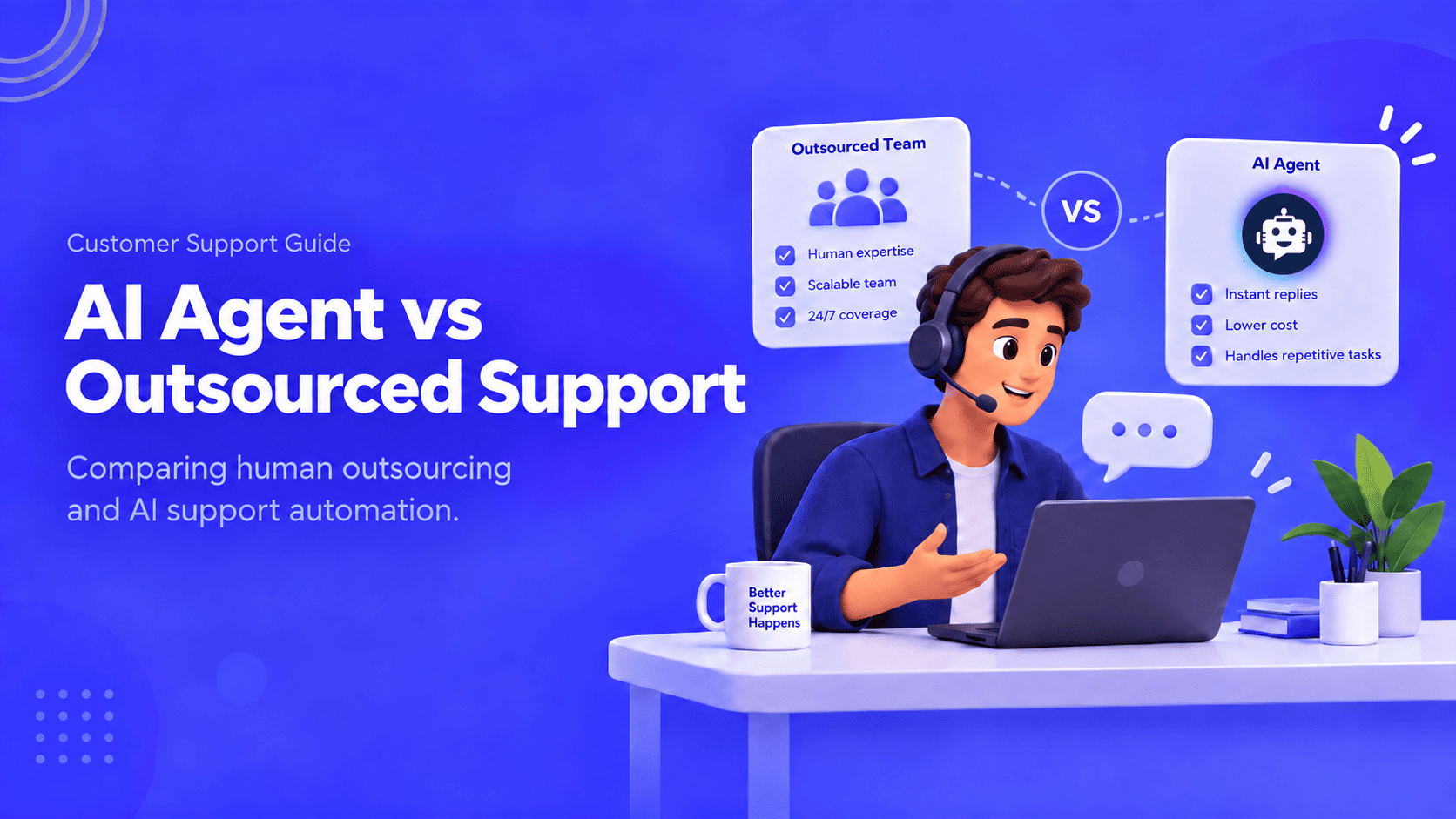
Compare outsourcing customer service with an AI agent using your own ticket mix, a cost model you fill in, and a clear rule for a hybrid split.
Export the Zendesk ticket archive, train an AI Agent on the help center, and test one real ticket before you stop the old queue.


Compare six Yuma alternatives by ecommerce capabilities, helpdesk compatibility, pricing and human handoffs to choose a replacement for your support team.
