YourGPT for Real Estate Lead Capture and Nurture

Rajni
October 30, 2026
Real estate growth starts with meaningful conversations. Every buyer, renter, or investor who visits your website is looking for quick answers about properties, pricing, availability, locations, viewing options, or the next step in their journey.
YourGPT helps real estate teams turn those moments of interest into qualified leads. With an AI chatbot trained on your listings, FAQs, and workflows, your business can capture inquiries, answer property questions, qualify prospects, schedule viewings, and nurture leads automatically across the funnel.
This gives visitors a smoother experience while helping agents focus on the opportunities most likely to convert. Instead of relying only on static forms or manual follow-ups, YourGPT keeps conversations active, organized, and ready for agent handoff.
In this blog, you will learn how YourGPT supports real estate lead capture, qualification, and nurture, and how agencies can use it to build a more responsive lead management system.
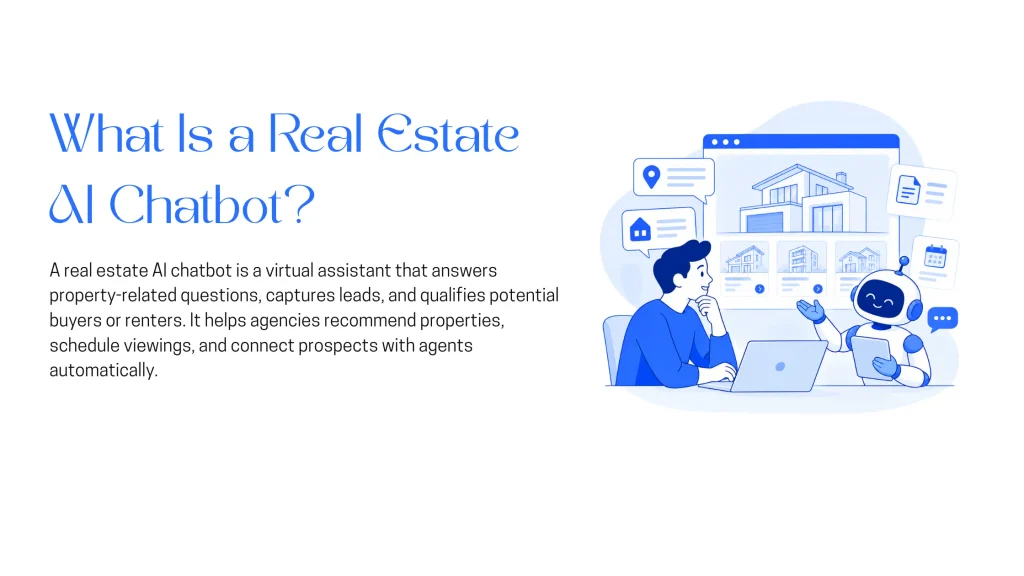
A real estate AI chatbot is a virtual assistant that helps agencies engage website visitors, answer property questions, collect lead details, qualify prospects, and guide people toward the next step in their property journey.
With YourGPT, real estate teams can train an AI chatbot on their property listings, FAQs, documents, website content, and business workflows. This allows the chatbot to respond with relevant answers instead of generic messages.
Instead of asking every visitor to fill out a static contact form, YourGPT starts a natural conversation. It can ask whether someone is buying, renting, or investing, understand their preferred location and budget, check their timeline, and suggest the right next step, such as booking a viewing, sharing similar listings, or sending the lead to an agent.
For agents, this creates a more organized lead pipeline. Each inquiry comes with useful context: what the person is looking for, which property they viewed, when they plan to move, and how ready they are to speak with an agent. That means agents spend less time sorting raw inquiries and more time speaking with prospects who are already engaged.
Every real estate lead starts with a moment of interest. A buyer may be checking property availability, comparing neighborhoods, reviewing prices, or deciding whether to book a viewing. The faster your team can respond with helpful guidance, the easier it becomes to turn that interest into a qualified conversation.
AI helps real estate teams engage visitors instantly instead of depending only on contact forms, callbacks, or manual follow-ups. With YourGPT, prospects can get quick answers about listings, pricing, locations, viewing options, and next steps while they are still active on your website or messaging channel.
This creates a smoother experience for buyers, renters, and investors. They can ask questions naturally, share their preferences, and receive relevant support without waiting for an agent to become available. At the same time, YourGPT collects useful lead details such as budget, timeline, property type, location preference, and buying or renting intent.
For agents, this means every conversation starts with context. Instead of sorting through incomplete form submissions, your team receives leads that are already engaged, organized, and easier to prioritize. High-intent prospects can be routed to an agent quickly, while early-stage visitors can be nurtured automatically with helpful follow-ups.
YourGPT does not replace the relationship-building role of a real estate agent. It strengthens it by making sure the first response is fast, relevant, and consistent. This helps agencies keep more conversations active and move more prospects from casual interest to qualified opportunity. For a wider look at how agencies use chatbots, read YourGPT’s guide to real estate AI chatbots.
AI chatbots give real estate teams a faster, more organized, and more consistent way to manage leads from the first inquiry to agent handoff. Instead of depending only on static forms, manual callbacks, or scattered follow-ups, a chatbot can engage visitors instantly, collect useful lead details, answer property questions, and guide prospects toward the next step.
For real estate businesses, this means every buyer, renter, investor, or property owner can receive timely support while agents focus on conversations that need human expertise.
Real estate inquiries can happen at any time. A buyer may explore listings late at night, a renter may check availability early in the morning, or an investor may compare properties over the weekend.
An AI chatbot helps real estate teams stay available around the clock by answering common questions, collecting lead details, and keeping the conversation active even outside office hours. This creates a smoother experience for prospects and helps businesses engage leads when their interest is highest.
Speed plays an important role in real estate lead conversion. When someone asks about property availability, pricing, location, parking, viewing slots, or nearby listings, they expect a quick answer.
AI chatbots can respond instantly with relevant information, reducing wait times and helping prospects continue their search without friction. This quick response can keep potential clients engaged and make the first interaction more helpful.
A strong lead management process does more than collect a name, phone number, and email address. It helps agents understand what the prospect is looking for and how ready they are to move forward.
An AI chatbot can ask qualification questions naturally during the conversation, such as whether the visitor is buying, renting, or investing, what location they prefer, what budget range they have, and when they plan to move. This gives agents more context before they follow up.
Instead of receiving raw contacts with little information, agents can work with leads that are already organized by intent, timeline, budget, and property preference.
Many visitors do not want to search through dozens of listings manually. They want relevant property options based on their needs.
AI chatbots can help match prospects with suitable properties by asking about budget, location, property type, number of bedrooms, lifestyle needs, or investment goals. A family looking for a home near schools can receive different guidance from an investor asking about rental potential or a renter looking for immediate move-in options.
This makes the property search experience more useful and helps prospects move forward with less effort.
Not every real estate lead is ready to book a viewing or speak with an agent immediately. Some prospects are still comparing locations, arranging financing, waiting for the right property, or planning a move months ahead.
AI chatbots can support lead nurture by sending relevant follow-ups, sharing matching listings, reminding prospects about viewings, and checking whether their preferences have changed. This keeps leads engaged without requiring agents to manually follow up with every contact.
Consistent nurture helps real estate teams stay connected with prospects until they are ready to take the next step.
Agents often spend time answering repeated questions, collecting basic details, scheduling viewings, and following up with early-stage prospects. These tasks are important, but they can reduce the time agents have for high-value conversations.
AI chatbots can automate many routine tasks, including answering FAQs, collecting lead information, booking appointments, sending reminders, sharing property details, and routing qualified leads to the right person.
This helps agents focus more on consultations, negotiations, relationship-building, and closing opportunities.
Real estate prospects may contact a business through different channels, including the website, WhatsApp, Facebook Messenger, email, or listing platforms. If these conversations are disconnected, leads can become harder to track and manage.
AI chatbots help create a more consistent experience across multiple channels. Prospects can receive support wherever they choose to engage, while the business maintains cleaner lead communication and better follow-up visibility.
This makes the overall customer experience more connected and professional.
Every chatbot conversation can provide useful information about what prospects want. These interactions can reveal popular locations, common questions, preferred property types, budget ranges, buying timelines, and objections that stop people from moving forward.
By collecting and organizing this data, real estate teams can better understand their audience, improve marketing campaigns, refine property recommendations, and make follow-up conversations more relevant.
Real estate often attracts buyers, renters, and investors from different regions and language backgrounds. Language barriers can make it harder for some prospects to ask questions or continue the conversation.
AI chatbots with multilingual support can help businesses communicate with a wider audience. This is especially useful for agencies working with international buyers, relocation clients, or diverse local markets.
Expanding a team to handle every inquiry, channel, and follow-up can be expensive. AI chatbots help reduce manual workload by managing first-touch conversations and repetitive tasks automatically.
This allows real estate businesses to handle more inquiries without increasing operational effort at the same pace. The result is better lead coverage, more consistent engagement, and more efficient use of agent time.
Overall, AI chatbots help real estate teams turn everyday property inquiries into structured, qualified, and actionable conversations. They improve response speed, lead qualification, customer experience, and pipeline efficiency while allowing agents to focus on the relationships that matter most.
Real estate lead capture is more than collecting a name, phone number, or email address. A strong lead capture process helps agents understand who the prospect is, what they are looking for, and which next step makes sense.
YourGPT turns static website visits into interactive conversations. When someone lands on a property page, pricing page, or agency website, the chatbot can start a natural conversation instead of showing only a contact form. It can ask whether the visitor is buying, renting, investing, or selling, then guide the conversation based on their intent.
For example, a buyer may be asked about preferred location, budget range, property type, number of bedrooms, and viewing timeline. A renter may be asked about move-in date, rental budget, and lease preferences. An investor may be asked about rental yield expectations, location interest, and investment goals.
This makes the lead capture process feel helpful instead of forced. Visitors can get value first, such as property suggestions, availability details, viewing options, or similar listings, before being asked to share their contact details.
The biggest advantage is context. A basic form may give your team an email address, but a chatbot conversation can provide the full picture: what the prospect wants, which property they viewed, how ready they are, and what they need next.
Once the lead is captured, YourGPT can pass the details to your CRM or agent workflow with the conversation history attached. This helps agents follow up with more relevant information instead of starting from zero.
For real estate teams, this creates a smoother path from visitor to qualified lead. Prospects get a more useful experience, and agents receive leads with the information they need to take action faster.
Real estate decisions often take time. A buyer may start exploring properties months before they are ready to make an offer. A renter may compare different locations before choosing the right home. An investor may watch the market until the right opportunity appears.
This is why lead nurture is important. It helps real estate teams stay helpful, relevant, and visible throughout the buyer or renter journey without overwhelming prospects with generic follow-ups.
YourGPT helps automate this process by keeping conversations active after the first inquiry. Instead of sending the same message to every lead, it can follow up based on each prospect’s timeline, preferences, property interest, and stage in the decision-making process.
Every lead has a different timeline. Someone planning to move in two weeks needs a faster follow-up than someone exploring options for six months later.
YourGPT can use the timeline shared during the conversation to trigger the right follow-up sequence. A high-intent buyer can be guided toward booking a viewing or speaking with an agent, while an early-stage prospect can receive useful property suggestions, area guides, or market updates over time.
This keeps communication relevant instead of repetitive.
Lead nurture becomes more useful when the follow-up matches what the prospect actually wants.
If a visitor searched for a three-bedroom apartment in a specific location, YourGPT can help continue the conversation around similar listings, nearby options, price changes, or new properties that match those preferences.
This gives prospects a reason to re-engage because the message feels connected to their original interest.
Some leads pause their search, delay their decision, or stop responding for a while. That does not always mean they are no longer interested.
YourGPT can send polite re-engagement messages after a period of inactivity. For example, it can ask whether the prospect is still looking, whether their budget or location preference has changed, or whether they would like to see updated property options.
This helps real estate teams restart conversations without making the follow-up feel forced.
When a new property matches a prospect’s saved preferences, timely communication can bring them back into the buying or renting journey.
YourGPT can notify leads about relevant new listings based on budget, location, property type, number of bedrooms, or other search criteria. This makes follow-up more valuable because the message is tied to a real opportunity, not just a generic reminder.
Lead nurture should continue after a property viewing. A prospect may need time to think, compare options, ask family members, or review financing before making a decision.
YourGPT can follow up after a viewing to collect feedback, answer additional questions, share similar listings, or guide the prospect toward the next step. This helps agents maintain momentum while giving the prospect a smoother experience.
Not every lead will convert immediately, but many can become valuable later. Automated nurture helps real estate teams stay connected with prospects over time by providing helpful, timely, and relevant communication.
For agents, this means fewer forgotten follow-ups and more organized conversations. For prospects, it means they continue receiving useful guidance based on what they are actually looking for.
With YourGPT, lead nurture becomes more than a one-time follow-up. It becomes a consistent system for keeping real estate prospects engaged until they are ready to take action.
One of the most common complaints about chatbot platforms in real estate is that they create data silos. A chatbot captures a lead, and then someone has to manually export that data into the CRM, losing the timing advantage that made the capture valuable in the first place.
YourGPT is built with integrations at the core. It connects with the tools real estate teams already use: CRM platforms, WhatsApp Business, email, and scheduling tools. When a lead completes a conversation, the data goes directly into your system. Your agents see it where they already work.
The chatbot runs across multiple channels from a single configuration. The same setup that handles your website chat works on WhatsApp, Facebook Messenger, Discord, Slack, and other platforms. A lead who first contacts you on WhatsApp and later visits your website is recognized as the same contact, not two separate entries with duplicate records.
When a visitor lands on a listing page or your agency homepage, YourGPT opens a conversation automatically. It asks about preferences, budget, and timeline, and captures contact details in exchange for a curated shortlist or a neighborhood guide. Passive browsing becomes an active lead without any agent involvement.
Prospects book property viewings directly through the chat, without calling an agent or submitting a form. YourGPT presents available time slots, confirms the booking, and sends reminders to both the buyer and the listing agent ahead of the appointment.
Investors have a specific set of questions: rental yield, capital growth projections, vacancy rates, and comparable sales. YourGPT handles this profile separately from owner-occupier buyers, asking the right questions and routing the lead to the agent best placed to handle it.
Visitors register for an open house through the chatbot, which captures their contact details and preferences before they attend. After the event, YourGPT follows up automatically, gauging interest and presenting next steps while the property is still fresh in mind.
For property managers, YourGPT collects initial tenant information including employment history, rental references, and move-in timeline, giving the team a complete picture before scheduling an inspection. This reduces the back-and-forth that typically delays rental decisions.
Real estate buyers come from diverse backgrounds, and language barriers cost agencies leads every week. YourGPT handles conversations in multiple languages from the same setup, ensuring every buyer gets a quality first response regardless of which language they use.
After an offer is accepted, YourGPT prompts buyers and tenants for required documents, sends reminders for upcoming payment milestones, and keeps all parties updated on transaction progress. Administrative delays shrink without requiring extra staff.
Building a real estate AI chatbot is easy with YourGPT. Follow these simple steps to set it up and start engaging with your clients efficiently.
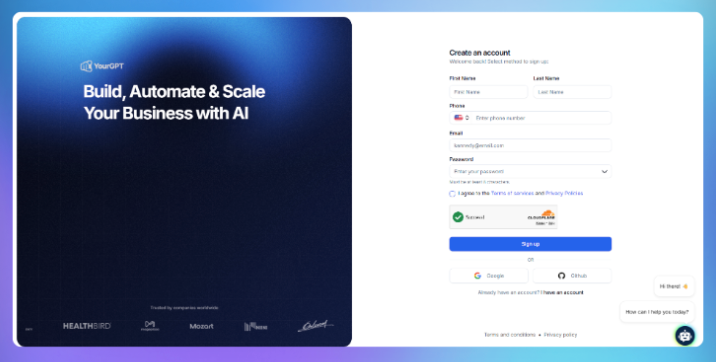
Visit the YourGPT Chatbot website and create an account. The sign-up process is quick and easy. Once registered, you have immediate access to the chatbot builder and all configuration tools.
If you are interested in creating a chatbot in just 2 minutes, read the guide: How to Create a Chatbot for Your Real Estate Business in 2 Minutes.
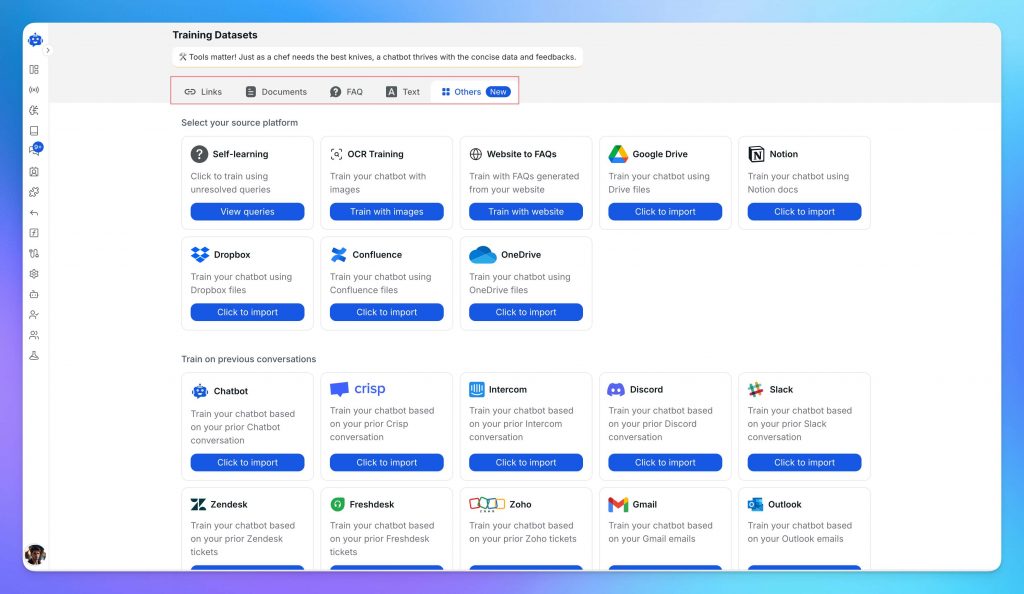
Using a no-code interface and your custom data, train the chatbot to handle real estate inquiries specific to your business. You can customise the chatbot’s responses with YourGPT to fit your unique requirements. The platform supports a variety of training formats including text, documents, FAQs, website links, and uploaded files, so you can feed it your property listings, common buyer questions, agency policies, and anything else relevant to your workflow.
YourGPT also includes self-learning features that allow the chatbot to improve its responses over time based on real conversations. The more it interacts with your leads, the more accurate and helpful it becomes.
For more detailed information on training your chatbot, read the blog post: Effectively Train Your AI Chatbot for Enhanced Interactions.
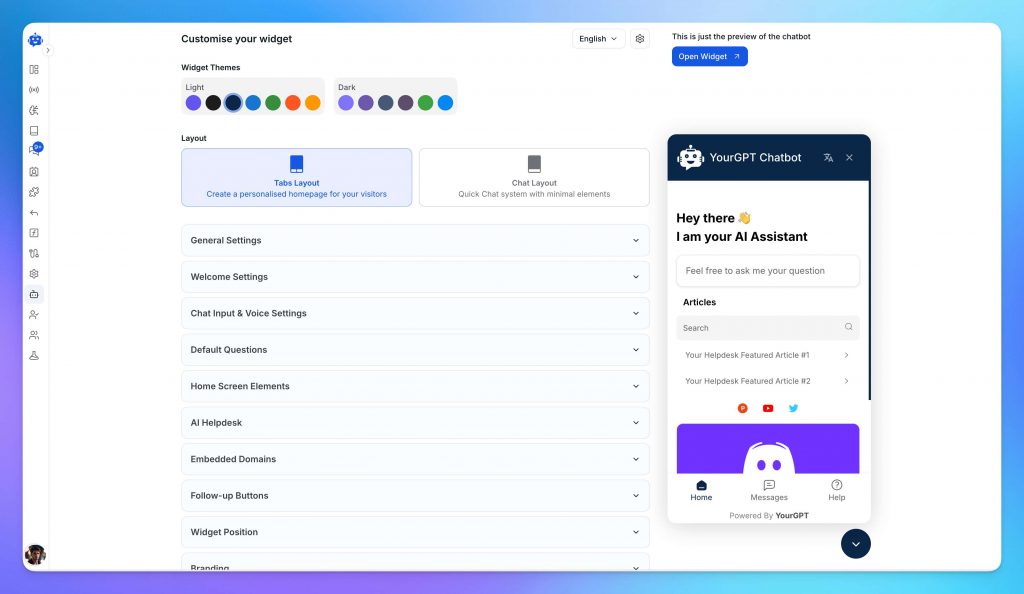
Use the powerful no-code builder to customise your chatbot. Its look, tone, and personality can all be configured to fit your brand. YourGPT gives you the option to design a chatbot that captures the unique voice and style of your agency, whether that is formal and professional or conversational and approachable.
At this stage you also set the qualification logic: which questions the chatbot asks, which lead profiles trigger an immediate agent escalation, and how different buyer types are routed through the conversation.

Using YourGPT to embed the chatbot on your website is simple. Just copy and paste the provided code snippet into your site’s HTML. For no-code website builders, an iframe or link option is also available.
Beyond your website, YourGPT integrates across multiple platforms including Facebook, Facebook Messenger, WhatsApp, Discord, Line, Slack, and more, all from the same configuration. Your CRM connection is set up at this stage too, so qualified lead data flows automatically into your existing system without manual exports.
Activate your chatbot and watch it interact with visitors in real time. With YourGPT, deploying your chatbot is as simple as clicking a button. Once activated, your chatbot is ready to assist clients, answer property queries, capture and qualify leads, and improve your customer service operations across real estate, around the clock.
A real estate AI chatbot is a virtual assistant trained on your property data, agency FAQs, and business processes. It handles inbound inquiries, qualifies leads by budget, timeline, and intent, schedules viewings, and runs follow-up sequences automatically, without requiring a human to manage each conversation.
YourGPT can be configured to escalate to a human agent whenever it encounters a question outside its training data. The full conversation is handed over with context intact, so the agent does not need to ask the buyer to repeat themselves. No inquiry falls through without a response.
Yes. YourGPT handles conversations in multiple languages, which is particularly useful for agencies serving international buyers or operating in diverse markets. The same chatbot setup handles multiple languages without needing separate configurations.
YourGPT integrates with major CRM platforms and also supports custom integrations via API. Qualified lead data, conversation history, and contact details are pushed directly into your CRM so agents work from one system rather than logging into a separate chatbot dashboard.
Yes. The no-code setup means any team member can train and deploy the chatbot without technical skills. Small agencies benefit from the same lead capture and qualification capabilities as large ones, and the cost of running the chatbot is significantly lower than hiring additional staff to cover after-hours inquiries.
YourGPT collects and stores data in line with privacy regulations. You control what data is collected, how it is used, and how long it is retained. Buyer information captured through the chatbot is treated with the same standards as data collected through any other channel in your agency.
Yes. YourGPT handles buyer, investor, and renter profiles in separate flows. A renter asking about a lease is routed differently from a buyer researching property values, and a landlord inquiring about tenant screening gets a completely different response path. Each profile gets the relevant information without confusion.
The real estate market rewards speed and personalization. Buyers and renters have options, and the agency that responds first with relevant information usually wins the relationship.
Most agencies are still relying on manual processes for the middle of the funnel: a follow-up call that happens the next morning, a CRM entry that gets updated when someone remembers, a nurture email that goes out once a month to everyone on the list.
YourGPT closes those gaps. Not by replacing the agent’s judgment or relationship skills, but by making sure no lead sits unattended, no follow-up falls through the cracks, and no warm prospect goes cold simply because your team was busy with something else.
The pipeline does not stop when your office does. And with YourGPT, neither does your lead capture.
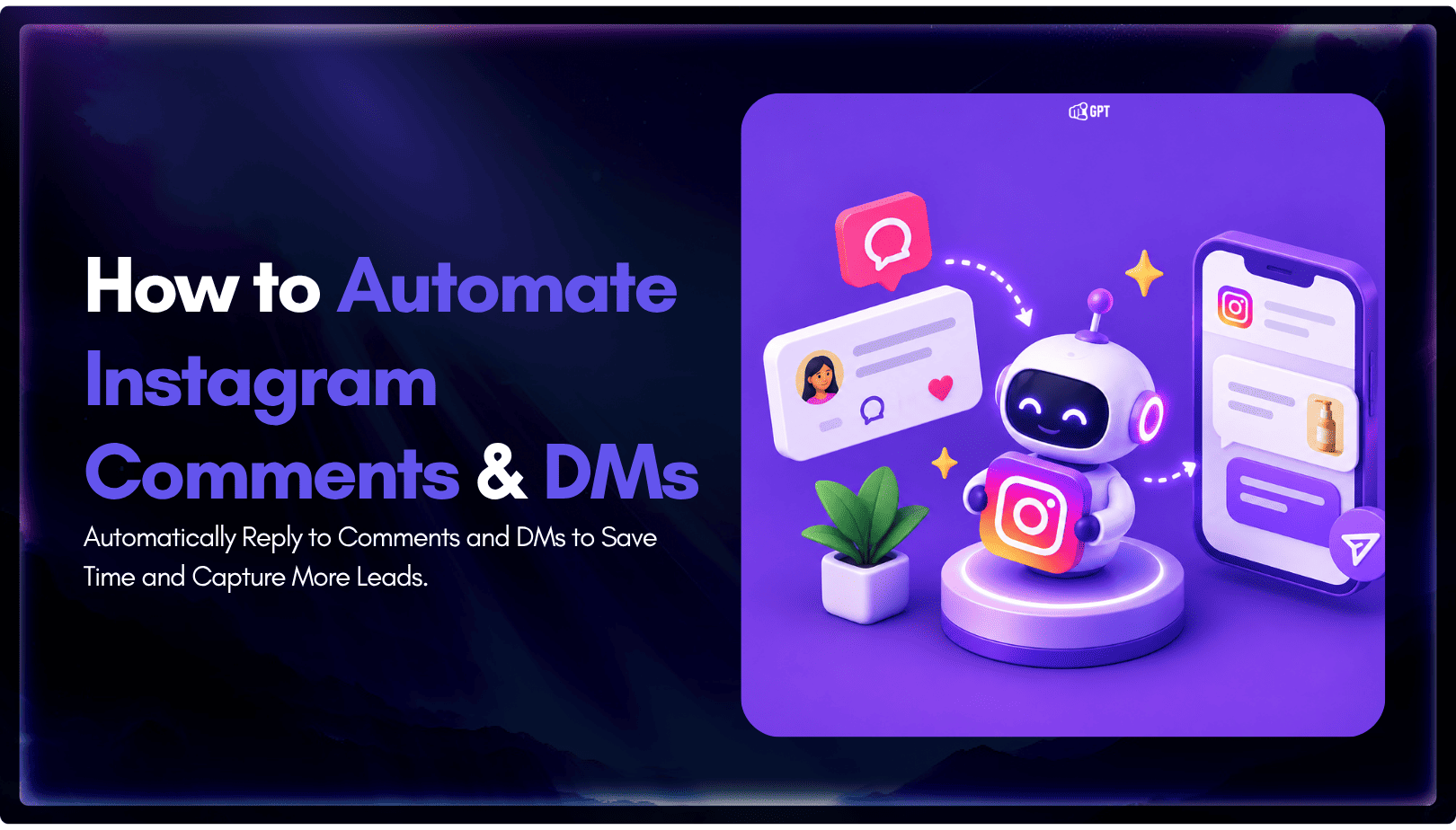
TL;DR Instagram buyers who ask “price?” in a comment expect an answer within minutes. Manual replies usually arrive too late to make the sale. YourGPT AI can connect to your professional account in minutes, reply publicly to selected comments, send detailed answers by DM, and handle follow-up questions using your knowledge base. Meta allows one […]
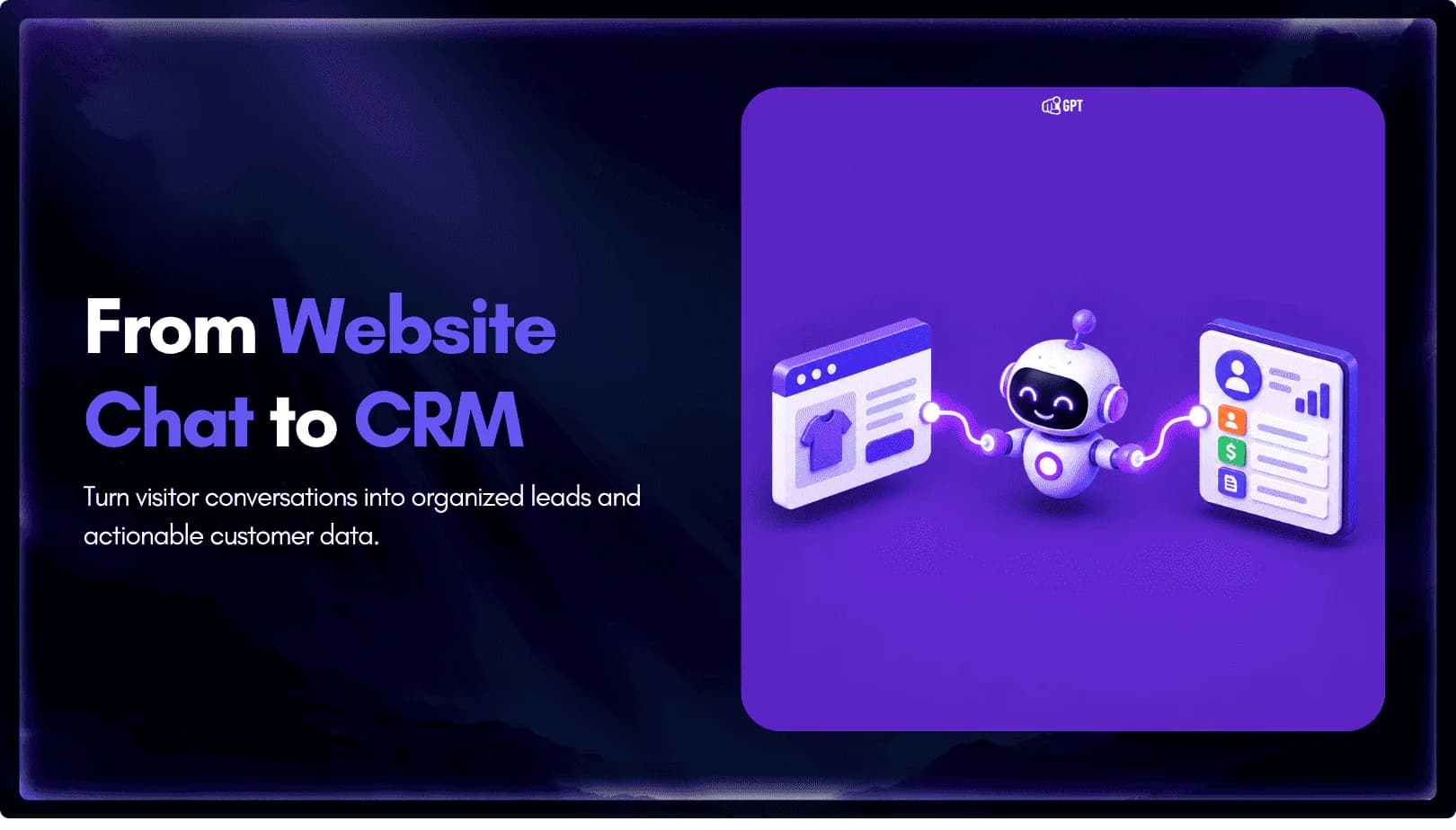
Connect your website AI agent to a CRM with YourGPT. Capture lead details, map contact fields and verify the record your sales team will use.

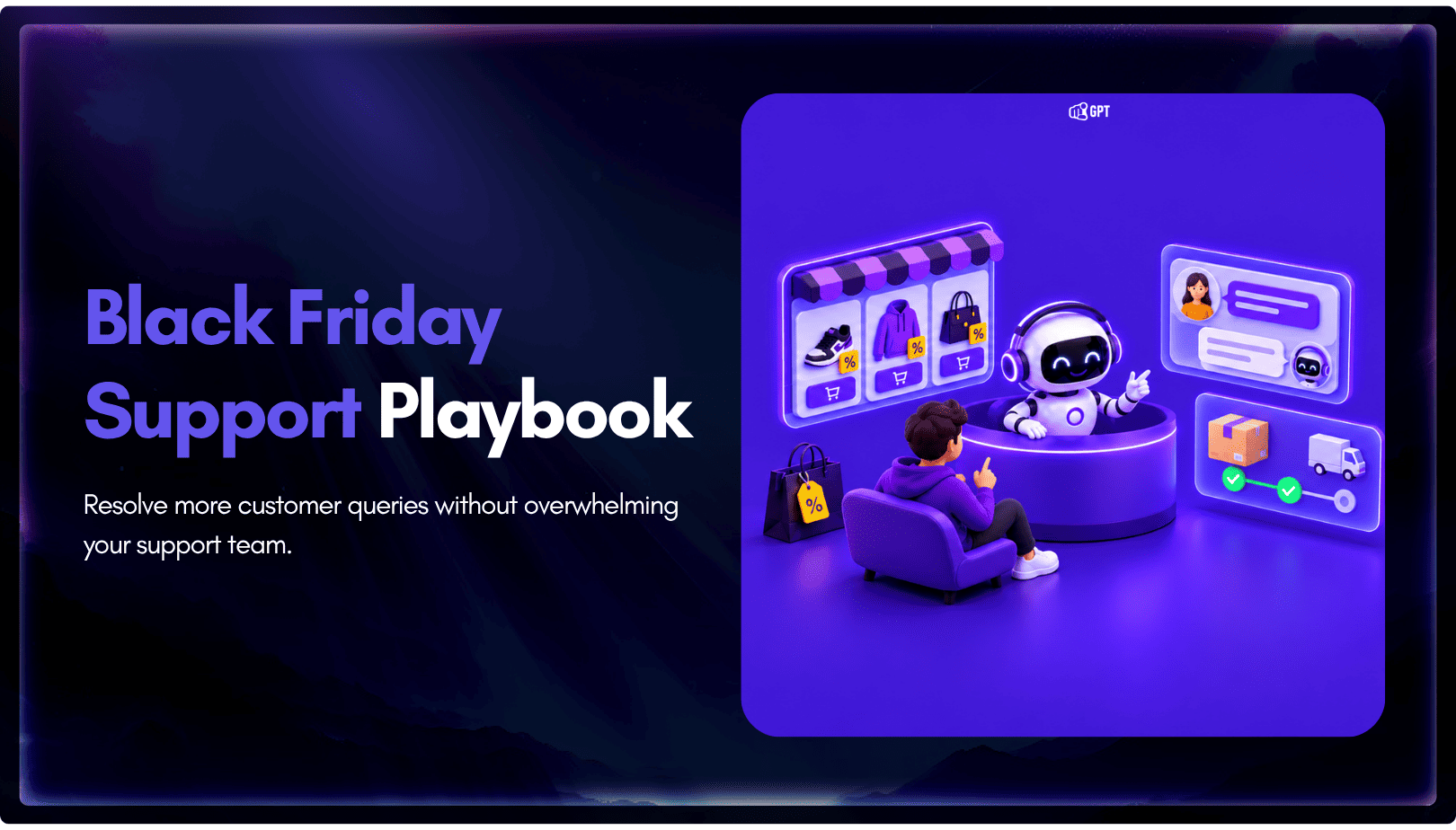
Use YourGPT to help Black Friday shoppers choose products, check orders and understand returns. Prepare your answers and team before the sale.
Add in-app chat support to your SaaS or mobile app. Place it on the screens where users stall, pass who they are, and hand hard cases to your team.
Group new-account tickets by onboarding stage, train an AI agent on your docs, and place it in the product where new users get stuck.

AI agents can now find and buy products for shoppers. See what agentic commerce changes for a Shopify store and which support jobs stay yours.