Top 10 Botsonic Alternatives for AI Customer Support

Rajni
Last updated on May 21, 2026
Botsonic covers basic chatbot needs, but scaling teams require deeper integrations, smoother human handoff, and multi-step automation. This blog compares 10 stronger alternatives to help businesses choose a more flexible solution.
Botsonic is an AI chatbot platform used by many businesses to automate customer conversations. It helps answer common questions, guide users, and handle basic support tasks across websites and messaging channels. For early-stage teams, it often works as a starting point for AI-driven support.
But as support volumes grow, requirements change.
Teams need AI that does more than respond to FAQs. They need systems that connect with order data, CRMs, and internal tools, resolve issues end to end, operate across channels, and scale without adding more agents. Flexibility, automation depth, and real integrations start to matter far more than simple chatbot flows.
This blog covers ten Botsonic alternatives for 2026. Each platform takes a different approach, from AI-first support systems to workflow-driven automation tools. The goal is to help you find a solution that fits your current needs and continues to perform as your customer support operation scales.
Botsonic works great for quick, no-code website chatbots that handle basic queries and FAQs. It shines until teams push for more depth, reliability, or scale. Then the cracks show up in similar ways for most users.
| Platform name | Best for |
|---|---|
| YourGPT | AI agents that handle end-to-end support across web, WhatsApp, and messaging with workflow automation |
| BoldDesk | Ticket-based helpdesk for small to medium teams with reporting and knowledge management |
| Chatfuel | Build chatbots for Facebook Messenger and Instagram with simple flow control and customer engagement |
| Ada | AI-powered chatbot platform for conversational support and guided self-service experiences |
| WotNot | Build bots for websites, WhatsApp, and social media with conversational AI and basic automation |
| Chatwoot | Open-source customer messaging platform for web, email, and social channels with team collaboration |
| Amio | Unified messaging API to integrate multiple channels and manage conversations efficiently |
| Kustomer | CRM-focused customer support platform with workflow customization and team collaboration |
| BuiltABot | No-code chatbot builder for websites and messaging apps with simple workflow control |
| Dante AI | AI platform for customer support with natural language understanding and task resolution |
Botsonic works well for basic conversational support, but many teams outgrow its simplicity as volumes and workflows become more complex. Modern alternatives offer deeper automation, stronger integrations, and better scalability. Below are ten platforms teams commonly evaluate instead.
Best for: AI-powered teams looking to deploy autonomous agents that can handle support, sales, and operations while executing real actions across web and messaging channels.
YourGPT is an AI-first platform built to create and deploy autonomous AI agents across customer support, sales, and operations. It allows agents to move beyond answering questions by taking multi-step actions and triggering workflows directly within conversations, helping resolve issues before tickets are created.
Teams can build agents using a no-code and low-code builder trained on documents, websites, and existing FAQs. For more advanced automation, the AI Studio provides a visual way to configure workflows, logic, and behaviors with minimal technical effort. This makes it suitable for both simple customer interactions and complex operational processes.
The platform supports continuous knowledge training, omnichannel deployment, and voice-based interactions while providing analytics to track performance and improve resolution rates over time.
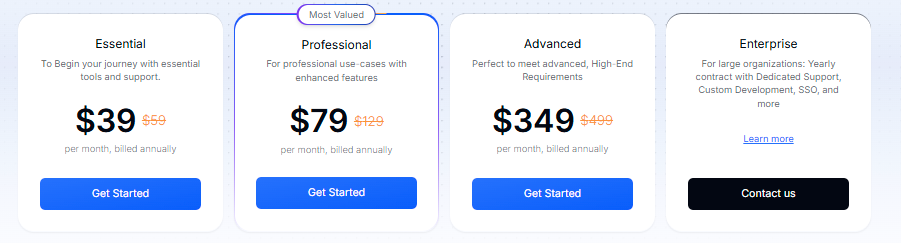
Best for: Teams that need a structured helpdesk with strong ticket management, automation, and knowledge base tools to manage multi-channel support efficiently.
BoldDesk is a customer support and helpdesk platform designed to manage tickets, live chat, and self-service resources within a single system. It centralizes customer conversations from email, web chat, social messaging, and forms, helping support teams stay organized and responsive.
By bringing all interactions into one unified workspace and automating repetitive tasks, BoldDesk helps teams reduce response times and maintain structured support operations. Agents can track conversations clearly, collaborate efficiently, and focus on resolving customer issues without switching between multiple tools.
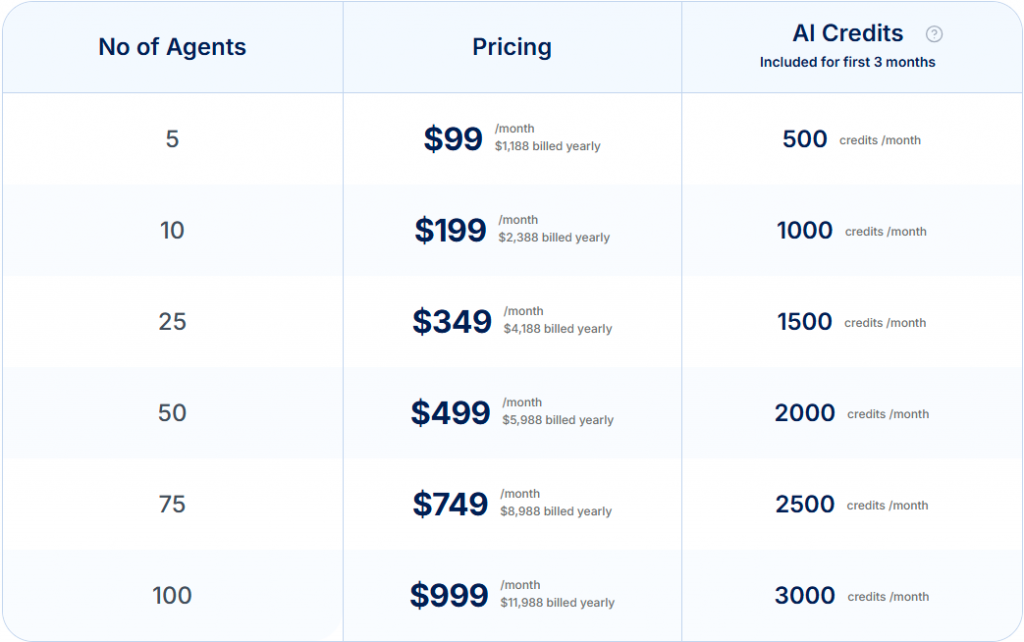
Best for: Businesses that want to automate customer conversations on messaging platforms like Facebook Messenger and Instagram using no-code chatbot flows and marketing automation.
Chatfuel is a no-code chatbot platform built to automate conversations across messaging apps such as WhatsApp, Facebook Messenger, Instagram, and TikTok. It helps businesses manage customer chats, capture leads, and accept bookings without requiring technical skills.
With a strong focus on messaging-driven sales and engagement, Chatfuel allows teams to set up automated replies, follow-ups, and promotional flows. This helps businesses stay responsive, nurture prospects, and organize daily conversations directly within social messaging channels.
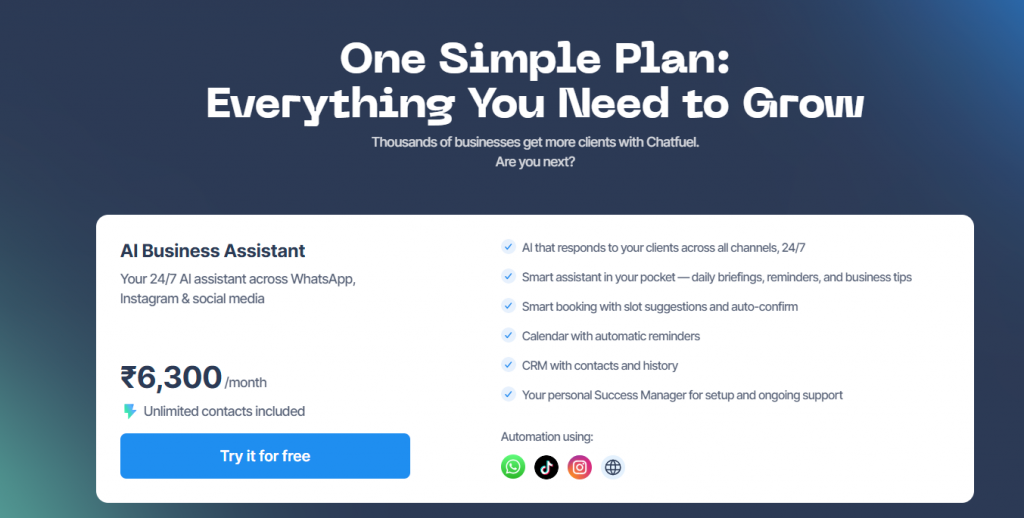
Best for: Enterprises that want AI-powered customer support automation with scalable chatbots that can resolve common issues and reduce support ticket volume.
Ada is a customer service automation platform built to manage high volumes of support conversations across chat, email, voice, and social messaging from one centralized system. It enables businesses to deploy AI agents that handle common requests while keeping interactions consistent and well-structured.
By connecting customer data, conversation history, and predefined business rules, Ada delivers context-aware responses that reflect real account information and support policies. The platform is designed for large-scale operations, helping teams reduce manual workload while maintaining control over how issues are resolved.
Best for: Businesses looking to build AI chatbots that automate customer support, capture leads, and manage conversations across websites and messaging channels.
WotNot is a no-code AI chatbot platform that helps businesses automate conversations across websites and popular messaging channels. It enables teams to build, deploy, and manage chatbots and basic AI agents without technical setup or coding.
The platform supports customer support automation, lead capture, and user engagement through structured conversational flows. WotNot is designed for quick implementation while offering enough flexibility to manage everyday business interactions at scale.
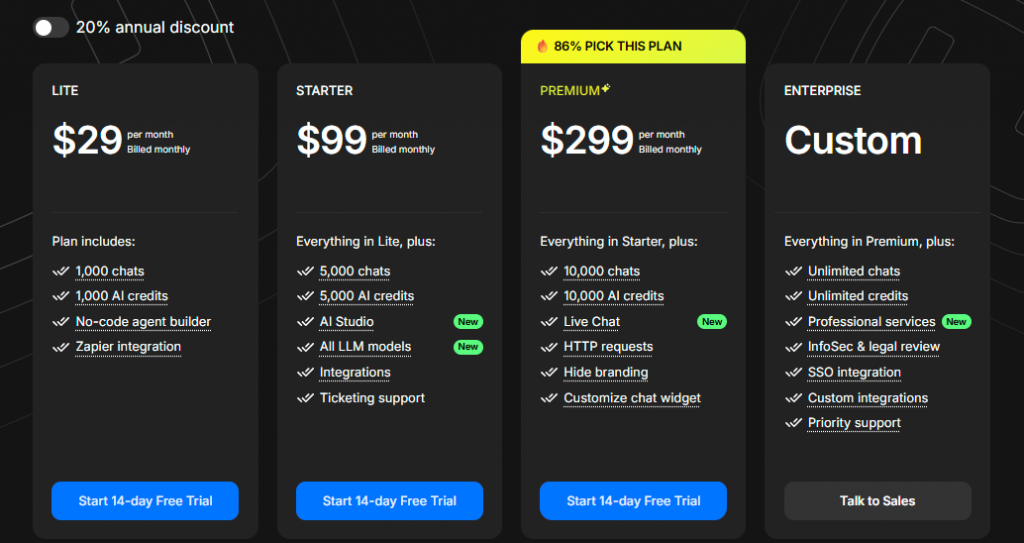
Best for: Teams that want an open-source customer support platform to manage conversations across live chat, email, and social channels in one unified inbox.
Chatwoot is an open-source omnichannel customer support platform that helps businesses manage conversations from a single shared inbox. It supports communication across websites, email, social media, and popular messaging apps, keeping all customer interactions in one place.
The platform offers both self-hosting and cloud-hosted options, giving teams flexibility based on security, control, and infrastructure needs. Chatwoot is built to streamline support operations, improve collaboration, and maintain full visibility into every customer interaction.
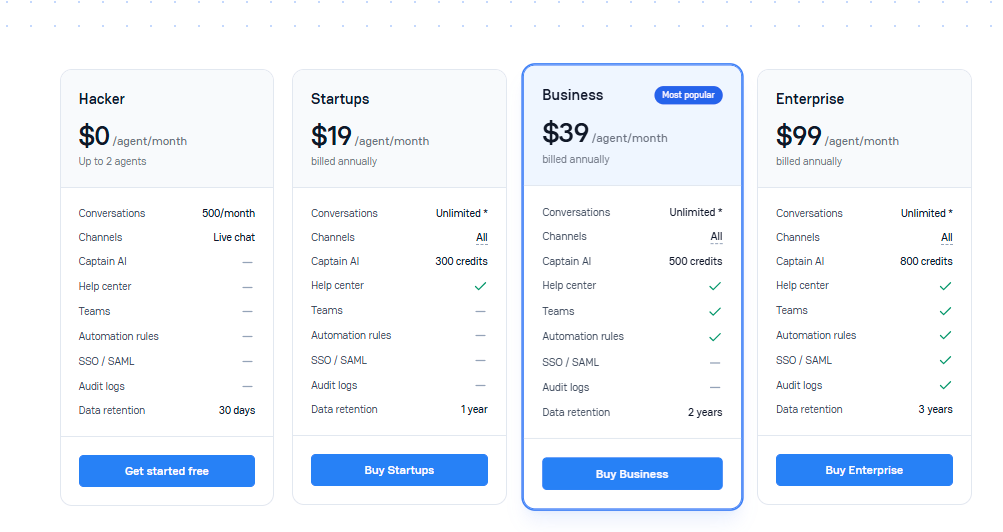
Best for: Businesses that want to manage customer conversations across messaging platforms like WhatsApp, Messenger, and web chat while combining automation with human support.
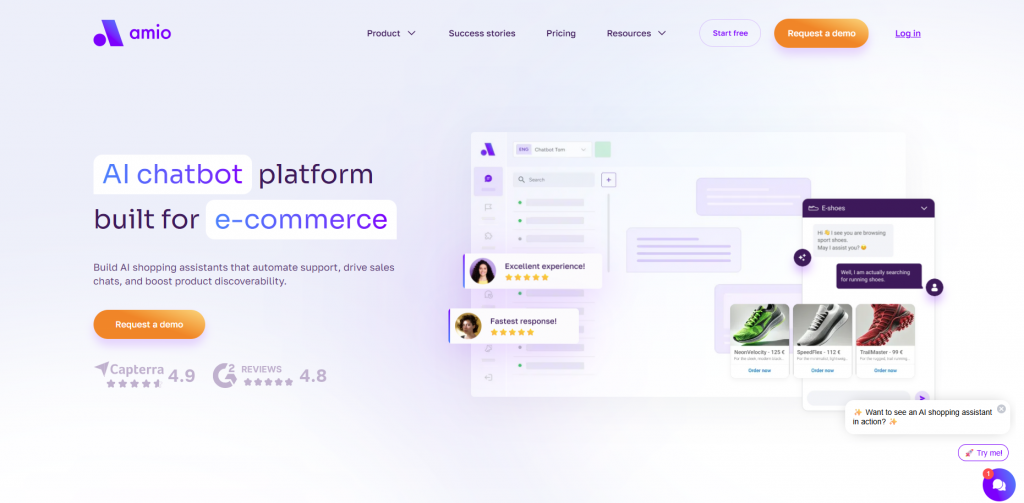
Amio is an AI-driven messaging and chatbot platform built primarily for e-commerce businesses. It helps online stores automate customer support, guide shoppers through purchasing decisions, and handle post-purchase conversations in real time.
The platform connects directly with store data such as products, orders, and customer activity to deliver personalized responses and recommendations. By combining automated chat flows with live agent support, Amio helps brands reduce repetitive inquiries while maintaining fast, consistent customer communication across channels.
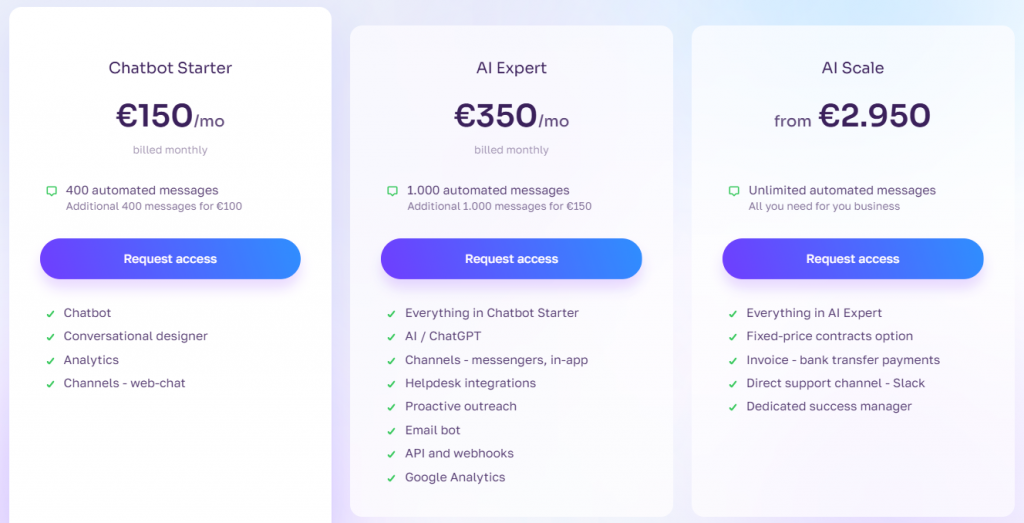
Best for: Companies that need a customer service platform combining CRM data, conversation history, and automation to deliver personalized support at scale.
Kustomer is a customer service CRM designed to unify all customer interactions into a single timeline-based workspace. It brings together conversations, customer data, and support actions so agents can view the full customer journey in one place.
Instead of managing tickets across disconnected tools, Kustomer focuses on customer records as the core of support. This allows teams to respond with full context, reduce repeated questions, and deliver more personalized service across messaging, email, and voice channels.
Best for: Businesses that want to create custom AI chatbots to automate customer interactions, streamline support, and manage conversations across digital channels.
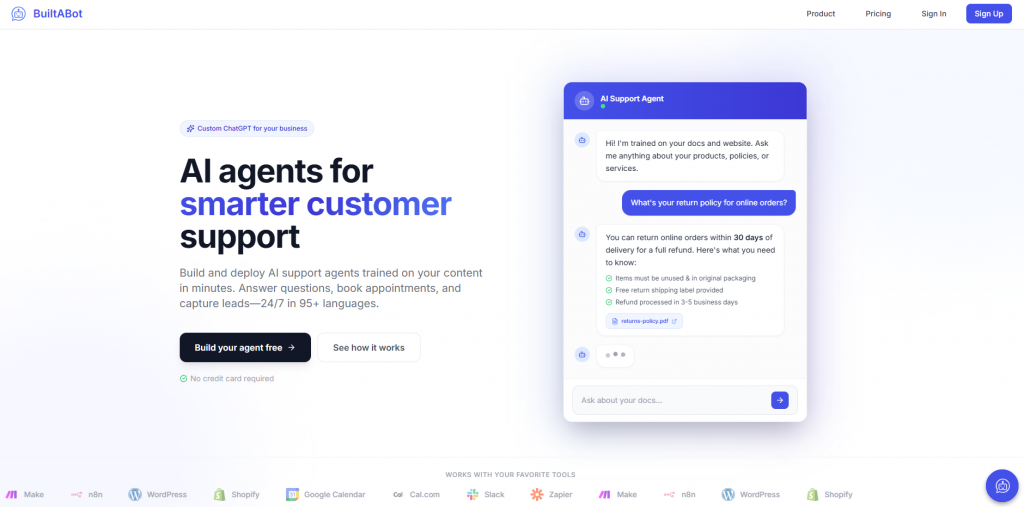
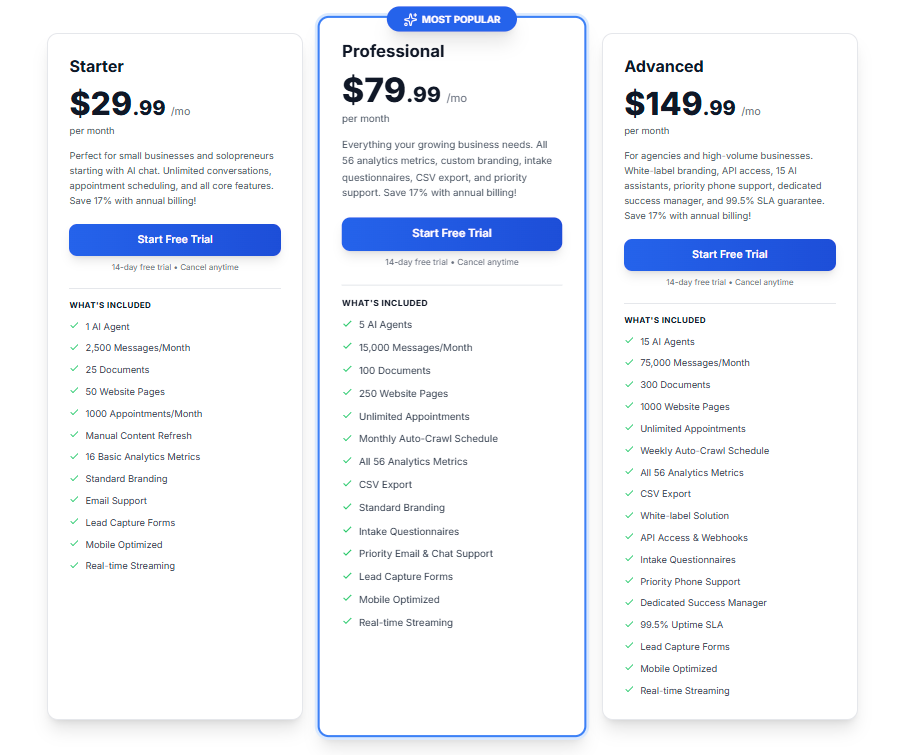
BuiltABot is a no-code chatbot platform that helps businesses create custom AI assistants trained on website content, documents, and knowledge sources. It enables teams to automate customer questions, capture leads, and deliver consistent responses without technical setup.
Once deployed, businesses can manage conversations, update knowledge, and monitor performance from a centralized dashboard. BuiltABot focuses on fast setup and low maintenance, making it easy to launch practical chat assistants for everyday customer interactions.
Best for: Teams that want to build AI assistants trained on their own data to answer questions, automate support, and deliver instant responses across websites and applications.
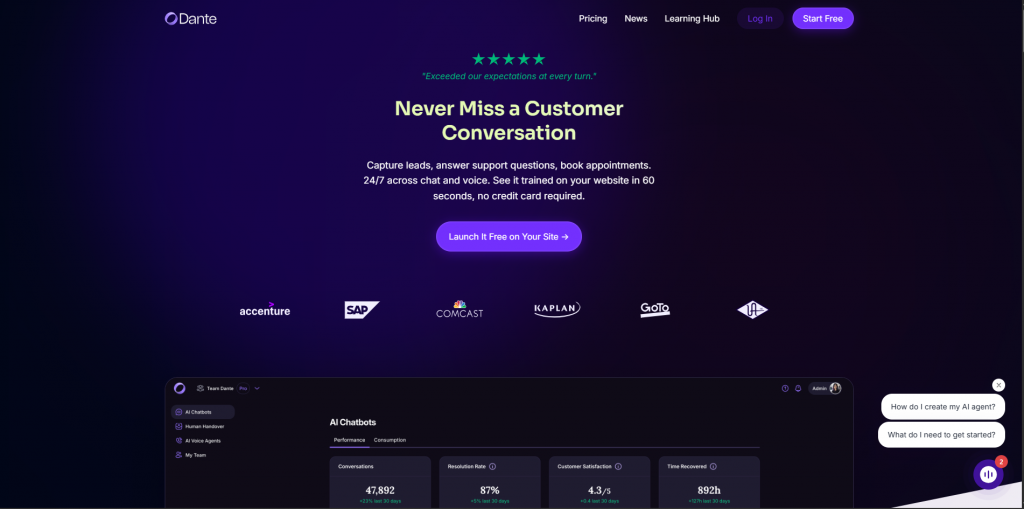
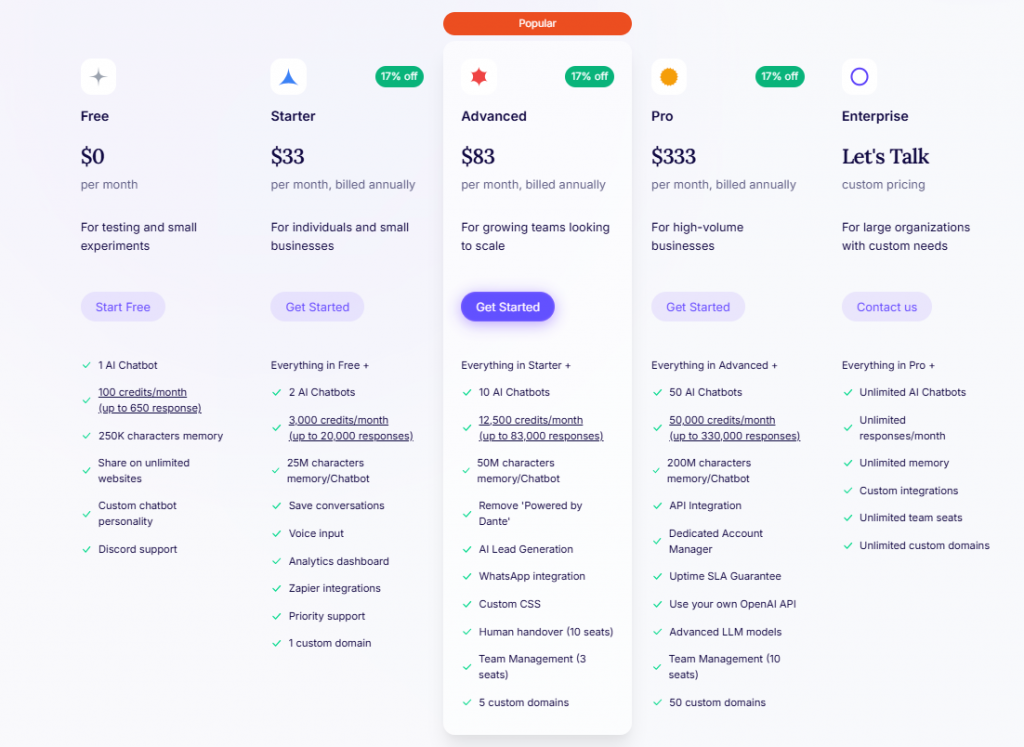
Dante AI is a no-code conversational AI platform that helps businesses automate customer interactions across chat, voice, email, and messaging channels. Teams can train assistants using website content, documents, and knowledge sources to start answering questions quickly.
The platform supports high-volume conversations while preserving context across interactions. It also enables smooth handoff to human agents, multilingual engagement, lead capture, and scheduling, making it useful for both customer support and sales workflows.
Choosing the right alternative requires more than comparing features. The real question is how the platform performs in daily support operations. The goal is not just automation but reducing workload, improving response accuracy, and maintaining consistent support quality as conversation volume increases.
1. Define the Problems You Want to Automate
Start by identifying the types of support requests you want the system to handle. This may include common questions, order tracking, lead qualification, or multi-step service workflows. Clear use cases prevent teams from selecting platforms that only handle simple FAQ responses while leaving more complex requests unresolved.
2. Verify Knowledge Accuracy with Real Content
Before committing to a platform, upload real documentation such as help articles, product information, and support guides. Then test detailed customer questions. A reliable system should produce consistent, context-aware responses without requiring frequent corrections or manual intervention.
3. Evaluate Workflow Capability
Customer support often involves structured processes rather than single questions. Returns, appointment scheduling, request routing, and account changes typically require multiple steps. The platform should handle these workflows smoothly instead of limiting automation to basic question-and-answer interactions.
4. Confirm Multi-Channel Coverage
Customers interact with businesses across several channels including website chat, messaging platforms, email, and social media. A scalable support platform should work consistently across these channels while maintaining a unified conversation history and customer context.
5. Check Integration with Business Systems
Support automation works best when the platform connects directly with internal systems such as CRM tools, order databases, and helpdesk software. Strong integrations allow the assistant to access real customer data and complete requests without requiring manual intervention from support agents.
An AI chatbot for customer service is a tool that handles customer conversations across websites, chat, email, and messaging apps. It answers common questions, shares information, and guides users through basic tasks. More complex issues can be passed to human agents when needed.
Yes, many chatbot tools offer no-code builders. You can add website content, upload documents, and create basic workflows without technical skills. Platforms like YourGPT, Chatfuel, WotNot, Ada, and Dante AI allow teams to build and manage chatbots without writing code.
A reliable chatbot should offer advanced AI for accurate responses, custom chatbot building, multilingual support, human handoff, and an omnichannel experience. Tools such as YourGPT, Ada, WotNot, and Dante AI provide these capabilities to help manage customer conversations effectively.
First, identify what you need the chatbot to do, such as handling support queries, qualifying leads, or managing bookings. Then evaluate platforms based on flexibility, integrations, pricing, and customization options to find the one that fits your workflow and requirements.
Several chatbot platforms support multiple languages, allowing businesses to interact with customers across regions. YourGPT, Ada, WotNot, and Dante AI all offer multilingual capability, so users can receive responses in different languages without needing separate setups.
There is no single chatbot that fits every business, as each organization has different needs and workflows. The right choice depends on factors like support volume, integrations, and workflow complexity. Some chatbots work well for basic automation, while others are better suited for managing complex conversations, structured workflows, and omnichannel interactions.
Botsonic handles basic questions well, but its limited customization and missing features make it less suitable for growing businesses. It also struggles with complex, multi-step conversations, showing the need for a solution that can manage detailed customer interactions more effectively.
Yes, human handoff is essential for effective customer support. Chatbots can manage routine questions and reduce workload, but complex issues requiring judgment or empathy still need human agents. YourGPT, Ada, and Dante AI provide human handoff, ensuring both efficiency and quality in customer interactions.
Customer support today involves far more than answering simple questions. Teams must manage conversations across multiple channels, connect with internal systems, and resolve requests that follow real business processes.
Botsonic is useful for turning website content into quick-response assistants, but many growing businesses need platforms that go further. Strong alternatives focus on workflow automation , omnichannel visibility, data-driven responses, and smooth collaboration between AI and human agents.
Platforms in this category are moving beyond basic chatbot workflows. Many now combine AI agents, live business context, and multi-channel support into a single operational layer. Some focus heavily on automation depth, while others prioritize analytics, integrations, or cross-channel coordination. The practical difference usually comes down to how well the system handles real customer requests, connects with existing tools, and supports teams as support volume grows.
The right choice comes down to operational fit. Look for platforms that integrate easily with your existing tools, handle real customer scenarios end to end, and scale as conversation volume grows. A well-matched solution not only improves response speed but also builds a more efficient and reliable support operation over time.
Use YourGPT to automate real customer support processes, connect your systems, and manage high-volume conversations across every channel from one platform.
Built for teams scaling beyond basic chatbots
Prepare a replacement support agent, test real requests and human handoff, then switch the storefront while keeping ownership of unfinished conversations.
The reader can shortlist one or two platforms by primary job, existing stack, action depth, handoff, governance, and billing unit.

A practical breakdown of Gorgias Helpdesk and AI Agent pricing, including what counts toward each allowance, how to compare plans and how to budget with your own volumes.
Choose Halloween ecommerce campaigns that fit your products, with AI agent workflows, offer worksheets, launch tests and order measurement.
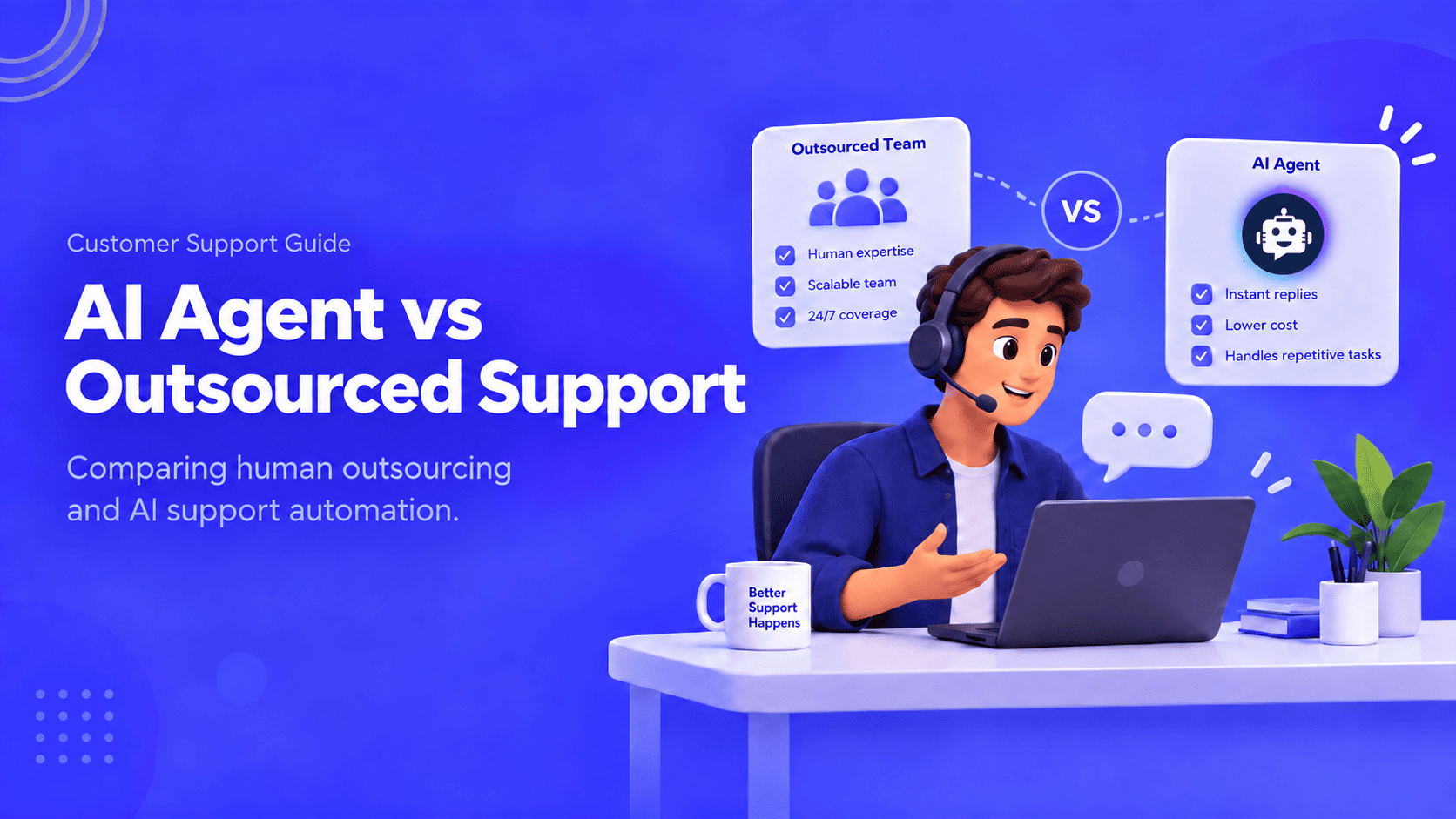
Compare outsourcing customer service with an AI agent using your own ticket mix, a cost model you fill in, and a clear rule for a hybrid split.
Export the Zendesk ticket archive, train an AI Agent on the help center, and test one real ticket before you stop the old queue.
