7 Support Mistakes That Cost You Sales (And How AI Fixes Them)

Akansha
Last updated on April 2, 2026

Customer support matters more today because buying decisions depend heavily on how quickly and clearly issues get resolved.
Many businesses still see support as something to think about only after making a sale. When customer support is slow or confusing, customers lose patience quickly. This leads directly to fewer sales, customers abandoning purchases, and damage to the business’s reputation.
Today, people expect responses instantly. If they do not receive timely, helpful, and relevant answers, they simply choose competitors.
AI-powered support addresses these problems directly. It delivers immediate responses, understands customer context clearly, and smoothly manages conversations between teams. Businesses can handle customer queries efficiently at scale, without compromising personal attention or quality.
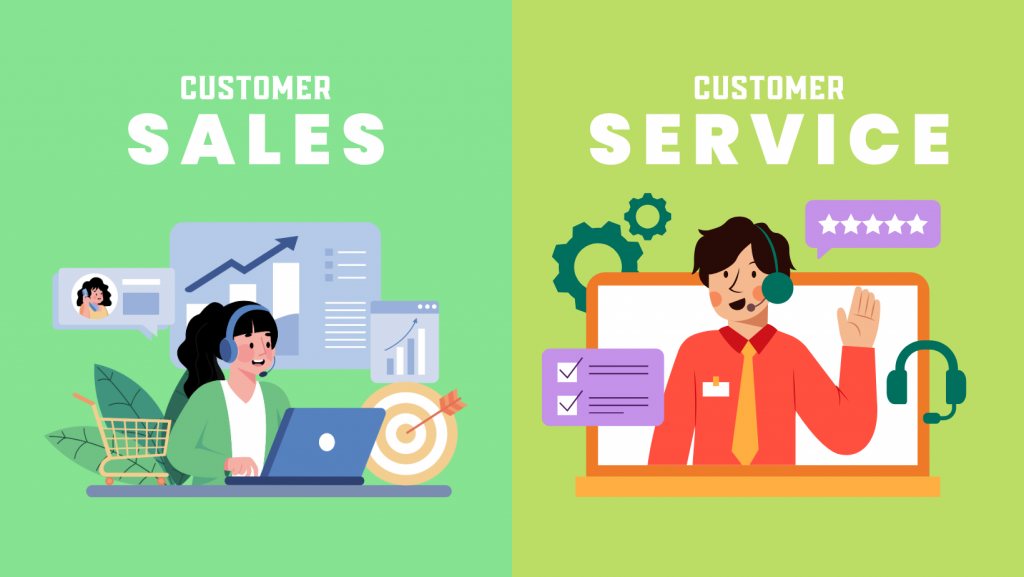
Support often makes the difference between buyers making a decision and not. A quick, clear answer helps clients who are unsure finish their purchases, while a delayed or unclear answer drives them away.
Support drives sales, enhances customer experience, and builds long-term loyalty. Customers who feel understood and valued are more likely to return and make additional purchases.
Four Critical Business Outcomes Driven by Strong Support:
Support teams that identify upsell signals, such as questions about advanced features or additional products, can boost order value in real time. With the right tools, these moments become opportunities for tailored recommendations, often leading to higher customer satisfaction and repeat business.
Modern AI tools help support teams answer questions quickly, keep their answers personalised and accurate, and find opportunities to upsell in conversations. This approach makes sure that consumers do not have to wait and that every interaction is good for both the customer and the business.
Customer support isn’t just about solving problems. It’s a direct contributor to sales, long-term relationships, and growth. Investing in responsive, proactive support creates more opportunities to win and retain customers at every stage.

Most support teams keep track of standard data, including ticket volumes, resolution times, and customer satisfaction ratings. But many people miss mistakes that damage sales and customer loyalty without their knowing it. Fixing these issues can immediately boost business performance and growth.
Your customer’s buying intent fades rapidly when met with silence. Even minor delays in response times, especially on critical channels like chat or mobile, give buyers time to reconsider or choose competitors.
Delayed help costs sales and makes customers think worse of you, making them less likely to return.
Brands that manage this effectively combine automated AI systems with human oversight. By carefully sorting and responding to enquiries within 30 seconds, they build trust, increase conversion rates, and drive consistent revenue growth.
Responding to each customer query one by one can hide bigger, recurring issues.
Over time, these patterns go unnoticed, leading to rising support costs and quietly weakening retention. What starts as a minor frustration can eventually become a reason customers leave.
Letting AI handle routine conversations frees up your team to spot what’s actually going wrong. With that clarity, product and CX teams can address root issues early cutting future support needs and strengthening customer trust.
A disconnected escalation process forces customers to repeat their concerns, leading to immediate frustration. This breakdown damages trust and inflates both support costs and resolution time.
Customers expect consistency. When they have to repeat themselves, it signals a lack of coordination and care, and it slowly damages your brand’s reputation with every interaction.
Effective support teams keep full context by using tools that bring everything together. Agents can easily see summaries, sentiment, and past conversations, which helps them resolve issues faster and turn escalations into moments that build customer loyalty.
A support team reliant entirely on manual handling quickly hits capacity limits when faced with volume spikes from promotions, outages, or sudden growth. The resulting strain impacts resolution speed, customer satisfaction, and employee productivity.
Companies that scale effectively introduce automation early for repetitive or predictable queries, preserving human attention for complex interactions.
This strategy ensures consistent response quality regardless of demand fluctuations, reduces overhead costs, and prevents burnout within support teams transforming growth from challenge into opportunity.
Customers instinctively notice impersonal, templated support. Generic replies imply their issues are trivial or misunderstood, quickly undermining customer satisfaction and brand credibility.
By connecting your support system directly with CRM, purchase histories, and product usage patterns, you deliver genuinely personalised interactions. This depth of personalisation instantly boosts customer satisfaction, fosters repeat engagement, and increases overall lifetime value.
Many support interactions are disguised sales opportunities. Customers reveal their interests, needs, or purchasing intent in casual support conversations signals often unnoticed by purely resolution-focused teams.
This oversight directly equates to missed upselling and cross-selling opportunities, quietly eroding potential revenue and limiting business growth.
Teams trained to recognise and leverage subtle purchase signals, supported by AI-driven intent detection, turn everyday support scenarios into direct sales opportunities. Integrating sales triggers into support channels significantly increases revenue without compromising customer experience.
Even the best support technology relies on well-trained, knowledgeable agents. Without structured, continuous training, your team risks providing inconsistent answers, escalating simple issues unnecessarily, and unintentionally eroding customer trust.
Inadequately trained agents lengthen interactions, increase support costs, and weaken your competitive position.
Investing in scenario-based training programs backed by AI-driven knowledge bases ensures agents remain informed, confident, and capable. This approach directly improves customer experiences, increases agent productivity, and significantly reduces operational inefficiencies.
In 2026, AI plays an active role in improving sales conversations by making them faster, clearer, and more effective. It helps teams reduce friction, maintain consistent messaging, and close more deals by supporting both lead capture and follow-ups.
AI-powered chat interfaces respond to customer queries in real time across web, mobile, and messaging platforms. These systems interpret intent, retrieve accurate answers from approved sources, and provide users with clear responses in under a second.
AI can monitor support conversations to identify repeated problems, sentiment shifts, and operational delays. Groups related topics and flags potential system-wide issues based on frequency and urgency.
When customer queries require human involvement, AI provides agents with the full conversation history, relevant metadata, and a structured summary. This reduces the need for customers to repeat information and shortens handover time.
AI allocates support requests based on complexity, intent, and user priority. During high-traffic periods, it can handle routine queries independently while routing complex cases with appropriate urgency. This level of support automation ensures efficiency without expanding the team.
AI systems should access customer data, previous chat history, recent behaviour, and important logs to adjust responses dynamically. They deliver relevant information without requiring agents to search manually or ask repetitive questions.
During support conversations, AI identifies signals such as upgrade interest, product comparisons, or purchase-related enquiries. It can present relevant options, apply logic-based recommendations, or trigger a handoff to a sales team.
AI assists agents during live sessions by recommending accurate responses, relevant documents, and policy guidelines. This information is context-specific and presented within the agent’s workflow, reducing lookup time.
Integrating AI into core support operations improves response quality, operational consistency, retention, and revenue growth. For comprehensive understanding, read about Building an AI Helpdesk for Your Business.
Use this checklist to see if your current setup supports both service and sales outcomes. Each point reflects a clear capability that improves speed, relevance, and revenue impact.
First response time sets the tone for the entire interaction. In pre-purchase situations—such as pricing or setup queries—delays reduce conversion. A consistent sub-two-minute response time across all channels is now the baseline for effective support operations.
Personalization involves using real-time data such as customer history, order activity, and previous interactions to tailor responses. Support systems should automatically surface this context without asking customers to repeat information.
AI systems automate repetitive queries, prioritize based on urgency, and route tickets based on complexity. They also assist agents with relevant responses and documentation during live sessions, reducing manual effort and enabling higher volume handling without additional staffing.
AI retrieves information directly from validated sources—such as internal documentation, product databases, or customer records—and applies it contextually. This ensures consistent, policy-compliant answers and reduces the margin for human error.
A support system must meet the following benchmarks:
• First response time under two minutes
• 24/7 coverage via automation or async workflows
• Responses tailored to customer data
• Handoff between bot and agent with full session context
• Real-time detection of sales or upgrade intent
Any system lacking these capabilities falls short of current operational expectations.
AI monitors interaction patterns, resolution time, and response quality. It flags inconsistencies and missed steps, allowing managers to pinpoint where training is required—based on real usage data rather than subjective feedback.
Customers tend to stay longer, make more purchases, and recommend your brand without prompting.
Every fast, helpful response shows that your business respects their time. Each personalised answer tells them that you understand their needs. This is how trust turns into sales.
Modern AI tools are not replacing your team. They are helping your team respond faster, keep full context, and notice what matters whether it’s a repeated issue or a chance to recommend a better plan.
Support is no longer a cost centre. It’s where loyalty begins, where feedback shapes better products, and where real growth happens quietly, consistently, and in ways your customers remember.
When your support aligns with these outcomes, it transcends simple query resolution. Building a business that listens, adapts, and earns trust at every step is your goal.
Join 10000+ Business using YourGPT AI to transform business operations!
No credit card required • 7 days access
Learn how to judge Shopify AI resolution rates with clear formulas, a worked example, ticket-level checks and practical ways to improve support quality.

TL;DR B2B customer service means supporting multiple people within the same account, including end users, admins, finance or procurement contacts, and executive sponsors, each with a different definition of a resolved ticket. Traditional support bots handle one conversation at a time and often lose account context when requests move between contacts, channels, or teams, forcing […]
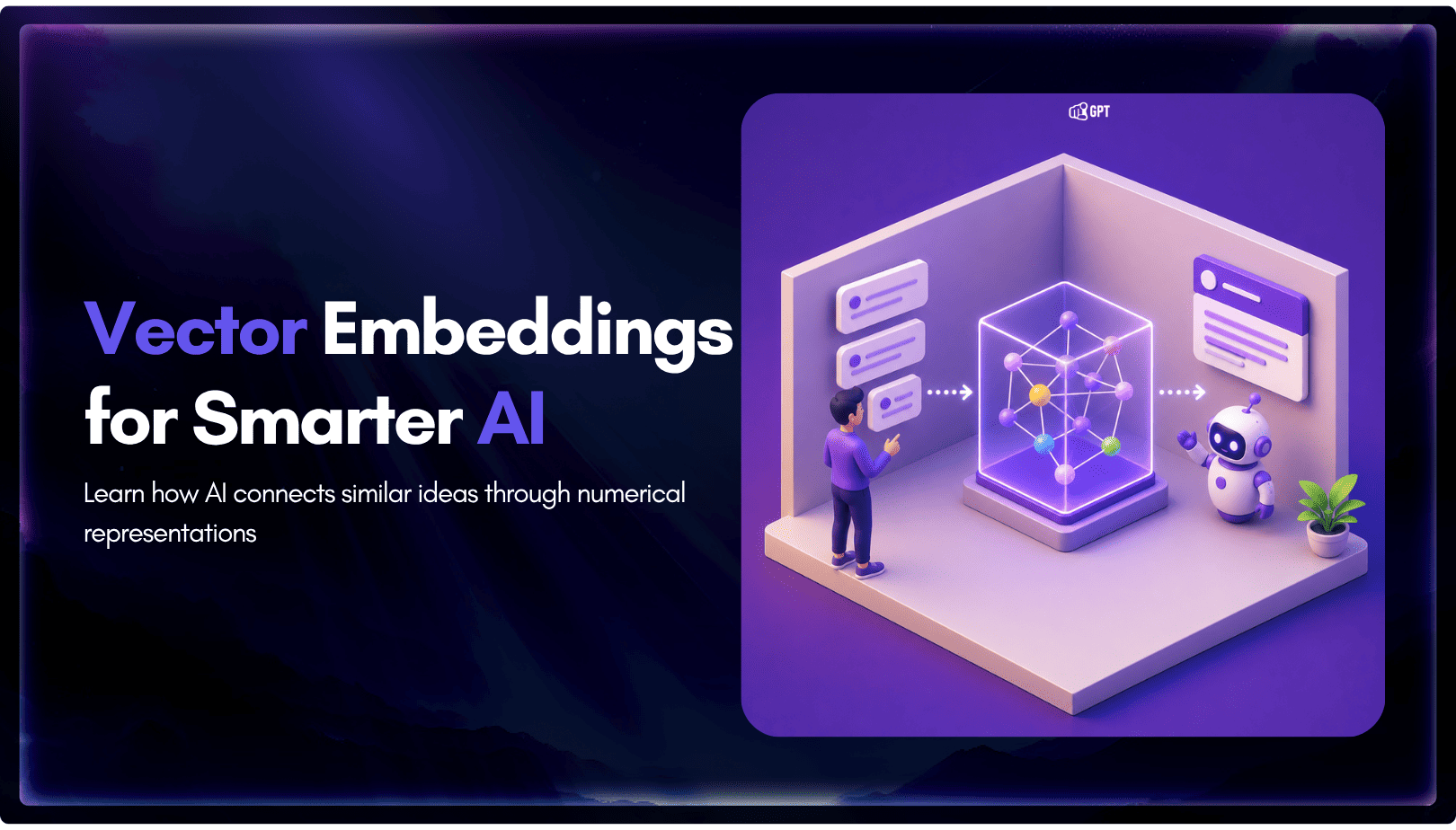
TL;DR A vector embedding is a list of numbers that represents meaning, placing similar concepts closer together in a mathematical space. AI chatbots use embeddings to match questions by meaning rather than exact wording, which is a core part of retrieval-augmented generation (RAG). Anthropic recommends Voyage AI for embeddings, while OpenAI, Google, and Cohere provide […]

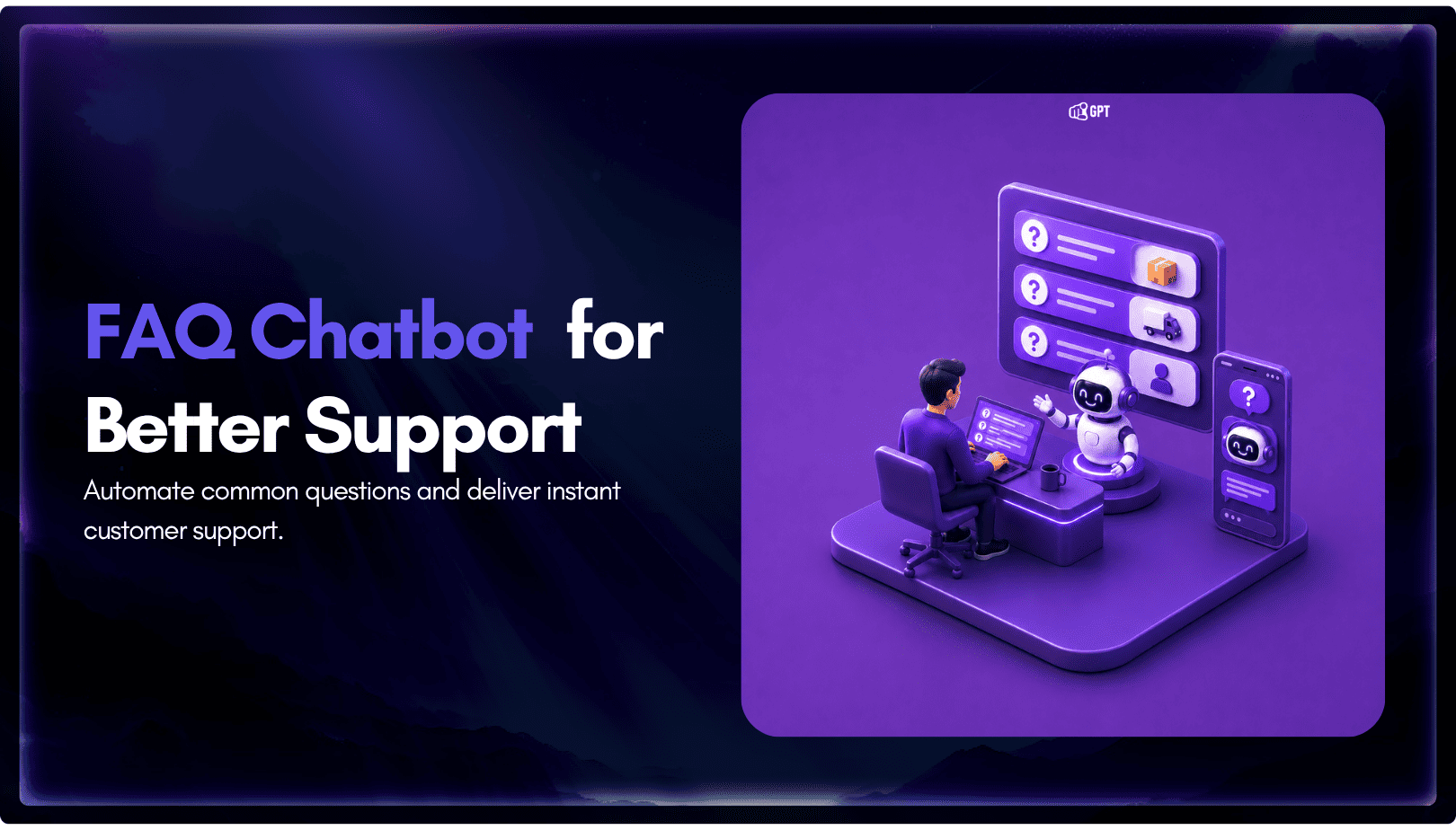
TL;DR An FAQ chatbot answers repetitive questions by matching user queries with a knowledge base and returning grounded responses using rules, AI retrieval, or both. Modern FAQ chatbots use confidence checks to deliver instant answers for strong matches and fall back to broader retrieval or human handoff when confidence is low. Rule-based bots work well […]
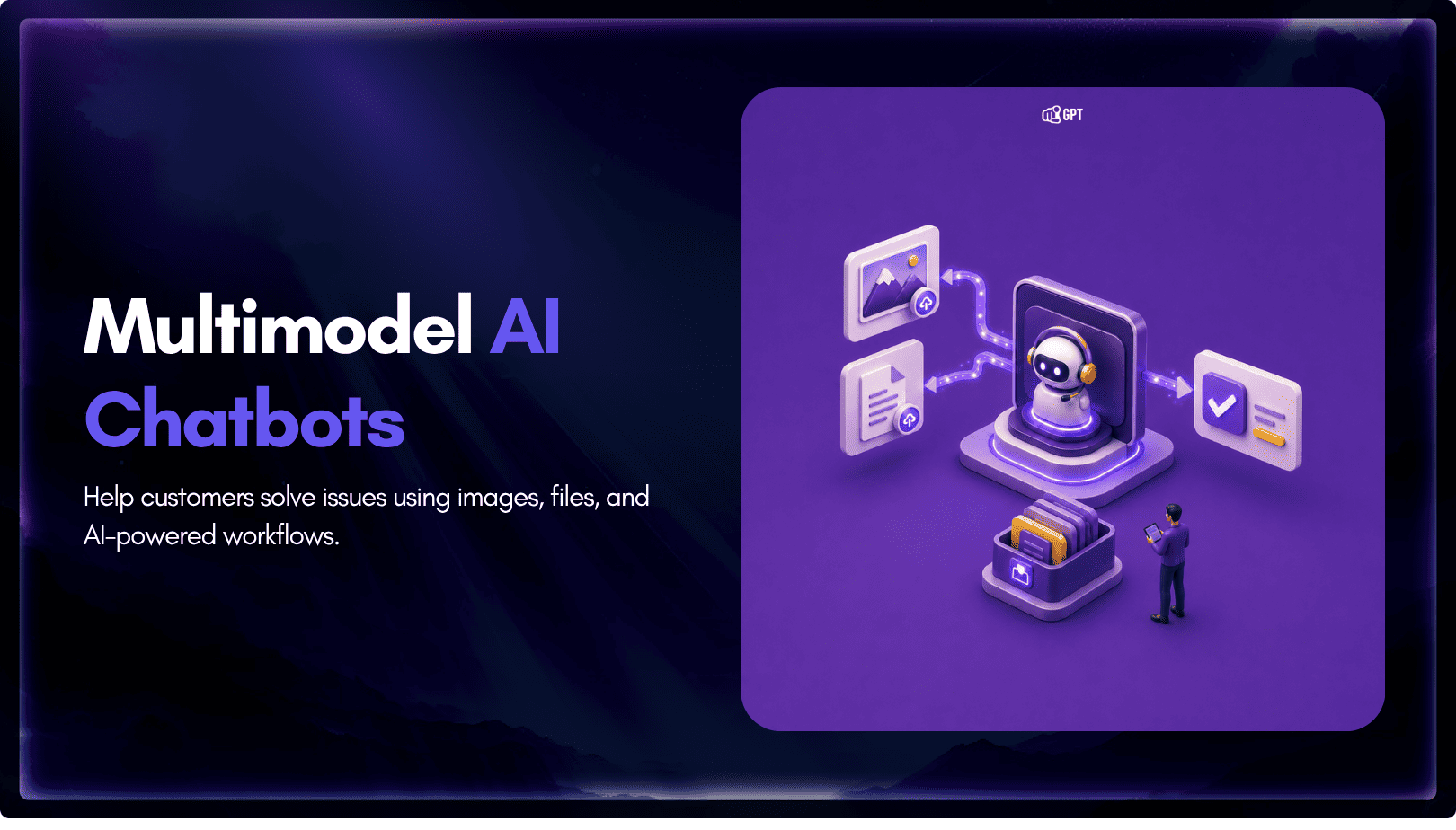
TL;DR Multimodal chatbots let customers share photos, screenshots, documents, video, or audio directly in a conversation, giving AI more context than text alone. YourGPT’s Attachment Capture node in AI Studio can collect these files mid-conversation, while vision-capable AI models can analyze and understand their contents. Key use cases include ecommerce returns, insurance and warranty claims, […]
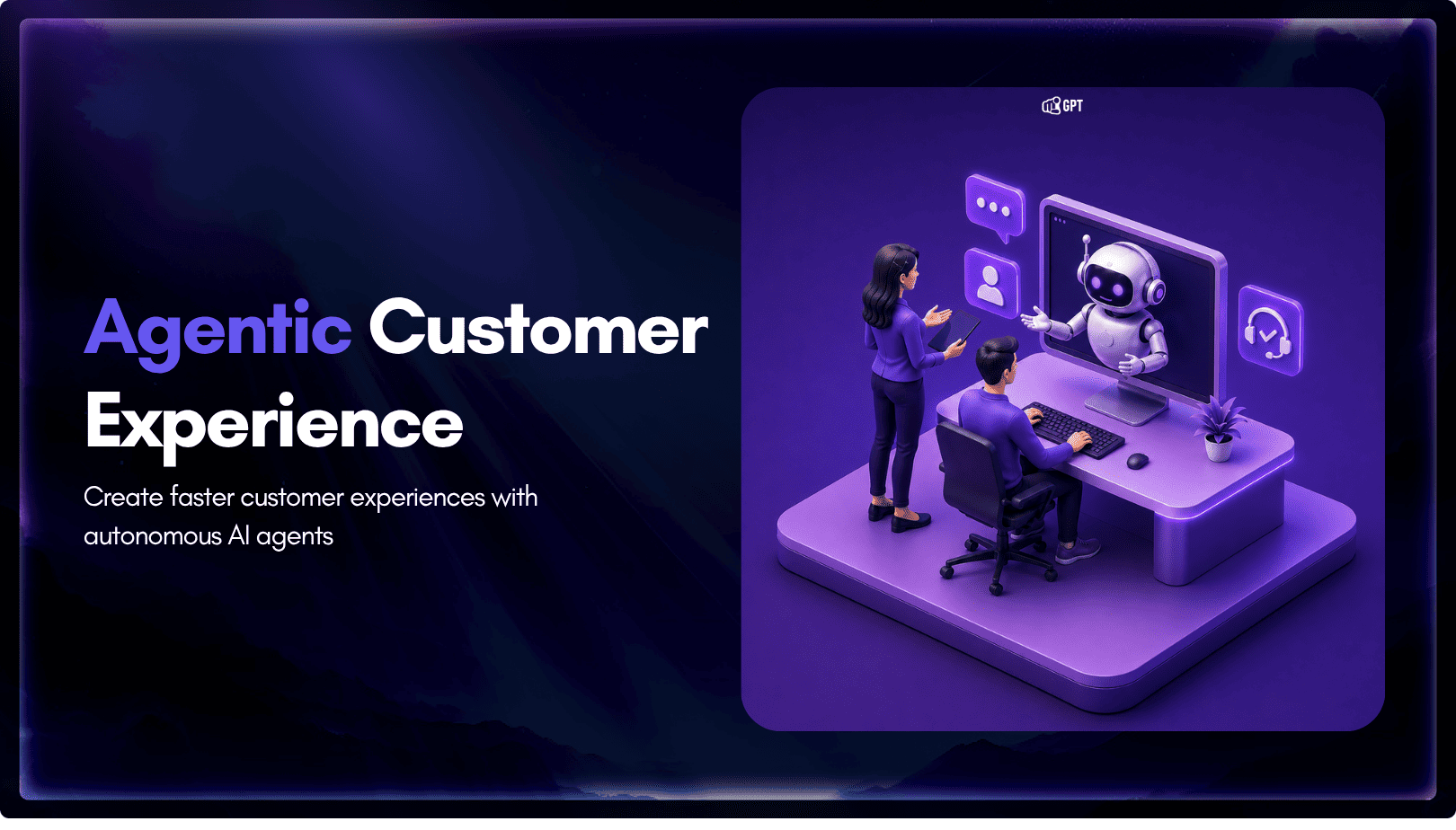
A customer asks where their order is. A traditional bot pastes a tracking link and calls it done. An agentic system checks the carrier API, sees the shipment stuck at a depot, applies a credit under the delay policy, updates the CRM, and messages the customer before they’ve had time to get annoyed. Same question. […]