Best AI Solutions for Insurance Platforms

Shreya Sharma
August 12, 2026
Insurance platforms are using AI to automate claims support, quote intake, and policy servicing, reducing reliance on call centers and static forms.
This guide compares five commonly shortlisted platforms: YourGPT, Ada, Sierra AI, Decagon, and Forethought. None are purpose-built exclusively for insurance, so configuration flexibility and proven insurance use cases matter.
Pricing ranges from published monthly plans to enterprise contracts with custom quotes. The best choice depends on ticket volume, budget, and the engineering resources available for setup and ongoing optimization.
AI solutions for insurance range from a simple chatbot to an enterprise agent that costs hundreds of thousands of dollars a year to run. The gap between those two ends is wide, and most vendor pages do not make it obvious which end a given platform actually sits on.
Policyholders expect fast, accurate answers now, the same speed they get from any other app on their phone. Meeting that expectation means picking a platform that genuinely fits an insurance business, beyond what looks good in a demo.
This blog breaks down five platforms on the things that actually matter for an insurance buyer: proof the platform works in insurance, how clear the pricing is, and how much work it takes to get one live.
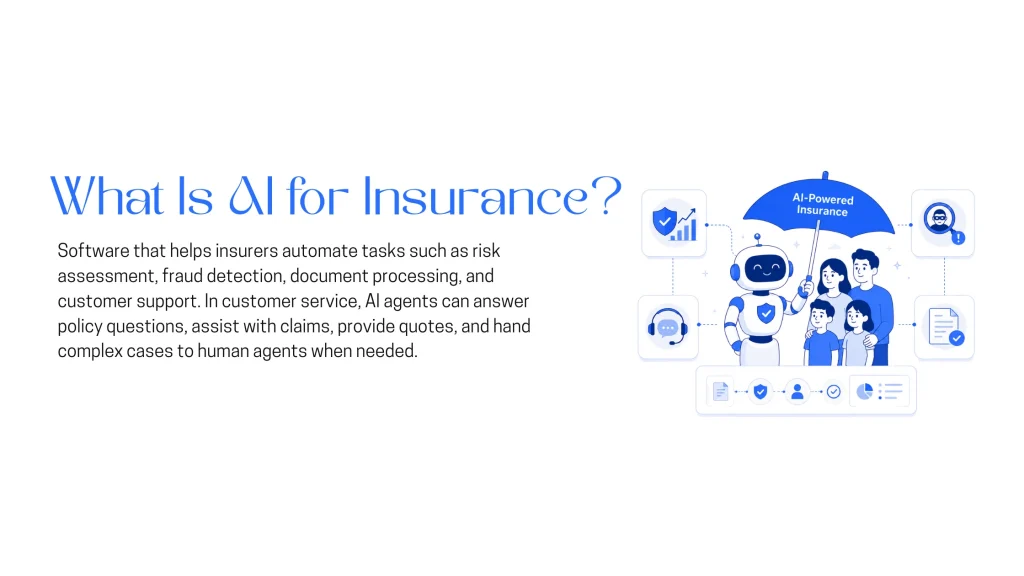
“AI for insurance” is not one type of tool. It covers several very different categories of software:
The five platforms in this guide fall into that last category. They carry a conversation from intake to resolution, or hand it off to a person when they cannot help.
That distinction matters. A platform built for underwriting will not double as a support agent, and a support agent will not replace an actuarial model. Anyone researching AI for insurance should expect to look at more than one category of tool, beyond the platforms compared here.
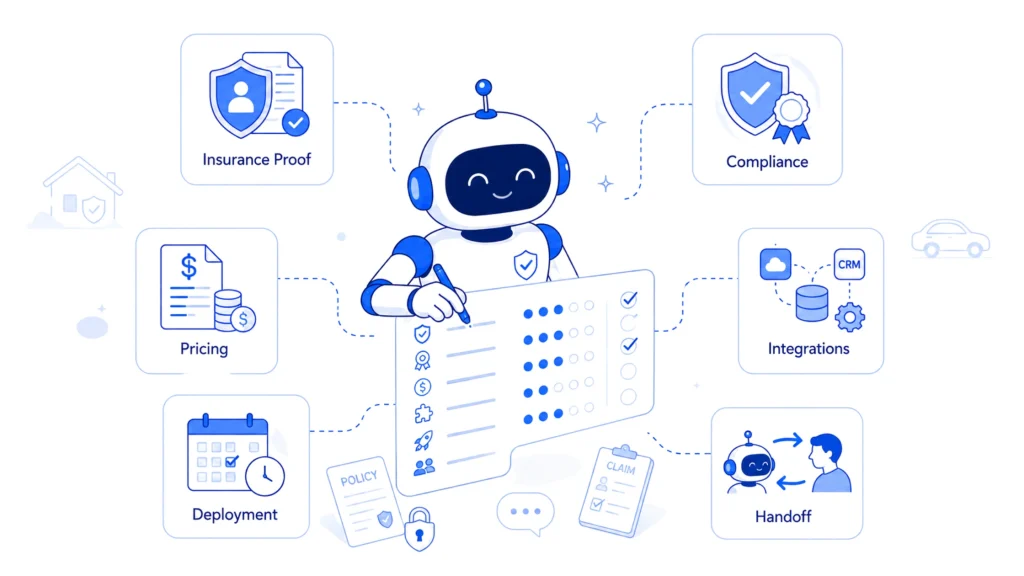
For a deeper checklist that applies beyond insurance specifically, see 7 things to verify in any AI agent platform before going live.
| Platform | Best For |
|---|---|
| YourGPT | No-code AI agents for support, sales, quotes, and claims-style workflows |
| Ada | Enterprise customer service and health insurance member support |
| Sierra AI | White-glove enterprise AI agents for brand-conscious consumer companies |
| Decagon | Enterprise teams needing code-adjacent control over workflow logic |
| Forethought | AI support automation for teams working within the Zendesk ecosystem |
Following platform below is broken down the same way: what it does, key features, honest pros and cons, and pricing checked against the vendor’s own site.
YourGPT is a no-code AI agent platform built for support, sales, and operations rather than a product sold specifically for insurance. A team builds a conversational agent through a visual builder. Also, trains it on approved content, and deploys it across the channels a policyholder or prospect uses. Claims and quote workflows get built separately in AI Studio using branching logic and data capture, and the same platform handles support, routing anything it cannot answer to a person with full context.
Best for: insurance teams that want one platform for support, claims-assistance conversations, and quote intake, without an enterprise-only sales process or a minimum volume requirement to qualify.
Ada is an AI customer service platform founded in 2016, now serving more than 350 enterprise customers including Monday.com, Pinterest, and YETI. Its core differentiator here is a published investment in health insurance member service, pre-built playbooks covering billing, claims status, in-network provider lookup, policy inquiries, and dependent updates. Ada runs on a Reasoning Engine, a single AI layer applying the same policies across chat, voice, and email, but its own pricing page states a minimum fit of 300,000 annual conversations, ruling out smaller insurance agencies regardless of budget.
Best for: large health insurers with high member-chat volume who want pre-built content over heavy customization, and who clear Ada’s 300,000-conversation minimum.
Sierra AI was founded in late 2023 by Bret Taylor, Salesforce’s former co-CEO and now chair of OpenAI’s board, and Clay Bavor, a former Google VP. The platform takes a goal-oriented approach, agents pursue an outcome across a conversation rather than working through a fixed set of ticket types, sold through a white-glove, vendor-managed implementation with a dedicated agent engineer per account. Named reference customers include ADT, which routes about two million inquiries a month through Sierra, along with SiriusXM, Rocket Mortgage, Brex, and CLEAR, none in insurance specifically.
Best for: large, brand-conscious consumer insurers with the budget for a fully managed deployment and no interest in building or maintaining the workflow logic themselves.
Decagon, founded in August 2023, centers its platform on Agent Operating Procedures, natural-language instructions that compile into executable, guardrailed workflows rather than a single open-ended prompt. Basically, That architecture gives a CX team direct, code-adjacent control over exactly how an agent behaves, and the platform reports 70 to 75 percent of support conversations resolved without human intervention, monitored in real time through a tool called Watchtower. Decagon has built out a strong compliance posture, with SOC 2, ISO 27001, GDPR, and HIPAA support, though no public materials name an insurance customer specifically despite that fit.
Best for: technical teams that want to write and directly control their own workflow logic, and specifically need HIPAA support for a health insurance line.
Forethought was founded in 2018 and operated independently until Zendesk announced its acquisition on March 11, 2026, closing the deal on March 26, 2026, in an all-cash transaction TechCrunch reported as Zendesk’s largest acquisition in nearly two decades. See Forethought alternatives for other options in this category. Moreover, the product now operates as Forethought AI Agents by Zendesk, that running five specialized agents, Solve, Triage, Assist, Discover, and Agent QA, tuned on a buyer’s own historical ticket data. Named customers include Upwork, Grammarly, Airtable, and Datadog, none in insurance, and the platform requires roughly 20,000 or more than that historical tickets to perform well.
Best for: enterprise teams already running Zendesk that want Forethought’s agent architecture without adopting a new platform, and that already clear its 20,000-ticket data threshold.
| Platform | Core Focus | Key Strengths | Pricing Model | Compliance |
|---|---|---|---|---|
| YourGPT | No-code AI across support, sales, and ops | Fast deployment, transparent published pricing, no minimum volume to qualify | Monthly plans, from $39/mo (annual) | SOC 2, GDPR |
| Ada | Health insurance member service at scale | Named auto-insurance customer (Clearcover), pre-built health insurance playbooks | Custom, priced by conversation | SOC 2 |
| Sierra AI | A bespoke, white-glove enterprise agent | Strong reference customers at scale (ADT, CLEAR), outcome-based design | Custom, no public pricing | Not publicly detailed |
| Decagon | Developer-controlled workflow logic | 70 to 75 percent resolution rate, HIPAA support built in | Custom, no public pricing | SOC 2, ISO 27001, GDPR, HIPAA |
| Forethought (now part of Zendesk) | Zendesk-native enterprise support | Self-improving Resolution Learning Loop, backed by Zendesk’s resources | Custom, no public pricing | Inherits Zendesk’s compliance posture |
The shortlist above splits cleanly by scenario rather than by which platform is objectively best.
A few practical checks matter beyond scenario fit, before signing anything:
None of these five platforms should be evaluated on a demo alone. Ask every vendor for a named insurance reference instead of a resolution-rate claim by itself, and confirm what actually happens, and how much context survives, when a conversation escalates to a person.
There is no single best platform. Ada has the most publicly documented investment in insurance-specific workflows, particularly health insurance. YourGPT covers support, sales, and quote or claims-style automation on one no-code platform with published pricing. Sierra AI and Decagon are stronger fits for enterprises with the budget and engineering resources for a fully custom deployment. The right choice depends on ticket volume, budget, and compliance needs.
No. Ada is a general customer-service AI platform, but it has published pre-built playbooks specifically for the five highest-volume health insurance interactions, which is a genuine differentiator among the platforms compared here. It is not an insurance-only product.
It varies widely. YourGPT publishes monthly pricing starting at $39 a month on annual billing. Ada, Sierra AI, Decagon, and Forethought are sold through custom, sales-gated contracts, with third-party estimates ranging from tens of thousands of dollars a year to $1.5 million or more at enterprise scale.
Most claim integration flexibility through APIs or a workflow builder, but the depth varies. A platform reading data from a claims system is a different and easier integration than one that can also write back to it. Confirm this distinction directly with each vendor rather than assuming from a feature list.
No. Zendesk completed its acquisition of Forethought on March 26, 2026. The product is sold as “Forethought AI Agents by Zendesk” and remains available to non-Zendesk customers per Zendesk’s own statement, but its long-term product roadmap is tied to Zendesk going forward.
SOC 2 is close to a baseline expectation across this category. HIPAA matters specifically for health insurance lines handling protected health information. GDPR matters for any carrier with policyholders in the EU. Confirm current certification status directly with each vendor, since these can change.
It depends on scale and internal engineering capacity. YourGPT covers a similar core job, conversational automation with workflow logic and human handoff, at a fraction of the cost and with published pricing. Sierra and Decagon are built for enterprises running far higher ticket volumes with dedicated implementation teams on both sides. Teams evaluating either category should weigh ticket volume and available engineering time as heavily as the feature list.
The real split here isn’t Ada versus YourGPT versus Sierra. It’s who ends up doing the proof-of-fit work. On the no-code end, that’s your own team, testing the agent against your actual edge cases during a trial. On the enterprise end, it’s a sales and implementation team doing it for you, on a timeline and price they control. Neither approach removes the work. It just decides who’s holding it when something goes wrong.
Before signing anything, run one test that a resolution-rate percentage won’t show: feed the agent a question with a wrong or ambiguous coverage detail, on purpose, and watch what happens next. A platform that guesses at an answer is a liability in this industry. One that flags the gap and hands off cleanly, with the full conversation intact, is doing the one job that matters more than speed or channel count.
Five platforms, five different bets on where that line sits. Put yours wherever your compliance team, not your demo call, is comfortable.
Learn how to judge Shopify AI resolution rates with clear formulas, a worked example, ticket-level checks and practical ways to improve support quality.

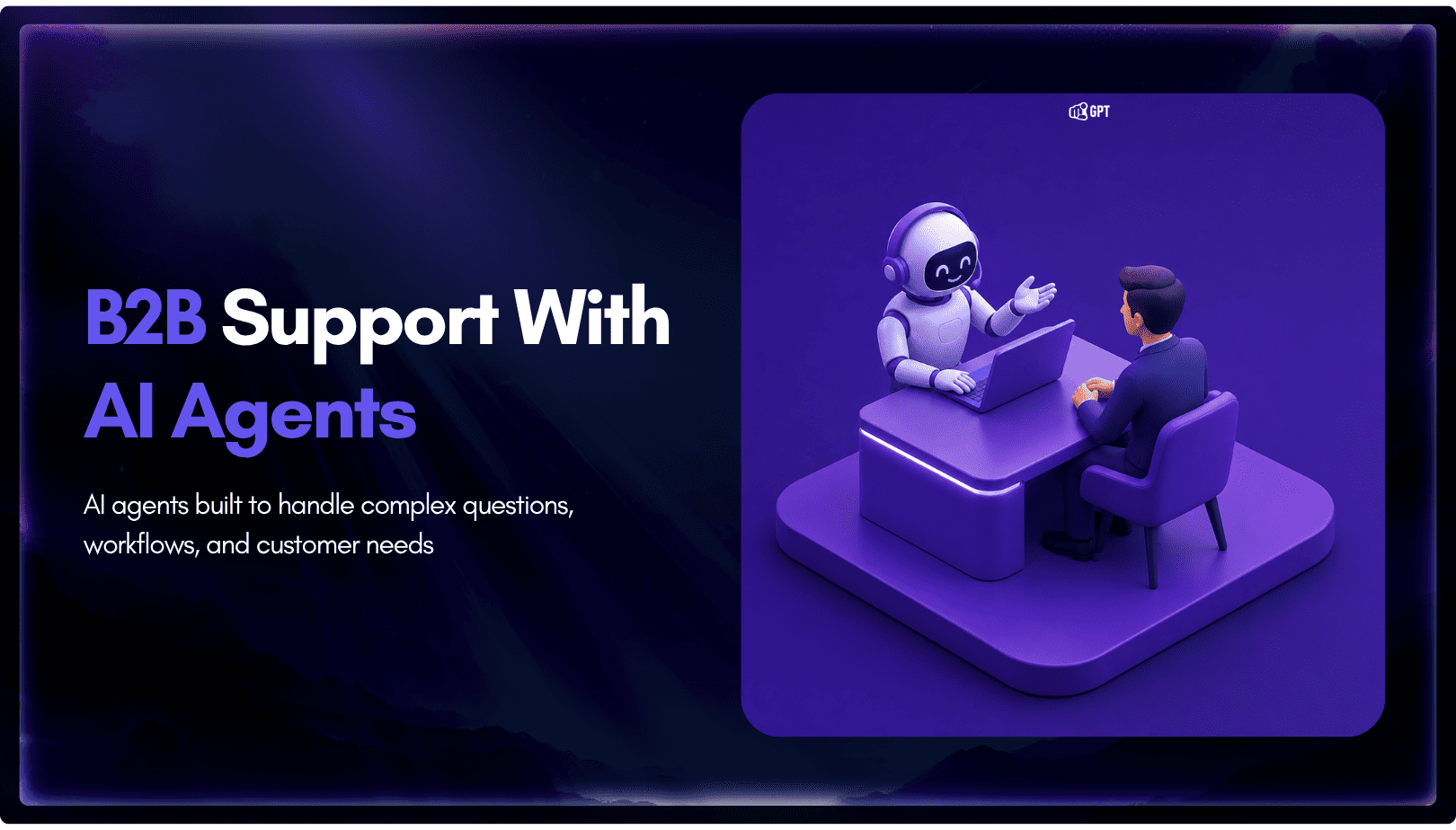
TL;DR B2B customer service means supporting multiple people within the same account, including end users, admins, finance or procurement contacts, and executive sponsors, each with a different definition of a resolved ticket. Traditional support bots handle one conversation at a time and often lose account context when requests move between contacts, channels, or teams, forcing […]
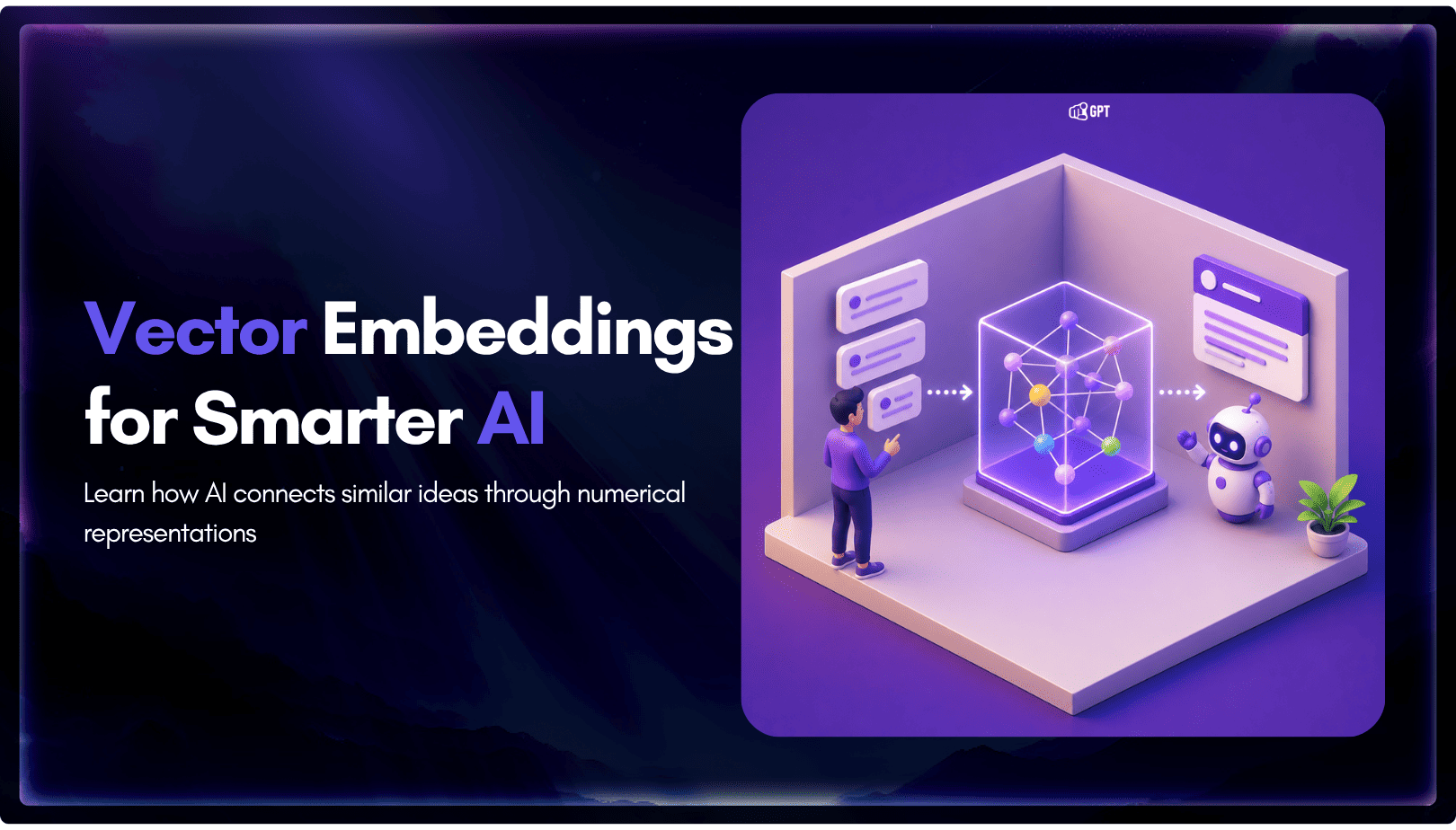
TL;DR A vector embedding is a list of numbers that represents meaning, placing similar concepts closer together in a mathematical space. AI chatbots use embeddings to match questions by meaning rather than exact wording, which is a core part of retrieval-augmented generation (RAG). Anthropic recommends Voyage AI for embeddings, while OpenAI, Google, and Cohere provide […]
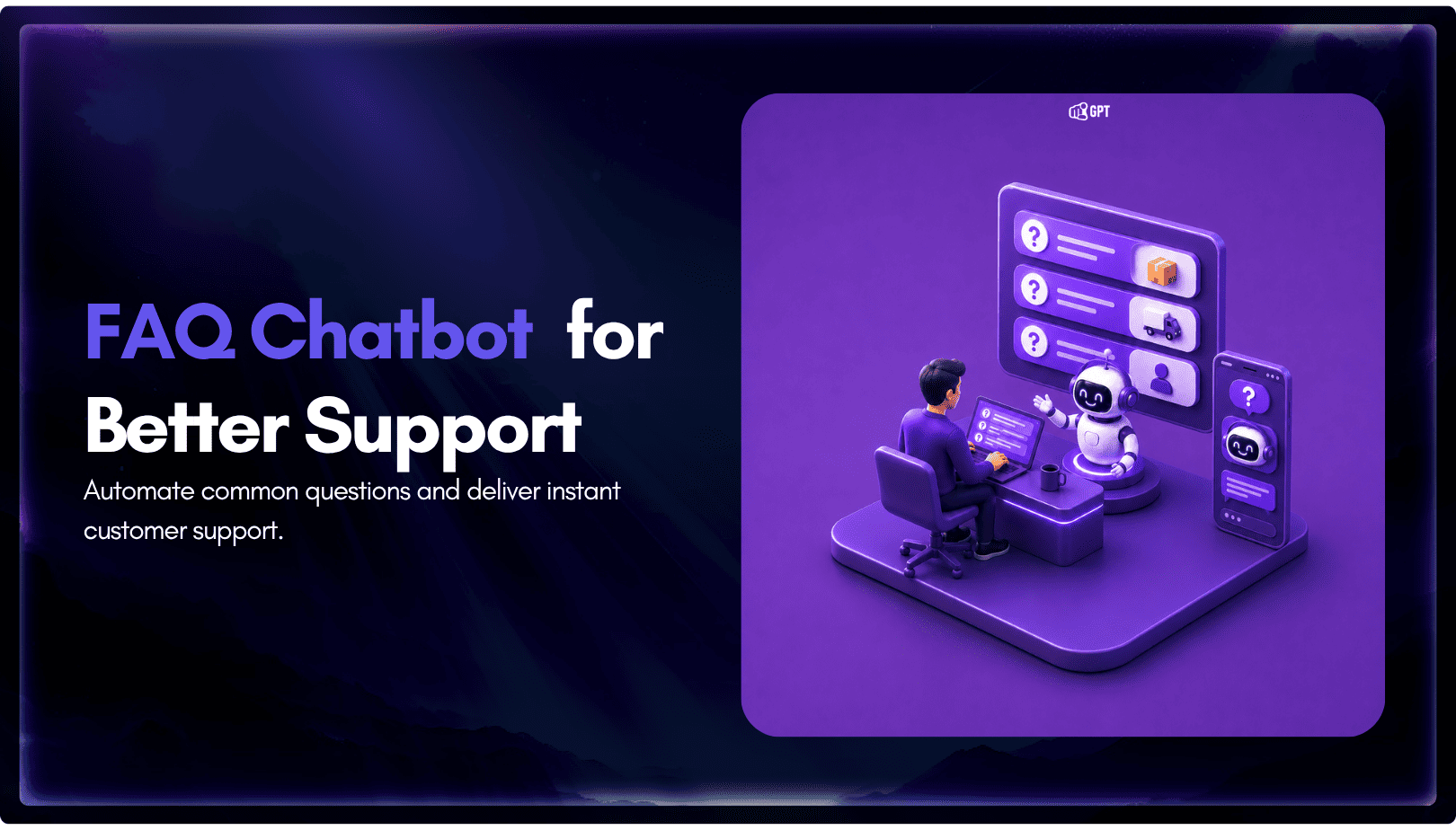
TL;DR An FAQ chatbot answers repetitive questions by matching user queries with a knowledge base and returning grounded responses using rules, AI retrieval, or both. Modern FAQ chatbots use confidence checks to deliver instant answers for strong matches and fall back to broader retrieval or human handoff when confidence is low. Rule-based bots work well […]
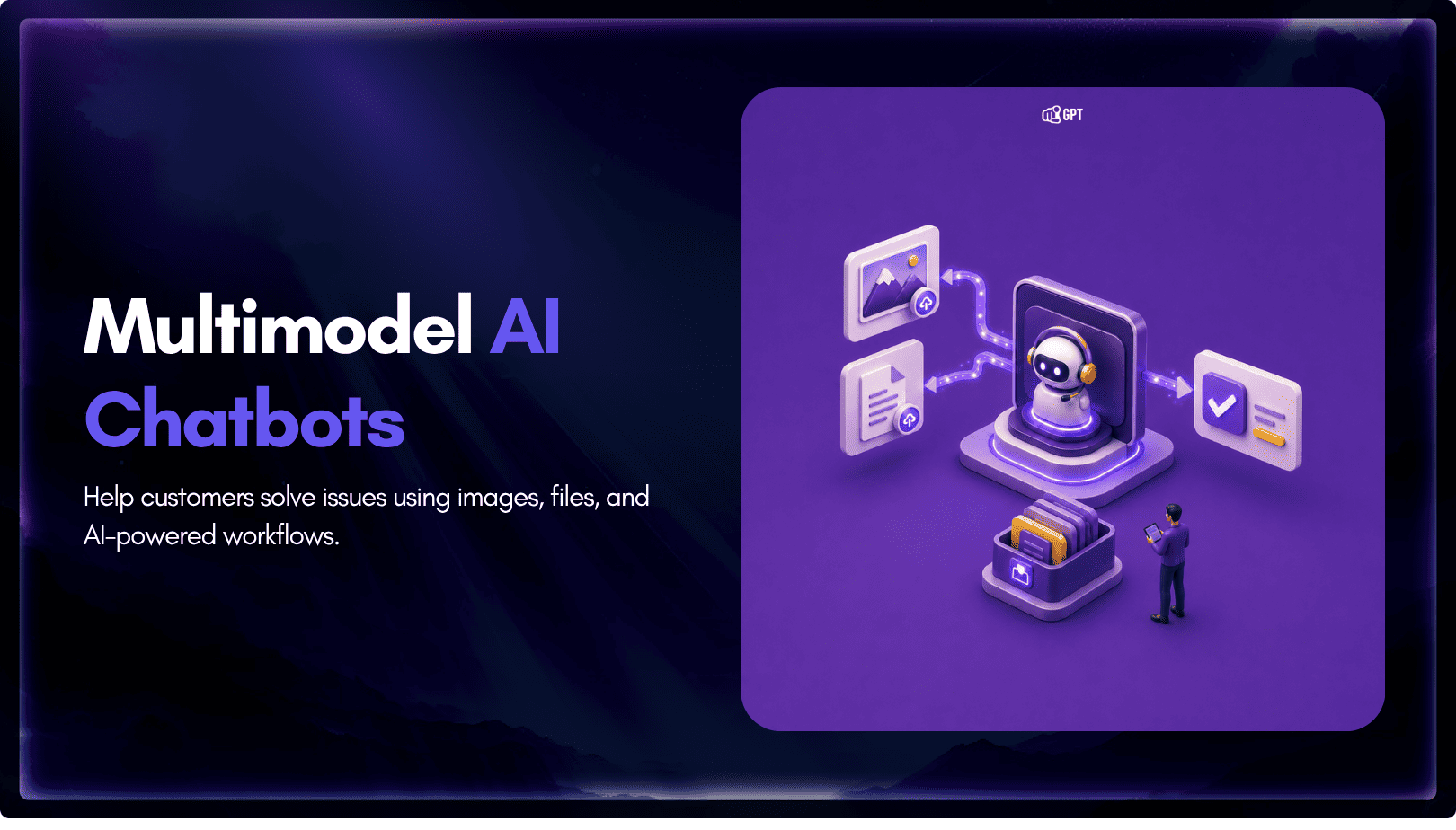
TL;DR Multimodal chatbots let customers share photos, screenshots, documents, video, or audio directly in a conversation, giving AI more context than text alone. YourGPT’s Attachment Capture node in AI Studio can collect these files mid-conversation, while vision-capable AI models can analyze and understand their contents. Key use cases include ecommerce returns, insurance and warranty claims, […]
A customer asks where their order is. A traditional bot pastes a tracking link and calls it done. An agentic system checks the carrier API, sees the shipment stuck at a depot, applies a credit under the delay policy, updates the CRM, and messages the customer before they’ve had time to get annoyed. Same question. […]