How to Set Up an AI Agent for Your Magento Store (No-Code)

Rajni
Last updated on July 13, 2026
Customer expectations in eCommerce are changing fast. Today, shoppers expect instant answers, 24/7 support, and personalized shopping experiences.
Magento stores often manage large product catalogs, configurable products, custom attributes, multiple warehouses, and complex pricing structures. While these features create flexibility, they also generate more customer questions.
Many businesses use AI chatbots to handle common support requests. But modern AI agents can do much more. They can answer product-specific questions, check order status, create support tickets, recommend products, and help customers complete purchases.
For Magento store owners, an AI Agent can improve customer support, increase conversions, and reduce repetitive support work without requiring a large team.
In this blog, you’ll learn how to set up a YourGPT AI Agent for your Magento store without writing any code.
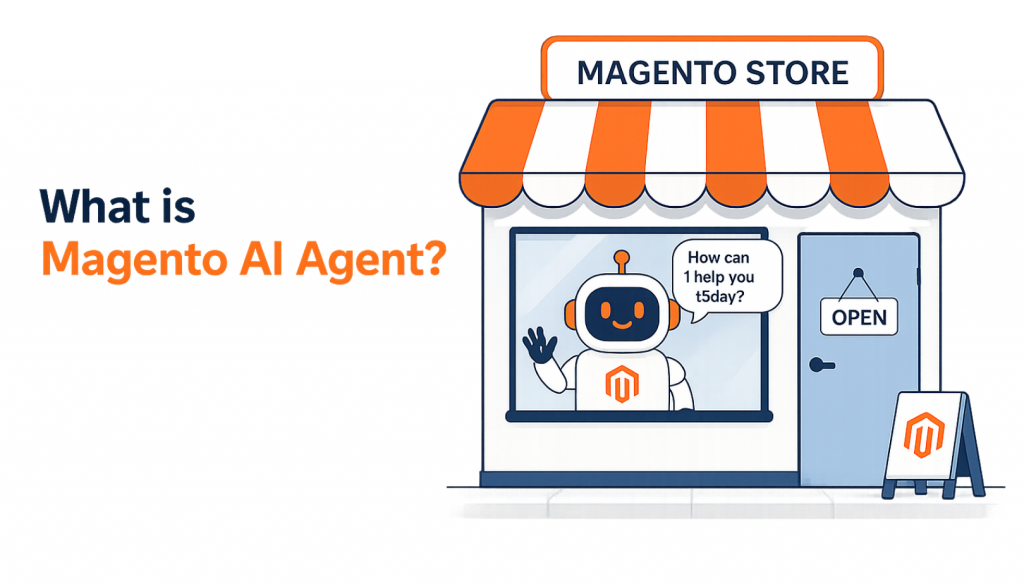
A Magento AI Agent is an AI-powered shopping and customer support assistant that works directly on your Magento storefront.
Unlike traditional chatbots that only answer pre-written FAQ questions, an AI Agent can understand customer intent, access store information, and provide personalized responses based on your Magento data.
When connected to your product catalog, policies, inventory, and support systems, the AI Agent can answer questions such as:
The AI Agent uses your Magento store data to provide accurate and helpful responses in real time.
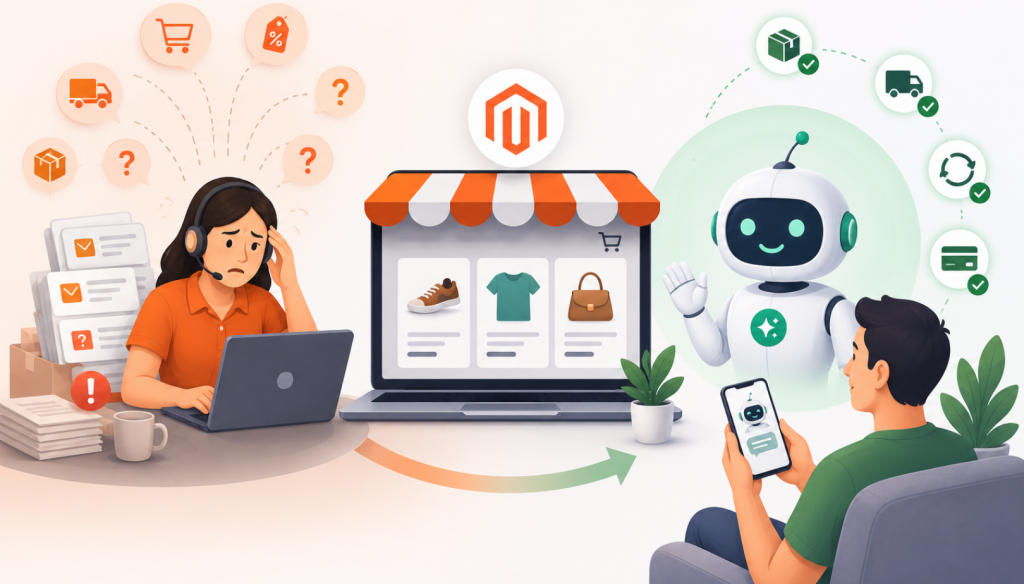
Magento is known for its flexibility, customization capabilities, and scalability, making it a popular choice for growing eCommerce businesses. However, as your store expands, managing customer support becomes increasingly challenging.
Magento stores often operate with:
As product offerings and customer segments grow, shoppers expect quick and accurate answers before making a purchase. They may have questions about product compatibility, stock availability, shipping timelines, return policies, pricing, discounts, or order status.
For support teams, answering these inquiries manually can become time-consuming and costly. Customers often expect immediate responses, and delays can lead to abandoned carts, lost sales opportunities, and lower customer satisfaction. During peak shopping periods, support volumes can increase dramatically, putting additional pressure on teams and increasing operational costs.
An AI Agent helps solve these challenges by providing instant, accurate responses 24/7. It can guide customers to the right products, answer common questions, check inventory and order information, explain shipping and return policies, and assist shoppers throughout their buying journey. This reduces repetitive support work, improves customer experience, and allows support teams to focus on higher-value interactions that require human expertise.
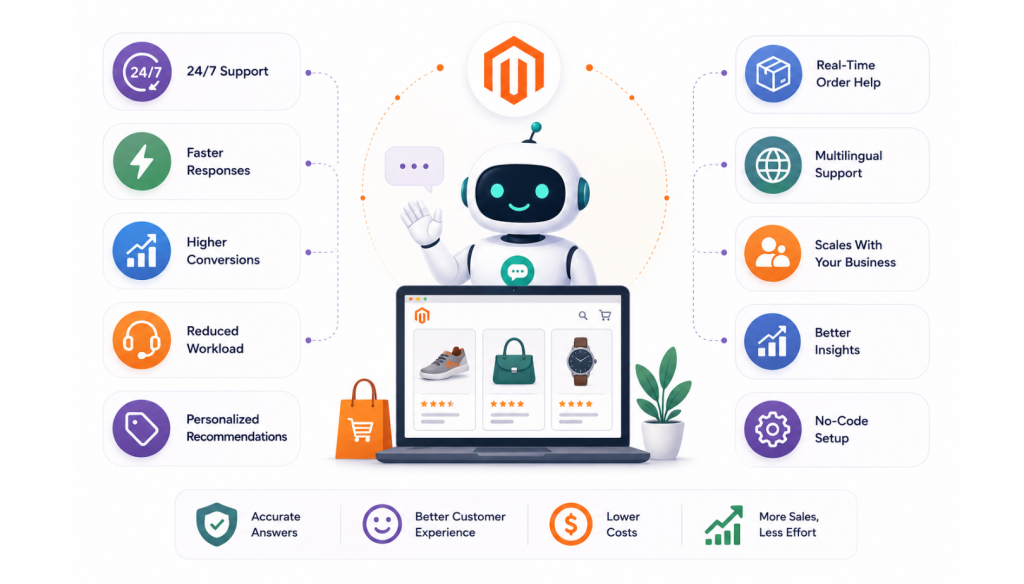
Magento stores often handle complex product catalogs, customer groups, pricing rules, shipping options, and order-related queries. As the store grows, customer expectations also increase. Shoppers want quick, accurate, and personalized answers before they decide to buy. An AI Agent helps Magento merchants deliver faster support, improve customer experience, and reduce the pressure on support teams.
Customers do not always shop during business hours. They may browse products late at night, compare options on weekends, or place orders from different time zones. An AI Agent provides round-the-clock support, ensuring customers receive help whenever they need it. This reduces missed sales opportunities and keeps the shopping experience smooth at every stage.
Long response times can frustrate customers and lead to cart abandonment. An AI Agent responds instantly to common questions about products, pricing, shipping, returns, and availability. By giving customers the information they need in real time, it helps improve satisfaction and keeps shoppers moving toward checkout.
Many customers hesitate before purchasing because they are unsure about product details, size, compatibility, availability, or delivery timelines. An AI Agent removes this uncertainty by answering questions immediately and guiding shoppers toward the right decision. This makes the buying journey easier and can help increase conversions.
Support teams often spend a large amount of time answering repetitive questions such as “Where is my order?”, “What is your return policy?”, or “Is this item in stock?” An AI Agent can handle these routine queries automatically, allowing human agents to focus on complex issues, high-value customers, complaints, and cases that require personal attention.
Magento stores often offer many product options, variants, and categories. An AI Agent can help customers find the most suitable products based on their preferences, browsing behavior, budget, and specific needs. Instead of making shoppers search through large catalogs, it guides them directly to relevant products, improving both user experience and sales potential.
Customers frequently contact support to ask about order status, shipping updates, tracking details, and delivery timelines. An AI Agent can provide real-time order assistance through chat, helping customers get answers quickly without waiting for a support representative. This improves post-purchase experience and reduces the number of order-related tickets.
Magento merchants selling internationally often need to support customers in different languages. Hiring multilingual support teams can be expensive and difficult to scale. An AI Agent can assist customers in multiple languages, helping global shoppers feel more comfortable and supported throughout their buying journey.
Every customer question gives merchants useful information. An AI Agent can help identify common concerns, frequently asked product questions, support trends, and friction points in the buying journey. These insights can be used to improve product pages, update FAQs, optimize policies, and make better business decisions.
As traffic, orders, and customer inquiries grow, support demand increases as well. An AI Agent can handle a growing number of conversations without requiring the same level of additional staffing. Whether your Magento store receives 100 or 10,000 conversations per month, the AI Agent helps maintain consistent support quality as your business scales.
Modern AI Agents can be deployed without deep technical knowledge. Magento merchants can set up, train, and manage the AI Agent without depending heavily on developers. This makes it easier for business teams to update responses, add new FAQs, manage workflows, and improve support automation over time.
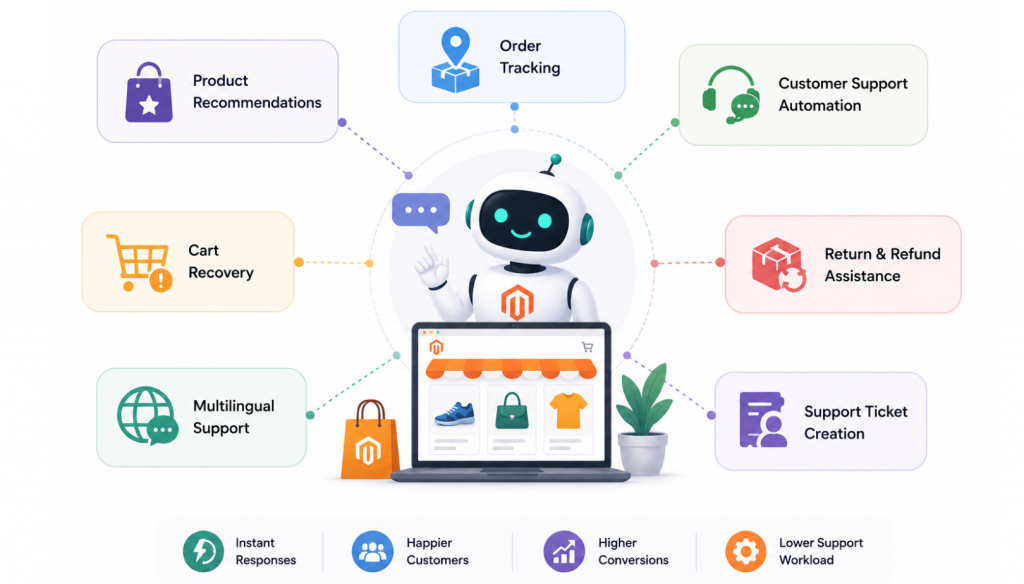
Magento AI Agents can support both sales and customer service by helping shoppers get quick answers, make confident purchase decisions, and complete tasks without waiting for a human support representative. For Magento merchants, this means fewer repetitive tickets, smoother shopping journeys, and better customer satisfaction.
Magento stores often have large catalogs with many categories, variants, and product attributes. With Product Recommendations, an AI Agent can help shoppers find the right products based on their needs, preferences, budget, size, style, use case, or compatibility requirements. Instead of forcing customers to browse through hundreds of options, the AI Agent guides them toward relevant products and helps them make faster buying decisions.
Customers frequently contact support to ask where their order is, when it will arrive, or whether it has shipped. An AI Agent can provide order status, shipping updates, tracking information, and estimated delivery details directly through chat. This reduces order-related support tickets and improves the post-purchase experience.
Many customer questions are repetitive, such as inquiries about shipping methods, return policies, payment options, warranties, store policies, and product availability. An AI Agent can answer these common questions instantly and consistently. This allows support teams to spend more time on complex issues that require human attention.
Customers often abandon carts because they have doubts about product details, shipping costs, delivery timelines, discounts, or return policies. An AI Agent can engage shoppers before they leave, answer last-minute questions, and help remove purchase barriers. By reducing uncertainty during checkout, it can support better cart recovery and higher conversion rates.
Returns and refunds can create a large number of support requests for Magento stores. An AI Agent can guide customers through return eligibility, refund timelines, exchange options, return instructions, and policy requirements. It can also collect the required order details before passing the case to a support agent when needed.
Magento merchants serving international customers need to provide support across different languages and regions. An AI Agent can assist customers in their preferred language, making it easier for global shoppers to understand product details, policies, and order information. This helps improve trust and accessibility without requiring a large multilingual support team.
Not every issue can be solved automatically. When a customer needs human help, an AI Agent can collect important details such as name, email, order number, issue type, product name, and screenshots or descriptions. It can then create a support ticket with complete context, helping support teams resolve issues faster and reducing back-and-forth communication.
Add an intelligent AI Agent to your Magento store to provide customer support, product assistance, and shopping guidance. Follow these simple steps to get started.
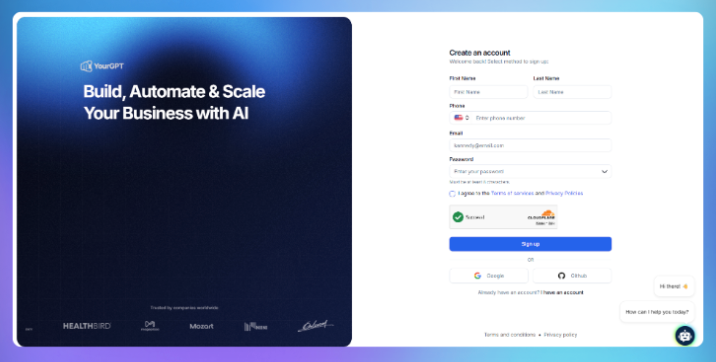
Log in to your YourGPT dashboard and create a new AI Agent.
Choose:
You can decide whether the agent should handle customer support, product recommendations, sales assistance, or all of them together.
You can also define restrictions, such as preventing the agent from offering refunds, making pricing promises, or guessing information when it isn’t certain.
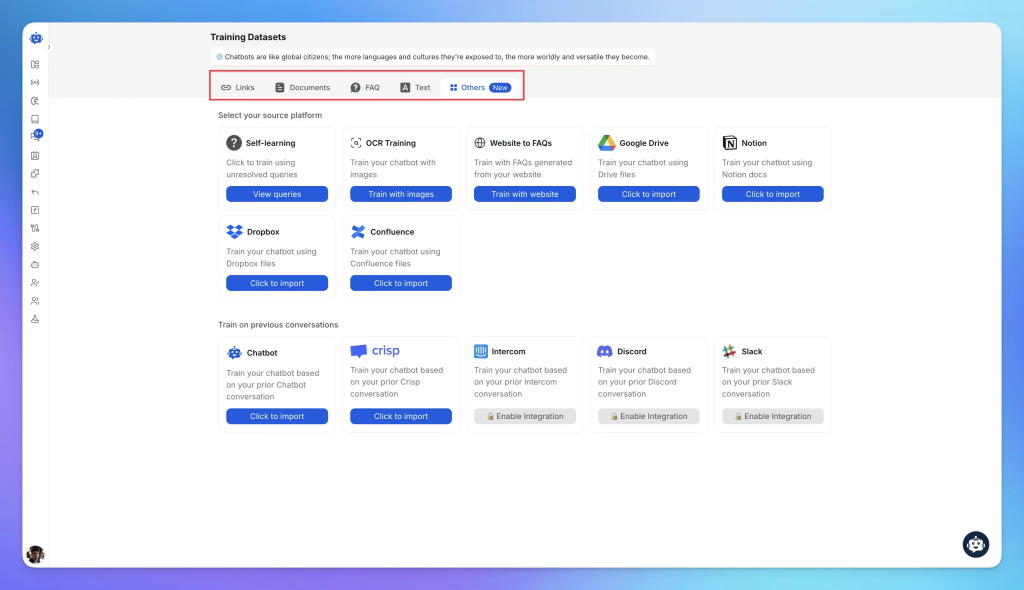
Upload your Magento store information into the YourGPT knowledge base.
This can include:
The quality of your data directly affects the quality of the AI Agent’s responses. Keep your catalog accurate and remove outdated products whenever possible.
This is where the AI Agent becomes more powerful than a traditional chatbot.
Using YourGPT’s API Calling node and Functions, you can connect the agent to your Magento backend to pull live order and shipping data. You can also connect named integrations, including:
This allows the AI Agent to answer questions such as:
Instead of directing customers elsewhere, the agent can retrieve information and complete actions directly within the conversation.trieve information and complete actions directly within the conversation.
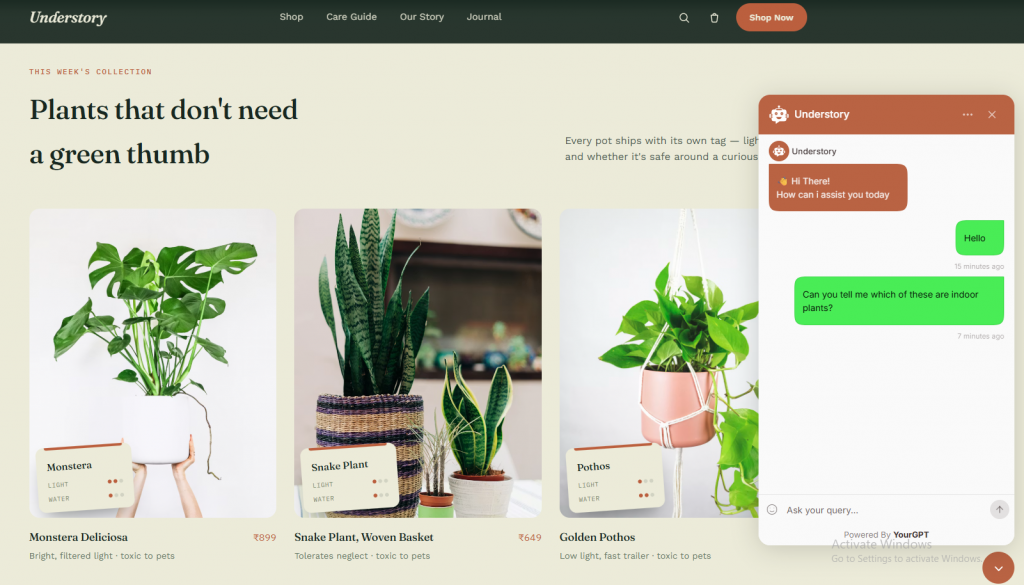
After configuring the AI Agent, customize the chat widget to match your Magento storefront.
You can adjust:
YourGPT provides a JavaScript widget code snippet.
Simply add the widget code to your Magento theme, usually through the footer or layout files, and the AI Agent will appear throughout your store.
Connect the agent to your Magento systems and shopper-facing channels.
On the systems side, use integrations to connect your Magento store, shipping and logistics platforms, CRM, helpdesk software, and loyalty or rewards programs if you run one. These integrations let the agent retrieve shopper information, check order and shipping status, verify return or refund eligibility, and provide real-time inventory updates.
On the channel side, deploy the agent across your website, mobile app, live chat, email, WhatsApp, Messenger, and other messaging platforms your shoppers use.
If your store handles support over the phone, you can also deploy AI voice agents. Voice agents use the same knowledge sources, guardrails, workflows, and integrations while providing conversational support through inbound and outbound calls.
Once deployed, the agent can access relevant shopper context, retrieve live store data, execute approved workflows, and determine whether a request should be resolved automatically or escalated to a human support representative.

Before launching, define situations where the AI Agent should transfer conversations to a human agent.
Common examples include:
Once configured, test the AI Agent using real customer questions from previous support tickets.
This helps identify gaps in your knowledge base before customers begin using the system.
An AI Agent helps shoppers get instant answers about products, pricing, availability, delivery timelines, and compatibility. By removing uncertainty during the buying process and providing personalized product recommendations, it can reduce abandoned carts and improve conversion rates.
Yes. When connected to your Magento product catalog, specifications, variants, inventory, and custom attributes, the AI Agent can answer detailed questions such as product differences, size availability, compatibility, and recommended use cases in real time.
No. An AI Agent handles repetitive and routine inquiries like order tracking, shipping policies, return policies, and product availability. This allows your support team to focus on complex issues, escalations, complaints, and high-value customer interactions that require human expertise.
Yes. By integrating with Magento order management and shipping systems, the AI Agent can provide order status updates, tracking information, shipping progress, and estimated delivery dates directly within the chat experience.
Absolutely. The AI Agent operates 24/7, ensuring customers can get support whenever they shop, regardless of time zone or business hours. This helps reduce missed sales opportunities and improves customer satisfaction.
Yes. The AI Agent can guide shoppers toward suitable products based on preferences, budget, requirements, browsing behavior, size, style, or specific use cases. This creates a more personalized shopping experience and helps customers make faster purchase decisions.
No. Modern solutions like YourGPT offer a no-code setup process. Store owners can create the AI Agent, upload product and policy information, connect store systems, customize the chat widget, and launch it without extensive technical expertise.
The AI Agent can be configured to collect customer details, create support tickets, and transfer conversations to human agents when needed. This is especially useful for refund disputes, escalated complaints, legal questions, or requests that require personalized assistance.
Managing customer support for a growing Magento store can quickly become time-consuming, especially when customers expect instant answers about products, shipping, returns, and order status. An AI Agent gives your store a reliable 24/7 assistant that can respond instantly, guide shoppers to the right products, track orders, and reduce repetitive support tasks.
For Magento merchants, this means faster support, lower workload for your team, better shopping experiences, and more opportunities to convert visitors into customers. It also makes support easier to scale across languages, time zones, and high-traffic periods without adding extra staff.
With YourGPT, you can launch a Magento AI Agent in minutes, connect it with your product catalog and store systems, and deliver smarter customer assistance while keeping support costs under control. Start building your Magento AI Agent today and turn every customer interaction into a better shopping experience.
Customers expect instant answers, 24/7 support, and personalized shopping. YourGPT AI Agents deliver all three, automatically and at scale.
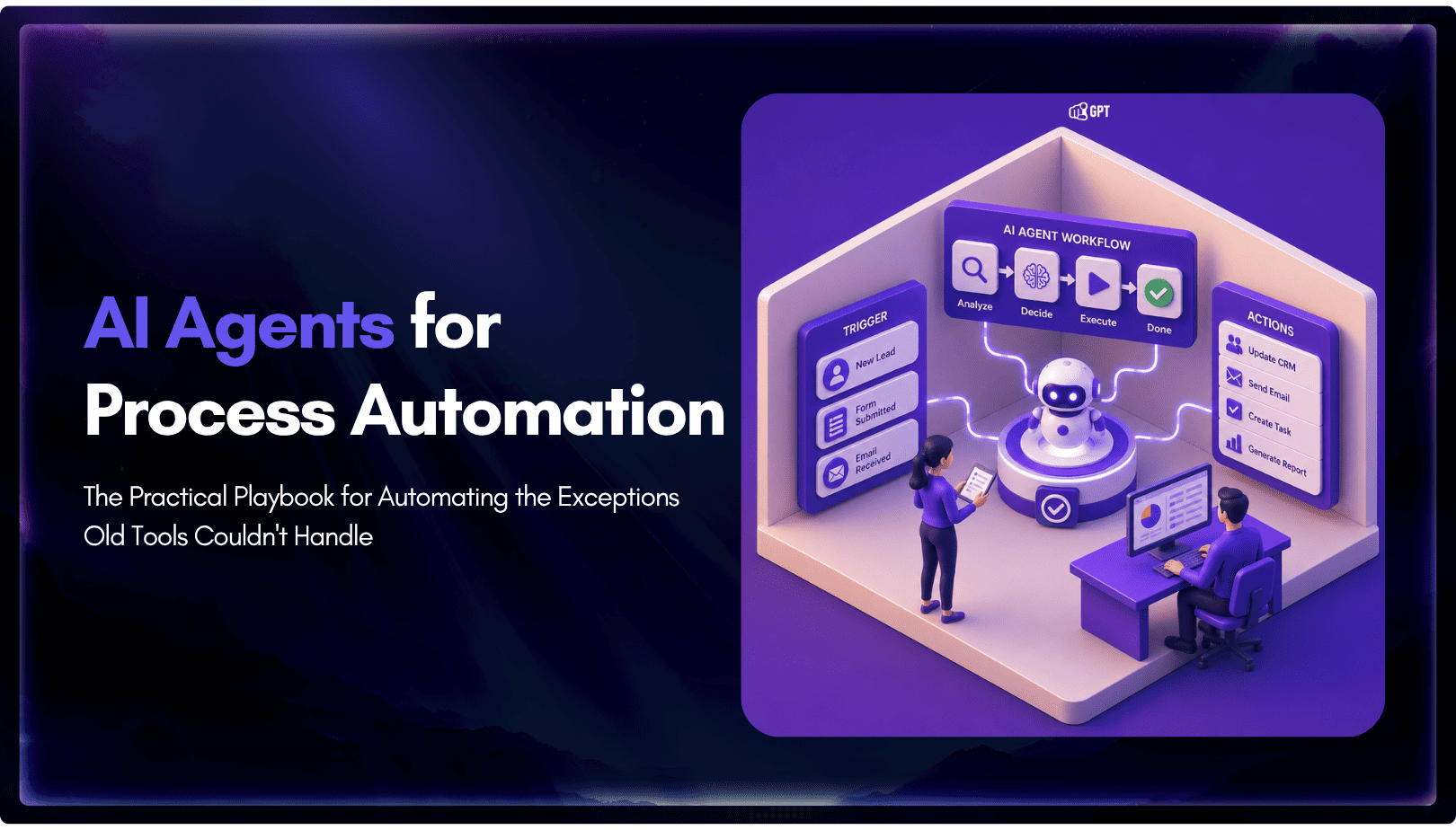
TL;DR Business process automation with AI agents lets software plan multi-step work, call tools, and handle exceptions instead of following fixed scripts like traditional RPA. AI agents can adapt when a process changes, but that flexibility also requires clear permission boundaries, reliable data, and human oversight for consequential actions. Start with one repetitive process, document […]

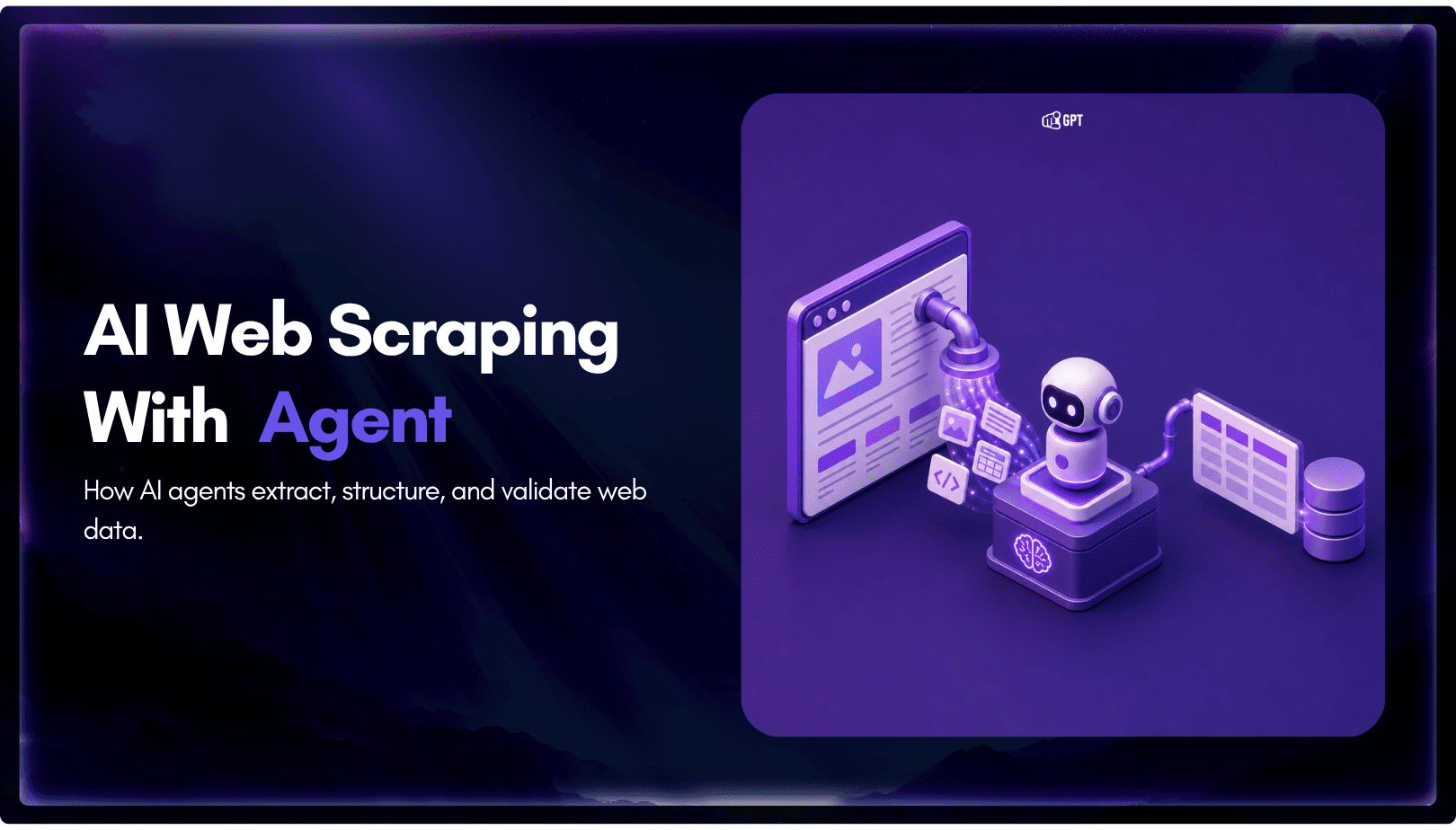
TL;DR AI web scraping replaces hardcoded selectors with an agent that reads a page, decides what matters, and returns structured output, even after the layout changes. Script-based scraping is being layered with agent-based extraction. Scripts still fetch the page. The model decides what to keep. A fetch layer renders the page, a conversion step strips […]
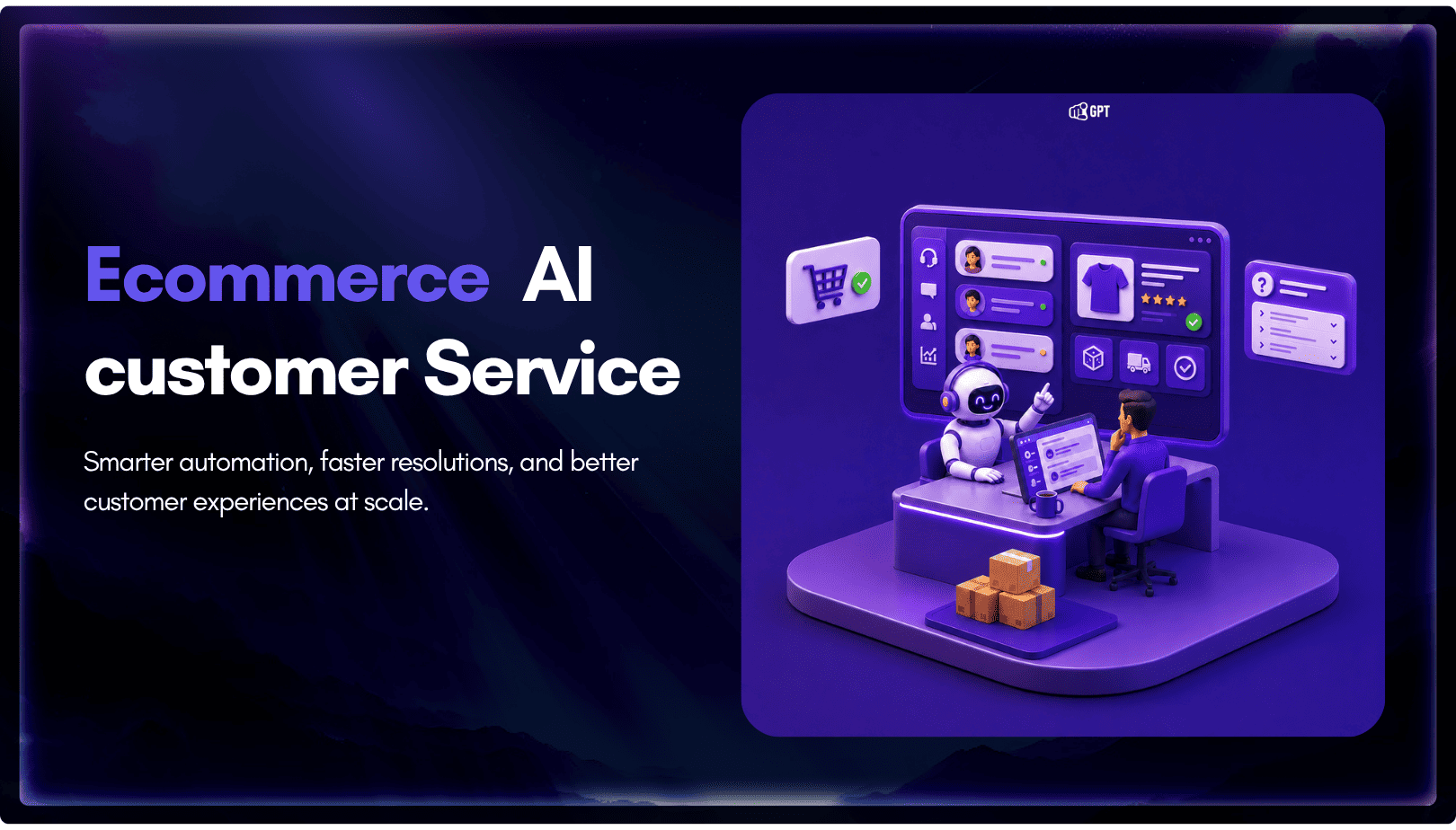
TL;DR The Shift: Support bots used to answer questions. In 2026, AI agents resolve them by reading live order and carrier data, then taking direct action. They can issue refunds, update addresses, and close WISMO tickets without human involvement. The Stakes: WISMO and refund requests already account for a large share of a typical support […]
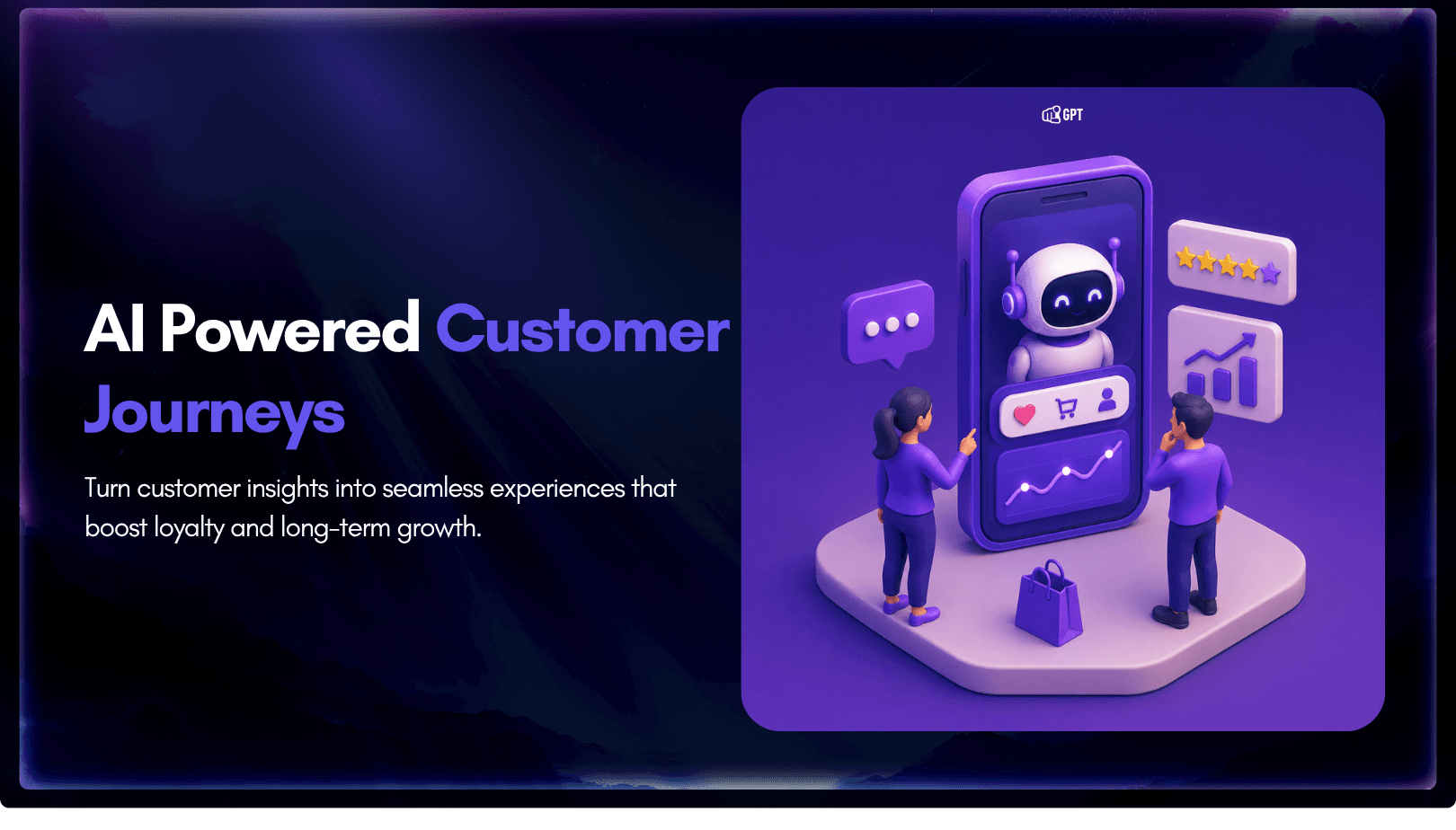
TL;DR A customer experience strategy is a documented plan for how people, process, and technology work together across every customer touchpoint, not just a support-team initiative. Strong CX optimization can drive 5 to 10 percent revenue growth and reduce costs by 15 to 25 percent within two to three years, making it an executive-level priority. […]
SaaS companies usually do not hit support overload because the product is failing. They hit it because the product is working. More users mean more onboarding questions, more billing confusion, more integration issues, more feature requests, more account-access problems, and more tickets arriving outside business hours. A small support team that could manage 500 customers […]
TL;DR OpenAI shipped workspace agents inside ChatGPT Business and Enterprise in April 2026, giving the product the ability to plan multi-step work and act inside connected tools. The update narrows the gap between ChatGPT and dedicated AI agents for internal work, but it does not replace customer-facing support platforms. Workspace agents live in the ChatGPT […]